Last Updated on August 2, 2026
Are you worried about what’s really in your dog’s food? You’re not alone.
Many pet owners face confusing labels, unexpected ingredients, and sudden health problems that might be linked to what their dogs eat. Understanding dog food issues isn’t just about picking the right brand—it’s about protecting your furry friend’s health and happiness every day.
Keep reading to discover what you need to watch out for and how you can make smarter choices for your dog’s diet. Your dog depends on you, and the right knowledge can make all the difference.
Common Dog Food Problems
Choosing the right dog food can be tricky. Many dogs face issues from their diet that affect their health and happiness. Understanding common dog food problems helps you spot signs early. This knowledge supports better food choices for your pet.
Allergies And Sensitivities
Some dogs react badly to certain ingredients. Allergies cause itching, redness, and swelling. Common allergens include beef, chicken, dairy, and grains. Sensitivities might show as stomach upset or skin problems. Identifying triggers helps avoid uncomfortable reactions.
Digestive Issues
Digestive problems often appear after eating specific foods. Symptoms include vomiting, diarrhea, and gas. Poor quality ingredients or sudden diet changes cause these issues. A balanced diet with easily digestible food supports gut health. Regular vet checks catch digestive problems early.
Nutritional Deficiencies
Dogs need vitamins and minerals to stay healthy. Missing nutrients weaken the immune system and cause poor coat condition. Deficiencies may result from low-quality food or improper diets. Feeding complete and balanced food keeps your dog strong and active.
Contaminated Ingredients
Sometimes dog food contains harmful substances. Contamination can come from poor manufacturing or storage. This leads to illness and serious health risks. Checking food recalls and buying trusted brands reduces contamination chances. Safe food means a healthier pet.
Choosing The Right Dog Food
Choosing the right dog food is important for your pet’s health. Dogs need good nutrition to stay active and strong. The right food supports their growth and keeps their coat shiny. Different dogs have different needs. Age, size, and health all affect what food is best. Understanding how to pick the right food helps your dog live a long, happy life.
Reading Labels Effectively
Labels tell you what is inside the dog food. Look for real meat or fish as the first ingredient. Avoid foods with too many fillers like corn or soy. Check for added vitamins and minerals. These help your dog stay healthy. Watch out for artificial colors or flavors. They do not add nutrition and may cause allergies.
Grain-free Vs. Grain-inclusive Diets
Grain-free diets do not have wheat, corn, or rice. Some dogs are allergic to grains and need grain-free food. Grain-inclusive diets contain grains that provide energy and fiber. Most dogs do well on grain-inclusive diets. Talk to your vet before choosing grain-free. Some grain-free foods lack important nutrients.
Wet Food Vs. Dry Food
Wet food has more moisture and tastes good to dogs. It helps keep your dog hydrated. Dry food is easy to store and helps clean teeth. It usually costs less than wet food. Some owners mix both to give variety. Choose based on your dog’s preference and health needs.
Special Diets For Health Conditions
Some dogs need special diets for health problems. Dogs with kidney issues may need low protein food. Dogs with allergies may need limited ingredient diets. Weight management diets help overweight dogs. Your vet can recommend the best diet for your dog’s condition. Special diets improve your dog’s quality of life.
Homemade Dog Food Tips
Making your dog’s food at home can be a great choice. It lets you control what your dog eats. You can avoid fillers and unwanted additives. It also helps cater to your dog’s specific needs. Careful planning is important to keep meals healthy and tasty. Here are some useful tips for homemade dog food.
Balanced Recipe Ideas
Include protein, carbohydrates, and fats in every meal. Chicken, turkey, and fish are good protein sources. Brown rice and sweet potatoes provide healthy carbohydrates. Add healthy fats like olive oil or fish oil. Mix in some vegetables like carrots or green beans. Avoid too many ingredients to keep meals simple.
Safe Ingredients To Include
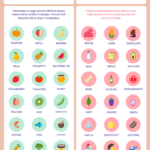
Cook all meats thoroughly to kill bacteria. Use fresh vegetables that are easy to digest. Eggs are a good source of protein and vitamins. Plain yogurt helps with digestion and adds calcium. Small amounts of fruits like blueberries can be a treat. Always wash fruits and vegetables before cooking.
Foods To Avoid
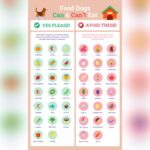
Never feed your dog onions or garlic. Chocolate and caffeine are toxic and must be avoided. Grapes and raisins can cause kidney problems. Avoid salty, sugary, or fatty human foods. Raw dough and bones can be dangerous. Xylitol, found in gum and candy, is deadly for dogs.
Consulting With A Veterinarian
Talk to a vet before starting homemade meals. Vets can suggest balanced diets for your dog. They may recommend supplements for missing nutrients. Regular check-ups help track your dog’s health. Adjust meals based on your dog’s age and activity. A vet’s advice keeps your dog safe and healthy.
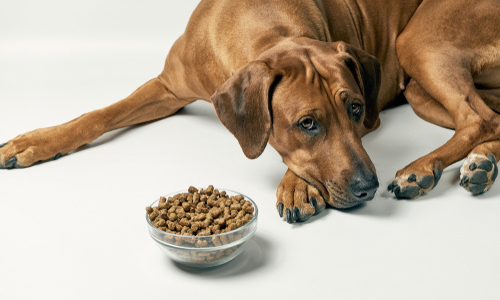
Credit: monticelloveterinary.com
Managing Food Allergies
Managing food allergies in dogs requires careful attention and patience. Allergies can cause discomfort and health problems for your pet. Understanding how to identify and handle these allergies helps keep your dog healthy and happy.
Identifying Allergy Symptoms
Watch for signs like itching, redness, or swelling of the skin. Dogs may also lick or chew their paws a lot. Digestive issues such as vomiting or diarrhea can signal allergies. Keep a record of your dog’s symptoms and share it with your vet.
Elimination Diet Trials
Elimination diets help find the ingredient causing the allergy. Feed your dog a simple diet with limited ingredients. Slowly add new foods back in to see if symptoms return. This process takes weeks but gives clear results.
Hypoallergenic Dog Foods
Hypoallergenic foods contain proteins and ingredients less likely to cause allergies. These foods avoid common allergens like beef, chicken, or grains. Choose formulas made for sensitive dogs. Always check labels for hidden allergens.
Supplements To Support Skin And Coat
Supplements like omega-3 fatty acids improve skin health. They reduce itching and inflammation caused by allergies. Vitamins E and zinc also support a healthy coat. Talk to your vet before adding supplements to your dog’s diet.
Preventing Overfeeding And Obesity
Preventing overfeeding and obesity in dogs is vital for their health and happiness. Excess weight can cause many health problems. It can reduce a dog’s life quality and length. Careful feeding and activity help keep dogs fit. Small changes make a big difference in their well-being.
Portion Control Strategies
Measure your dog’s food with a cup or scale. Follow the feeding guidelines on the dog food package. Adjust portions based on your dog’s age, size, and activity level. Avoid free-feeding. Leaving food out all day leads to overeating. Use a bowl that helps slow down fast eaters.
Healthy Treat Alternatives
Choose low-calorie treats like baby carrots or apple slices. Avoid giving too many treats during training. Treats should not be more than 10% of daily calories. Look for treats made with natural ingredients. Homemade treats let you control what your dog eats.
Regular Feeding Schedules
Feed your dog at the same times every day. Two meals a day work for most adult dogs. Puppies may need three to four meals daily. Consistent schedules help regulate digestion and hunger. Avoid feeding right before or after exercise. This prevents stomach issues and discomfort.
Exercise And Activity Tips
Daily walks keep your dog active and healthy. Play fetch or tug-of-war to add fun exercise. Tailor activities to your dog’s breed and energy level. Regular activity helps burn calories and builds muscle. Keep exercise safe by watching for signs of tiredness.
Addressing Digestive Problems
Digestive problems are common in dogs and can cause discomfort. Addressing these issues early helps keep your dog healthy and happy. Understanding the causes and solutions improves your pet’s quality of life.
Digestive troubles often show as vomiting, diarrhea, or gas. These signs mean your dog’s tummy is upset. Proper care and diet changes can relieve many problems.
Probiotics And Digestive Health
Probiotics are good bacteria that support digestion. They help balance your dog’s gut flora. Adding probiotics to food may reduce diarrhea and improve stool quality. Some dog foods already include probiotics for daily use. Supplements are also available and safe for most dogs.
Avoiding Common Triggers
Certain foods and ingredients can cause digestive upset. Avoid giving your dog fatty, spicy, or dairy-rich foods. Some dogs react to grains or artificial additives. Watch for signs after introducing new foods. Keeping a food diary helps identify problem ingredients.
When To Seek Veterinary Help
Persistent vomiting or diarrhea needs a vet’s attention. Blood in stool or severe lethargy are warning signs. Rapid weight loss or refusal to eat requires urgent care. Early treatment can prevent serious health issues. Always contact your vet if symptoms last more than two days.
Hydration Importance
Water is essential for proper digestion and overall health. Dehydration worsens digestive problems quickly. Always provide fresh, clean water for your dog. Encourage drinking by offering water frequently, especially after meals. In cases of diarrhea or vomiting, hydration is critical to recovery.
Ensuring Quality And Safety
Ensuring the quality and safety of dog food is vital for your pet’s health. Poor-quality food can cause illness or allergies. Safe food protects your dog from harmful bacteria and toxins. Knowing how to choose and handle dog food keeps your furry friend happy and healthy.
Trusted Brands And Certifications
Choose dog food from trusted brands. These companies test their products thoroughly. Look for certifications from organizations like the Association of American Feed Control Officials (AAFCO). Certifications prove the food meets safety and nutrition standards. Avoid brands with frequent complaints or unclear ingredient lists.
Proper Storage Of Dog Food
Store dog food in a cool, dry place. Keep it sealed to prevent air and moisture exposure. Use airtight containers to protect from pests and spoilage. Check expiration dates and do not feed expired food. Proper storage preserves nutrients and prevents contamination.
Recognizing Recalls And Alerts
Stay informed about dog food recalls. Recalls happen when food is unsafe or contaminated. Sign up for alerts from pet safety websites. Quickly remove recalled products from your home. Acting fast protects your dog from health risks.
Homemade Vs. Commercial Safety
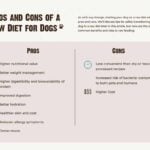
Homemade dog food can be healthy but needs careful preparation. Consult a vet to ensure balanced nutrition. Commercial dog food undergoes strict safety checks. It offers convenience and consistent quality. Both options require attention to ingredients and hygiene to keep dogs safe.
Credit: nilds.gov.ng

Credit: www.ensightsolutions.us
Frequently Asked Questions
What Are Common Dog Food Issues To Watch For?
Common dog food issues include allergies, ingredient intolerance, and poor nutrition. Some dogs may react to grains or specific proteins. Always monitor your dog’s health and consult a vet if symptoms like itching or digestive upset occur.
How To Identify If Dog Food Causes Allergies?
Signs of dog food allergies include itching, redness, ear infections, and digestive problems. Observe your dog for these symptoms after feeding new food. An elimination diet or vet testing can help confirm the allergy source.
Can Poor Dog Food Affect My Dog’s Health?
Yes, poor-quality dog food can cause nutrient deficiencies, obesity, or digestive issues. Balanced nutrition is essential for your dog’s overall health and energy. Always choose high-quality, vet-approved food for optimal well-being.
How To Choose The Right Dog Food For My Pet?
Select dog food based on your dog’s age, size, and health needs. Look for high-quality ingredients and avoid fillers. Consult your veterinarian for personalized recommendations to ensure balanced nutrition and prevent food-related issues.
Conclusion
Choosing the right dog food matters a lot for your pet’s health. Watch for signs of allergies or stomach problems. Check ingredients carefully and avoid harmful additives. Regular vet visits help catch food issues early. Your dog’s diet affects energy, mood, and well-being.
Feeding with care shows your love and keeps them happy. Small changes can make a big difference. Stay informed and patient to find the best food for your dog. Taking these steps helps your pet live a long, healthy life.