Last Updated on August 25, 2026
Are you wondering what you can add to your dog’s food to make mealtime more exciting and nutritious? You want to give your furry friend the best, but it’s tricky to know what’s safe and healthy.
Adding the right ingredients can boost your dog’s health, improve their coat, and even help with digestion. But adding the wrong things could cause problems. Keep reading to discover simple, tasty options you can mix into your dog’s meals—options that will keep your pup happy and thriving every day.
Safe Fruits For Dogs
Adding fruit to your dog’s food can be a healthy treat. Fruits provide vitamins, minerals, and fiber. Many dogs enjoy sweet and juicy bites. Always choose fruits that are safe and easy to digest for your pet.
Apples And Blueberries
Apples are a crunchy treat packed with fiber and vitamin C. Remove the seeds and core before feeding. Blueberries are small, antioxidant-rich fruits dogs love to nibble. Both fruits support your dog’s immune system and overall health.
Bananas And Watermelon
Bananas offer potassium and vitamins B6 and C. They are soft and easy to eat in small pieces. Watermelon is hydrating and low in calories. Remove seeds and rind to avoid choking or stomach upset.
Avoiding Toxic Fruits
Not all fruits are safe for dogs. Grapes and raisins can cause kidney failure. Cherries contain cyanide in the pits. Avoid citrus fruits like lemons and limes, which may upset your dog’s stomach. Always check before offering new fruits to your dog.

Credit: www.nbalancevet.com
Healthy Vegetables To Add
Adding healthy vegetables to your dog’s food can boost their nutrition. Vegetables provide vitamins, fiber, and minerals. They also support digestion and overall health. Choose dog-safe veggies that your pet will enjoy.
Carrots And Green Beans
Carrots are crunchy and full of vitamin A. They help keep your dog’s eyes and skin healthy. Green beans are low in calories and rich in fiber. Both vegetables make great snacks or meal additions. Cut them into small pieces for easy chewing.
Sweet Potatoes And Pumpkin
Sweet potatoes provide energy and important nutrients like vitamin C. They also support your dog’s immune system. Pumpkin is excellent for digestion and can soothe an upset stomach. Use plain, cooked pumpkin or sweet potatoes without added sugar or spices.
Raw Vs Cooked Veggies
Raw vegetables keep more nutrients but can be harder to digest. Cooking softens veggies and makes them easier on your dog’s stomach. Light steaming is a good method. Avoid adding salt, oils, or seasonings. Always introduce new vegetables slowly to avoid stomach upset.
Protein Boosters
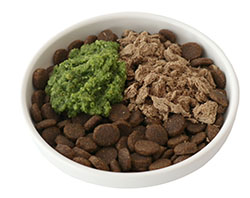
Protein is important for your dog’s health and energy. It helps build strong muscles and supports their immune system. Adding protein boosters to their meals can improve their diet and keep them active. Here are some safe and tasty protein options to try.
Cooked Eggs And Chicken
Cooked eggs provide a rich source of protein and essential amino acids. Boil or scramble eggs without oil or seasoning. Chicken is a lean meat that dogs enjoy. Cook chicken thoroughly and remove all bones before serving. Both eggs and chicken support muscle growth and repair.
Cottage Cheese And Yogurt
Cottage cheese is soft and easy to digest. It contains high-quality protein and calcium. Plain yogurt offers probiotics that help digestion. Choose unsweetened, plain yogurt to avoid added sugars. These dairy options add protein and can improve gut health.
Fish And Lean Meats
Fish like salmon and sardines are rich in protein and omega-3 fatty acids. Cook fish well and remove bones. Lean meats such as turkey and beef are also great protein sources. Avoid fatty cuts and seasonings. These options help maintain healthy skin and a shiny coat.
Grains And Seeds
Grains and seeds can be a healthy addition to your dog’s diet. They provide essential nutrients like fiber, vitamins, and minerals. These ingredients support digestion and help maintain energy levels. Many dogs enjoy the texture and taste of grains and seeds mixed into their food.
Oats And Brown Rice
Oats are gentle on a dog’s stomach and easy to digest. They contain fiber that helps with regular bowel movements. Brown rice is a good source of carbohydrates and energy. It is also rich in vitamins B and E. Both oats and brown rice can be cooked and added in small amounts to your dog’s meal.
Chia And Flaxseeds
Chia seeds are packed with omega-3 fatty acids, which promote healthy skin and coat. Flaxseeds also have omega-3s and fiber. These seeds support digestion and reduce inflammation. Grind them before adding to your dog’s food for better absorption. A small sprinkle is enough to gain benefits.
Portion Control Tips
Start with a small amount of grains or seeds to see how your dog reacts. Too much can cause stomach upset or weight gain. A teaspoon for small dogs and a tablespoon for larger dogs works well. Mix grains and seeds into your dog’s regular food. Watch your dog’s behavior and stool quality closely.
Herbs And Supplements
Herbs and supplements can improve your dog’s meals in many ways. They add nutrients, support health, and may help with common problems. Always check with your vet before introducing new items to your dog’s diet.
Some herbs and supplements are safe and provide benefits. Others might not be good for dogs. Choose carefully and watch your dog for any changes.
Parsley And Turmeric
Parsley helps freshen your dog’s breath. It also contains vitamins like A and C. Use small amounts to avoid stomach upset.
Turmeric has natural anti-inflammatory properties. It can reduce joint pain and improve skin health. Give turmeric with a little oil for better absorption.
Fish Oil Benefits
Fish oil is rich in omega-3 fatty acids. These fats support heart health and reduce inflammation. They also improve coat shine and skin condition.
Use fish oil supplements made for dogs. Too much can cause stomach upset or bleeding. Follow the dosage instructions carefully.
Probiotics For Digestion
Probiotics add good bacteria to your dog’s gut. This helps digestion and boosts the immune system. They can help with diarrhea and gas.
Choose probiotic supplements designed for dogs. Start with a small dose to see how your dog reacts. Probiotics work best with a healthy diet.
Credit: www.allthebestpetcare.com
Foods To Avoid
Choosing the right foods to add to your dog’s meals is important for their health. Some foods can cause serious harm. Knowing what to avoid keeps your dog safe and happy. Here are key foods you must never feed your dog.
Toxic Human Foods
Chocolate contains substances dogs cannot digest. It can cause vomiting and seizures. Grapes and raisins may lead to kidney failure. Onions and garlic damage red blood cells. Alcohol, caffeine, and xylitol are also dangerous. Even small amounts can be deadly.
Allergy Triggers
Some dogs are allergic to common foods. Wheat, corn, and soy can cause itching and digestive upset. Dairy products may cause diarrhea or gas. Eggs sometimes trigger skin problems. Watch your dog for any signs of allergy after trying new foods.
Unsafe Toppings
Fatty and salty toppings can upset your dog’s stomach. Avoid butter, bacon, and rich sauces. Bones from cooked meat can splinter and cause choking. Raw dough made with yeast can expand and block the stomach. Stick to safe, dog-friendly toppings instead.
Tips For Introducing New Toppings
Introducing new toppings to your dog’s food can be exciting and beneficial. It can make meals more enjoyable and add extra nutrients. Start carefully to ensure your dog’s health and taste preferences stay balanced. Follow these simple tips to make the process safe and smooth.
Start Small And Monitor
Begin with a tiny amount of the new topping. Watch your dog closely for any reactions like upset stomach or allergies. Gradually increase the amount over several days if your dog tolerates it well. This slow approach helps avoid digestive issues and food refusal.
Balancing Nutritional Needs
Choose toppings that complement your dog’s regular diet. Avoid too many fats or salts. Fresh vegetables, lean meats, or plain yogurt can add nutrients without extra calories. Keep the overall diet balanced to support your dog’s health and energy levels.
Consulting Your Veterinarian
Talk to your vet before adding new foods, especially if your dog has health problems. Your vet can suggest safe options and proper amounts. Professional advice ensures your dog’s diet stays healthy and avoids harmful ingredients.

Credit: www.farmerpetes.com.au
Frequently Asked Questions
What Human Foods Can I Safely Add To My Dog’s Food?
You can add cooked carrots, green beans, and plain pumpkin to your dog’s food. Avoid toxic foods like onions and grapes. Always introduce new foods slowly and in small amounts to prevent stomach upset.
Can I Add Supplements To My Dog’s Regular Meals?
Yes, supplements like fish oil, probiotics, and glucosamine can benefit dogs. Consult your vet before adding supplements to ensure they suit your dog’s health needs and avoid overdosing.
Are There Healthy Treats To Mix With Dog Food?
Healthy treats like small pieces of cooked chicken, plain rice, or blueberries can be mixed with dog food. These add flavor and nutrients but should be given in moderation to maintain balanced nutrition.
How Do I Add Vegetables To My Dog’s Diet Safely?
Introduce vegetables like steamed broccoli or sweet potatoes gradually. Chop them finely or mash for easy digestion. Avoid seasoning and always monitor your dog for any adverse reactions.
Conclusion
Adding healthy ingredients can improve your dog’s meals and health. Choose natural foods like vegetables, fruits, and safe supplements. Always introduce new items slowly and watch for any reactions. Consult your vet before making big changes to your dog’s diet.
Small additions can make mealtime more enjoyable and nutritious. Remember, balance is key for your dog’s happiness and well-being. Keep it simple and safe for the best results.