
Last Updated on July 7, 2026
If your dog is dealing with an upset stomach and vomiting, you’re probably worried and wondering how to help right away. You want to ease your furry friend’s discomfort but might be unsure what’s safe to give or do.
Don’t worry—this article will guide you step-by-step on what to offer your dog to soothe their stomach and stop the vomiting. By the end, you’ll feel confident in caring for your pet and knowing when to seek professional help. Keep reading to learn exactly how to support your dog through this tough time.
Common Causes Of Upset Stomach In Dogs
Dogs often suffer from upset stomachs for several reasons. Understanding these causes helps in giving the right care. It also guides what to feed a dog with vomiting and upset stomach.
Common causes include eating something bad, infections, allergies, and exposure to toxins. Each cause needs a different approach to treatment and diet.
Dietary Indiscretion
Dogs love to explore with their mouths. They may eat spoiled food or garbage. This can upset their stomach and cause vomiting. Sudden diet changes can also trigger stomach issues.
Infections And Parasites
Bacteria, viruses, and worms can infect a dog’s gut. These infections often cause vomiting and diarrhea. Parasites like roundworms or giardia disrupt digestion and cause discomfort.
Food Allergies
Some dogs react badly to certain foods. Allergies can cause stomach pain and vomiting. Common triggers include beef, dairy, and wheat. Identifying allergies helps prevent future upset stomachs.
Toxins And Poisoning
Dogs may ingest harmful chemicals or plants. These toxins irritate the stomach and cause vomiting. Household cleaners, certain plants, and human medicines are common dangers.

Credit: franciscomonaco.com
Signs Of Upset Stomach And Vomiting
Recognizing the signs of an upset stomach and vomiting in dogs helps owners respond quickly. Early detection can prevent serious problems. Dogs cannot tell us when they feel sick, so watching their behavior is key.
Vomiting often signals that something is wrong inside the dog’s body. It may be caused by eating something bad, infections, or other health issues. Understanding the signs helps you decide the best care steps.
Behavioral Changes
Your dog may act differently when upset. They might seem tired and less active. Some dogs hide or stay in one spot more than usual. Loss of appetite is common and an early sign of sickness.
Restlessness or pacing could also indicate discomfort. Your dog may lick their lips or swallow often. Pay attention to any unusual whining or signs of pain.
Physical Symptoms
Vomiting is the most obvious symptom. Watch for repeated retching or dry heaving. Stomach noises or bloating may occur before vomiting. Diarrhea often happens alongside an upset stomach.
Other signs include drooling, pale gums, or a fever. Your dog might shake or shiver. These symptoms show the problem could be more serious.
When To Seek Veterinary Care
Seek help if vomiting lasts more than 24 hours. If your dog shows blood in vomit or stool, act fast. Continuous vomiting, weakness, or dehydration need urgent care.
Also call the vet if your dog stops drinking water. Sudden belly swelling or severe pain requires immediate attention. Don’t wait if you feel unsure about your dog’s health.
Safe Foods For Dogs With Upset Stomach
Dogs with upset stomachs need gentle and safe foods. These foods help calm their tummy and reduce vomiting. Feeding the right food supports their recovery and comfort.
Choose simple, easy-to-digest options that provide nutrients without upsetting the stomach further. Avoid spicy, fatty, or rich foods during this time.
Plain Cooked Rice
Plain cooked rice is gentle on a dog’s stomach. It soothes the digestive tract and helps firm up loose stools. Use white rice, fully cooked and soft. Avoid adding salt, butter, or spices.
Boiled Chicken
Boiled chicken is a good source of lean protein. It is easy to digest and does not irritate the stomach. Remove the skin and bones before feeding. Offer small, plain pieces to your dog.
Pumpkin And Sweet Potato
Pumpkin and sweet potato provide fiber and nutrients. They help regulate digestion and ease upset stomach symptoms. Use plain, cooked pumpkin or sweet potato without any seasoning.
Hydration With Broth
Hydration is important when dogs vomit. Warm, low-sodium broth keeps your dog hydrated and encourages drinking. Avoid broths with onions, garlic, or spices. Serve it lukewarm in small amounts.
Home Remedies To Calm Vomiting
Vomiting in dogs can be worrying. Many pet owners want to help their dogs feel better fast. Home remedies can calm your dog’s upset stomach. They support digestion and reduce nausea naturally. These methods are safe and easy to try at home.
Fasting Periods
Give your dog a break from food for 12 to 24 hours. This pause lets the stomach rest and heal. Water should still be available to keep your dog hydrated. Avoid long fasting; short breaks work best to calm vomiting.
Small Frequent Meals
After fasting, feed small amounts of bland food. Try boiled chicken and rice in tiny portions. Serve meals more often, about every three to four hours. This approach eases digestion and prevents the stomach from filling too fast.
Ginger And Peppermint Use
Ginger and peppermint can soothe your dog’s stomach. Ginger helps reduce nausea and vomiting. Peppermint relaxes the digestive tract muscles. Use these in small, dog-safe amounts. Consult your vet for exact doses and forms.
Probiotics For Digestion
Probiotics help balance your dog’s gut bacteria. They improve digestion and reduce stomach upset. Look for probiotics made specifically for dogs. Add them to your dog’s food to support recovery from vomiting.
Over-the-counter Remedies And Supplements
Over-the-counter remedies and supplements can help soothe a dog’s upset stomach. They offer quick relief and support digestion. These options are easy to find and use at home. Always check the label and dosage before giving any medicine to your dog.
Antacids And Anti-nausea Options
Antacids reduce stomach acid and ease discomfort. They help calm the stomach lining. Common choices include famotidine and omeprazole. Anti-nausea medications like meclizine can reduce vomiting. These should be used under vet guidance. They work well for mild stomach upset.
Electrolyte Solutions
Electrolyte solutions replace lost fluids and minerals. Vomiting can cause dehydration quickly. These solutions keep your dog hydrated and balanced. Pedialyte is a safe option for dogs. Offer small amounts frequently. This helps prevent further stomach irritation.
Natural Supplements
Natural supplements support digestion and reduce nausea. Ginger is a popular choice for calming the stomach. Probiotics improve gut health and digestion. Pumpkin puree can help with diarrhea and constipation. These supplements are gentle and safe. Use them alongside vet advice for best results.
Foods And Substances To Avoid
Choosing the right foods for a dog with an upset stomach is important. Some foods and substances can make vomiting worse. Avoiding these items helps your dog recover faster. Below are key foods and substances to keep away from your dog during upset stomach episodes.
Dairy And Fatty Foods
Dairy products can cause more stomach problems. Many dogs cannot digest lactose well. Milk, cheese, and cream may lead to diarrhea or vomiting. Fatty foods are hard to digest and strain the stomach. Avoid fried foods, greasy meats, and fatty snacks. These items worsen nausea and delay healing.
Human Medications
Never give your dog human medicines without a vet’s advice. Pain relievers, cold medicines, and anti-inflammatories can be toxic. Some drugs cause stomach irritation or damage organs. Using the wrong medication may increase vomiting. Always consult a veterinarian before giving any medicine.
Toxic Plants And Foods
Some plants and foods are poisonous to dogs. Chocolate, grapes, onions, and garlic are common toxins. Certain houseplants can cause severe illness too. These substances can cause vomiting, diarrhea, or worse. Keep harmful plants and foods out of your dog’s reach.
Preventing Future Upset Stomachs
Preventing future upset stomachs in dogs helps keep them healthy and happy. Taking simple steps can reduce vomiting and discomfort. Focus on diet, health checks, and treat choices to protect your pet’s tummy.
Diet Management
Feed your dog a balanced diet made for their age and size. Avoid sudden food changes. Introduce new foods slowly over several days. Stick to high-quality dog food with easy-to-digest ingredients. Keep human food and scraps to a minimum. Some foods can upset your dog’s stomach quickly.
Regular Vet Checkups
Visit the vet regularly to catch health problems early. Routine checks help find allergies or infections causing vomiting. Your vet can suggest the best diet and care. Keep vaccinations and parasite control up to date. Healthy dogs usually have fewer stomach issues.
Safe Treat Practices
Choose treats made for dogs and avoid giving too many. Treats should be small and easy to digest. Avoid fatty or spicy snacks that can cause upset stomachs. Offer treats after meals to reduce nausea. Always watch your dog’s reaction to new treats.
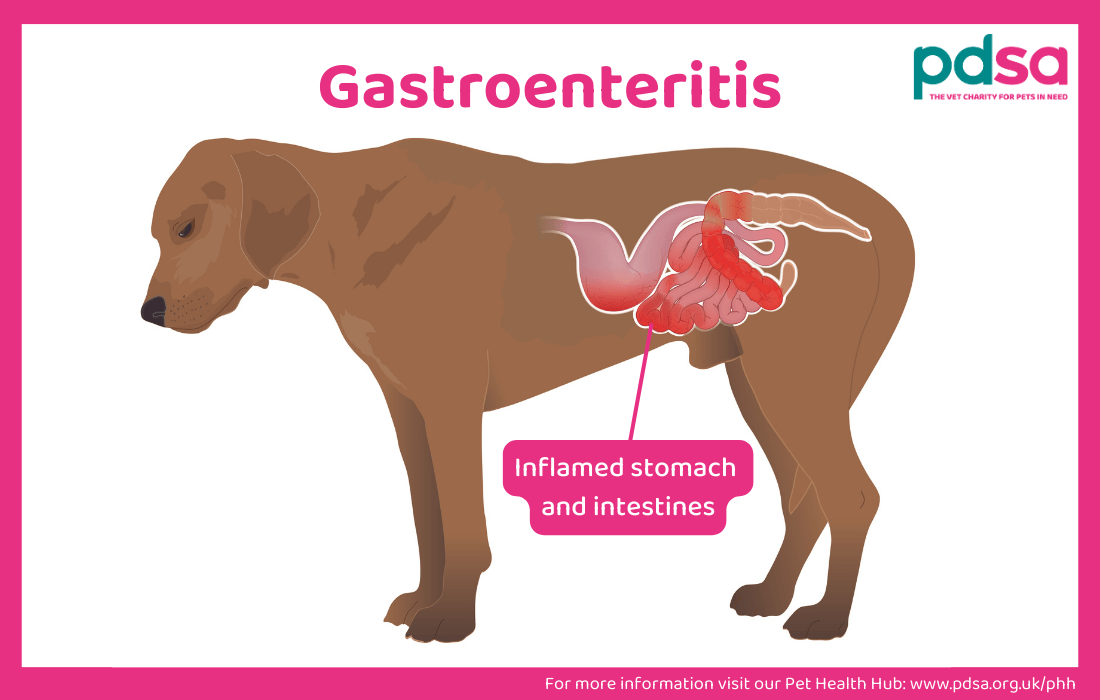
Credit: www.pdsa.org.uk
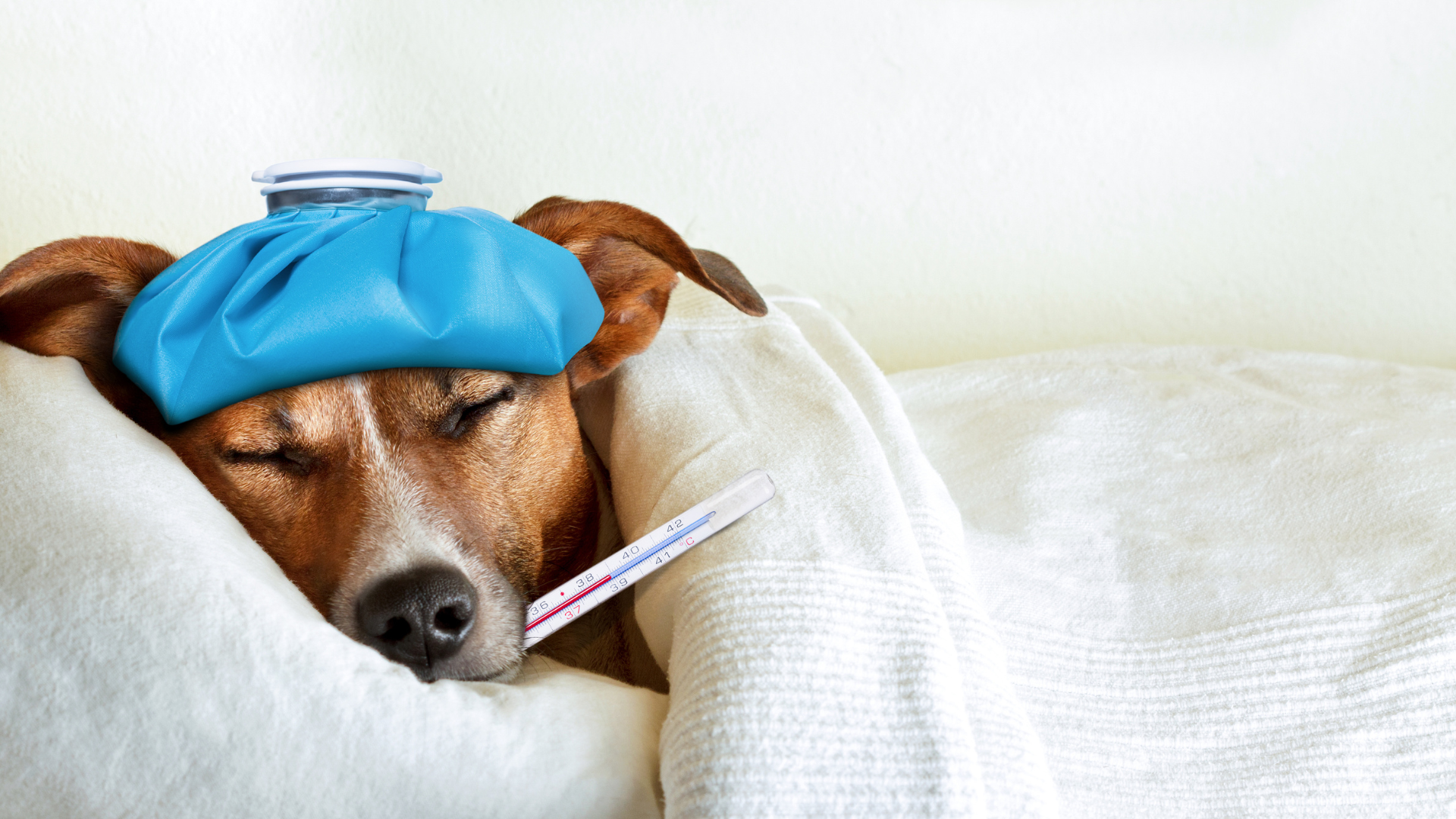
Credit: www.pinegroveveterinaryhospital.ca
Frequently Asked Questions
What Foods Help A Dog With An Upset Stomach?
Boiled chicken and plain white rice are gentle on a dog’s stomach. These foods provide easy digestion and essential nutrients during recovery.
Can I Give My Dog Water After Vomiting?
Yes, offer small amounts of water frequently. This prevents dehydration without upsetting the stomach further.
When Should I See A Vet For Dog Vomiting?
If vomiting persists for more than 24 hours or includes blood, seek veterinary care immediately. Persistent vomiting can signal serious issues.
Are Probiotics Safe For Dogs With Upset Stomachs?
Yes, probiotics can help restore healthy gut bacteria. Consult your vet for the right type and dosage for your dog.
Conclusion
Giving your dog the right food helps soothe their upset stomach. Start with small amounts of bland food like boiled chicken and rice. Keep fresh water nearby to prevent dehydration. Avoid fatty or spicy treats during recovery. Watch your dog closely for any changes in behavior.
Seek a vet’s help if vomiting continues or worsens. Patience and care make a big difference in healing. Your dog will feel better with gentle attention and proper feeding. Simple steps can bring comfort and support quick recovery.