
Last Updated on September 2, 2026
If you’re a cat owner, you’ve probably wondered whether your furry friend can safely nibble on some celery. You might have even seen your cat eyeing that crunchy stalk on your plate and asked yourself, “Is this okay for them?” It’s natural to want to share healthy snacks with your pet, but not everything that’s good for you is good for your cat.
Before you offer celery to your kitty, you need to know if it’s safe and what benefits or risks it might bring. Keep reading to discover the truth about cats and celery—your cat’s health could depend on it!
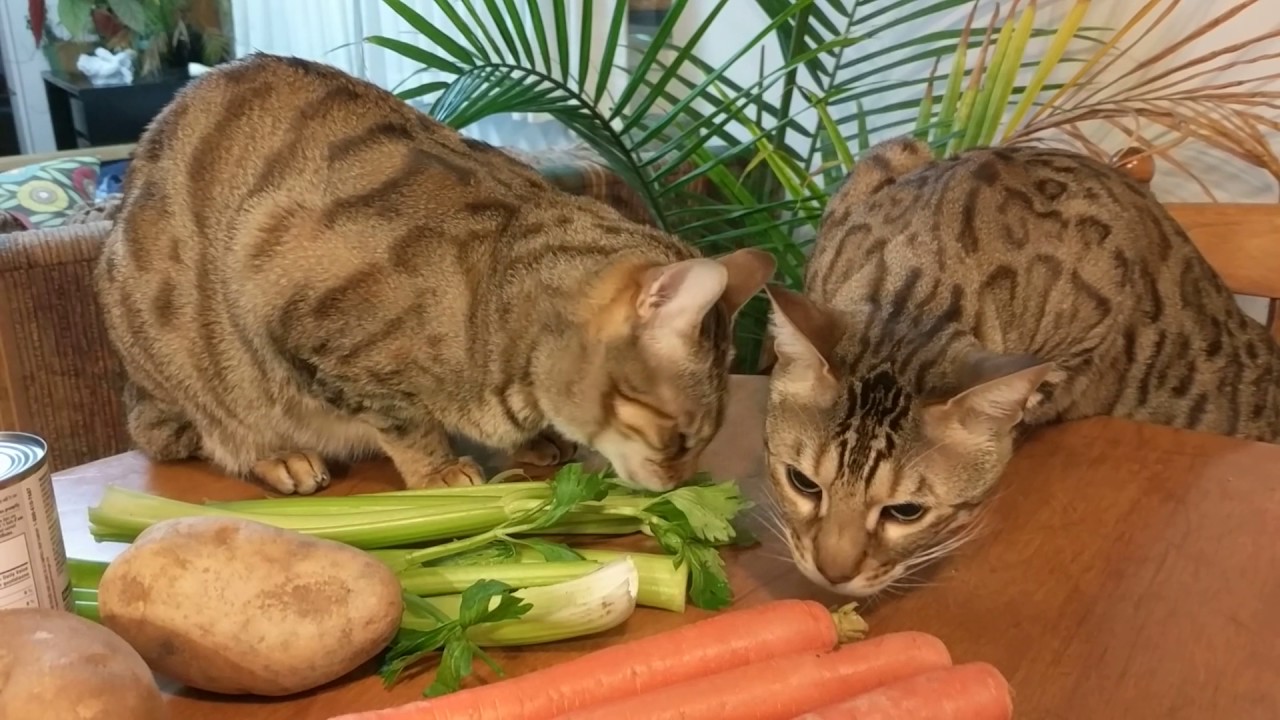
Credit: blogs.columbian.com
Cats And Celery: Is It Safe?
Cats are curious creatures. They often explore new smells and tastes. Celery is a common vegetable in many homes. But is it safe for cats to eat? Understanding celery’s effects on cats helps keep them healthy. This section will look at celery’s nutrition and possible risks for cats.
Celery’s Nutritional Profile
Celery is low in calories and high in water. It contains vitamins A, C, and K. These vitamins support good vision and strong bones. Celery also has fiber, which helps digestion. It has small amounts of potassium and folate. These nutrients are good for general health. However, cats need meat-based nutrients mostly. Celery’s plant nutrients are not essential for cats.
Potential Risks For Cats
Celery can cause choking if not cut small. The stringy texture may be hard to chew. Some cats may have stomach upset or diarrhea. Celery contains certain natural compounds that may irritate sensitive stomachs. Cats with allergies could react to celery. Too much celery can cause an imbalance in their diet. It should never replace cat food. Always offer celery only as a rare treat.
Health Benefits Of Celery For Cats
Celery can offer some health benefits for cats when given in small amounts. It is low in calories and contains nutrients that support a cat’s well-being. Knowing these benefits helps pet owners make better choices about treats and snacks.
Hydration And Fiber
Celery is mostly water, which helps keep cats hydrated. Proper hydration supports healthy kidneys and digestion. The fiber in celery aids in smooth digestion and prevents constipation. Fiber also helps maintain a healthy weight by making cats feel full without extra calories.
Vitamins And Antioxidants
Celery contains vitamins A, C, and K, which support a cat’s immune system. These vitamins help keep skin and coat healthy. Antioxidants in celery protect cells from damage and support overall health. Small amounts of celery can be a natural boost for your cat’s diet.
Possible Side Effects Of Celery
Celery is a crunchy vegetable that some cat owners consider sharing. While celery has vitamins and fiber, it is important to know about its possible side effects. Cats have sensitive stomachs and bodies. What is safe for humans may not always be safe for them. Watch for signs of discomfort or illness after your cat tries celery.
Digestive Issues
Celery contains a lot of fiber. Too much fiber can upset a cat’s stomach. Cats may experience vomiting or diarrhea after eating celery. The tough strings in celery can be hard to chew and digest. This might cause choking or irritation in the throat. Always give celery in small, soft pieces to avoid these problems.
Allergic Reactions
Some cats can have allergic reactions to celery. Allergies might show as itching, swelling, or redness on the skin. Cats may also sneeze or have watery eyes after eating celery. In rare cases, celery can cause difficulty breathing. Stop feeding celery if your cat shows any allergic signs. Consult a vet for proper advice if needed.
Credit: www.catster.com
How To Feed Celery To Your Cat
Feeding celery to your cat requires care and attention. Cats have different digestive systems than humans, so preparation matters. Properly preparing celery ensures it is safe and enjoyable for your cat. Small, controlled servings help prevent any stomach issues. Follow simple steps to introduce celery as a healthy snack.
Safe Preparation Tips
Wash celery thoroughly to remove dirt and pesticides. Cut celery into small, bite-sized pieces to avoid choking hazards. Remove tough strings from the celery stalks; they can be hard to chew. Serve celery raw or lightly steamed without any seasoning. Never add salt, spices, or sauces to celery for your cat.
Appropriate Serving Sizes
Offer only a small piece of celery at first to test tolerance. A tiny cube or thin slice works well as a treat. Limit celery treats to no more than 10% of your cat’s daily diet. Avoid giving large amounts to prevent digestive upset. Watch your cat’s reaction and stop if there is any discomfort.
Alternatives To Celery For Cats
Celery is not the best choice for cats. Some cats may not like its texture or taste. Others might have trouble digesting it. Finding safer and tastier options helps keep your cat happy and healthy.
Many vegetables and treats offer nutrients without risks. These alternatives suit cats’ delicate digestive systems better. They can provide vitamins and fiber in small amounts. Always introduce new foods slowly and watch for reactions.
Cat-friendly Vegetables
Cooked carrots are soft and easy to eat. They offer vitamins and are gentle on the stomach. Green beans are another option. They are low in calories and provide fiber. Peas contain vitamins and minerals cats need. Serve these vegetables in small, cooked pieces. Avoid seasoning, oils, or spices.
Healthy Treat Options
Plain cooked chicken is a favorite for many cats. It offers protein without added fats or spices. Small pieces of cooked fish can also work well. Commercial cat treats are designed for feline nutrition. Choose treats with natural ingredients and few additives. Treats should be given in moderation to prevent weight gain.
When To Avoid Celery
Celery might seem like a healthy snack for cats. Yet, there are times when celery is not a good choice. Knowing when to avoid celery helps keep your cat safe and healthy. Some cats may face risks from eating celery due to health or behavior. Understanding these risks protects your pet from harm.
Health Conditions
Cats with kidney problems should avoid celery. Celery contains compounds that may stress weak kidneys. Cats with allergies can react badly to celery. Watch for vomiting, itching, or swelling after celery bites. Digestive issues like upset stomach or diarrhea also mean no celery. Always check with a vet before giving celery to a sick cat.
Behavioral Concerns
Some cats may try to eat too much celery. This can cause choking or blockages in the throat. Cats that tend to eat non-food items should not get celery. Celery’s fibrous texture might irritate sensitive mouths or teeth. Offer celery only in small, safe pieces to avoid risks. Keep an eye on your cat during celery treats to stop trouble early.
Credit: igrs.itu.edu.tr
Frequently Asked Questions
Can Cats Safely Eat Celery?
Yes, cats can safely eat celery in small amounts. It is non-toxic and can be a crunchy treat. Always wash celery thoroughly and cut it into small pieces to avoid choking hazards.
Is Celery Nutritious For Cats?
Celery contains vitamins A, C, and K, which can benefit cats in small amounts. However, cats are obligate carnivores and get most nutrients from meat, so celery should only be a supplement, not a staple.
How Much Celery Can Cats Eat?
Limit celery to a few small pieces occasionally. Too much celery can cause digestive upset or diarrhea in cats. Always introduce new foods gradually and monitor your cat’s reaction.
Can Celery Cause Allergies In Cats?
Celery allergies in cats are rare but possible. Watch for symptoms like itching, swelling, or vomiting after feeding celery. If you notice any signs, stop feeding celery and consult your vet.
Conclusion
Cats can eat small amounts of celery safely. It offers some vitamins and fiber but should not replace their regular food. Always wash celery well and cut it into tiny pieces. Watch your cat while eating to avoid choking. Avoid giving celery if your cat has allergies or stomach problems.
Treat celery as a rare snack, not a daily meal. Keep your pet’s main diet balanced and healthy. Consult a vet before adding new foods to your cat’s diet. Healthy pets make happy homes.