
Last Updated on September 2, 2026
Are you ever unsure about what your cat can safely eat? You want to give your furry friend tasty treats, but you also want to keep them healthy and happy.
Knowing exactly what cats can eat is more important than you might think—it can protect your pet from harm and improve their well-being. You’ll discover the foods that are safe for your cat, the ones you should avoid, and simple tips to keep your cat’s diet balanced.
Keep reading to make sure your cat’s meals are both delicious and safe!
Credit: www.inocolombia.com
Safe Proteins For Cats
Cats need protein to stay healthy and strong. Proteins give energy and help build muscles. Not all proteins are safe for cats. Some can cause problems or illness. Choose proteins that are easy to digest and full of nutrients. Safe proteins support your cat’s growth and overall health.
Proteins from animal sources work best for cats. They get essential amino acids only found in meat. Feeding the right proteins can keep your cat happy and active every day.
Cooked Meats
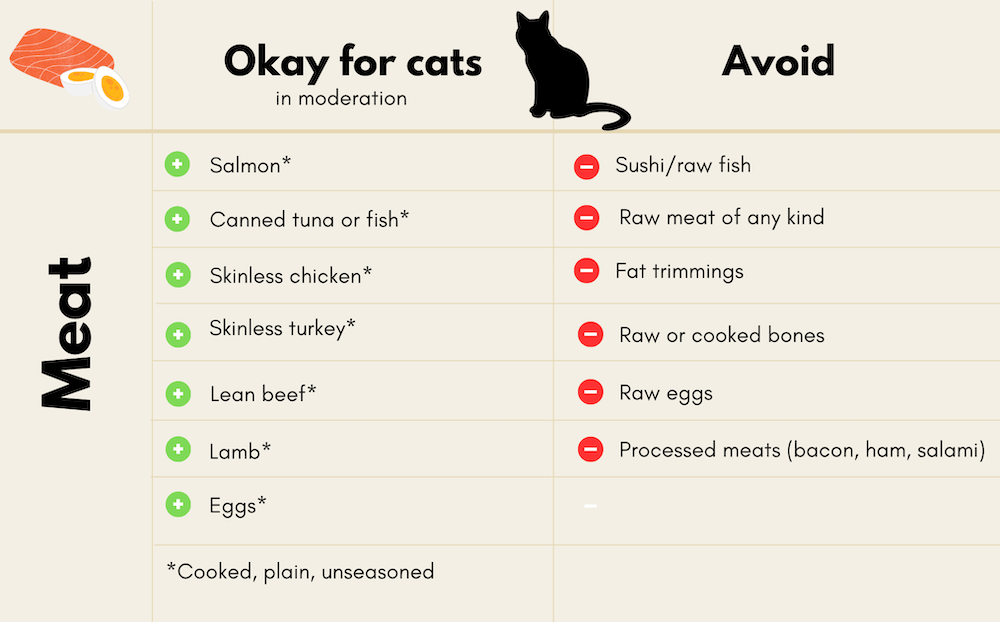
Cooked meats like chicken, turkey, and lean beef are good choices. Always cook the meat fully. Raw meat can have harmful bacteria. Remove bones and seasoning before feeding. Plain cooked meat is easy to digest and rich in protein. Avoid fatty or processed meats to protect your cat’s health.
Fish Options
Fish is a tasty protein for cats. Salmon and tuna are popular options. Serve fish cooked or canned without added salt. Raw fish can lead to vitamin B deficiency and parasites. Limit fish to treat portions to prevent mercury buildup. Fish provides omega-3 fatty acids, which help skin and coat.
Eggs As A Treat
Eggs are a simple protein treat. They are full of important nutrients and easy to prepare. Serve cooked eggs only. Raw eggs may cause biotin deficiency and bacteria risks. Scrambled or boiled eggs work well. Feed eggs in small amounts to avoid too many calories.
Credit: www.whisker.com
Fruits Cats Can Enjoy
Cats mostly eat meat, but some fruits can be healthy snacks. Fruits offer vitamins and water that help cats stay healthy. Not all fruits are safe, so choose carefully. Small amounts are best to avoid stomach upset.
Fruits can add a tasty twist to your cat’s diet. Introduce new fruits slowly and watch for any reaction. Always wash fruits and remove seeds or pits before offering them.
Popular Fruit Choices
Many cats enjoy fruits like blueberries and strawberries. Blueberries are full of antioxidants and easy to serve. Strawberries provide vitamin C and fiber in small bites. Apples are okay if peeled and sliced without seeds. Watermelon is safe and hydrating but remove seeds first. Cantaloupe offers vitamins A and C and is usually a hit.
These fruits are gentle on a cat’s stomach. They make nice treats alongside regular meals. Remember to give only small pieces to avoid choking risks.
Fruits To Avoid
Certain fruits can harm cats and should be avoided. Grapes and raisins may cause kidney problems. Citrus fruits like oranges, lemons, and limes can upset the stomach. Cherries contain toxins in pits and stems. Avocado has a substance that can be toxic to cats.
Always keep these fruits away from your cat. Even small amounts can cause health issues. If you suspect poisoning, contact a vet immediately.
Vegetables Cats May Like
Cats are mainly meat eaters, but some vegetables can be safe treats. Vegetables add fiber and nutrients to their diet. Not every veggie suits every cat. Some cats enjoy crunchy textures, while others prefer soft bites. Offering veggies can keep your cat curious and happy.
Cat-friendly Veggies
Carrots are a popular choice. They offer crunch and vitamins. Peas are small and sweet, easy to eat. Pumpkin helps with digestion and is gentle on the stomach. Green beans add fiber without many calories. Spinach can be given in small amounts, but avoid if your cat has kidney problems. Always choose fresh or cooked veggies without seasoning.
Preparing Veggies For Cats
Wash vegetables thoroughly to remove dirt and chemicals. Cook veggies by steaming or boiling until soft. Avoid adding salt, spices, or oils. Cut vegetables into small, manageable pieces. Serve at room temperature for best acceptance. Raw veggies may be harder to digest for some cats. Start with small amounts to see how your cat reacts.
Dairy And Alternatives
Dairy products often seem like a treat for cats. Many people believe cats love milk and cheese. But cats process dairy differently than humans. Some dairy foods can be safe, while others may cause problems. Understanding what dairy and alternatives cats can eat helps keep them healthy and happy.
Safe Dairy Options
Small amounts of certain dairy products are okay for cats. Plain yogurt without added sugar or flavors is one option. It contains probiotics that can support digestion. Hard cheeses like cheddar or Swiss, given in tiny pieces, are usually safe too. These cheeses have less lactose than soft cheese. Always offer dairy as an occasional treat, not a meal.
Lactose Intolerance In Cats
Many cats cannot digest lactose well. Lactose is the sugar found in milk and many dairy products. When cats lack the enzyme lactase, lactose stays in their gut. This can cause upset stomach, diarrhea, and gas. Symptoms might appear soon after eating dairy. Avoid giving dairy if your cat shows these signs. Lactose-free milk made for cats is a better choice for sensitive cats.
Surprising Human Foods Cats Love
Cats can be picky eaters, but some human foods catch their interest. These foods are not part of their usual diet, yet many cats enjoy their taste and texture. Finding safe snacks can add variety to their meals.
Offering these treats occasionally can make your cat happy. Keep in mind that not all human foods suit cats. Knowing which foods are safe is important for their health.
Uncommon Safe Snacks
Cooked plain chicken is a favorite among many cats. It is easy to digest and full of protein. Small pieces of cooked egg also work well as a snack. Eggs provide good nutrients and are gentle on their stomach.
Some cats enjoy a little bit of cheese. Choose low-lactose cheese like cheddar. Avoid giving too much to prevent stomach upset. Plain pumpkin is another safe option. It helps with digestion and adds fiber to their diet.
Cooked carrots and peas can be tasty treats too. Serve them soft and in small portions. These vegetables offer vitamins and minerals. Always introduce new foods slowly to watch for allergies.
Foods To Never Feed Cats
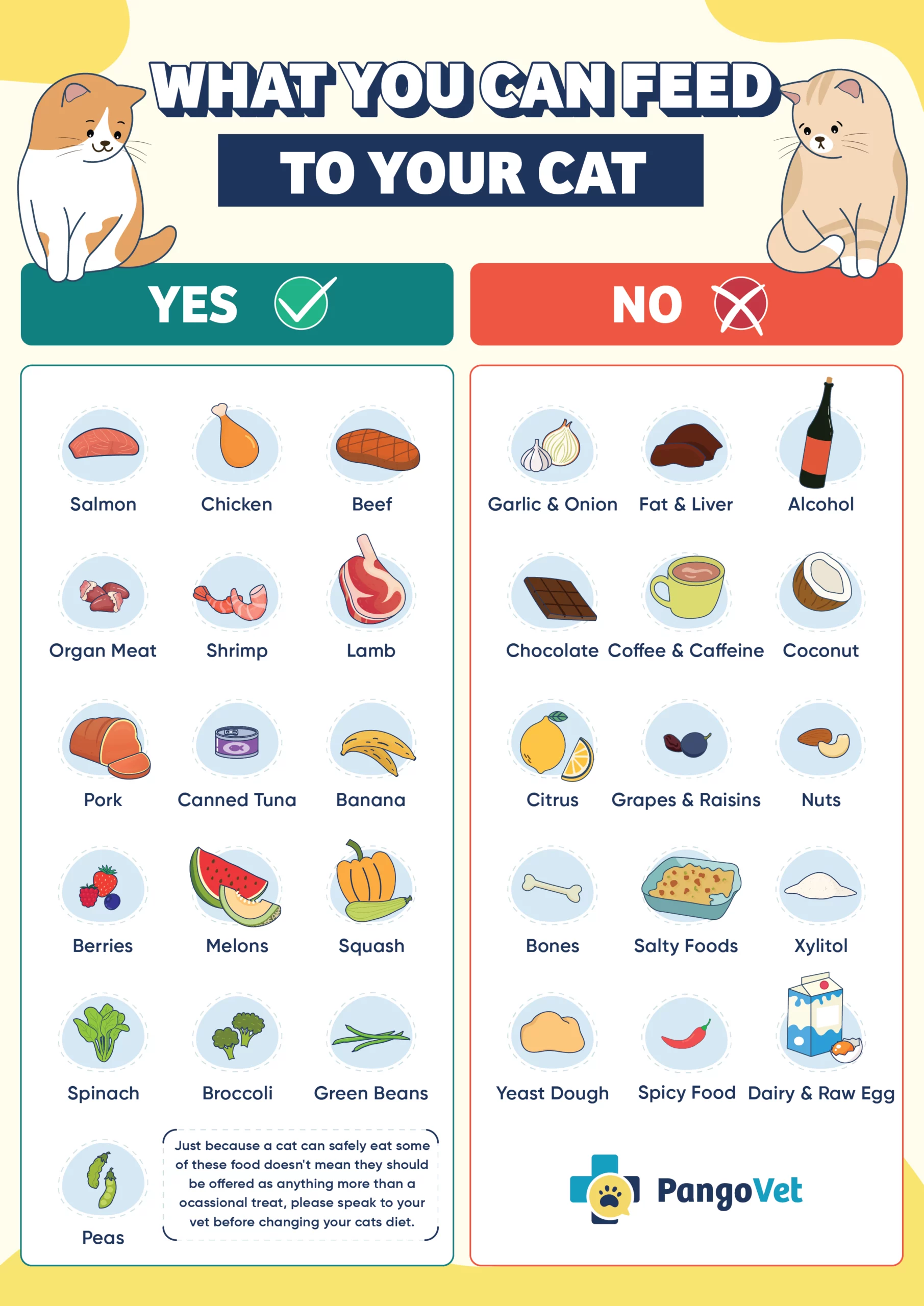
Chocolate is toxic to cats and must be avoided. It can cause vomiting, diarrhea, or worse. Onions and garlic are dangerous too. They damage a cat’s red blood cells and cause anemia.
Grapes and raisins may lead to kidney failure. Avoid giving these fruits under any circumstances. Alcohol and caffeine are harmful and can be fatal. Never share coffee, tea, or alcoholic drinks with cats.
Raw dough and bones also pose risks. Dough can expand in their stomach, causing pain. Bones can splinter and cause internal damage. Always choose cat-safe foods to keep your pet healthy.
Foods To Avoid For Safety
Cats have sensitive stomachs and unique dietary needs. Some common human foods can harm them. Knowing which foods to avoid keeps your cat safe and healthy.
Even small amounts of certain foods can cause serious health problems. Keep these foods out of your cat’s reach. Always check before sharing any treat with your pet.
Toxic Foods List
- Chocolate – contains substances toxic to cats
- Onions and garlic – damage red blood cells
- Grapes and raisins – can cause kidney failure
- Alcohol – very dangerous even in tiny amounts
- Caffeine – affects the nervous system
- Xylitol – a sweetener found in gum and candy
- Raw dough – can expand and produce harmful gases
- Avocado – contains persin, harmful to cats
- Milk and dairy – many cats are lactose intolerant
Symptoms Of Poisoning
Watch for signs of poisoning. Early detection can save your cat’s life.
- Vomiting or diarrhea
- Drooling or excessive thirst
- Lethargy or weakness
- Tremors or seizures
- Difficulty breathing
- Loss of appetite
- Unusual behavior or hiding
Contact a vet immediately if you notice any symptoms. Quick action is critical in poisoning cases.
Feeding Tips And Portion Control
Feeding cats the right way helps keep them healthy and happy. Portion control is key to avoid overfeeding. It also helps maintain a good weight and prevents health problems. Understanding how much and what to feed your cat is important for their well-being.
Feeding tips can make a big difference in your cat’s diet. Small changes can improve digestion and energy levels. It is important to feed cats fresh food and clean water daily. Using proper portion sizes ensures your cat gets the right nutrition without overeating.
Introducing New Foods
Start by offering small amounts of new food. This helps your cat adjust slowly. Watch for signs of allergies or upset stomach. Mix new food with the old to make the change easier. Patience is important during this process.
Balancing Treats With Diet
Treats should be given in moderation. Too many treats can cause weight gain. Choose healthy treats that support your cat’s diet. Keep treats under 10% of daily food intake. Balance treats with regular meals for good nutrition.

Credit: nilds.gov.ng
Frequently Asked Questions
What Human Foods Are Safe For Cats To Eat?
Cats can safely eat cooked chicken, turkey, and small amounts of fish. Avoid onions, garlic, and chocolate, as they are toxic to cats. Always introduce new foods gradually and consult a vet for specific dietary advice.
Can Cats Eat Fruits And Vegetables?
Cats are obligate carnivores, but small amounts of certain fruits like blueberries and vegetables like pumpkin can be safe. Avoid grapes, raisins, onions, and garlic. Always serve fruits and veggies plain and in moderation to prevent digestive issues.
Is It Safe To Feed Cats Raw Meat?
Feeding raw meat to cats carries risks of bacterial infections like Salmonella. If you choose raw feeding, use high-quality meat and follow strict hygiene. Consult a veterinarian to ensure a balanced diet and avoid health problems.
Can Cats Eat Dairy Products Like Milk And Cheese?
Many cats are lactose intolerant, so dairy can cause stomach upset and diarrhea. Small amounts of cheese are usually safe as a treat, but milk should generally be avoided. Always monitor your cat’s reaction after dairy consumption.
Conclusion
Cats need a balanced diet to stay healthy and happy. Fresh water and proper cat food are essential daily. Some human foods are safe, but many can harm cats. Always check before feeding anything new to your cat. Treats should be given sparingly to avoid stomach problems.
Watching your cat’s reaction helps spot any food issues early. Feeding the right foods supports their energy and well-being. Keep your cat’s diet simple and safe for a long, joyful life.