Last Updated on September 2, 2026
Have you ever wondered if you could eat cat food? Maybe you’ve seen those colorful cans and thought, “Could this be a quick snack for me?” Before you take a bite, it’s important to know what happens when humans eat food made for cats.
This article will give you clear answers and surprising facts that might change how you see those little tins forever. Keep reading—you won’t want to miss what’s really inside your cat’s bowl.
Cat Food Ingredients
Cat food is made to meet the specific needs of cats. Its ingredients focus on nutrition for their health and energy. Understanding these ingredients helps explain why cat food is not ideal for humans. The contents serve a different purpose than human food.
Common Nutrients In Cat Food
Cat food contains proteins from meat or fish. These proteins help cats build strong muscles. Cats also need taurine, an amino acid found in animal tissue. Taurine is essential for their heart and eye health. Fats in cat food provide energy and support skin health. Vitamins like A, D, and E help keep cats healthy. Minerals such as calcium and phosphorus strengthen bones and teeth.
Additives And Preservatives
Many cat foods contain additives to improve taste and texture. These additives make food more appealing to cats. Preservatives keep the food fresh for longer periods. Some common preservatives include BHA, BHT, and ethoxyquin. These chemicals help prevent spoilage but are not meant for human consumption. Some people may have allergic reactions to these additives.
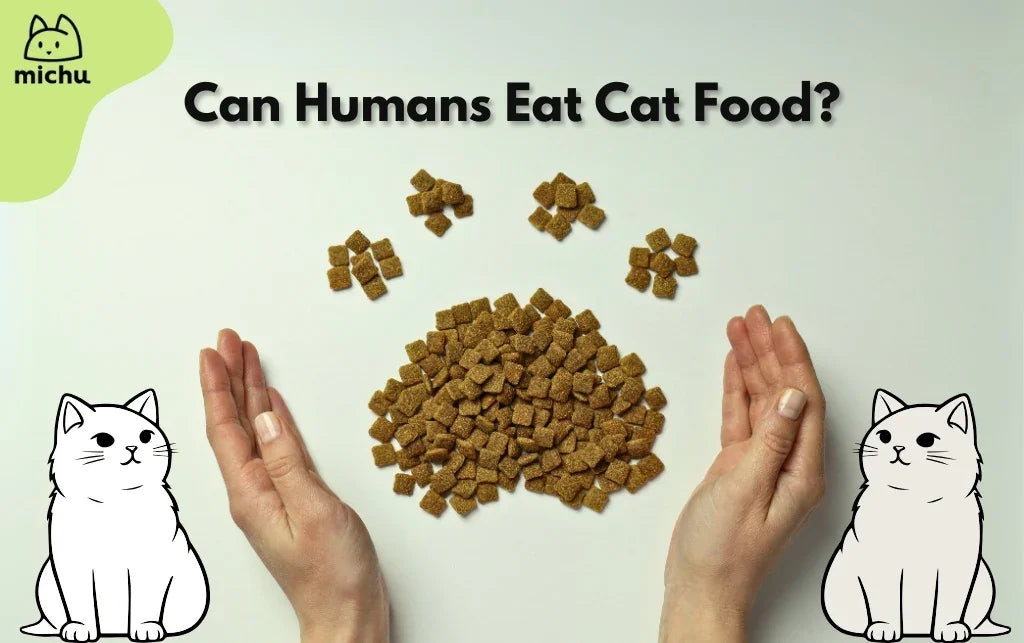
Credit: michu.com.au
Nutritional Needs Of Humans Vs Cats
Humans and cats need different nutrients to stay healthy. Their diets reflect their bodies’ unique demands. Cats are obligate carnivores, meaning they must eat meat. Humans are omnivores and can digest both plants and animals. This difference shapes what each species needs to thrive.
Understanding these nutritional needs helps explain why cat food is not made for people. Cat food is designed to meet feline health requirements, not human ones. This section breaks down the main differences in protein, vitamins, and minerals.
Protein Requirements
Cats need a lot of protein to support their muscles and organs. Their bodies use protein as a primary energy source. Cat food contains higher protein levels than human food. This protein comes mainly from animal sources.
Humans need protein too, but in smaller amounts. Our bodies use protein to build tissue and repair cells. We get protein from meat, dairy, beans, and plants. Human protein needs vary by age, gender, and activity level.
Vitamin And Mineral Differences
Cats require certain vitamins and minerals that humans do not. For example, cats must have vitamin A from meat, as they cannot convert plant forms. Taurine, an amino acid, is essential for cats but not for humans.
Humans need a wider variety of vitamins and minerals. Vitamin C is vital for us but not for cats. Our bodies cannot make vitamin C, so we must eat fruits and vegetables. Minerals like calcium and iron are also important for human health.
Safety Concerns For Humans Eating Cat Food
Eating cat food is not common for humans. There are safety concerns to know before trying it. Cat food is made for cats, not people. It may cause health problems for humans. Understanding these risks helps avoid illness.
Risk Of Bacterial Contamination
Cat food can contain bacteria harmful to humans. These include Salmonella and E. coli. Such bacteria cause food poisoning symptoms. Stomach pain, vomiting, and diarrhea can occur. Cat food may not follow human food safety rules. Bacteria grow fast if food is left out. Eating contaminated cat food is risky.
Potential Allergens
Cat food ingredients might trigger allergies in humans. Common allergens include fish, chicken, and grains. Some people may react with itching or swelling. Allergic reactions can be mild or severe. Cat food is not tested for human allergies. Eating it may cause unexpected problems. People with food allergies should be cautious.
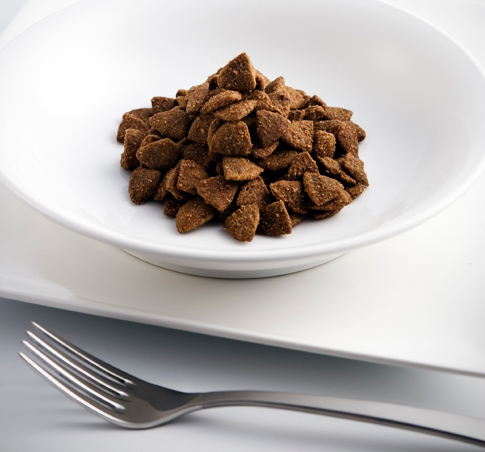
Credit: www.popsci.com
Health Effects Of Eating Cat Food
Eating cat food can affect your body in different ways. Cat food is made for cats, not humans. This means it does not have the right balance of nutrients for people. Understanding the health effects helps you see why it is not safe to eat cat food.
Short-term Impact
Eating cat food once may cause stomach pain. The food has ingredients that can upset your stomach. You might feel nausea, vomiting, or diarrhea. These symptoms happen because your body struggles to digest cat food. It lacks the nutrients humans need for energy and health.
Cat food also has more protein and fat than human food. This can cause discomfort and make you feel tired. Eating cat food could expose you to bacteria not safe for humans. This can increase the risk of food poisoning.
Long-term Consequences
Regularly eating cat food can harm your health over time. It does not contain enough vitamins and minerals for humans. This can lead to nutritional deficiencies. Your body may weaken without the right nutrients.
High protein and fat levels can strain your liver and kidneys. These organs work hard to process the food. Lack of fiber in cat food may cause digestive problems. Long-term use can also increase the risk of chronic illnesses.
Cat food is not designed for human digestion. Eating it regularly can lead to serious health problems. It is best to stick to food made for humans.
Situations When Humans Might Eat Cat Food
Humans might eat cat food in certain situations. These moments are rare but real. Understanding these reasons helps explain why some try it. Cat food is not made for humans. Yet, some choose to eat it out of need or curiosity. Below are common situations when people might eat cat food.
Survival Scenarios
In emergencies, food options can be very limited. People trapped without regular food may turn to cat food. It can provide basic nutrients and calories. Cat food is dense and lasts long, which helps in survival. It is not harmful in small amounts. Survival situations force people to use whatever is available. Cat food can be a last resort to avoid starvation.
Curiosity And Experimentation
Some individuals try cat food out of curiosity. They want to know what it tastes like. Others test it as a challenge or for fun. Some enjoy unusual food experiences. Cat food has a strong smell and unique texture. These qualities attract people who like to experiment. It is important to remember that cat food is not for regular eating. Curiosity drives many to try new things, including pet foods.
Legal And Ethical Considerations
Eating cat food raises important legal and ethical questions. These issues matter for both humans and animals. Understanding these factors helps make safe and responsible choices.
Regulations On Pet Food Consumption
Pet food is made under strict rules for animal use only. Laws often forbid selling pet food for human consumption. These rules ensure safety and quality for pets. Human food laws do not cover pet food ingredients. Eating pet food could risk health due to unknown additives. Legal limits protect people from unsafe products. Ignoring these rules may cause legal troubles.
Animal Welfare Implications
Cat food production focuses on animal nutrition, not human needs. Using pet food differently may affect animals indirectly. Buying cat food in large amounts could reduce supplies for pets. Some cat foods contain ingredients sourced from animals with ethical concerns. Supporting humane farming practices helps animal welfare. Choosing foods made with care shows respect for animals. Thinking about animal welfare matters in food choices.
Alternatives To Cat Food For Humans
People may wonder about eating cat food during emergencies. Cat food is not made for human nutrition. It lacks many nutrients humans need.
It is safer to choose proper food options. These options provide energy and nutrients for your body.
Safe Emergency Food Options
Keep canned beans or vegetables at home for emergencies. They last long and offer good nutrition.
Peanut butter is a great source of protein and fats. It also stays fresh for a long time.
Dried fruits and nuts provide vitamins and healthy fats. They are easy to store and eat anytime.
Rice and pasta are simple carbs that give quick energy. They can be cooked easily with little water.
Nutrient-rich Human Foods
Fresh fruits and vegetables supply vitamins and minerals. They help keep your body strong and healthy.
Lean meats like chicken and turkey provide good protein. Protein helps build and repair muscles.
Whole grains like oats and brown rice give fiber. Fiber aids digestion and keeps you full longer.
Dairy products such as milk and yogurt offer calcium. Calcium is important for strong bones and teeth.
:strip_icc()/human-food-and-cats-551947_Final-21cba05ccbd246aaaead17d5283ec286.jpg)
Credit: www.thesprucepets.com
Frequently Asked Questions
Can Humans Safely Eat Cat Food Occasionally?
Humans can eat cat food occasionally without severe harm. However, it lacks balanced nutrients designed for humans. Frequent consumption may cause digestive issues or nutrient deficiencies. Cat food is formulated for cats, not human dietary needs. Always prioritize a balanced human diet for health.
Why Is Cat Food Not Suitable For Humans?
Cat food contains high protein and fat levels tailored for cats. It may lack essential nutrients humans need daily. Ingredients can include animal by-products and additives unsafe for humans. Eating cat food regularly can lead to nutritional imbalances and health risks.
What Happens If A Human Eats Cat Food Daily?
Eating cat food daily can cause nutrient deficiencies and digestive problems in humans. It lacks vitamins and minerals required for human health. Cat food is not regulated for human consumption safety. Long-term intake may lead to serious health complications.
Are There Health Risks From Eating Cat Food?
Yes, health risks include food poisoning, allergic reactions, and nutrient imbalances. Cat food may contain bacteria or contaminants harmful to humans. It is not prepared under human food safety standards. Avoid eating cat food to prevent potential health issues.
Conclusion
Humans can eat cat food, but it is not a good idea. Cat food lacks important nutrients for people. It may cause stomach pain or allergies. Cat food is made for cats, not humans. Eating it often can harm your health.
Stick to food made for humans. Always choose safe and healthy meals. Your body will thank you for it. Remember, just because something is edible, doesn’t mean it’s good for you. Stay safe and eat the right food.