Last Updated on September 6, 2026
Yeast infections in dogs’ ears can be troubling. They cause itching and discomfort.
So, what kills yeast in dogs’ ears? Understanding yeast infections in dogs is key to finding the right treatment. Yeast thrives in warm, moist environments. Dogs with floppy ears, like Cocker Spaniels, are more prone. Symptoms include scratching, head shaking, and a foul odor.
Knowing the causes helps in preventing and treating infections. This blog will guide you through the best solutions to kill yeast in your dog’s ears. You’ll learn effective treatments and preventive measures to keep your dog comfortable and healthy. Let’s dive into how you can help your furry friend.
Credit: cherryknollsveterinaryclinic.com
Causes Of Yeast Infections In Dogs’ Ears
Yeast infections in dogs’ ears are common and can cause discomfort. Understanding the causes can help prevent these infections. Below are some common triggers and the breeds prone to infections.
Common Triggers
Several factors can lead to yeast infections in dogs’ ears. Here are the most common ones:
- Moisture: Water in the ears from swimming or baths.
- Allergies: Food or environmental allergies can trigger infections.
- Ear anatomy: Dogs with floppy ears are more at risk.
- Weakened immune system: Dogs with poor health may develop infections.
- Ear cleaning: Over-cleaning can disrupt the ear’s natural balance.
Breeds Prone To Infections
Some dog breeds are more prone to ear infections due to their ear structure. Here are a few:
| Breed | Reason |
|---|---|
| Cocker Spaniels | Floppy ears trap moisture. |
| Basset Hounds | Long ears and narrow ear canals. |
| Poodles | Hair in ears can trap moisture. |
| Labrador Retrievers | Frequent swimmers with floppy ears. |
| Shih Tzus | Hair growth in ear canals. |
Knowing the common triggers and the breeds more prone to ear infections can help in taking preventive measures. Regular checks and proper care can keep your dog’s ears healthy.
Symptoms Of Yeast Infections
Dogs can suffer from yeast infections in their ears. Recognizing the symptoms early is crucial for effective treatment. Yeast infections can cause discomfort and irritation. Identifying the signs helps you take action quickly.
Visible Signs
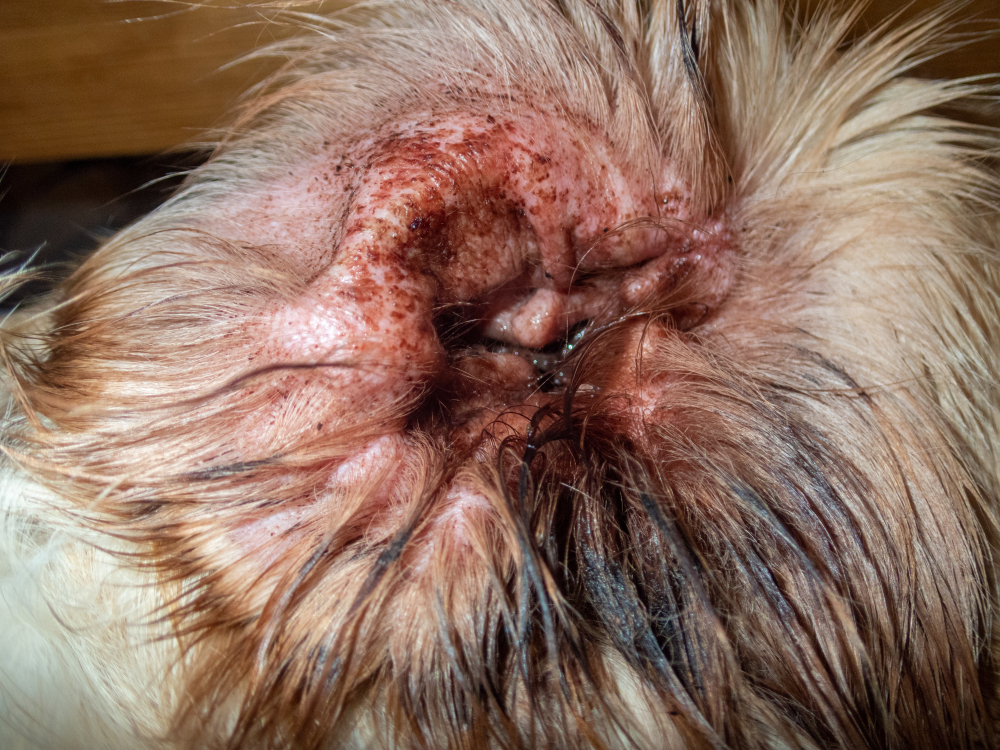
Yeast infections in dogs’ ears show visible signs. You might see redness and swelling. The ear may look inflamed and irritated. A foul odor is often present. Dark, waxy discharge might appear. This discharge can be brown or black. Crusty skin around the ear is another sign.
| Sign | Description |
|---|---|
| Redness | Inflamed and irritated ear canal |
| Swelling | Swollen ear area |
| Foul Odor | Bad smell from the ear |
| Discharge | Dark, waxy substance in the ear |
| Crusty Skin | Dry, flaky skin around the ear |
Behavioral Changes
Dogs with yeast infections also show behavioral changes. They might shake their heads often. Frequent scratching of the ears is common. Your dog may rub its ears against furniture. These actions indicate discomfort. Loss of balance or unsteady walking can occur. This happens if the infection affects the inner ear.
- Head shaking
- Frequent ear scratching
- Rubbing ears against objects
- Loss of balance
- Unsteady walking
Pay attention to these symptoms. Early detection and treatment can relieve your dog’s discomfort.
Diagnosing Yeast Infections
Diagnosing yeast infections in dogs’ ears is crucial for effective treatment. Early detection can prevent further complications and discomfort for your furry friend.
Veterinary Examination
Veterinary examination is the first step in diagnosing a yeast infection. The vet will closely inspect your dog’s ears. They will look for signs of redness, swelling, and discharge. A musty odor often accompanies yeast infections.
The vet will also ask about your dog’s symptoms. Common symptoms include itching, head shaking, and ear scratching. These signs help the vet determine the presence of a yeast infection.
Diagnostic Tests
Diagnostic tests confirm the yeast infection. The vet may perform an ear swab. They will take a sample of the ear discharge. This sample is examined under a microscope.
A culture test may also be done. The sample is sent to a lab to identify the specific yeast causing the infection. This helps in choosing the most effective treatment.
Another test is the cytology test. It involves staining the sample to identify yeast cells. This test provides quick results and aids in diagnosis.
Diagnosing a yeast infection accurately ensures proper treatment. Consult your vet if you notice any signs of ear discomfort in your dog.
Effective Medications
Effective medications can help relieve yeast infections in dogs’ ears. Different treatments target the yeast directly, ensuring a quicker recovery. Let’s explore some of the most effective medications for treating yeast in dogs’ ears.
Topical Treatments
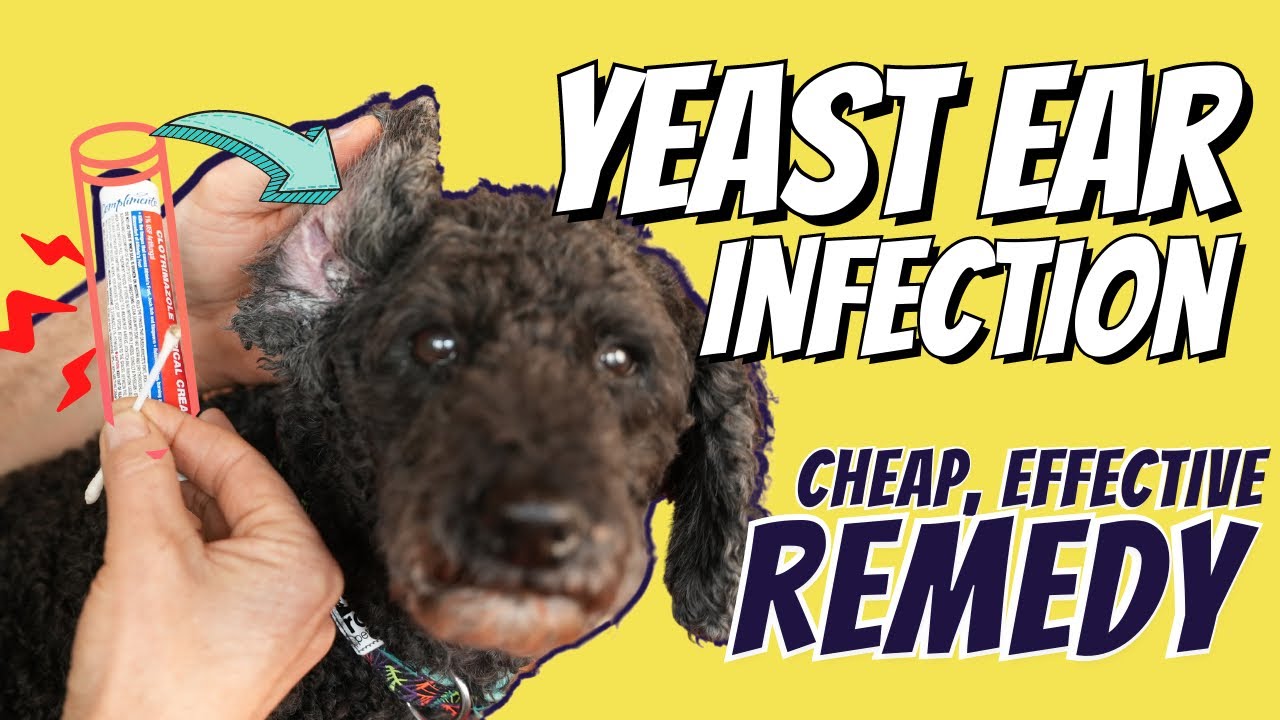
Topical treatments are applied directly to the affected area. They work by killing the yeast on the surface of the ear. These treatments include antifungal ear drops and ointments. Common ingredients are miconazole and clotrimazole. These ingredients target and destroy the yeast cells. Apply as directed by your vet for the best results.
Oral Medications
Oral medications are another effective way to combat yeast infections. These medicines work from within the body. They help to reduce the yeast population in the ears. Common oral antifungals include ketoconazole and fluconazole. These drugs require a prescription from your vet. Ensure to follow the dosage instructions carefully. Oral medications are often used in severe or recurring cases.
Natural Remedies
Dealing with yeast infections in dogs’ ears can be challenging. Many pet owners seek natural remedies to avoid harsh chemicals. These remedies can be effective and safe for your furry friend. Let’s explore some home and herbal treatments that can help.
Home Remedies
Several home remedies can help manage yeast infections in dogs’ ears. These solutions are easy to make and use.
- Apple Cider Vinegar: Mix equal parts of apple cider vinegar and water. Use a dropper to apply the solution to the ear.
- Coconut Oil: Warm the coconut oil slightly. Apply a few drops into the ear canal.
- Yogurt: Plain, unsweetened yogurt can be added to your dog’s diet. It promotes healthy gut flora, which helps control yeast.
These remedies can provide relief and help maintain ear health. Always consult your vet before starting any new treatment.
Herbal Treatments
Herbs can also be beneficial in treating yeast infections in dogs’ ears. They have natural antifungal properties.
| Herb | Usage |
|---|---|
| Oregano Oil | Mix with a carrier oil. Apply a few drops to the ear. |
| Calendula | Use calendula tincture diluted with water. Clean the ear gently. |
| Garlic Oil | Infuse garlic in olive oil. Apply sparingly to the ear. |
Herbal treatments can be powerful tools. They can help keep yeast infections at bay. Remember to follow dosage instructions and consult your vet.
Credit: www.youtube.com
Preventing Yeast Infections
Preventing yeast infections in dogs’ ears requires a proactive approach. Consistent care and attention to specific areas can make a huge difference. By focusing on hygiene and diet, you can help keep your dog’s ears healthy and yeast-free.
Hygiene Practices
Regular ear cleaning is essential. Use a vet-approved ear cleaner. Clean your dog’s ears once a week. Avoid water entering the ears during baths. Dry the ears thoroughly if they get wet. Check for signs of infection regularly. Look out for redness or a bad odor.
Dietary Tips
A balanced diet supports a healthy immune system. Feed your dog high-quality food. Avoid foods with excessive sugars and carbs. These can feed yeast growth. Consider adding probiotics to their diet. This can help maintain healthy gut flora. Omega-3 fatty acids can also be beneficial. They support skin health and reduce inflammation.
When To See A Vet
Yeast infections in dogs’ ears can be painful and persistent. Sometimes, home remedies are not enough. Knowing when to see a vet is crucial. This section will guide you on when professional help is needed.
Emergency Symptoms
Some symptoms require immediate vet attention. If your dog shows any of these signs, act fast:
- Severe pain or discomfort
- Swelling or redness in the ear
- Excessive ear discharge
- Bleeding from the ear
- Loss of balance or coordination
These symptoms could indicate a serious infection. They might also point to other medical issues. Do not delay seeking veterinary care.
Chronic Cases
Chronic yeast infections need vet care. If your dog has recurring issues, consult a vet. Signs of chronic cases include:
- Frequent ear scratching
- Constant head shaking
- Ongoing ear odor
- Thick, brown discharge
- Persistent redness or swelling
Chronic cases might need prescription medication. A vet can provide a proper diagnosis. They can also suggest long-term management strategies.
In both emergency and chronic cases, professional care is essential. It ensures your dog’s ear health and overall well-being.

Credit: www.templecityanimalhospital.com
Caring For A Dog With Yeast Infections
Dealing with yeast infections in your dog’s ears can be challenging. Proper care ensures your dog stays comfortable and healthy. Here’s how to manage this condition effectively.
Daily Care Routine
Clean your dog’s ears daily. Use a vet-approved ear cleaner. Gently wipe the outer ear with a cotton ball. Avoid using Q-tips as they can push debris further in.
Check for any signs of infection. Redness, swelling, or a foul odor indicates problems. Ensure your dog’s ears are dry after cleaning or swimming. Moist environments encourage yeast growth.
Feed your dog a balanced diet. Some foods can trigger yeast infections. Consult your vet for dietary recommendations. Avoid foods high in sugars and carbs.
Long-term Management
Regular vet visits are crucial. Your vet can monitor your dog’s condition. Early detection prevents severe infections.
Consider probiotic supplements. They promote healthy gut bacteria. This can reduce yeast overgrowth. Always consult your vet before introducing new supplements.
Keep your dog’s living area clean. Regularly wash their bedding and toys. This prevents the spread of yeast and other infections.
Maintain a consistent grooming schedule. Regular baths with medicated shampoos can help. These shampoos reduce the yeast population on your dog’s skin.
Monitor your dog’s behavior. Excessive scratching or head shaking indicates discomfort. Address these symptoms promptly to avoid complications.
Frequently Asked Questions
What Kills Yeast In Dogs’ Ears Naturally?
Natural remedies like apple cider vinegar, coconut oil, and diluted hydrogen peroxide can help. Always consult your vet before use.
Can Diet Affect Yeast In Dogs’ Ears?
Yes, a diet high in sugar and carbs can promote yeast growth. Opt for a balanced, low-carb diet.
How To Prevent Yeast Infections In Dogs’ Ears?
Regular ear cleaning and keeping ears dry can prevent yeast infections. Use vet-approved cleaning solutions.
Are Yeast Infections In Dogs’ Ears Common?
Yes, yeast infections are common in dogs, especially in breeds with floppy ears. Regular check-ups help in early detection.
Conclusion
Caring for your dog’s ears is crucial for their health. Yeast infections can cause discomfort and pain. Regular cleaning helps prevent these issues. Use vet-approved solutions for best results. Consult your vet if symptoms persist. Avoid home remedies without professional advice.
Keep your dog’s ears dry and clean. A balanced diet also supports ear health. Taking these steps ensures your dog stays happy and healthy.