Last Updated on July 8, 2026
If your dog is scratching or licking a lot, it might be a yeast infection. You want to help your furry friend feel better fast, but you’re also looking for simple, safe ways to do it at home.
You’ve probably heard about using hydrogen peroxide as a home remedy, but is it really effective? You’ll discover what you need to know about treating your dog’s yeast infection with hydrogen peroxide safely. Keep reading to learn how to ease your dog’s discomfort without risking their health.
Credit: lolahemp.com
Causes Of Yeast Infections In Dogs
Yeast infections in dogs happen when yeast grows too much on their skin or ears. Yeast is normal on dogs but can cause problems if it overgrows. Understanding why yeast infections start helps in treating and preventing them. Several causes trigger this overgrowth, making the infection more likely.
Common Triggers
Yeast infections often start because of moisture. Wet skin or ears create a perfect place for yeast to grow. Dogs that swim or get baths often can have more yeast problems. Poor hygiene also plays a role. Dirt and oils build up and feed the yeast. Allergies cause itching and skin damage, which lets yeast grow faster. Sometimes, antibiotics kill good bacteria, upsetting the skin balance. This allows yeast to multiply easily.
Breed And Environmental Factors
Some dog breeds are more likely to get yeast infections. Breeds with floppy ears trap moisture inside the ear canal. Dogs with skin folds also have trouble keeping skin dry. Warm and humid climates increase yeast infections. Yeast loves warm, damp places. Living in such conditions raises the risk of infection. Even indoor pets can get yeast infections if their environment is too humid or dirty.
Signs Your Dog Has A Yeast Infection
Yeast infections in dogs can cause discomfort and need quick attention. Knowing the signs helps you act fast. Early detection prevents the infection from worsening. Watch for changes in your dog’s skin and behavior. These clues reveal if your dog has a yeast infection.
Visible Symptoms
Look for red, inflamed skin, especially in folds or ears. The affected areas may have a bad smell. Your dog’s skin might be oily or flaky. Hair loss can occur around the infected spots. Notice if your dog scratches or licks the area often. These are common signs of yeast growth on the skin.
Behavioral Changes
Your dog may become restless or irritable. Constant scratching or licking can cause stress. Sometimes, dogs avoid touch on sore spots. Sleep patterns might change due to discomfort. Changes in behavior often point to underlying pain or itchiness from yeast infections.
Hydrogen Peroxide As A Home Remedy
Hydrogen peroxide is a common home remedy for dog yeast infections. It helps clean the infected area and reduce yeast growth. Many pet owners use it because it is easy to find and affordable. Using hydrogen peroxide carefully can soothe your dog’s skin and support healing.
How It Works
Hydrogen peroxide kills yeast by releasing oxygen. This oxygen bubbles and lifts dirt and dead skin from the infection site. It also stops yeast from growing by creating an environment they cannot survive in. The bubbling action helps clean wounds, removing harmful bacteria and debris.
Proper Dilution And Application
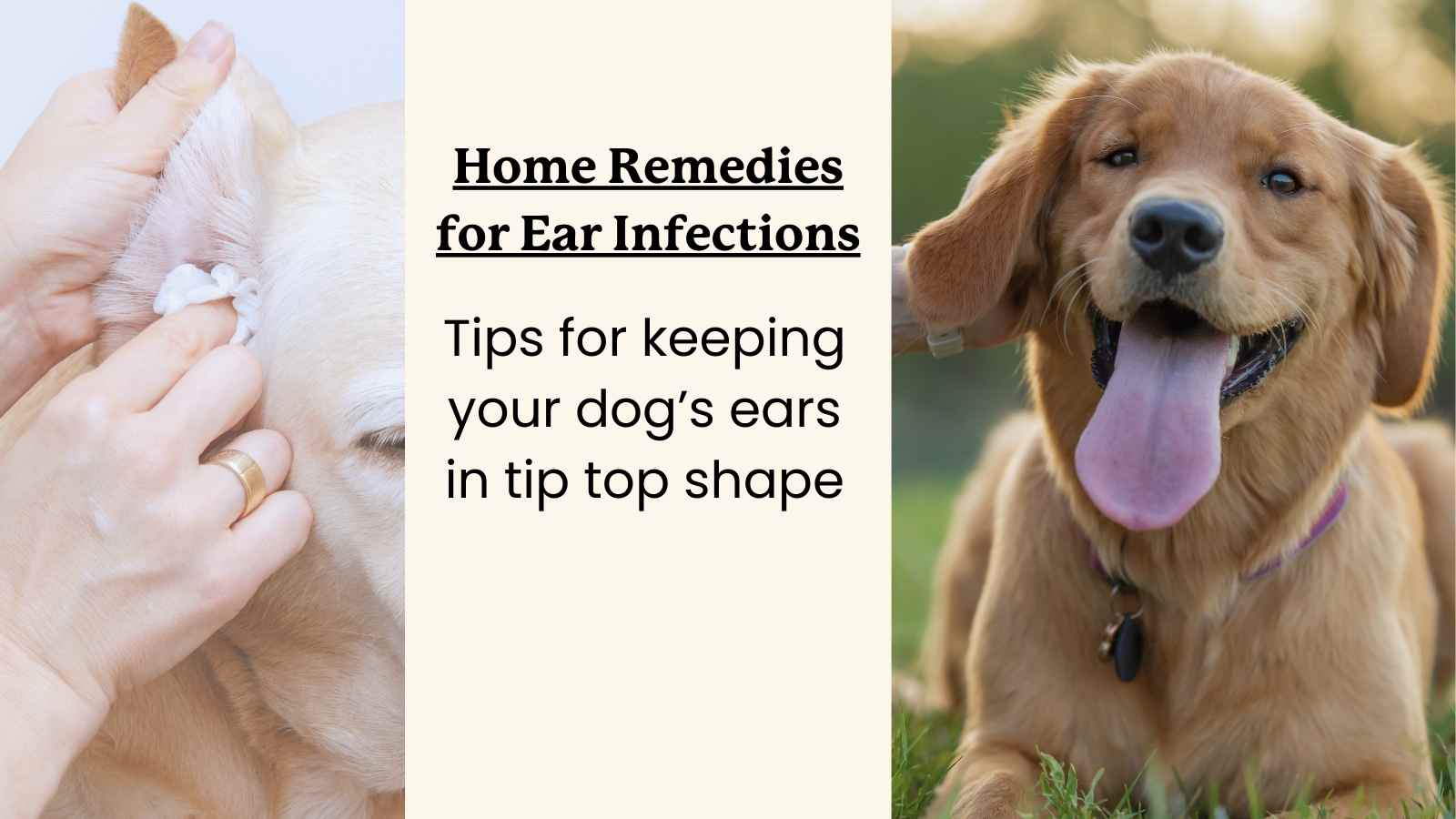
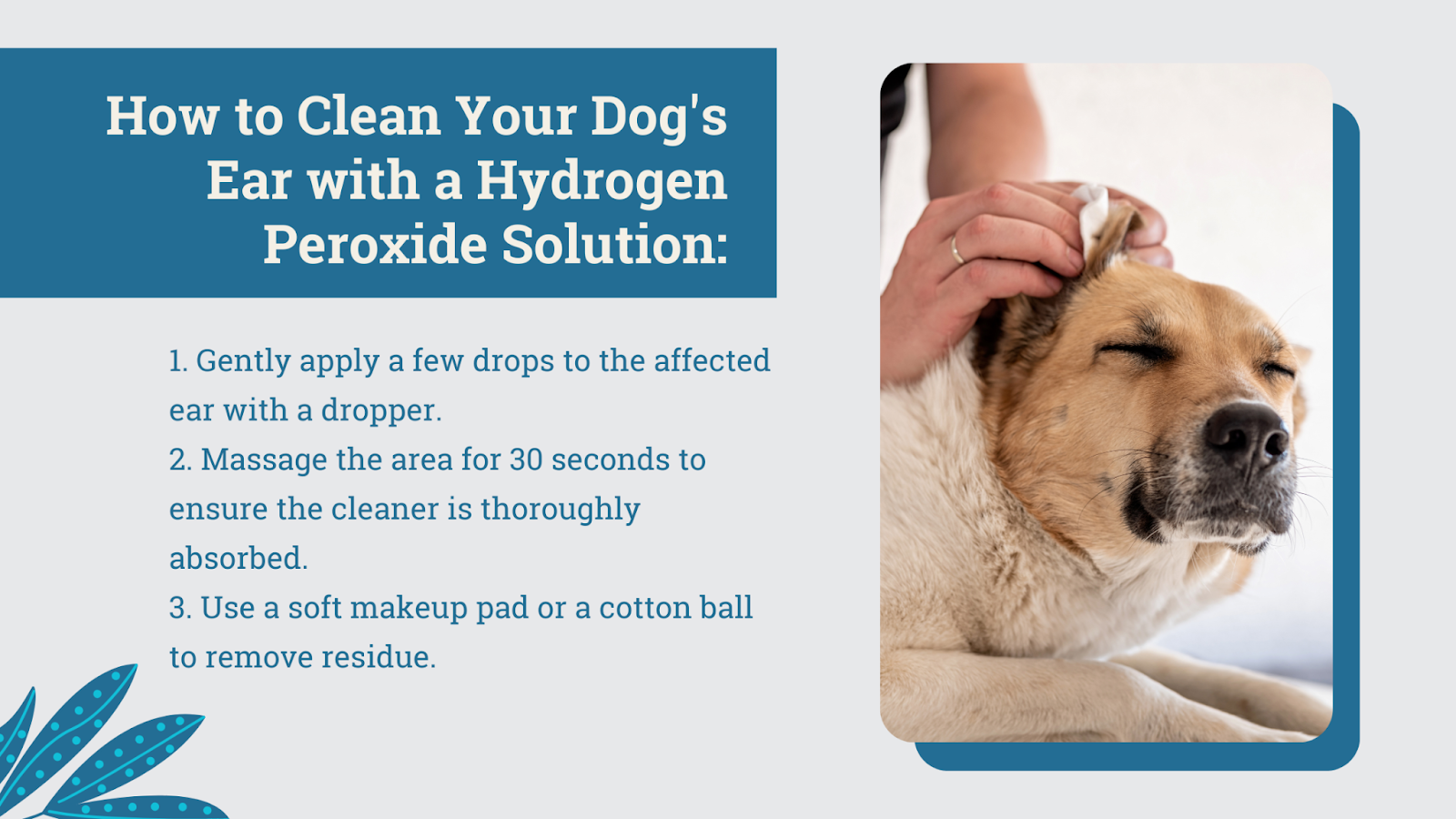
Use a 3% hydrogen peroxide solution for dog yeast infections. Never apply it full strength, as it can hurt your dog’s skin. Mix one part hydrogen peroxide with one part water. Use a clean cloth or cotton ball to apply the mixture gently. Avoid using it inside the ears or on deep wounds. Apply once or twice a day until the infection clears.
Credit: www.volharddognutrition.com
Safety Precautions Using Hydrogen Peroxide
Using hydrogen peroxide as a home remedy for dog yeast infections requires care and attention. This substance can help clean wounds and kill some germs. Still, it is not always safe for pets. Knowing the right way to use it and when to avoid it keeps your dog safe and healthy.
When To Avoid
Avoid hydrogen peroxide on deep wounds or open sores. It can harm healthy tissue and slow healing. Do not use it if your dog has sensitive skin or allergies. Avoid using it on your dog’s ears unless a vet approves. Never give hydrogen peroxide by mouth unless directed by a vet. It can cause serious problems if swallowed improperly.
Potential Side Effects
Hydrogen peroxide might cause irritation or redness on your dog’s skin. It can lead to dryness or peeling in the treated area. Some dogs may develop a rash or itchiness after use. If your dog shows signs of pain or swelling, stop treatment immediately. Watch for signs of vomiting, diarrhea, or lethargy if ingested. Consult your vet quickly if any side effects occur.
Alternative Home Remedies For Yeast Infections
Yeast infections in dogs can be uncomfortable and persistent. Many pet owners seek safe home treatments beyond hydrogen peroxide. Alternative home remedies offer gentle care and can support your dog’s healing process. These natural methods help balance yeast growth without harsh chemicals.
Natural Oils And Herbal Options
Certain natural oils have antifungal properties that may help reduce yeast infections. Coconut oil is a popular choice. It can be applied topically to affected areas. Tea tree oil, diluted properly, also helps fight yeast. Aloe vera gel soothes irritated skin and supports healing. Herbal options like calendula and chamomile can calm inflammation. Always test a small skin patch first to avoid reactions.
Dietary Adjustments
Diet plays a key role in managing yeast infections. Reducing sugar and carbs helps starve yeast. Feeding your dog high-quality proteins and fresh vegetables supports immune health. Adding probiotics can improve gut flora balance. Plain yogurt with live cultures is a good source. Clean water intake is essential for detoxifying the body. Healthy diet changes support long-term yeast control and overall wellness.

Credit: vetmedx.co.za
When To See A Veterinarian
Knowing when to see a veterinarian is important for your dog’s health. Yeast infections can often be treated at home. Sometimes, the infection needs expert care. Watch your dog closely and act quickly.
Persistent Or Severe Cases
If symptoms last more than a week, see a vet. Severe itching, redness, or swelling need professional attention. Your dog might be in pain or discomfort. Home remedies like hydrogen peroxide might not work well. Persistent infections can cause other health problems.
Professional Treatment Options
Veterinarians offer stronger treatments than home remedies. They can prescribe antifungal medications and special shampoos. Vets can also test to find the exact cause. This helps in giving the best treatment. Early vet care can prevent serious complications.
Preventing Yeast Infections In Dogs
Preventing yeast infections in dogs is key to keeping them healthy and happy. Yeast infections can cause discomfort and itching. Simple steps at home reduce the risk of these infections. Cleanliness and a safe environment play major roles in prevention.
Hygiene Tips
Keep your dog’s skin and ears clean and dry. Moist areas are perfect for yeast growth. Regular baths help remove dirt and excess oils. Use gentle shampoos made for dogs. Dry your dog thoroughly after baths or swims. Check ears often for wax buildup or bad smell. Clean ears carefully with vet-approved solutions. Trim hair around ears and paws to improve air flow. Clean your dog’s bedding and toys often. Dirty items can hold yeast and bacteria.
Maintaining A Healthy Environment
Keep your dog’s living area dry and clean. Moist environments encourage yeast growth. Wash bedding in hot water regularly. Avoid damp or moldy places. Provide fresh air and sunlight when possible. Avoid overcrowding if you have many pets. Proper ventilation helps reduce moisture. Store dog food in sealed containers to prevent mold. Remove leftover food and water daily. A healthy environment supports your dog’s immune system. This lowers the chance of yeast infections.
Frequently Asked Questions
Can Hydrogen Peroxide Safely Treat Dog Yeast Infections?
Hydrogen peroxide can help clean affected areas but must be diluted. Use a 3% solution and avoid deep wounds. Consult your vet before use to prevent irritation or worsening the infection.
How To Use Hydrogen Peroxide For Dog Yeast Infections?
Dilute hydrogen peroxide with equal parts water. Apply gently to the infected area with a cotton ball. Do this once daily, but stop if your dog shows discomfort or redness.
Are There Risks Using Hydrogen Peroxide On Dogs?
Yes, undiluted hydrogen peroxide can irritate skin and delay healing. It may cause pain or worsen infections if misused. Always dilute and monitor your dog closely during treatment.
What Are Signs Of A Dog Yeast Infection?
Look for redness, itching, odor, and flaky skin. Common areas include ears, paws, and skin folds. Early detection helps improve treatment outcomes.
Conclusion
Treating your dog’s yeast infection with hydrogen peroxide can help ease symptoms. Always dilute it properly to avoid hurting your pet’s skin. Clean the affected area gently and keep it dry afterward. Watch your dog closely for any signs of irritation or worsening.
If the infection stays or gets worse, see a vet quickly. Home remedies work best with care and caution. Healthy skin means a happy dog. Small steps make a big difference.