Last Updated on June 11, 2026
If you’re a dog owner, you want the best for your furry friend. Flea collars promise to keep those pesky bugs away, but you might be wondering—are flea collars safe for dogs?
It’s natural to worry about your pet’s health and comfort. What if the collar causes irritation or worse? You’ll discover the facts about flea collars, what to watch out for, and how to choose the safest option. Keep reading to make sure your dog stays happy, healthy, and flea-free.

Credit: cedarcide.com
How Flea Collars Work
Flea collars protect dogs by releasing chemicals that kill or repel fleas. These chemicals spread over the dog’s skin and fur. They target fleas at different stages, stopping bites and infestations. Flea collars offer a simple way to keep pets free from pests.
Not all flea collars work the same way. Some kill fleas on contact. Others keep fleas away before they reach the dog. Understanding how they function helps choose the right collar for your dog.
Types Of Flea Collars
There are two main types of flea collars. One type uses insecticides to kill fleas. The other type uses natural oils to repel pests. Insecticide collars are strong and fast-acting. Natural collars are safer for sensitive dogs but may take longer.
Some collars combine both methods. They offer protection and are gentle on the dog’s skin. Choose a collar based on your dog’s health and your needs.
Active Ingredients Explained
Flea collars contain different active ingredients. Common insecticides include imidacloprid and flumethrin. These chemicals kill fleas and ticks quickly. Natural ingredients like essential oils repel fleas without chemicals. Examples are citronella and cedarwood oil.
Read labels carefully to know what is inside. Some ingredients can cause allergies in dogs. Always check with a vet if unsure about a collar’s ingredients.
Duration Of Effectiveness
Flea collars last for different lengths of time. Most collars protect dogs for 4 to 8 months. Some need replacing every month for full protection. The duration depends on the collar type and brand.
Collars lose effectiveness over time as chemicals wear off. Check the expiration date and replace collars as needed. Keep your dog safe by using a collar that works long enough.
Safety Concerns For Dogs
Flea collars can help protect dogs from fleas. But some collars may cause safety issues. It is important to know the risks before using one. Dogs react differently to flea collars. Some may have mild effects. Others might face serious problems. Understanding these safety concerns keeps dogs healthy and safe.
Common Side Effects
Some dogs show mild reactions to flea collars. They may scratch or rub their necks. Redness or hair loss around the collar can happen. Mild skin irritation is common. Most side effects go away after removing the collar. Watch your dog closely for any changes.
Risks For Puppies And Sensitive Dogs
Puppies have delicate skin and bodies. Flea collars may harm their sensitive skin. Young dogs can absorb chemicals faster. This can cause sickness or worse. Sensitive dogs may react badly too. Avoid flea collars with strong chemicals for these dogs.
Potential Allergic Reactions
Some dogs can have allergic reactions to flea collars. Symptoms include swelling, hives, or trouble breathing. Allergies may appear within hours or days. Stop using the collar immediately if this happens. Seek veterinary help for any signs of allergy.
Choosing The Right Flea Collar
Choosing the right flea collar for your dog is important for their health and comfort. Not every collar suits every dog. Some collars work better for certain sizes or breeds. Safety is a key factor. You want a collar that kills fleas but is gentle on your pet. Taking time to pick the best one helps avoid skin problems or other issues.
Factors To Consider
Think about your dog’s age and size. Puppies and small dogs need gentler collars. Some collars contain strong chemicals not safe for young pets. Also, check if your dog has allergies or sensitive skin. Look for collars with natural ingredients if your dog reacts easily. The collar’s length and fit matter too. It should not be too tight or loose. A good fit keeps the collar effective and safe.
Reading Labels And Ingredients
Always read the label carefully. Check the active ingredients and their purpose. Some collars use chemicals like permethrin or pyrethroids. These can be harmful to cats or very young dogs. Look for collars that state how long they protect against fleas. See if the collar repels ticks as well. Instructions on how to use the collar are important. Follow them exactly to avoid problems.
Consulting Your Veterinarian
Your vet knows your dog’s health best. Ask about the safest flea collars for your pet. They can recommend brands that suit your dog’s needs. Talk about any health conditions your dog has. Your vet can also suggest alternative flea treatments. Getting professional advice helps keep your dog safe and flea-free.

Credit: www.nilds.gov.ng
Alternatives To Flea Collars
Flea collars are common for controlling fleas on dogs. Some pet owners worry about their safety. Many alternatives exist that can protect dogs without a collar. These options work in different ways and suit different dogs. Understanding these choices helps you pick the best one.
Topical Treatments
Topical treatments are liquids applied to a dog’s skin. Usually, they go on the back of the neck. These treatments kill fleas quickly and last for weeks. Many brands offer formulas that also stop ticks. They are easy to use and water-resistant. Always follow the instructions on the package.
Oral Medications
Oral medications come in chewable tablets or pills. Dogs eat them like treats. These medicines start working fast, often within hours. They kill fleas before fleas can lay eggs. Some oral options protect against ticks too. Talk to your vet to find the right dose.
Natural And Home Remedies
Natural remedies use ingredients like essential oils or herbs. They can help keep fleas away without harsh chemicals. Common choices include neem oil, apple cider vinegar, and diatomaceous earth. These are gentle but may not be as strong as medicines. Test any natural product on a small skin area first. Always check with your vet before use.
Proper Use And Maintenance
Using flea collars safely means following clear steps. Proper use and maintenance help protect your dog and keep fleas away. It also lowers risks of side effects. Understanding how to apply, replace, and watch your dog is key to safe flea collar use.
Correct Application Tips
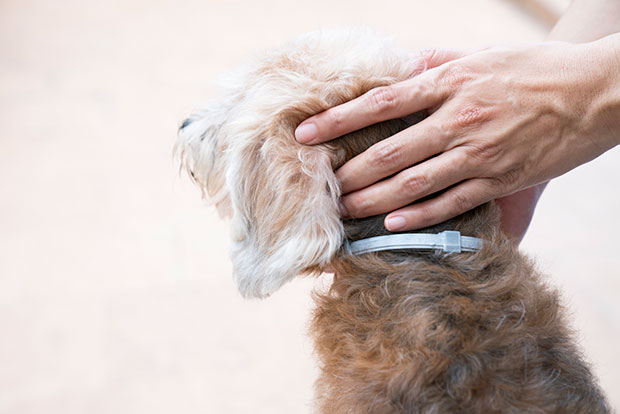
Place the collar around your dog’s neck. Make sure it fits snugly but not too tight. You should be able to fit two fingers under the collar. Cut off any extra length after fastening to avoid chewing. Avoid placing the collar too close to the dog’s eyes or mouth. Keep the collar on at all times, unless your vet says otherwise.
When To Replace The Collar
Most flea collars last between three to eight months. Check the package for specific time limits. Replace the collar once the time is up. Do not keep using an old collar. It may lose effectiveness and no longer protect your dog. Remove the collar if it shows signs of damage or wear.
Monitoring Your Dog’s Response
Watch your dog closely after putting on the collar. Look for redness, itching, or swelling on the neck. Check for signs like coughing or difficulty breathing. Stop using the collar if your dog shows these signs. Contact your veterinarian if you notice any problems. Regularly examine the collar area for any irritation or discomfort.
Credit: www.thenewlede.org
Common Myths About Flea Collars
Many dog owners hesitate to use flea collars due to common myths. These myths create confusion about safety, effectiveness, and environmental impact. Clearing up these misunderstandings helps pet owners make better choices. Let’s explore some of these myths.
Debunking Safety Myths
Some believe flea collars cause harm to dogs. Most modern flea collars are designed with safety in mind. They release small amounts of medicine slowly over time. This prevents overdosing or skin irritation in healthy dogs. Veterinarians often recommend flea collars as a safe option. Always choose collars approved by trusted pet health organizations.
Effectiveness Misconceptions
Many think flea collars do not work well. Flea collars can protect dogs for several months. They kill fleas and sometimes ticks on contact. Some collars even repel pests before they bite. Collars work best when combined with other flea control methods. Using collars alone might not solve severe infestations quickly.
Environmental Impact Concerns
Some worry flea collars harm the environment. The chemicals in flea collars break down over time. Proper disposal of old collars limits environmental risks. Using collars reduces the need for sprays or treatments that affect larger areas. Responsible use helps protect nature and pets at the same time.
Frequently Asked Questions
Are Flea Collars Safe For All Dog Breeds?
Most flea collars are safe for all breeds but check the label. Some collars may cause irritation in sensitive dogs. Always monitor your dog for any allergic reactions or discomfort after use.
How Do Flea Collars Protect Dogs From Fleas?
Flea collars release active ingredients that repel or kill fleas. These chemicals spread over your dog’s skin and fur. This provides continuous protection for several weeks against flea infestations.
Can Flea Collars Harm Puppies Or Small Dogs?
Some flea collars are not suitable for puppies under 8 weeks old. Small dogs may also require lower dosage collars. Always choose a collar designed for your dog’s age and size.
How Long Does A Flea Collar Remain Effective?
Most flea collars offer protection for 8 to 12 weeks. Effectiveness depends on the brand and active ingredients. Replace the collar as recommended to maintain flea protection.
Conclusion
Flea collars can protect dogs but may cause side effects. Always check ingredients and choose collars made for your dog’s size. Watch your pet closely after putting on a collar. Remove it if you see skin irritation or unusual behavior.
Talk to your vet about the safest options. Flea prevention helps keep dogs happy and healthy. Careful choices make flea collars a useful tool, not a risk. Safety first—your dog deserves the best care.