
Last Updated on July 8, 2026
You want the best for your dog, especially when they’re feeling anxious or stressed. Calming treats seem like a simple, safe solution to help your furry friend relax.
But have you ever stopped to wonder—can calming treats actually harm your dog, or even worse, kill them? The truth might surprise you. Before you give your pet that treat, it’s important to know exactly what’s inside and how it can affect your dog’s health.
Keep reading to discover the facts you need to protect your beloved companion.
What Are Calming Treats
Calming treats are special snacks made to help dogs feel less anxious. Many dogs get nervous during storms, fireworks, or travel. These treats aim to ease that stress. They contain ingredients that can soothe a dog’s mind and body.
Pet owners often choose calming treats to help their dogs stay calm in tricky situations. These treats come in different shapes and flavors. They are easy to give, making them a popular choice for stress relief.
Common Ingredients
Calming treats usually contain natural ingredients. One common ingredient is chamomile. It is known for its relaxing effects. Another popular ingredient is valerian root. It helps reduce anxiety and promotes sleep.
L-theanine, an amino acid found in green tea, is also used. It helps calm the brain without making dogs sleepy. Some treats include melatonin. This hormone helps regulate sleep cycles and can reduce stress.
Other ingredients might include hemp or CBD oil. These are believed to have calming properties. Always check what is inside the treat before giving it to your dog.
How They Work
Calming treats work by affecting the dog’s nervous system. Ingredients like chamomile and valerian root interact with brain receptors. This interaction helps reduce feelings of anxiety.
L-theanine increases levels of calming brain chemicals. It can help dogs relax without sedation. Melatonin tells the brain it is time to rest. This helps dogs stay calm and sleep better.
Some ingredients reduce physical symptoms of stress. They can lower heart rate and ease muscle tension. The overall effect makes dogs feel more comfortable in stressful moments.
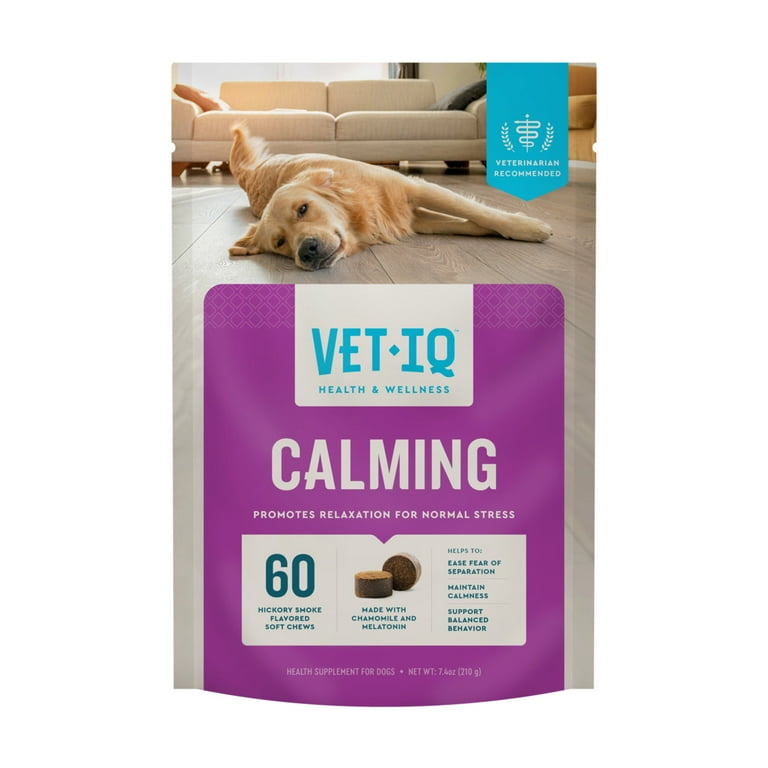
Credit: www.walmart.com
Potential Dangers Of Calming Treats
Calming treats for dogs seem helpful but carry risks. Owners must be aware of these dangers. Some treats contain harmful substances that can hurt dogs. Others may cause serious side effects. Understanding these risks helps keep pets safe.
Toxic Ingredients To Avoid
Some calming treats include ingredients toxic to dogs. Xylitol, a sweetener, is deadly even in small amounts. Grapes and raisins can cause kidney failure. Certain herbs like valerian root may upset some dogs. Always check ingredient lists carefully before buying.
Overdose Risks
Giving too many calming treats can poison dogs. Ingredients like melatonin or chamomile can cause overdose symptoms. These include vomiting, diarrhea, or lethargy. Overdose may lead to severe health problems or death. Follow dosage instructions strictly to avoid harm.
Allergic Reactions
Dogs can be allergic to treat ingredients. Signs include itching, swelling, or difficulty breathing. Allergies can quickly become life-threatening. Watch your dog closely after giving treats. Stop use and seek vet help if you notice any reaction.
Signs Of Toxicity In Dogs
Calming treats help many dogs feel relaxed during stressful times. Yet, some ingredients in these treats can be harmful if overdosed. Knowing the signs of toxicity can save your dog’s life. Watch for changes in behavior and physical symptoms early. Acting fast can prevent serious harm.
Behavioral Changes
Dogs may act restless or confused after eating toxic treats. They might pace, whine, or seem unusually sleepy. Aggression or sudden fear can also happen. Watch for shaking or trembling. These changes signal the nervous system is affected.
Physical Symptoms
Vomiting and diarrhea are common signs of poisoning. Excessive drooling or dry mouth may appear. Weakness or trouble walking can develop quickly. Some dogs may have a fast or slow heartbeat. Seizures and difficulty breathing are severe symptoms to note.
When To Seek Emergency Help
Call a vet immediately if your dog shows vomiting and seizures. Difficulty breathing requires urgent care. Loss of consciousness or extreme weakness is a medical emergency. Early treatment improves survival chances. Do not wait to get professional help.
Safe Use Of Calming Treats
Calming treats can help dogs feel less anxious and stressed. Using these treats safely is very important. Giving too much can be harmful. Understanding how to use them right keeps your dog safe and calm.
Always follow the instructions on the package. Watch your dog for any side effects. Knowing the safe way to use calming treats protects your pet’s health.
Proper Dosage Guidelines
Check the label for the correct amount to give. Dosage often depends on your dog’s weight. Never give more than the recommended dose. Overdosing can cause serious health problems. Give treats only as often as suggested.
Consulting Your Veterinarian
Talk to your vet before starting calming treats. Your vet knows your dog’s health history. They can recommend the best product and dose. Some dogs may have allergies or conditions that affect use. A vet’s advice helps avoid dangerous effects.
Alternatives To Calming Treats
Calming treats are not the only option. Exercise and play can reduce anxiety. Training and behavior techniques also help. Natural remedies like lavender may calm some dogs. Creating a quiet, safe space can ease stress.
Real-life Incidents And Warnings
Calming treats for dogs promise peace during stressful times. Many pet owners trust these products to soothe anxiety. But some treats have caused serious harm. Stories from real life warn us to be careful. Understanding these incidents helps keep dogs safe.
Reported Cases Of Harm
Several dogs suffered after eating calming treats. Some showed signs of poisoning or allergic reactions. Others experienced severe side effects, like vomiting and seizures. In rare cases, dogs died after consuming certain treats. These reports often came from pet owners and veterinarians.
Manufacturer Recalls
Some companies recalled calming treats after safety concerns. Recalls happened due to contamination or wrong ingredient levels. These actions aimed to prevent more harm to pets. Recalls show the importance of product testing and quality control. Pet owners should check for recall news before buying.
Expert Recommendations
Veterinarians advise caution with calming treats. They suggest consulting a vet before use. Experts recommend starting with small doses to watch for reactions. Natural remedies or behavior training might work better. Always read labels and choose trusted brands only.

Credit: www.chewy.com

Credit: www.iherb.com
Frequently Asked Questions
Can Calming Treats Be Toxic To Dogs?
Yes, some calming treats contain ingredients toxic to dogs in large amounts. Always check the label and consult your vet before use.
What Ingredients In Calming Treats Are Dangerous?
Ingredients like xylitol, certain essential oils, and high doses of melatonin can be harmful to dogs. Always verify ingredient safety.
How To Safely Use Calming Treats For Dogs?
Use calming treats as directed on the package and consult your vet. Avoid giving multiple treats or mixing with medications.
What Are Signs Of Overdose From Calming Treats?
Watch for vomiting, diarrhea, lethargy, or seizures. If symptoms occur, seek veterinary help immediately.
Conclusion
Calming treats can help dogs feel relaxed and safe. They are usually safe when given the right way. Giving too many or the wrong kind can cause problems. Always check with your vet before using any new treat. Watch your dog closely for any bad reactions.
Keep treats out of reach of pets when not in use. Safety and care matter most for your dog’s health. Calm dogs are happy dogs. Choose treats wisely to keep them that way.