
Last Updated on May 30, 2026
Have you ever wondered why you sneeze or your eyes water around certain dogs but not others? You might think you’re just allergic to dogs in general, but what if it’s actually specific breeds causing your symptoms?
Understanding whether you can be allergic to particular dog breeds could change how you pick your next furry friend. Keep reading to discover the surprising facts about dog allergies and how you can find a pet that fits your lifestyle without the sniffles.
Credit: www.akc.org
Allergies And Dogs
Many people love dogs but suffer from allergies. Allergies can cause sneezing, itching, and watery eyes. These symptoms make it hard to enjoy time with pets. Understanding what causes allergies helps manage or avoid them.
Not all dog breeds affect allergies the same way. Some breeds may cause fewer allergic reactions. Learning about allergens and how allergies start is important.
Common Allergens From Dogs
Dog allergens come from their skin, saliva, and urine. The main allergen is a protein found in dog dander. Dander is tiny skin flakes that dogs shed. It floats in the air and sticks to surfaces.
Saliva also contains proteins that trigger allergies. When dogs lick themselves or furniture, saliva dries and spreads allergens. Dog urine can add to the allergen load, especially inside the home.
Fur itself does not cause allergies but can hold dander and saliva. Dogs that shed less may release fewer allergens but still carry them on their fur.
How Dog Allergies Develop
Allergies happen when the immune system reacts to harmless proteins. The body thinks these proteins are harmful invaders. It releases chemicals like histamine to fight them.
This reaction causes symptoms such as sneezing and itching. Repeated exposure to dog allergens can make symptoms worse. Some people develop allergies over time, even if they were fine before.
Genetics also play a role in allergy development. Some people are more likely to have allergies due to family history. Understanding this helps people take steps to reduce exposure.
Breed-specific Allergies
Some people wonder if allergies depend on dog breeds. Allergies come from proteins found in dog saliva, skin, and urine. Different breeds may produce varying amounts of these proteins. This can make certain breeds more likely to cause allergic reactions in sensitive people.
Understanding breed-specific allergies helps in choosing a dog that fits your health needs. It also clears up common misunderstandings about allergies and dog breeds.
Myths About Hypoallergenic Breeds
Many believe hypoallergenic dogs do not cause allergies. This is not entirely true. No dog breed is 100% allergy-free. Hypoallergenic means a dog sheds less dander, which may reduce allergic reactions. People react differently to each dog, even hypoallergenic ones.
Breeds Often Linked To Allergies
Some breeds shed more fur and dander. These breeds often trigger allergies. Examples include German Shepherds, Labrador Retrievers, and Golden Retrievers. Their thick coats hold more allergens. Regular grooming can help reduce allergens but may not stop reactions entirely.
Breeds Less Likely To Trigger Reactions
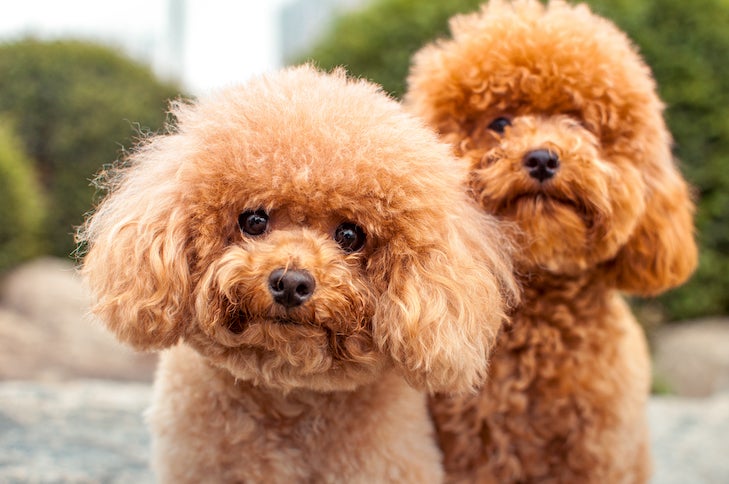
Breeds with hair that grows continuously tend to shed less. Poodles, Bichon Frises, and Portuguese Water Dogs fall in this group. Less shedding means fewer allergens spread around. These breeds may be better for allergy sufferers but do not guarantee no reaction.
What Triggers Allergies In Dogs
Dog allergies can cause sneezing, itching, and watery eyes. Understanding what triggers these allergies helps manage symptoms better. Allergies do not come from the fur itself but from tiny particles dogs release. These particles spread in the air and stick to surfaces in your home.
Role Of Dander, Saliva, And Urine
Dander is made of tiny skin flakes that dogs shed constantly. It carries proteins that often cause allergic reactions. Saliva contains proteins too. When dogs lick their fur, saliva dries and mixes with dander. Urine can also contain allergens, especially when it dries and becomes airborne. These allergens trigger the immune system in sensitive people.
Impact Of Coat Type And Shedding
Dogs with short hair may shed more dander into the environment. Long-haired dogs can trap dander in their fur, but they shed less often. Some breeds shed a lot, spreading more allergens around the house. Breeds that shed less might lower allergy symptoms but do not eliminate allergens completely.
Managing Dog Allergies
Managing dog allergies can improve your comfort and allow you to enjoy a pet’s company. Understanding your specific allergy triggers helps control symptoms. Several steps can reduce allergic reactions and make living with dogs easier.
Testing For Specific Dog Allergies
Allergy testing identifies which dog breeds or proteins cause reactions. Skin prick tests and blood tests are common methods. These tests show your body’s immune response to dog allergens. Knowing your triggers helps create a clear plan to avoid them.
Reducing Allergen Exposure At Home
Keep dogs out of bedrooms and off furniture. Use HEPA air filters to trap allergens in the air. Regularly wash dog bedding and vacuum floors with a HEPA vacuum. Groom your dog often to reduce loose fur and dander. Hard floors are easier to clean than carpets.
Medical Treatments And Therapies
Antihistamines help relieve sneezing, itching, and runny nose. Nasal sprays reduce inflammation in nasal passages. Allergy shots, or immunotherapy, gradually build tolerance to allergens. Consult a doctor to find the best treatment plan for you.
Living With Allergic Reactions
Living with allergic reactions to dogs can be challenging. Many people love dogs but struggle with symptoms like sneezing, itchy eyes, and runny noses. These reactions come from proteins found in dog skin cells, saliva, and urine. Not all dogs cause the same level of allergy symptoms. Managing allergies means making smart choices and changes in daily life. This helps reduce discomfort while enjoying a furry friend.
Choosing The Right Dog Breed
Some dog breeds cause fewer allergic reactions. These breeds shed less hair and skin flakes. Breeds like poodles, bichon frises, and Portuguese water dogs are popular choices. They produce less dander, which triggers allergies. No dog breed is 100% hypoallergenic, but some are better for allergy sufferers. Choosing the right breed lowers the chance of severe symptoms. Spending time with a dog before adopting helps test allergy reactions.
Lifestyle Adjustments For Allergy Sufferers
Cleaning the home often reduces allergens. Use a vacuum with a HEPA filter to trap dander. Washing dog bedding and toys helps remove allergens. Keep dogs out of bedrooms and off furniture. Air purifiers improve indoor air quality. Bathing dogs regularly can reduce dander buildup. Allergy medications may ease symptoms but consult a doctor first. These lifestyle changes make living with a dog easier for allergy sufferers.
:strip_icc()/worst-dog-breeds-for-allergies-4845885-hero-e02adda8cd8e4aae9203d6e51d3d666d.jpg)
Credit: www.thesprucepets.com
Future Research And Innovations
Research continues to improve how we understand allergies to dog breeds. Scientists explore new ways to help people live with allergies and enjoy pets. Innovations in testing and breeding offer hope for allergy sufferers.
Advances In Allergy Testing
New allergy tests can identify specific proteins that cause reactions. These tests help doctors know which dog breeds might trigger allergies. They provide clearer results than older methods. This helps people make better pet choices. Testing now is faster and more accurate.
Breeding For Low-allergen Dogs
Some breeders work to create dogs with fewer allergens. They select dogs that produce less of the proteins that cause allergies. This may help people with mild allergies enjoy pets. Low-allergen breeds are not allergy-free but may cause fewer problems. Breeding programs focus on healthy dogs with lower allergen levels.

Credit: www.ellevetsciences.com
Frequently Asked Questions
Can Specific Dog Breeds Cause Allergies?
Yes, some dog breeds produce more allergens than others. Allergies depend on proteins found in dog dander, saliva, and urine, not breed alone. Breeds labeled hypoallergenic may still trigger allergies in sensitive individuals.
Which Dog Breeds Are Least Likely To Cause Allergies?
Breeds like Poodles, Bichon Frises, and Portuguese Water Dogs shed less dander. These breeds often cause fewer allergic reactions. However, individual responses vary, so spending time with a dog is essential before adoption.
Are Dog Allergies Caused By Fur Or Dander?
Dog allergies are mainly caused by dander, tiny skin flakes, not fur. Saliva and urine proteins also trigger allergies. Even hairless dogs can cause allergic reactions due to dander.
Can Allergy Symptoms Improve With Exposure To Certain Breeds?
Regular exposure may help some people build tolerance to specific dog allergens. However, this varies and is not guaranteed. Consulting an allergist and monitoring symptoms is important before getting a dog.
Conclusion
Allergies to dogs depend on proteins, not just breeds. Some breeds may cause fewer reactions, but no dog is fully hypoallergenic. Understanding your own sensitivity helps in choosing a pet. Allergy tests and spending time with dogs can guide your decision.
Managing allergies is possible with good care and cleaning. Enjoying a dog is about love, not just breed type. Choose wisely and live happily with your furry friend.