Last Updated on June 16, 2026
Are you sure your indoor cat doesn’t need flea treatment? You might think that keeping your furry friend inside means they’re safe from pesky fleas.
But the truth might surprise you. Fleas can sneak into your home in ways you never expected, putting your cat at risk. If you want to keep your cat comfortable and healthy, it’s important to understand when flea treatment is necessary—even for indoor cats.
Keep reading to find out what you need to know to protect your pet from these unwanted guests.
Credit: vetic.in
Risks Of Fleas For Indoor Cats
Indoor cats seem safe from fleas. Many believe fleas only live outside. Fleas can still find a way inside. These pests pose risks to your cat’s health. Understanding these risks helps protect your furry friend.
Fleas are more than just a nuisance. They can cause serious problems in your home. Knowing how fleas enter and affect indoor cats is key.
How Fleas Enter Indoor Spaces
Fleas can hitch a ride on people’s clothes. They may enter on shoes or bags. Other pets in the house can bring fleas inside. Fleas also jump from wild animals near windows. Flea eggs and larvae hide in carpets or furniture. They hatch and spread quickly indoors.
Common Flea Carriers In The Home
Dogs often bring fleas into the house. Other pets like rabbits and ferrets can carry fleas. Wild animals such as rodents can enter basements. Fleas cling to these animals and find new hosts. Flea eggs fall off and grow in carpets or pet bedding. Visitors or deliveries might also bring fleas unknowingly.
Health Issues Caused By Fleas
Fleas cause itching and discomfort for cats. Their bites lead to red, irritated skin. Cats may scratch until wounds form. Fleas can cause allergic reactions in sensitive cats. They also spread tapeworms, which harm cat health. Fleas may cause anemia, especially in kittens. Treating fleas quickly prevents these health risks.
Signs Of Flea Infestation
Fleas can affect indoor cats too. They cause discomfort and health problems. Detecting fleas early helps protect your cat. Watch for signs that show fleas might be present. These signs include changes in behavior, visible flea evidence, and skin reactions.
Behavioral Changes In Cats
Cats with fleas often scratch more than usual. They may bite or lick their fur repeatedly. Restlessness and irritability can also appear. Cats might avoid being touched or petted. These behaviors are signs of flea irritation or bites.
Visible Flea Evidence
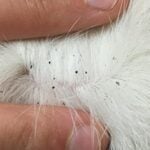
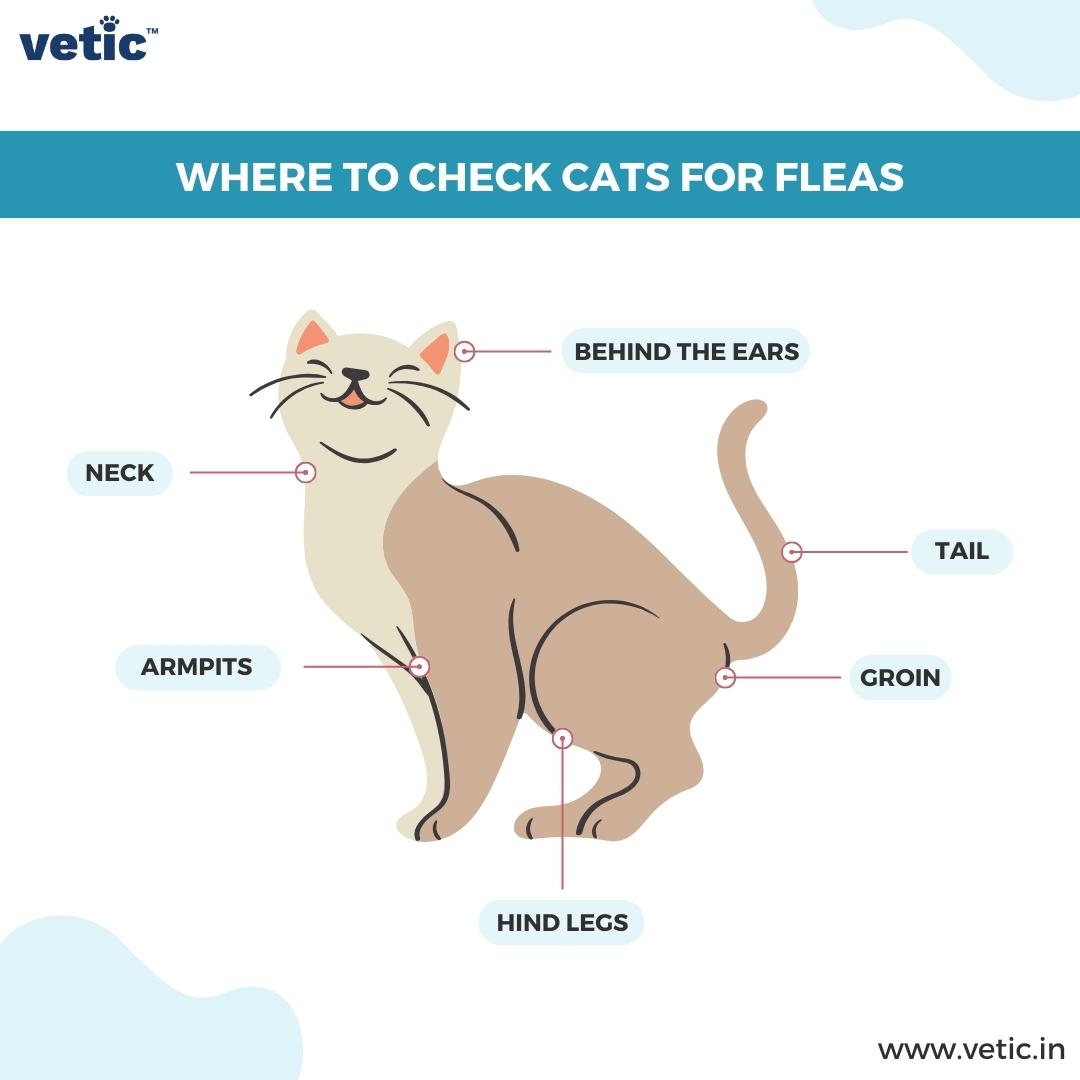
Fleas are tiny and fast, but you can spot them. Look for small, dark moving dots on your cat’s fur. Flea dirt, which looks like black specks, may appear. It is flea feces made of digested blood. Check areas like the neck, tail base, and belly.
Skin Reactions And Allergies
Flea bites can cause red bumps and sores on skin. Hair loss or scabs may show in affected spots. Some cats develop flea allergy dermatitis, a severe reaction. Their skin becomes inflamed, itchy, and uncomfortable. Watch for swelling or crusty patches on your cat’s skin.
Preventive Flea Treatments
Preventive flea treatments help keep your indoor cat safe from fleas. Even cats that stay indoors can catch fleas. Fleas can come in on shoes, other pets, or open doors. These tiny pests cause itching and discomfort. They can also spread diseases. Using preventive treatments stops fleas before they become a problem.
Topical Solutions
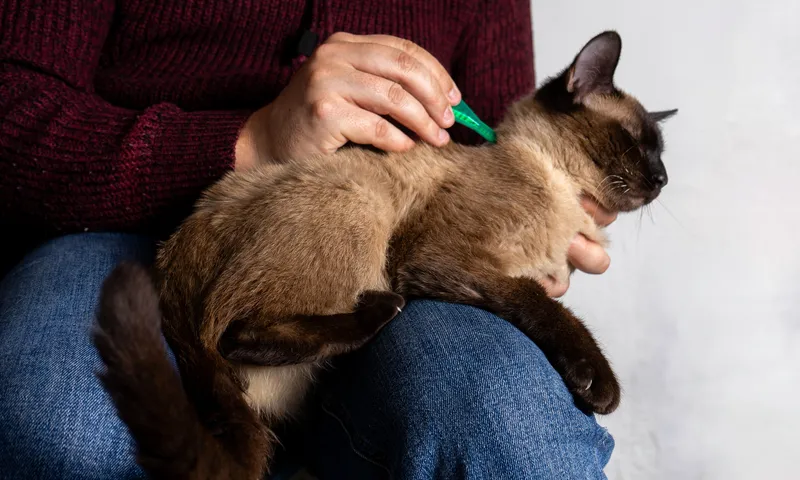
Topical flea treatments are liquids applied to your cat’s skin. Usually, pet owners put the drops between the shoulder blades. These treatments kill fleas quickly and keep working for weeks. They stop flea eggs from hatching too. Topical solutions are easy to use and water-resistant. Your cat needs these treatments regularly for best results.
Oral Medications
Oral flea medications come as tablets or chewables. Your cat swallows the medicine, which spreads through the bloodstream. This makes fleas die when they bite your cat. Some oral meds start working fast. Others protect your cat for a month or longer. They are a good choice for cats that don’t like topical drops.
Natural And Alternative Options
Natural flea treatments use plant-based ingredients. These include oils like neem or cedar. They repel fleas without strong chemicals. Some pet owners use herbal sprays or shampoos. These options may be gentler on sensitive cats. Effectiveness can vary, so watch your cat closely. Natural treatments work best combined with cleaning your home.
Credit: www.canpharm.com
Flea Treatment Safety For Indoor Cats
Flea treatment safety is very important for indoor cats. Even cats that stay inside can get fleas. Treating fleas carefully keeps your cat safe and healthy. Use products made for cats, not dogs.
Choosing The Right Product
Pick flea treatments made for indoor cats. Some products are too strong for cats. Avoid sprays or powders with harsh chemicals. Spot-on treatments are often safer and easier to use. Read labels carefully to check for cat-safe ingredients.
Potential Side Effects
Some flea treatments can cause side effects. Watch for itching, redness, or hair loss. Cats may become sleepy or lose appetite. Stop treatment if you see bad reactions. Side effects are rare but important to notice.
Consulting Your Veterinarian
Talk to your vet before starting flea treatment. Vets can recommend the safest and best product. They consider your cat’s age, weight, and health. Regular vet advice helps prevent mistakes and keeps cats safe.
Environmental Flea Control
Environmental flea control plays a key role in keeping indoor cats free from fleas. Fleas can hide in carpets, furniture, and other areas. Treating your home is as important as treating your cat. Clean spaces reduce the chance of flea eggs and larvae growing.
Cleaning And Vacuuming Tips
Vacuum floors, rugs, and furniture often. Flea eggs and larvae fall off your cat and hide in these places. Use a vacuum with strong suction to remove them well. Empty the vacuum bag or canister outside immediately. Wash your cat’s bedding and blankets in hot water weekly.
Treating The Home And Furniture
Use flea sprays or powders made for home use. Focus on areas your cat visits most. Treat carpets, pet beds, and upholstery carefully. Follow product instructions for safety and best results. Avoid spraying directly on your cat or their food.
Managing Other Pets
Other pets can carry fleas into your home. Treat all pets with flea control products recommended by your vet. Check pets regularly for signs of fleas. Isolate new pets until you confirm they are flea-free. Prevent flea spread by keeping all pets clean and treated.
When Flea Treatment Isn’t Necessary
Not all indoor cats need flea treatment. Some cats live in safe environments where fleas rarely appear. Knowing when flea treatment isn’t necessary helps avoid unnecessary chemicals. It also saves money and keeps your cat comfortable.
Low-risk Indoor Environments
Fleas thrive in warm, humid places with other animals. A home without pets that go outside lowers flea risk. If you keep your cat indoors all the time, flea chances drop. Clean floors and regular vacuuming also reduce flea eggs and larvae.
Signs You Can Skip Treatment
No scratching, biting, or hair loss means fewer fleas. Check your cat’s skin and fur often for fleas or dirt. Flea dirt looks like tiny black specks on fur. If you find none, your cat likely does not need treatment now.
Regular Monitoring Practices
Watch your cat’s behavior daily for signs of fleas. Use a flea comb to check the fur weekly. Keep your home clean and vacuum carpets often. Early detection stops fleas from spreading or causing problems.

Credit: fleasolve.com
Frequently Asked Questions
Do Indoor Cats Really Need Flea Treatment?
Yes, indoor cats can still get fleas. Fleas can enter through windows, doors, or on people. Regular treatment helps prevent infestations and keeps your cat healthy.
How Often Should Indoor Cats Get Flea Treatment?
Indoor cats generally need flea treatment every 4 to 6 weeks. This depends on the product and your vet’s advice. Consistent treatment prevents fleas from multiplying indoors.
Can Fleas Survive Inside A Home Without Pets?
Yes, fleas can survive indoors without pets for weeks. They hide in carpets, furniture, and bedding. Treating pets and home together is key to stopping fleas.
What Are Signs Of Fleas On Indoor Cats?
Look for excessive scratching, red skin, or tiny black specks in fur. Flea dirt or bites can indicate an infestation. Early detection helps prompt treatment.
Conclusion
Indoor cats can still get fleas from many sources. Flea treatment helps keep your cat safe and comfortable. Regular checks and preventive care are simple steps to avoid problems. Protecting your cat means fewer health issues and less stress. Talk to your vet about the best flea options.
Taking action early saves time and worry later. Keep your indoor cat happy and healthy with flea control. It’s a small effort with big benefits.