Last Updated on June 14, 2026
Are you tired of seeing fleas keep coming back no matter what you try? Fleas don’t just bite—they lay eggs that quickly turn into more pesky pests.
If you want to stop the problem at its source, you need flea medicine that kills eggs. Imagine a solution that not only gets rid of the adult fleas but also stops new ones from hatching. You’ll discover the best products and tips to break the flea cycle for good.
Keep reading to protect your home and keep your pets comfortable and flea-free.
How Flea Eggs Affect Infestations
Flea eggs play a key role in how infestations grow and persist. Understanding their impact helps in controlling fleas effectively. Eggs are often hidden and hard to reach. This makes stopping the infestation more difficult.
Life Cycle Of Fleas
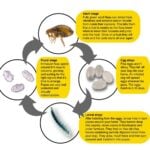
Fleas go through four stages: egg, larva, pupa, and adult. Female fleas lay eggs on pets or in their surroundings. Eggs fall off into carpets, bedding, and furniture. Eggs hatch into larvae in a few days. Larvae feed on organic debris before becoming pupae. Pupae develop into adult fleas ready to jump on hosts. This cycle repeats fast, causing infestations to grow quickly.
Challenges Of Eliminating Eggs
Flea eggs are tiny and often unseen. They stick to fabrics and cracks in floors. Eggs are protected from many sprays and treatments. Cleaning alone does not remove all eggs. Eggs can survive for days without a host. This makes them a hidden source of new fleas. Missing eggs means the problem will return after treatment.
Why Targeting Eggs Matters
Killing adult fleas is not enough to stop infestations. Eggs hatch and create new fleas quickly. Treating eggs stops the cycle early. This reduces the chance of fleas coming back. Products that kill eggs work best with cleaning and treating pets. Targeting eggs helps keep homes and pets flea-free longer.

Credit: www.walmart.com
Types Of Flea Medicines That Kill Eggs
Flea eggs hide in carpets, bedding, and pet fur. Killing these eggs stops fleas from growing and spreading. Many flea medicines target eggs to keep your home and pets safe. These products work in different ways and come in several forms.
Choosing the right type depends on your pet’s needs and your comfort. Here are common types of flea medicines that kill eggs effectively.
Topical Treatments
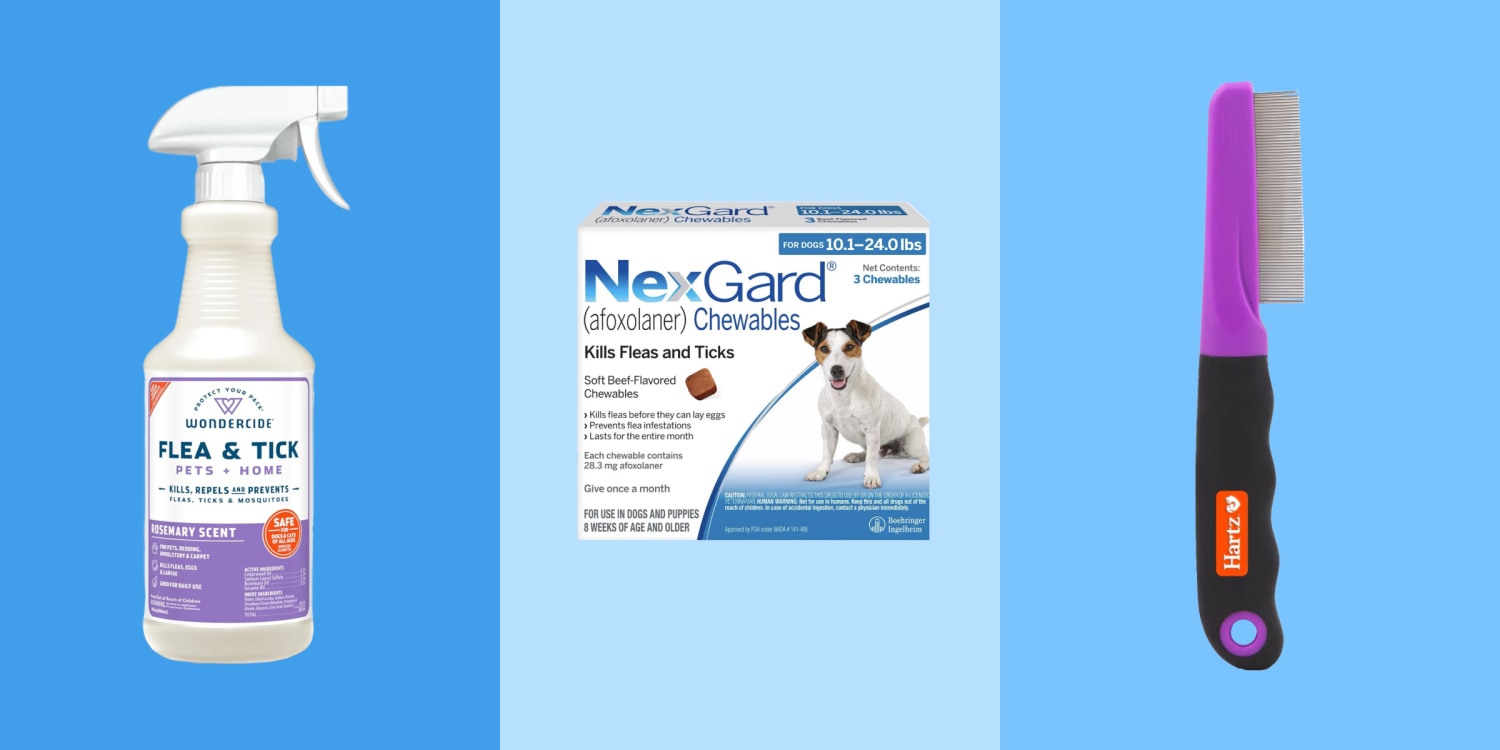
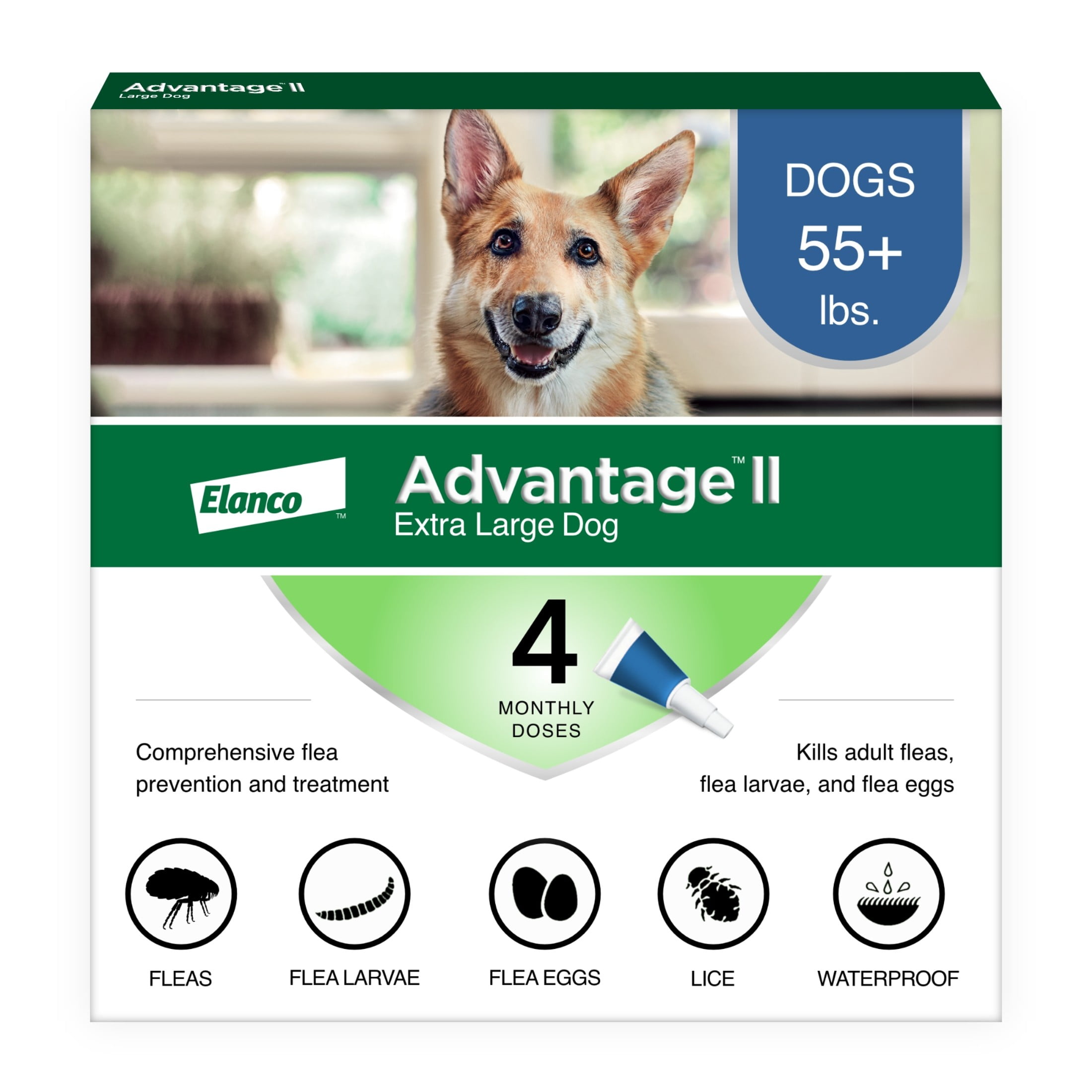
Topical treatments are liquid drops applied to your pet’s skin. They spread over the body and kill fleas and eggs. These treatments work fast and last for weeks. Easy to use, they protect pets without daily effort.
Oral Medications
Oral flea medicines come as pills or chewables. They enter the pet’s bloodstream and kill fleas when they bite. Some also stop eggs from hatching. These meds are simple to give and have long-lasting effects.
Sprays And Powders
Sprays and powders kill fleas and eggs on pets and in the home. Use sprays on furniture, carpets, and pet bedding. Powders can be sprinkled in hard-to-reach areas. Both help reduce flea eggs in the environment quickly.
Natural And Home Remedies
Natural options use safe ingredients like essential oils or diatomaceous earth. These help kill flea eggs without harsh chemicals. They work best combined with cleaning and regular pet care. Natural remedies are gentle for pets and humans.
Key Ingredients In Egg-killing Flea Products
Flea medicine that kills eggs stops the flea life cycle early. This prevents new fleas from hatching and multiplying on your pet. Knowing the key ingredients helps you choose the right product. These ingredients target eggs, larvae, and adult fleas effectively.
Insect Growth Regulators (igrs)
IGRs stop flea eggs from hatching. They also prevent larvae from growing into adult fleas. Common IGRs include methoprene and pyriproxyfen. These chemicals mimic natural hormones in fleas. They disrupt flea development, breaking the cycle of infestation.
Adulticide And Larvicide Components
Adulticides kill adult fleas quickly. Larvicides target flea larvae before they mature. Ingredients like fipronil and imidacloprid serve as adulticides. Others like spinosad work against larvae and adults. Combining these ensures broad flea control.
Safety Profiles For Pets
Safe flea medicine is crucial for your pet’s health. Most products undergo testing for dogs and cats. Read labels to check for age or weight limits. Follow the instructions carefully to avoid side effects. Consult a vet if unsure about safety.
Choosing The Right Flea Medicine
Choosing the right flea medicine is important to protect your pet and home. Different products work in different ways. Some kill adult fleas, while others stop flea eggs from hatching. Picking the right one helps control the problem faster. Consider your pet’s needs and your home situation before buying.
Pet Age And Health Considerations
Some flea medicines are not safe for young or sick pets. Check the label for age limits. Older pets may need gentler formulas. Always consult a vet before starting treatment. A healthy pet tolerates medicine better. Safety is the top priority.
Severity Of Infestation
Light infestations may only need spot treatments. Heavy infestations require stronger or longer treatments. You might need to treat your pet more than once. Some medicines kill fleas quickly and stop eggs from hatching. Act fast to avoid more fleas.
Indoor Vs Outdoor Treatment Needs
Indoor pets may need medicine that works inside the house. Outdoor pets face more flea risks. Outdoor treatments might include sprays or powders for the yard. Treat your pet and environment for best results. Fleas can hide in grass and soil.
Proper Application Techniques
Using flea medicine that kills eggs requires careful application. Proper techniques ensure the medicine works well. This stops fleas from growing and spreading in your pet’s environment. Follow these steps to get the best results and keep your pet safe.
Administering Topical Solutions
Part the fur at the pet’s neck base. Apply the solution directly to the skin. Avoid putting it on the fur only. Use the full dose as the label says. Do not bathe your pet two days before or after. This keeps the medicine from washing away. Keep your pet calm during application to prevent licking.
Oral Medication Tips
Give oral flea medicine with food to reduce stomach upset. Check the correct dosage for your pet’s weight. Use a pill pocket or hide medicine in a treat. Watch your pet after giving medicine for any reactions. Follow the vet’s advice for how often to give pills.
Treating Home And Environment
Fleas lay eggs in carpets, bedding, and furniture. Clean these areas well to stop fleas from returning. Wash pet bedding weekly in hot water. Vacuum floors and furniture daily, then empty the vacuum bag. Use sprays or foggers safe for pets to kill eggs at home. Treat all pets in the house at the same time.
Credit: www.nbcnews.com
Preventing Future Flea Infestations
Preventing future flea infestations is key to keeping pets and homes comfortable. Flea medicine that kills eggs stops the cycle early. Yet, ongoing care matters most. Simple daily actions can keep fleas away for good.
Regular Pet Grooming
Brush your pet daily to spot fleas and eggs. Use a flea comb to remove them gently. Bathing pets with flea shampoo adds protection. Grooming helps catch infestations before they grow. Healthy skin and fur resist fleas better.
Home Cleaning Strategies
Vacuum floors, carpets, and furniture often. Flea eggs and larvae hide in cracks and fabric. Wash pet bedding in hot water weekly. Clean areas pets visit the most. This reduces flea eggs and stops them from hatching.
Seasonal Flea Control
Fleas grow fast in warm months. Use flea medicine year-round to prevent outbreaks. Talk to your vet about the best products. Treat your yard to cut flea numbers outside. Seasonal care keeps fleas from returning every year.
Common Mistakes To Avoid
Using flea medicine that kills eggs is key to ending infestations. Many pet owners make mistakes that reduce the medicine’s effect. Avoiding these errors helps protect your pet and home better.
Skipping Follow-up Treatments
Flea eggs hatch over several days. One treatment is not enough to kill all eggs. Skipping follow-up doses lets new fleas grow and spread. Always finish the full treatment schedule for best results.
Using Incompatible Products
Some flea products do not work well together. Mixing incompatible medicines can cause side effects or reduce effectiveness. Use products designed to be combined or consult a vet before mixing treatments.
Neglecting Environmental Control
Fleas live in carpets, bedding, and furniture. Treating your pet alone does not remove fleas from the home. Clean and vacuum regularly. Wash pet bedding often. Use home flea sprays if needed to kill eggs and larvae.
Credit: www.walmart.com
When To Consult A Veterinarian
Knowing when to consult a veterinarian about flea medicine that kills eggs is important. Some signs show that professional help is needed. Early care can prevent serious problems for your pet.
Signs Of Severe Infestation
Pets with many fleas often scratch and bite their skin. Hair loss and red, irritated patches may appear. Fleas can cause infections or allergic reactions. If fleas seem to multiply fast, see a vet quickly. Severe infestations may need strong treatments.
Adverse Reactions To Flea Medicines
Some pets react badly to flea medicines. Watch for vomiting, diarrhea, or unusual tiredness. Swelling or redness at the medicine site can occur. If your pet shows these signs, stop using the product. A vet can suggest safer options or help ease symptoms.
Customized Treatment Plans
Each pet is different and needs a unique approach. A vet can create a plan based on your pet’s age, weight, and health. They may combine medicine with other methods, like cleaning your home. Proper plans improve flea control and keep your pet safe.
Frequently Asked Questions
What Flea Medicine Kills Flea Eggs Effectively?
Flea medicines with insect growth regulators (IGRs) like methoprene or pyriproxyfen kill flea eggs effectively. They stop eggs from hatching, breaking the flea life cycle. Use spot-on treatments or sprays containing IGRs for best results.
How Long Does Flea Medicine Take To Kill Eggs?
Flea medicine usually takes 24 to 48 hours to kill flea eggs. The IGRs prevent eggs from hatching after application. Continuous treatment over several weeks ensures complete elimination of all eggs and larvae.
Can Flea Medicine Kill Both Fleas And Eggs?
Yes, many flea medicines kill adult fleas and flea eggs simultaneously. Products with adulticides and IGRs target all flea life stages. This dual action helps control infestations faster and more effectively.
Are Natural Flea Medicines Effective Against Eggs?
Natural flea medicines may reduce flea eggs but are less reliable. Essential oils and herbal sprays can repel fleas but don’t always kill eggs. For full control, use veterinary-recommended products with proven egg-killing ingredients.
Conclusion
Choosing flea medicine that kills eggs stops the flea life cycle fast. It protects pets and homes from future infestations. Regular treatment keeps fleas from coming back again. Always follow product instructions for best results. Safe and effective options exist for every pet.
Protect your furry friends with the right medicine today. No more flea eggs means no more fleas soon. Peace of mind starts with smart flea control.