
Last Updated on June 12, 2026
If you’re a cat owner, you know how frustrating fleas can be for your furry friend—and for you. Those tiny pests don’t just cause itching; they can lead to serious health problems.
You’ve probably heard about topical flea medicine, but how exactly does it work to keep your cat safe? Understanding how these treatments work can help you choose the best option and protect your cat effectively. Keep reading to discover the simple science behind topical flea medicine and how it helps keep your cat comfortable and flea-free.

Credit: www.toe-beans.com
How Fleas Affect Cats
Fleas cause many problems for cats. These tiny insects bite and feed on a cat’s blood. This causes discomfort and itching. Fleas can make cats restless and unhappy. They can also lead to serious health issues. Understanding how fleas affect cats helps in protecting them better.
Common Flea Problems
Fleas cause intense itching and scratching. Cats may lose fur from constant scratching. Skin becomes red and inflamed. Some cats develop flea allergy dermatitis. This is a strong allergic reaction to flea bites. Fleas can also cause small black specks on the cat’s skin. These are flea dirt, which is flea waste. Fleas spread quickly, making it hard to keep cats comfortable.
Health Risks From Flea Infestations
Fleas can carry harmful diseases. They may transmit tapeworms if swallowed by the cat. Fleas can also cause anemia in kittens and small cats. This happens when many fleas feed on the blood. Severe flea infestations can weaken a cat’s immune system. It makes cats more prone to other infections. Treating flea infestations early is key to avoiding these risks.
Types Of Topical Flea Medicines
Topical flea medicines for cats come in different types. Each type works to protect your cat from fleas. They kill fleas on contact or stop their growth. Choosing the right type depends on your cat’s needs and health.
Some products use chemicals, while others are made from natural ingredients. Understanding these types helps in picking the best treatment for your cat.
Spot-on Treatments
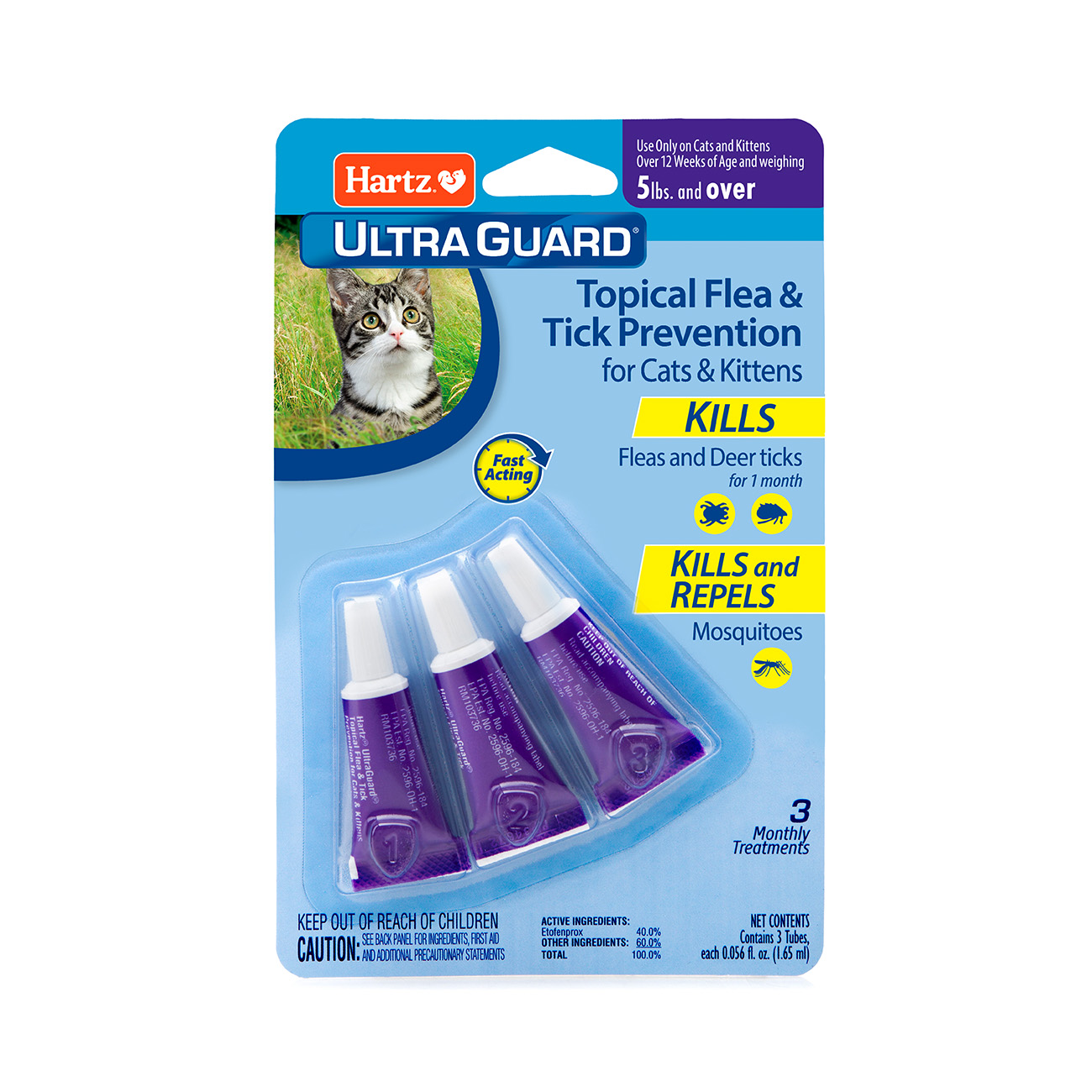
Spot-on treatments are the most common topical flea medicines. You apply a small drop on your cat’s skin, usually between the shoulder blades. The medicine spreads through the skin oils and kills fleas quickly. It also prevents new fleas from hatching. Spot-on treatments are easy to use and last for about a month. They protect your cat without daily effort.
Natural And Chemical Options
Chemical topical flea medicines use ingredients that kill fleas fast. They target the flea’s nervous system or stop eggs from growing. These products are very effective but should be used carefully on sensitive cats.
Natural options use plant-based oils and extracts. They repel fleas and soothe your cat’s skin. Natural medicines are gentler but may need more frequent application. They suit cats with sensitive skin or allergies better.
How Topical Flea Medicine Works
Topical flea medicine protects cats by targeting fleas directly on their skin. It uses special ingredients that work quickly and last long. Understanding how this medicine works helps pet owners keep their cats safe and flea-free. The process involves two main steps: absorption and distribution, followed by killing fleas and preventing new infestations.
Absorption And Distribution
Topical flea medicine is applied to a small area on the cat’s skin. Usually, this spot is between the shoulder blades. The medicine spreads across the skin’s surface. It absorbs through the skin into the oils on the cat’s body. These oils carry the medicine over the whole body. The medicine does not soak deep into the bloodstream. It stays mostly on the skin and fur where fleas live.
Killing Fleas And Preventing Reinfestation
The medicine attacks fleas when they bite the cat. It disrupts their nervous system, causing them to die quickly. This stops fleas from biting and laying eggs on the cat. Some formulas also kill flea eggs and larvae. This helps stop new fleas from growing. The medicine stays effective for weeks, protecting the cat from future fleas. Regular use keeps fleas away and prevents reinfestation.
Applying Topical Flea Medicine Safely
Applying topical flea medicine safely is important for your cat’s health. These medicines kill fleas and stop infestations quickly. Proper use ensures the medicine works well and avoids harm. Follow clear steps and choose the right product for your cat’s needs.
Choosing The Right Product For Your Cat
Select a flea medicine made specifically for cats. Products for dogs can be harmful to cats. Check your cat’s weight and age before buying. Use only approved products from trusted brands. Avoid medicines with strong chemicals if your cat is young or sick.
Talk to your vet if unsure about the best product. Some cats need special treatments due to allergies or other health issues. Using the correct product reduces risks and improves flea control.
Step-by-step Application Tips
Start by reading the instructions on the product package. Prepare a calm space where your cat feels safe. Part your cat’s fur at the neck or between the shoulder blades. Apply the medicine directly on the skin, not the fur.
Use the full dose recommended for your cat’s weight. Avoid touching the liquid with your hands. Wash your hands well after application. Do not bathe your cat for 24 to 48 hours after applying the medicine.
Keep your cat away from other pets until the medicine dries. Check your cat daily for any signs of irritation or discomfort. Contact your vet if your cat shows unusual reactions.
Speed Of Relief And Effectiveness
Topical flea medicine works fast to stop fleas bothering your cat. It begins working soon after application. The medicine spreads on the cat’s skin and kills fleas quickly. It also protects your cat from new fleas for weeks. Understanding how fast it works helps you keep your cat comfortable and flea-free.
How Quickly Fleas Die
The medicine starts killing fleas within hours. Fleas feel the effect soon after contact with the treated skin. Most fleas die within 24 to 48 hours. This quick action stops fleas from biting and laying eggs. Fast flea death lowers itching and irritation for your cat.
Duration Of Protection
Topical flea treatments protect your cat for about a month. The medicine stays on the skin and fur during this time. It kills new fleas before they can cause problems. Monthly application keeps your cat safe from fleas all year. Consistent use is key to long-term flea control.
Possible Side Effects And Precautions
Topical flea medicine helps protect cats from fleas but may cause side effects. Knowing these possible reactions and taking precautions is important for your cat’s safety. Always observe your cat closely after applying the medicine. Early detection of any problems can prevent serious health issues.
Signs Of Adverse Reactions
Watch for redness or swelling where the medicine was applied. Your cat may scratch or lick the area more than usual. Loss of appetite, vomiting, or diarrhea can also occur. Some cats become restless or show unusual behavior. Hair loss or dry skin might be a sign too. These symptoms mean your cat is not reacting well.
When To Contact A Veterinarian
Call your veterinarian if your cat shows any severe symptoms. Difficulty breathing, seizures, or weakness need immediate attention. If vomiting or diarrhea lasts more than a day, seek help. Persistent itching or skin damage is another reason to call. Never ignore serious or worsening symptoms after using flea medicine. Quick action keeps your cat safe and healthy.
Maintaining Flea Control Long Term
Keeping fleas away from your cat is an ongoing task. Fleas can come back fast without steady care. Using topical flea medicine helps kill fleas on your cat. Still, long-term control needs more than just medicine. You must keep up with treatments and manage your cat’s environment. These steps work together to stop fleas from returning.
Regular Treatment Schedules
Apply topical flea medicine on your cat at the right time. Most medicines need a dose every month. Follow the instructions on the package carefully. Skipping doses lets fleas grow and multiply. Regular treatment keeps fleas from building resistance. Mark your calendar to remember each dose. Consistency is key to keeping fleas away for good.
Combining With Environmental Controls
Fleas live not only on your cat but also in your home. Clean your cat’s bedding and vacuum floors often. Wash blankets and cushions in hot water. Use flea sprays or powders in rooms your cat visits. These steps kill flea eggs and larvae hiding indoors. Treating both your cat and home stops fleas from coming back. It creates a safe, flea-free space for your pet.
Credit: www.hartz.com

Credit: www.toe-beans.com
Frequently Asked Questions
How Does Topical Flea Medicine Kill Fleas On Cats?
Topical flea medicine contains ingredients that target fleas’ nervous systems. It kills adult fleas quickly and prevents new ones from hatching. The medicine spreads across your cat’s skin and coat, providing effective, long-lasting protection against fleas.
How Often Should I Apply Topical Flea Treatment On Cats?
Most topical flea treatments require monthly application. Follow the product instructions carefully to maintain effective flea control. Regular application ensures continuous protection and prevents flea infestations on your cat.
Are Topical Flea Medicines Safe For Cats?
Yes, when used as directed, topical flea medicines are safe for cats. Always choose products specifically formulated for cats. Consult your veterinarian before use, especially for kittens or cats with health issues.
Can Topical Flea Medicine Prevent Flea Infestations At Home?
Topical flea medicine primarily protects your cat but also reduces fleas in your home. By killing fleas on your cat, it breaks the flea life cycle and helps prevent infestations in your living space.
Conclusion
Topical flea medicine works by killing fleas quickly on your cat’s skin. It spreads over the body and stops new fleas from growing. This helps keep your cat comfortable and healthy. Using it regularly can prevent flea problems before they start.
Always follow the instructions for best results and safety. Taking care of your cat means fewer fleas and less itching. Simple steps make a big difference in flea control. Your cat will thank you with less scratching and more purring.