Last Updated on August 25, 2026
Have you ever wondered if your pet truly enjoys the kibble you give them every day? You want to make sure your furry friend is happy and healthy, but how can you tell if they actually like their food?
Understanding your pet’s preferences can help you choose the best meals that keep them excited at mealtime. Keep reading to discover the surprising truth about pets and kibble—and learn simple tips to make every bite a joy for your companion.
Pets’ Natural Eating Habits
Pets have eating habits shaped by their biology and history. Understanding these habits helps us choose the right food. Pets like cats and dogs come from different backgrounds. Their natural diets show what they need to stay healthy.
Pet food makers try to copy these diets. Kibble is a common choice for many pet owners. Knowing how pets eat in the wild shows if kibble fits their needs.
Carnivores Vs Omnivores
Carnivores eat mostly meat. Cats are true carnivores. They need animal protein to survive. Dogs are omnivores. They can eat both meat and plants. This difference affects what food suits them best.
Carnivores have sharp teeth for tearing meat. Omnivores have teeth for chewing various foods. Their stomachs also digest food differently.
Wild Diets Compared To Pet Food
Wild animals eat fresh, raw food. Their diet includes whole prey like mice or birds. This food is rich in protein and moisture. Wild diets have vitamins and minerals from natural sources.
Pet food, like kibble, is processed. It often lacks the moisture found in wild diets. Manufacturers add vitamins and minerals to balance nutrition. The texture and taste differ from what pets eat in nature.
Evolution Of Domestic Pet Diets
Domestic pets eat different food than their ancestors. Humans started feeding pets leftovers and scraps. Over time, pet food evolved to meet nutritional needs. Kibble became popular for its convenience and shelf life.
Pets have adapted to new diets but still keep some natural preferences. Some pets enjoy kibble, while others prefer wet or raw food. Their natural habits guide these preferences.
Credit: www.houndsy.com
What Is Kibble Made Of
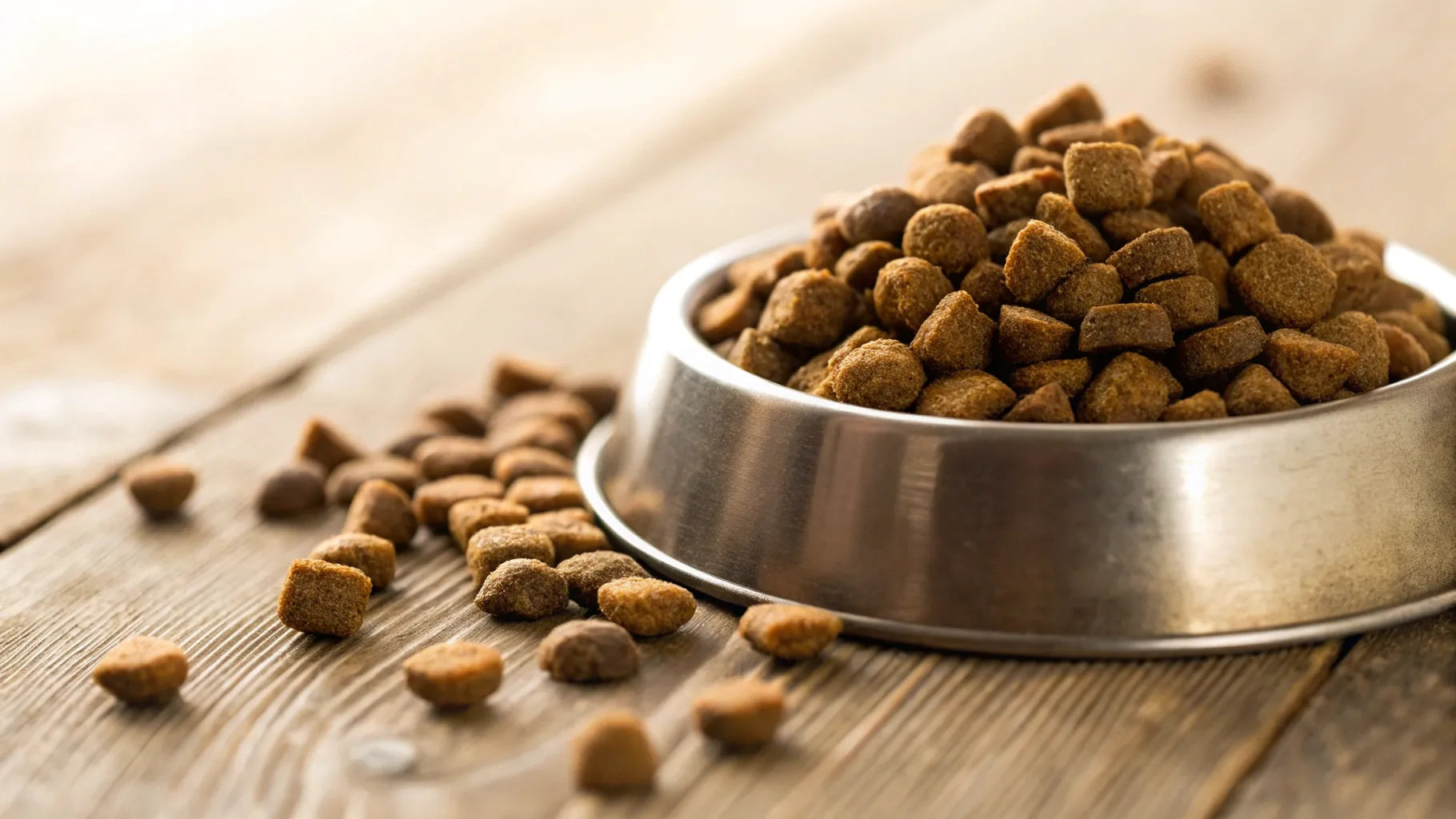
Kibble is a popular type of pet food made into small, dry pieces. It is designed to be easy to store and serve. Understanding what kibble contains helps pet owners choose the right food. The ingredients and nutritional content vary by brand and type. Knowing what goes into kibble can help you decide if it suits your pet’s needs.
Common Ingredients In Kibble
Kibble often contains meat or meat meal as the main ingredient. This provides protein essential for pets. Grains like corn, wheat, or rice are common fillers. Vegetables and fruits add vitamins and minerals. Some kibble uses by-products, which are parts of animals not typically eaten by humans. Oils and fats give energy and improve taste. Fiber sources help with digestion.
Nutritional Content Analysis
Kibble usually offers a balance of protein, fat, and carbohydrates. Protein supports muscle and tissue health. Fat provides energy and helps absorb vitamins. Carbohydrates supply additional energy and fiber. Vitamins and minerals are added to meet pets’ daily needs. Different formulas target puppies, adults, or senior pets. Reading labels helps ensure proper nutrition for your pet.
Additives And Preservatives
Kibble contains additives to improve flavor and texture. Preservatives keep the food fresh and safe to eat. Some preservatives are natural, like mixed tocopherols (vitamin E). Others are synthetic, such as BHA or BHT. Coloring agents may be added to make kibble look appealing. Always check for ingredients that your pet may be sensitive to.
Pets’ Taste Preferences
Pets have unique ways of enjoying their food. Their taste preferences shape what they like to eat and how they respond to different types of kibble. Understanding these preferences helps pet owners choose better food options. It also improves pets’ eating habits and health.
Several factors influence a pet’s taste, including how they sense flavor, the texture of food, and even their personal likes and dislikes. These elements make each pet’s taste experience different and interesting.
How Pets Perceive Flavor
Pets sense flavor through taste buds and smell. Dogs have around 1,700 taste buds, cats fewer. This affects how strongly they taste sweetness, bitterness, and saltiness. Smell plays a larger role for pets than taste alone. It helps them decide if food is fresh or tasty. Their flavor perception is different from humans but still complex.
Texture And Smell Importance
Texture is a big factor in pets liking kibble. Crunchy kibble feels different than soft or chewy food. Many pets enjoy the crunch because it helps clean teeth. Smell triggers appetite and interest. Strong smells attract pets to food. Mild or bland smells may cause less excitement. Good kibble balances texture and smell well.
Individual Differences Among Pets
Each pet has its own taste likes and dislikes. Some pets prefer meat flavors, others fish or vegetables. Age can affect taste sensitivity. Older pets may like milder flavors. Breed and health also change preferences. Observing your pet’s reactions helps find the best kibble. Personal differences make feeding pets a unique task.
Credit: www.kibblesnbits.com
Do Pets Actually Like Kibble
Pets have different feelings about kibble. Some love it, while others seem to dislike it. Understanding their reactions helps pet owners choose the right food. Let’s explore how pets show they enjoy kibble and why some may reject it.
Signs Pets Enjoy Kibble
Pets that like kibble eat it eagerly and quickly. They wag their tails or purr when food is near. Some pets lick their bowls clean after meals. These actions show pleasure and satisfaction with their food.
Pets That Reject Kibble
Some pets refuse to eat kibble or eat very little. They may sniff the food and walk away. Others may seem bored or upset during meal times. This behavior indicates dislike or discomfort with their food.
Factors Influencing Acceptance
Texture and flavor affect how pets feel about kibble. Freshness and smell also play a big role. Pets may prefer certain brands or recipes over others. Age, health, and past experiences influence their choices too.
Health Impacts Of Kibble
Understanding the health impacts of kibble helps pet owners make better feeding choices. Kibble is a common pet food type, but its effects on health vary. Some pets thrive, while others face issues. Knowing both sides is key to good pet care.
Benefits Of Kibble Diets
Kibble is easy to store and serve. It contains balanced nutrients tailored for different pet needs. Many brands add vitamins and minerals to support pet health. Kibble also helps keep teeth clean by reducing plaque. It is affordable and available in many varieties.
Potential Health Concerns
Kibble often contains fillers like corn and wheat. These fillers may cause allergies or digestive problems in some pets. High carbohydrate levels can lead to weight gain or diabetes. Some kibble contains preservatives that might harm sensitive pets. Poor quality kibble lacks enough protein for muscle health.
Alternatives To Kibble
Raw diets offer fresh meat and vegetables for pets. Home-cooked meals allow control over ingredients and freshness. Wet food provides higher moisture content to support hydration. Freeze-dried options keep nutrients while offering convenience. Choosing the right diet depends on pet needs and preferences.
Tips For Feeding Kibble
Feeding your pet kibble can be simple and healthy with the right approach. Kibble offers convenience but needs careful selection and handling. Follow these tips to make sure your pet enjoys meals and stays well-nourished.
Choosing Quality Kibble
Pick kibble with clear ingredient lists and high protein content. Look for named meat sources like chicken or beef. Avoid foods with too many fillers like corn or wheat. Check for added vitamins and minerals to support health. Choose brands that meet AAFCO standards for pet nutrition. Quality kibble helps pets get balanced nutrients daily.
Transitioning Pets To New Foods
Switch foods slowly to avoid stomach upset. Mix small amounts of new kibble with old food. Increase new food gradually over 7 to 10 days. Watch for changes in appetite or digestion. Give fresh water at every meal to aid digestion. A slow switch helps pets accept new flavors easily.
Enhancing Kibble Appeal
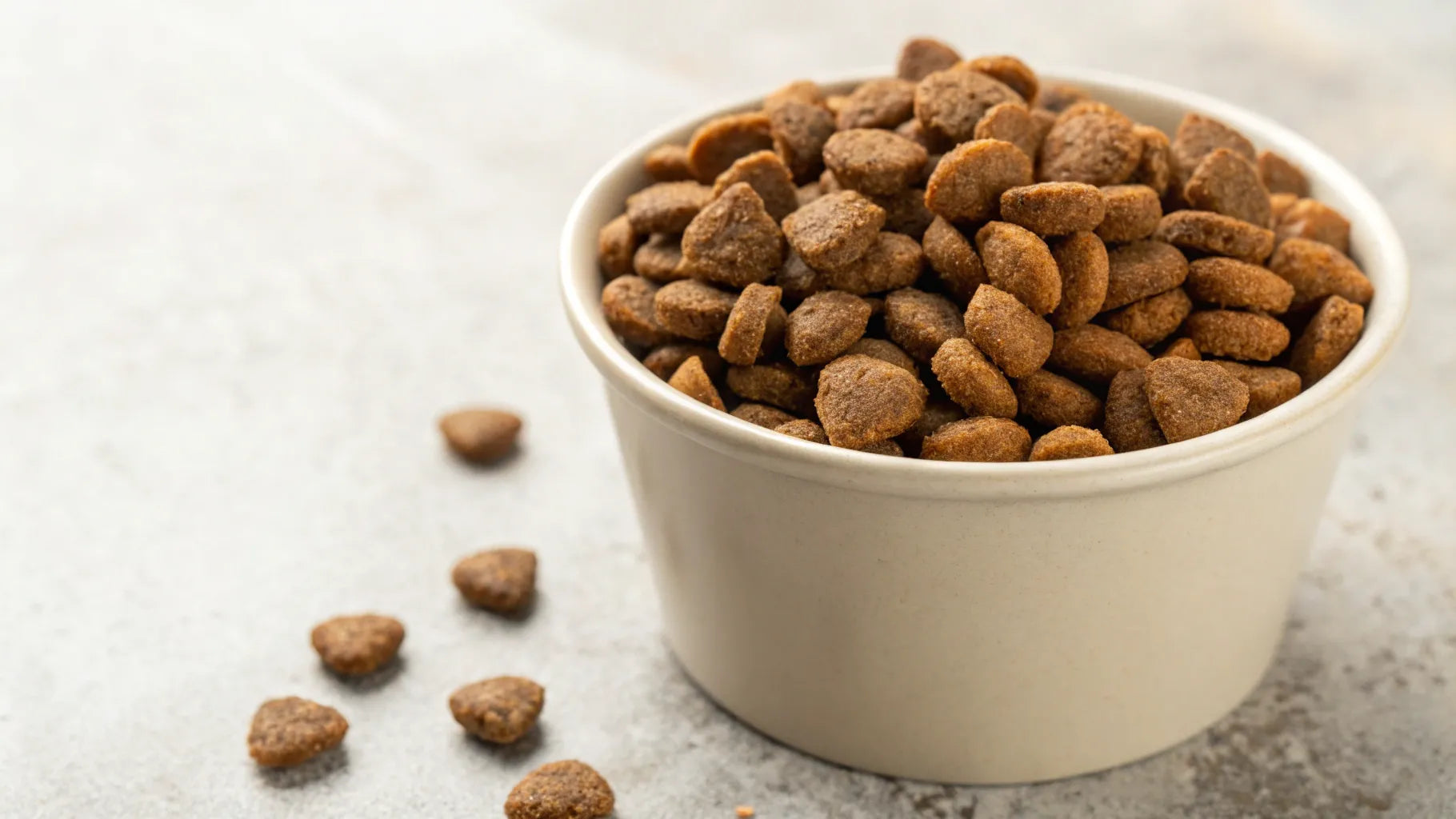
Warm kibble slightly to release aroma and flavor. Add a spoon of low-sodium broth or canned food for taste. Mix in small pieces of cooked vegetables or meat. Avoid adding too many extras to keep meals balanced. Use clean bowls and feed in a quiet place. These tricks can make meals more inviting for picky eaters.
Credit: www.houndsy.com
Frequently Asked Questions
Do Pets Generally Prefer Kibble Over Wet Food?
Pets often prefer kibble for its crunch and texture. However, preferences vary by pet type and individual taste. Kibble is convenient and helps with dental health. Wet food is softer and more aromatic, which some pets like better. Offering both can satisfy different pet preferences.
Is Kibble A Healthy Diet Choice For Pets?
Kibble can be healthy if it contains balanced nutrients. Look for quality ingredients, including proteins, fats, and vitamins. Some kibble brands add fillers or preservatives, so choose carefully. Consult your vet for diet recommendations tailored to your pet’s needs and health conditions.
How Do Pets React To Kibble Texture And Taste?
Pets usually enjoy kibble’s crunchy texture, which helps clean teeth. Taste varies by brand and formula, influencing pet preference. Some pets may reject kibble if it lacks palatability. Mixing kibble with wet food can improve flavor and acceptance for picky eaters.
Can Kibble Meet All Nutritional Needs Of Pets?
High-quality kibble can meet most pets’ nutritional needs when properly formulated. It includes essential proteins, fats, vitamins, and minerals. However, some pets require supplements or special diets due to allergies or health issues. Always check ingredient labels and consult a veterinarian for best results.
Conclusion
Pets often enjoy kibble because it is tasty and easy to eat. Many pet owners choose kibble for convenience and nutrition. Each pet has its own likes and dislikes, though. Watching your pet’s reaction helps you know what they prefer.
Choosing the right food keeps pets happy and healthy. Always consider their needs and try different options. Feeding time should be a pleasant moment for both pets and owners. Kibble can be a good choice, but variety matters too.