Last Updated on June 12, 2026
Are you tired of battling fleas on your pets or around your home? You might have heard that baking soda could be a simple, natural way to get rid of these pesky bugs.
But does baking soda really kill fleas, or is it just a myth? Before you try this common home remedy, it’s important to know how effective it is and how to use it safely. Keep reading to find out the truth about baking soda and fleas—and discover the best ways to protect your furry friends and your home.
How Fleas Affect Pets And Homes
Fleas cause many problems for pets and homes. These tiny pests can spread quickly and cause discomfort. Understanding how fleas affect your family helps you protect your pets and living space.
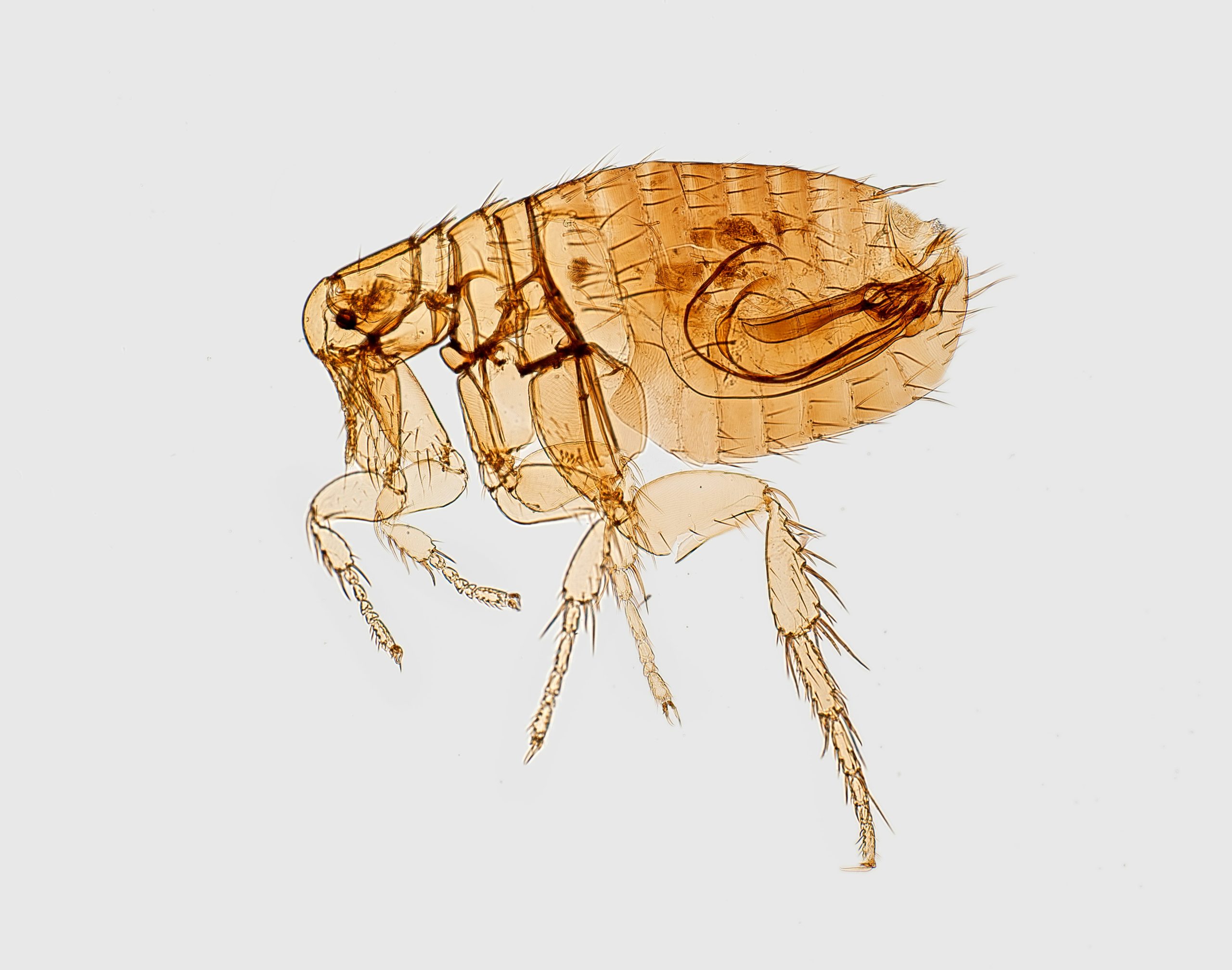
Fleas feed on the blood of animals. They live on pets but also hide in carpets, furniture, and bedding. This makes them hard to remove without proper care.
Flea Life Cycle
Fleas have four life stages: egg, larva, pupa, and adult. Eggs drop off pets into the environment. Larvae hatch and feed on organic debris. Pupae stay hidden until ready to emerge. Adult fleas jump on pets to feed and lay eggs. This cycle repeats fast, causing infestations to grow.
Common Signs Of Flea Infestation
Pets scratching often may have fleas. Look for small, dark fleas or flea dirt on fur. Flea dirt looks like tiny black specks. Pets may have red, irritated skin from bites. Fleas also cause restlessness and discomfort. Finding fleas in carpets or bedding signals a home infestation.
Health Risks From Fleas
Fleas carry diseases and parasites harmful to pets. They can cause allergic reactions and skin infections. Severe infestations may lead to anemia in small or weak animals. Fleas can also spread tapeworms if swallowed. Protecting pets from fleas prevents these health issues.

Credit: www.youtube.com
Baking Soda As A Flea Remedy
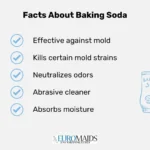
Baking soda is a common household item often suggested as a natural flea remedy. Many people choose it because it is cheap and easy to find. It is believed to help get rid of fleas without harsh chemicals. Understanding how baking soda works against fleas can help you decide if it suits your needs.
Let’s explore the properties of baking soda that may affect fleas. Then, we will look at how it impacts flea bodies. Finally, we will compare it to chemical treatments for flea control.
Properties That Target Fleas
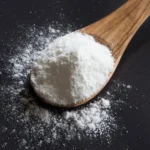
Baking soda is a fine, powdery substance. It has drying qualities that can harm small insects. It also has a mild abrasive texture. This texture can irritate flea bodies and eggs. Fleas can struggle to survive in dry, rough environments. These properties make baking soda a popular choice for flea control.
How Baking Soda Affects Flea Exoskeletons
Fleas have hard outer shells called exoskeletons. Baking soda particles can stick to these shells. The powder may cause tiny scratches. This damages the shell’s protective layer. Without this layer, fleas lose moisture and die. Baking soda can also dry out flea eggs, stopping new fleas from hatching.
Comparing Baking Soda To Chemical Treatments
Chemical flea treatments use strong ingredients to kill fleas fast. They work quickly but can have side effects. Baking soda is safer but less powerful. It takes longer to show results. Chemicals may kill all fleas in a few days. Baking soda may reduce flea numbers gradually. It is best for mild flea problems or as a preventive measure.
Using Baking Soda For Flea Control
Baking soda is a common household item that some people use to fight fleas. It is natural and easy to find. Using baking soda for flea control can help reduce flea problems around your home and pets. It works by drying out fleas and making the environment less friendly for them.
Application Methods On Pets
Sprinkle baking soda on your pet’s fur gently. Use a soft brush to rub it in. This can help remove fleas and eggs from the fur. Leave it on for a few minutes, then brush it out. Do not use baking soda on open wounds or irritated skin. Avoid getting it in your pet’s eyes or mouth.
Treating Home Environments
Sprinkle baking soda on carpets, rugs, and pet bedding. Let it sit for 15 to 20 minutes. Vacuum the area thoroughly to remove fleas and eggs. Repeat this process regularly to keep fleas under control. Baking soda can dry fleas and make them easier to remove.
Safety Tips And Precautions
Use baking soda carefully around pets and children. Avoid inhaling the powder. Do not apply large amounts directly on your pet’s skin. Test a small area first to check for any reaction. Baking soda is safe in small amounts but should not replace professional flea treatments if needed.
Credit: naturalcarepestcontrol.com
Limitations Of Baking Soda
Baking soda is a popular home remedy for killing fleas. It is cheap and easy to use. But it has clear limits. Understanding these limits helps you choose the right flea treatment.
Baking soda may not work well on serious flea problems. It can cause some harm if used wrongly. Knowing when to ask for expert help is important for your pet’s safety.
Effectiveness On Severe Infestations
Baking soda can kill fleas by drying them out. This works best on small flea numbers. If your pet has many fleas, baking soda alone won’t fix the problem. Fleas multiply fast and hide in carpets, beds, and cracks. Baking soda cannot reach all these places well. Severe infestations need stronger treatments.
Potential Risks For Pets And Humans
Baking soda is generally safe in small amounts. But too much can irritate your pet’s skin. Pets may also lick baking soda and get upset stomachs. For humans, inhaling baking soda dust can cause coughing or sneezing. Avoid using it near your pet’s eyes and nose. Always use baking soda carefully and in moderation.
When To Seek Professional Help
If fleas keep coming back after baking soda use, it is time to see a vet. Pets scratching a lot or losing hair need expert care. Professionals can offer stronger, safer flea treatments. They also check for other health issues caused by fleas. Don’t wait too long to get help. This protects your pet and your home.
Additional Natural Flea Remedies
Fleas can be tough to get rid of. Many people want to avoid harsh chemicals in their homes. Natural flea remedies offer safe ways to control these pests. These options can work well alongside baking soda or on their own. Here are some effective natural treatments you can try.
Diatomaceous Earth
Diatomaceous earth is a powder made from tiny fossilized algae. It is very sharp under a microscope. This powder cuts through the flea’s outer shell. It dries out their body and kills them. Sprinkle it on carpets, pet bedding, and furniture. Leave it for a few hours, then vacuum it up. Use food-grade diatomaceous earth for safety.
Essential Oils
Some essential oils repel fleas naturally. Oils like lavender, peppermint, and eucalyptus work well. Mix a few drops with water in a spray bottle. Spray on pet fur, bedding, or areas where fleas hide. Avoid using oils directly on pets without dilution. Always check if your pet is sensitive to oils first.
Herbal Treatments
Herbs like rosemary and thyme can help keep fleas away. You can make a herbal rinse for your pet’s fur. Boil the herbs in water, let cool, and pour over your pet after bathing. This soothes the skin and acts as a flea repellent. Planting these herbs in your yard may also reduce fleas outdoors.
Preventing Future Flea Problems
Preventing future flea problems is key to keeping pets and homes comfortable. Fleas multiply quickly and can cause ongoing issues if not controlled. Simple habits and routines help stop fleas from coming back. Focus on regular care and a clean space to reduce flea risks. Seasonal steps can also help maintain flea control throughout the year.
Regular Grooming Practices
Brush pets often to catch fleas early. Use a flea comb to remove eggs and adults. Bathing pets with flea shampoo can reduce flea numbers. Check pets regularly, especially after outdoor activities. Healthy skin resists fleas better. Grooming keeps pets clean and less attractive to fleas.
Maintaining A Clean Environment
Vacuum carpets, rugs, and furniture frequently. Wash pet bedding in hot water weekly. Clean floors with safe cleaning agents to kill flea eggs. Declutter living spaces to remove hiding spots. Keep yards tidy by mowing grass and removing debris. A clean home environment makes flea survival difficult.
Seasonal Flea Control Strategies
Use flea preventatives recommended by veterinarians. Apply treatments early in flea season to stop infestations. Monitor pets closely during warm months when fleas thrive. Rotate flea control products for better effectiveness. Keep outdoor areas dry and shaded to reduce flea habitats. Seasonal care limits flea growth and protects pets year-round.

Credit: www.palmyra.gr
Frequently Asked Questions
Does Baking Soda Effectively Kill Fleas On Pets?
Baking soda alone does not kill fleas on pets. It may help dry out flea eggs but isn’t a reliable flea treatment. Use vet-approved flea treatments for safe and effective control.
Can Baking Soda Eliminate Fleas From Carpets?
Baking soda can help absorb moisture and deodorize carpets but won’t kill adult fleas. Combining it with vacuuming improves flea removal but won’t fully eradicate an infestation.
How Do I Use Baking Soda To Control Fleas?
Sprinkle baking soda on carpets, furniture, and pet bedding. Let it sit for 15-20 minutes, then vacuum thoroughly to remove flea eggs and larvae.
Is Baking Soda Safe For Pets When Treating Fleas?
Baking soda is generally safe for pets in small amounts. However, it should not replace professional flea treatments, as it doesn’t kill adult fleas effectively.
Conclusion
Baking soda alone does not kill fleas effectively. It may help dry out flea eggs but won’t remove adult fleas. Combining baking soda with other treatments works best. Regular cleaning and pet care remain important to control fleas. Always choose safe and proven methods for your pets.
Remember, patience and consistency help keep fleas away.