Last Updated on September 23, 2026
Many people with dogs wonder what happens to all that poop left behind in the yard or park. Some believe it simply disappears into the soil, while others worry about the environmental impact. The truth is, the story of dog poop decomposition is more complex than it might seem. Understanding how dog poop breaks down—and what can speed up or slow down the process—matters for anyone who wants a cleaner yard, a safer environment, and even healthier pets.
Dog waste is part of daily life for millions of pet owners. In the United States alone, dogs produce about 10 million tons of poop every year. But unlike manure from cows or horses, dog poop isn’t harmless. It contains bacteria, parasites, and nutrients that can cause real problems if not managed properly.
So, does dog poop decompose naturally? If so, how long does it take, and what really happens to it? Let’s dig into the science, the factors involved, and why disposal choices matter more than you might think.
Does Dog Poop Decompose Naturally?
Yes, dog poop decomposes, but it doesn’t vanish as quickly or as harmlessly as some might hope. The process is called biodegradation, where microorganisms like bacteria and fungi break down organic matter into simpler materials. However, several factors make dog poop decomposition slower and more problematic than, for example, cow manure.
Dog poop contains higher amounts of proteins and fats, plus pathogens like E. coli, Salmonella, and parvovirus. These pathogens can linger in the soil, potentially contaminating water and threatening both human and animal health. Unlike herbivore droppings, which are mostly plant material, dog poop often contains chemicals and additives from commercial dog food that can slow down natural breakdown.
Factors That Affect Dog Poop Decomposition
Several elements influence how fast or slow dog poop breaks down outside. The process can take a few weeks or over a year, depending on the following conditions:
1. Temperature
Warmer temperatures encourage faster breakdown. In hot climates, bacteria and fungi are more active, speeding up decomposition. In cold or frozen ground, poop can stay almost unchanged for months.
2. Moisture
A moist environment helps microorganisms thrive. If the weather is dry, poop can harden and resist decomposition. On the other hand, too much rain can wash pathogens into waterways before they break down.
3. Sunlight
UV rays from the sun can help kill some bacteria and dry out feces, but sunlight alone doesn’t break down the waste. In shaded areas, the process is slower.
4. Soil Type
Rich, healthy soil full of microorganisms breaks down poop faster. Sandy or poor soils lack the microbes needed for quick decomposition.
5. Size And Diet Of Dog
Large dogs produce bigger piles, which take longer to break down. Dogs fed high-protein diets or commercial food may have waste with more chemicals, fats, and undigested material, slowing the process.
6. Oxygen Availability
Oxygen is crucial for aerobic decomposition. When poop is buried or compacted, it may break down slowly and release more methane—a greenhouse gas—because anaerobic bacteria take over.
Timeline: How Long Does Dog Poop Take To Decompose?
There’s no single answer, but here is a typical timeline under average outdoor conditions:
| Condition | Approximate Decomposition Time |
|---|---|
| Hot, moist, sunny climate | 2-4 weeks |
| Cool, dry, shaded area | Up to 12 months |
| Frozen ground (winter) | Several months (until thaw) |
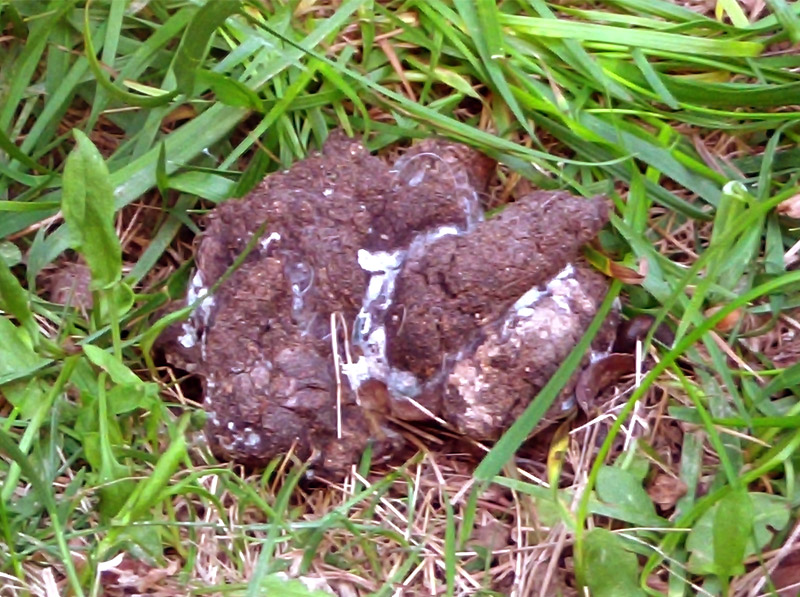
Even under the best conditions, dog poop doesn’t disappear overnight. In many yards, you might still find pieces after several months, especially if they’re hidden under leaves or grass.
What Happens If You Leave Dog Poop On The Ground?
Leaving dog poop on the ground is more than just a cosmetic problem. Here’s what really happens:
- Bacteria and Parasites: Harmful organisms can survive for weeks or months in dog poop. Rain can wash these pathogens into nearby streams, rivers, and lakes, making water unsafe.
- Nutrient Pollution: Dog poop is high in nitrogen and phosphorus. When too much of these nutrients wash into water, they cause algae blooms, which kill fish and harm water quality.
- Soil Health: While animal manure is often used as fertilizer, dog poop is different. It’s too acidic and can actually harm plants or grass.
- Smell and Pest Attraction: Uncollected poop attracts flies, rats, and other pests. It also creates a strong, unpleasant odor.
Dog Poop Vs. Other Animal Waste
It’s a common myth that all animal poop is the same. Here’s how dog poop compares to others:
| Type of Waste | Decomposition Speed | Pathogen Risk | Use as Fertilizer |
|---|---|---|---|
| Dog poop | Slow | High | No (unless composted safely) |
| Cow manure | Fast | Low | Yes |
| Horse manure | Medium | Low | Yes |
| Cat litter (clay-based) | Very slow | High | No |
The main difference is the risk from pathogens. Dog and cat waste can carry diseases dangerous to humans and wildlife, while herbivore manure is generally safer and actually benefits soil.
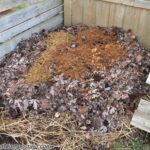
Composting Dog Poop: Is It Possible?
Some people wonder if they can compost dog poop at home. The answer is yes, but with important warnings:
- Dog waste compost needs to reach high temperatures (at least 140°F/60°C) for several days to kill harmful organisms.
- Never use dog poop compost on vegetables, fruits, or herbs you eat. It’s best for ornamental plants or trees only.
- Use a dedicated bin or digester separate from regular compost.
- Always wear gloves and wash hands after handling.
Most backyard compost piles don’t get hot enough. Specialized digesters or commercial composting facilities are safer options.
Common Myths About Dog Poop Decomposition
Many dog owners believe some common myths about how dog poop breaks down. Here are the facts:
- Myth: Dog poop is natural fertilizer.
- Dog poop is too acidic and full of pathogens. Unlike cow manure, it’s not safe for gardens or lawns without special treatment.
- Myth: Rain will wash it away.
- Rain actually spreads bacteria into water systems, polluting rivers, lakes, and even drinking water.
- Myth: If left alone, it will disappear quickly.
- Decomposition can take months or even a year, depending on conditions.
- Myth: Burying poop solves the problem.
- Buried poop may decompose slowly and can still contaminate groundwater.
Best Practices For Dog Poop Disposal
Proper disposal is key to keeping yards, parks, and water clean. Here are the best options:
1. Pick Up Regularly
Scoop poop as soon as possible—daily is best. Leaving it on the ground increases risks to people, pets, and the environment.
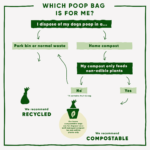
2. Use Biodegradable Bags
Plastic bags can last decades in landfills. Biodegradable bags break down faster, but only in proper conditions. Make sure to use bags certified for composting if available.
3. Flush Down The Toilet
Most municipal systems can handle pet waste. Always check local guidelines and never flush plastic or non-biodegradable bags.
4. Dedicated Pet Waste Digester
Install a dog waste digester in your yard. These systems use enzymes and bacteria to break down poop safely underground.
5. Commercial Composting
Some cities offer pet waste composting. Check with local waste management for options.
Credit: youdidwhatwithyourweiner.com
Environmental Impact Of Dog Poop
The effects of dog waste go beyond your backyard. Here are some important facts:
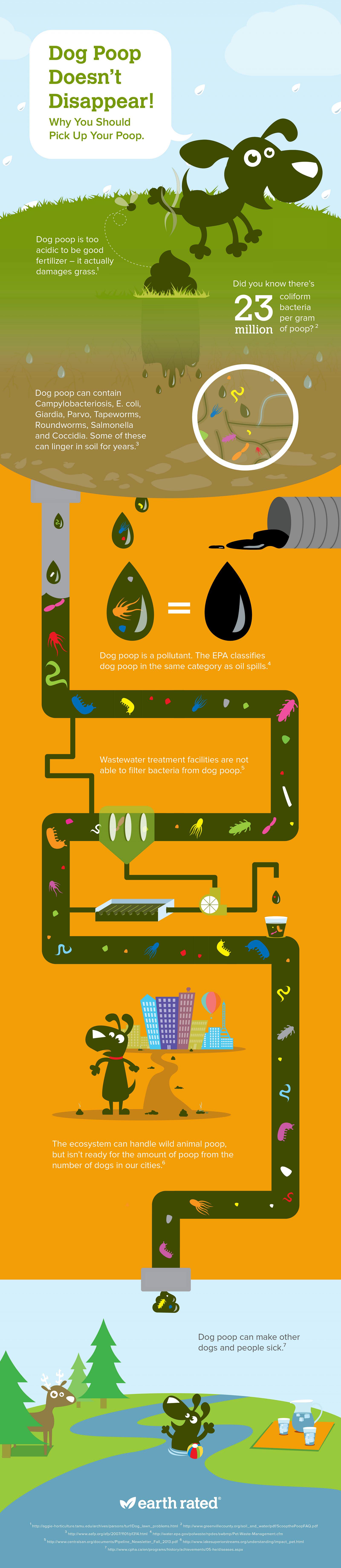
- Just one gram of dog poop can contain 23 million fecal bacteria.
- In urban areas, dog waste is a top source of water contamination after rainstorms.
- In the US, the EPA classifies dog waste in the same category as oil spills for water pollution.
- In some cities, uncollected dog poop accounts for up to 20% of bacteria in urban waterways.
These numbers show why picking up after dogs is more than just a courtesy—it’s an environmental responsibility.
Non-obvious Insights About Dog Poop Decomposition
Most people know to pick up after their pets, but here are some less obvious things even experienced dog owners might miss:
- Composting dog poop is not the same as composting food or leaves. Dog waste needs much higher temperatures to break down dangerous microbes. Most home compost piles never get hot enough, so pathogens may survive and spread if not handled correctly.
- Dog poop can attract rats and other wildlife. Even if you don’t notice, uncollected waste can draw animals looking for food, increasing the risk of disease spread in neighborhoods.
Practical Tips For Dog Owners
To manage dog poop and reduce its impact, try these tips:
- Carry extra poop bags on walks—leave some in your car, pockets, or with your leash.
- Educate family or dog walkers about proper disposal.
- Avoid tossing poop bags into compost bins unless you are sure the system is designed for pet waste.
- Consider joining or starting local campaigns for cleaner parks.
Frequently Asked Questions
Credit: petpooskiddoo.com
How Long Does It Take For Dog Poop To Decompose?
In warm, moist conditions, dog poop can decompose in 2-4 weeks. In cool, dry, or shaded places, it may last up to 12 months. The process depends on climate, soil, and other factors.
Is Dog Poop Good For Gardens Or Lawns?
No, dog poop is not a safe fertilizer. It contains too many pathogens and is too acidic for most plants. Only composted dog waste, processed at high temperatures, is safe for use—and even then, only on non-edible plants.
Credit: www.reddit.com
Can I Put Dog Poop In My Compost Bin?
Regular compost bins usually don’t get hot enough to kill bacteria and parasites in dog poop. Use a special pet waste composter or commercial service, and never use the compost on food plants.
Is It Safe To Leave Dog Poop In The Woods Or On Trails?
No. Dog poop can introduce diseases to wildlife and contaminate water, even in natural areas. It’s always best to pick up after your dog, even in the wilderness.
What Is The Best Way To Dispose Of Dog Poop?
The best methods are flushing it (without the bag, if allowed), using a dedicated dog waste digester, or using biodegradable bags and disposing of them in the trash. Always check local rules for pet waste disposal.
Dog poop is a part of dog ownership, but its impact doesn’t stop when you walk away. Proper cleanup and disposal keep yards, parks, and water clean and safe for everyone. A little effort goes a long way in protecting your community and the environment. For more on safe waste management and environmental impact, check the EPA’s official site.