Last Updated on September 24, 2026
If you have a yard and a dog, you’ve probably wondered: Does dog poop fertilize grass? Some believe it’s natural and good for lawns, just like cow manure. Others say it damages grass and creates dead patches. The truth is more complex than it seems. Understanding how dog waste interacts with your grass can help you keep your lawn healthy, safe, and green. Let’s dig into the science, myths, and best practices around this messy topic.
What Makes A Good Fertilizer?
A fertilizer adds nutrients that help plants grow. The main nutrients are nitrogen (N), phosphorus (P), and potassium (K). These are often called NPK. Grass needs all three, but especially nitrogen. Cow, horse, and chicken manures are common fertilizers because they have the right balance and break down well in soil.
But not all animal waste is the same. The animal’s diet, digestive system, and even gut bacteria change the quality of the manure. For example, cow manure is rich in nutrients and easy for soil to absorb. Dog poop, on the other hand, is very different.
What’s In Dog Poop?
Dog waste is about 70-75% water. The dry part contains undigested food, fiber, bacteria, and organic matter. Unlike cows, dogs are omnivores. They eat meat, grains, and sometimes vegetables. This means their poop has high protein and less fiber.
Some key facts about dog poop content:
- High nitrogen: Dog waste has more nitrogen than cow manure—often too much for grass.
- Pathogens: It may contain bacteria, parasites, and viruses that can harm people and animals.
- Low fiber: It breaks down slowly and may clump on the surface.
This unique mix creates problems when used directly as fertilizer.
The Impact Of Dog Poop On Grass
Nitrogen Burn
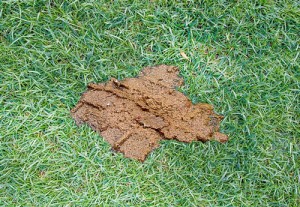
Grass needs nitrogen, but too much can be harmful. Dog poop often causes nitrogen burn—yellow or brown spots where the grass is damaged or killed. The high concentration in one area overloads the lawn.
Pathogens And Parasites
Dog poop can carry E. coli, Salmonella, and parasitic worms like roundworms and hookworms. These can survive in soil for months and infect other pets, wildlife, or even humans. Unlike composted manure, fresh dog poop is unsafe to use on edible plants or play areas.
Smothering And Surface Issues
Dog poop doesn’t break down as quickly as other manures. It can create a layer that blocks sunlight and water, smothering the grass beneath. In wet weather, it can turn into a sticky mess. In dry weather, it hardens and becomes harder to remove.
Soil Health
Healthy soil is full of microorganisms that break down organic matter. Dog poop’s high protein and fat content can disrupt the natural balance in your soil, especially if left in piles.
Dog Poop Vs. Other Animal Manures
Here’s a quick comparison of dog poop and common fertilizers:
| Fertilizer Type | Nitrogen Content | Pathogen Risk | Breakdown Speed | Safe for Lawns? |
|---|---|---|---|---|
| Dog Poop | Very High | High | Slow | No |
| Cow Manure | Moderate | Low (if composted) | Fast | Yes |
| Chicken Manure | High | Medium | Medium | Yes (if composted) |
| Chemical Fertilizer | Varies | None | Immediate | Yes |
As you can see, dog poop has the highest nitrogen and pathogen risk. It doesn’t break down quickly and is not safe for lawns in its raw form.
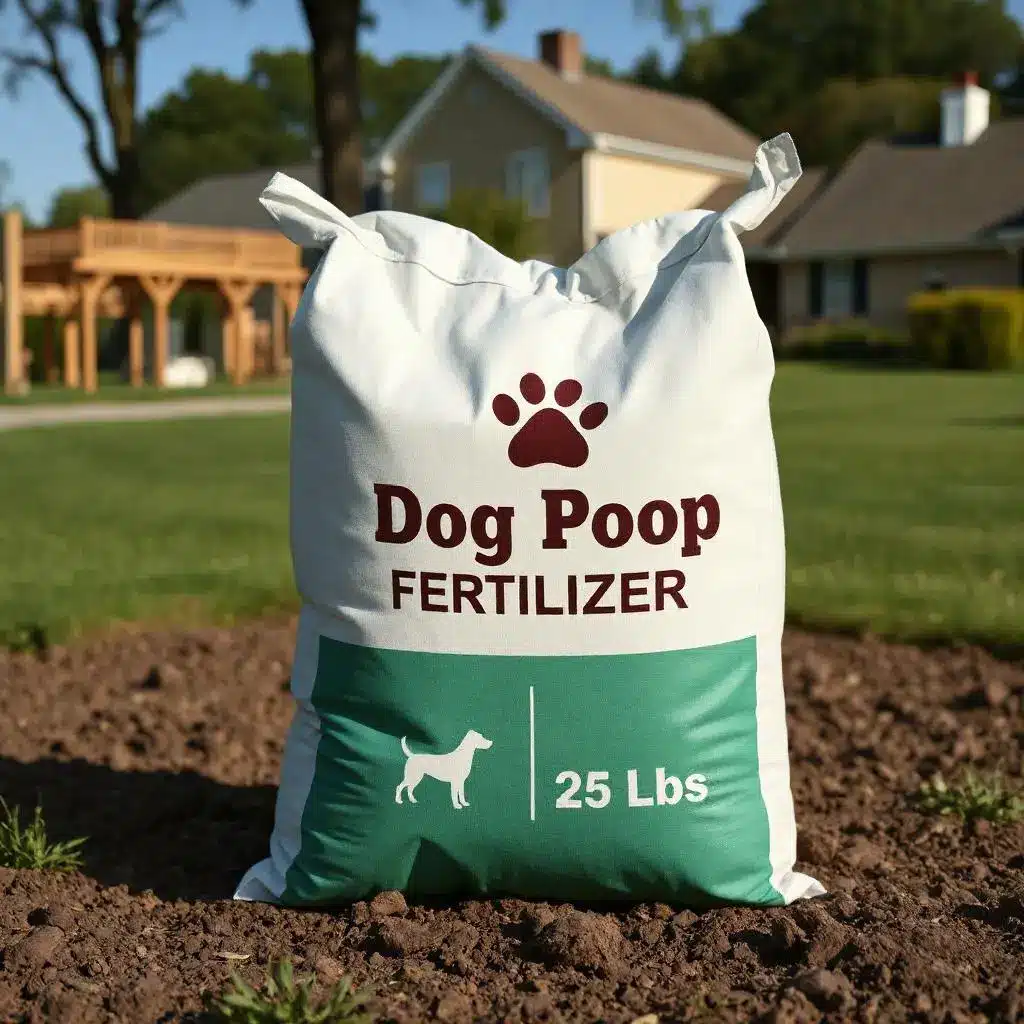
Credit: www.scoopmasters.com
Common Myths About Dog Poop As Fertilizer
Many people assume all animal waste works as fertilizer. This is not true. Let’s look at some common myths and the facts.
- Myth: All manure is good for grass.
- Fact: Only some animal manures are safe and effective. Dog poop can damage grass and spread disease.
- Myth: Rain washes away the poop and helps the grass.
- Fact: Rain can break up poop, but it spreads bacteria and parasites into soil and water.
- Myth: Dog poop is “natural,” so it’s good for plants.
- Fact: Natural doesn’t always mean safe. The high nitrogen and pathogens make it a poor choice for your lawn.
Why You Should Always Pick Up Dog Poop
Leaving dog poop on the lawn is a bad idea for several reasons:
- Lawn damage: Brown or yellow spots where poop sat.
- Health risk: Parasites and bacteria can infect children, pets, and wildlife.
- Pollution: Rain washes waste into streams, lakes, and groundwater.
- Odor and flies: Poop attracts flies and creates unpleasant smells.
Most cities require you to pick up after your dog. It’s about health, safety, and good neighbor behavior.
Is There Any Safe Way To Use Dog Poop As Fertilizer?
You may hear about dog waste composting. In theory, composting can destroy pathogens and create a safer product. But it’s not simple. Here’s what you need to know:
Composting Dog Waste
Composting is a process that uses heat and microbes to break down organic material. For dog poop, the pile must reach at least 140°F (60°C) for several days to kill most pathogens. Most home compost piles don’t get hot enough.
| Composting Factor | Home Composting | Hot Composting (Specialized) |
|---|---|---|
| Temperature | 80-120°F | 140°F+ |
| Pathogen Kill | Poor | Good |
| Time Needed | 6-12 months | 2-3 months |
| Safe for Food Plants | No | Not recommended |
Even with hot composting, experts recommend using dog waste compost only on ornamental plants and never on food crops or play areas. Most homeowners find it easier to bag and dispose of dog waste.
Commercial Dog Waste Composting
Some communities have special dog waste composting programs. These use large, industrial systems that reach high temperatures and monitor safety. If your city offers this, it may be a safe way to recycle pet waste. Always follow local guidelines.
How To Protect Your Grass From Dog Poop
If you want a healthy lawn, the best approach is prevention. Here’s what you can do:
- Pick up poop daily. Use a bag or scooper. Don’t leave waste on the grass.
- Water your lawn regularly. If an accident happens, watering can dilute some of the nitrogen, reducing burn spots.
- Train your dog to use one area. Create a “dog bathroom” zone with mulch or gravel. This keeps the rest of your lawn safe.
- Repair damaged spots. If you see brown patches, remove any remaining waste, rake the area, and reseed if needed.
- Use the right fertilizer. Choose a balanced lawn fertilizer made for grass.

Credit: www.reddit.com
What Happens If You Leave Dog Poop On The Lawn?
Letting dog poop stay on the grass has lasting effects. Here’s what can happen over time:
- Dead spots: High nitrogen kills grass, leaving brown circles.
- Soil contamination: Bacteria and parasites survive in soil for months.
- Water pollution: Rain spreads pathogens into local waterways, harming fish and wildlife.
- More pests: Flies and other insects breed in waste, creating more problems.
- Unpleasant yard: Smells and unsightly messes make outdoor spaces less enjoyable.
How Long Does Dog Poop Take To Break Down?
Dog waste can take months to fully decompose, depending on weather, soil, and the size of your dog. In cool or dry climates, it lasts even longer. This slow breakdown means the risk to grass and health remains for a long time.
Two Insights Most People Miss
First, dog poop rarely breaks down completely on lawns. Even if it seems “gone,” harmful bacteria and nitrogen can stay in the soil, causing problems later. Second, one medium-sized dog can produce over 250 pounds of waste per year. That’s enough to seriously harm your grass and local environment if not managed well.
Environmental Concerns: Dog Poop And Waterways
You might not see it, but dog waste is a major source of water pollution in cities. When rain falls, it picks up bacteria from lawns and streets and carries it to storm drains. This can cause high levels of E. coli and other pollutants in rivers and lakes. The U.S. Environmental Protection Agency considers dog waste a significant environmental hazard. Proper cleanup protects more than just your grass.
For more details, see the EPA’s guide to pet waste pollution.
Better Fertilizer Choices For Your Lawn
If you want green, thick grass, choose the right fertilizer. Here’s a simple comparison:
| Fertilizer | Pros | Cons |
|---|---|---|
| Cow/Chicken Manure (composted) | Natural, adds nutrients and organic matter | Needs to be composted first, can smell |
| Chemical Fertilizer | Easy to use, quick results | Can burn grass if overused |
| Composted Leaves/Grass Clippings | Recycles yard waste, safe | Slower results |
Choose products labeled safe for lawns, follow instructions, and avoid over-fertilizing.
Final Thoughts
Dog poop does not fertilize grass in a safe or useful way. The high nitrogen content, risk of pathogens, and slow breakdown all make it a poor choice for your lawn. Leaving it on the grass can lead to dead spots, health hazards, and polluted waterways.
The best way to care for your yard and your community is to pick up after your dog every time.
If you want a green, healthy lawn, use composted manure, chemical fertilizers, or recycled yard waste instead. Your grass—and your neighbors—will thank you.
Credit: petpooskiddoo.com
Frequently Asked Questions
Is Dog Poop Good For Any Plants?
No, fresh dog poop is not good for any plants. It carries pathogens and high nitrogen that can damage roots and soil. Only properly composted dog waste, processed at high heat, might be used for ornamental (non-edible) plants, and even then it’s risky.
How Can I Get Rid Of Dog Poop Safely?
The safest way is to pick it up with a bag and throw it in the trash. Do not flush it unless your city allows it. Never add dog waste to regular compost piles or garden beds.
Will Rainwater Wash Away Dog Poop?
Rain can break up poop and wash it into the soil, but it does not make it safe. Pathogens can spread to waterways, and the nitrogen can still damage grass and plants.
Why Does My Grass Turn Yellow Where My Dog Pees Or Poops?
Dog urine and poop both have high nitrogen. In small amounts, nitrogen is good. In concentrated spots, it burns the grass, causing yellow or brown patches.
Can I Compost Dog Poop In My Backyard?
It’s possible but not easy. You need a hot compost system that reaches at least 140°F. Most backyard piles don’t get hot enough to kill all pathogens, so it’s not recommended unless you follow strict guidelines and only use the finished compost on non-edible plants.