Last Updated on June 4, 2026
Are you tired of dealing with fleas but want a natural way to keep them away? You might have heard that lavender can help get rid of these pesky pests.
But does lavender really kill fleas, or is it just a myth? Before you spend your time and money on lavender products, it’s important to know the truth. You’ll discover how lavender works against fleas, whether it’s safe for your pets, and the best ways to use it effectively.
Keep reading to find out if lavender could be your new secret weapon against fleas.
How Fleas Affect Pets And Homes
Fleas cause many problems for pets and homes. These tiny pests bite animals, causing itching and discomfort. Their presence can also lead to bigger issues in your living space.
Understanding how fleas live and behave helps in controlling them better. Knowing the common problems they bring makes it easier to protect pets and homes.
Flea Life Cycle And Behavior
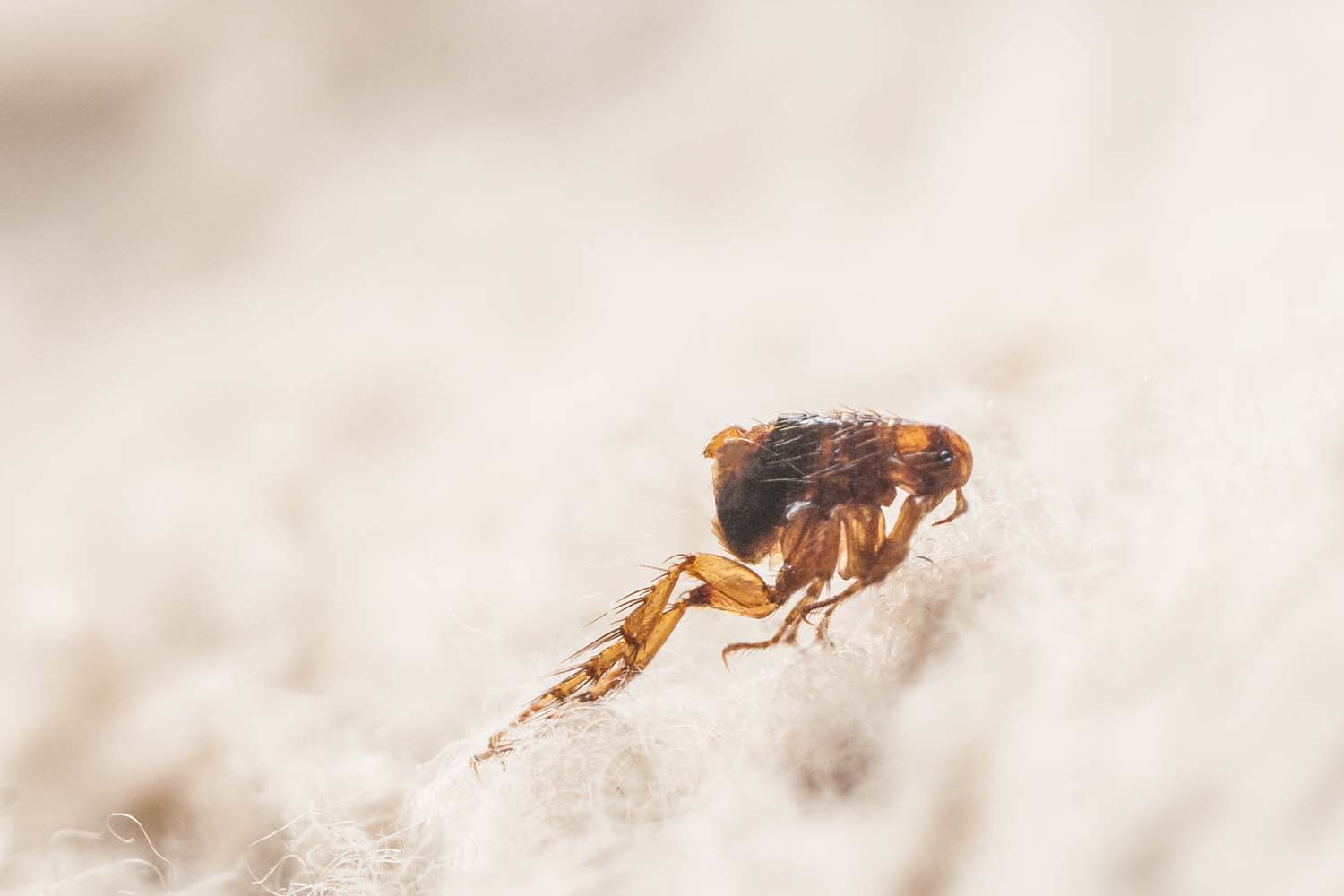
Fleas go through four stages: egg, larva, pupa, and adult. Eggs fall off pets onto floors and bedding. Larvae feed on organic debris before turning into pupae. Adults live on pets, feeding on their blood.
Fleas jump quickly and hide in dark areas. They can survive months without a host. Their life cycle repeats fast, causing infestations to grow quickly.
Common Flea Problems For Pet Owners
Pets with fleas often scratch and bite their skin. This leads to hair loss and skin infections. Flea bites cause irritation and allergies in many animals.
Fleas can spread diseases and parasites to pets. They also lay eggs in carpets and furniture. This makes fleas hard to remove from homes. Cleaning and treatment become necessary to stop infestations.
Credit: www.natpat.com
Lavender As A Natural Remedy
Lavender is a popular plant known for its pleasant scent and calming effects. It also has natural properties that help repel pests like fleas. Many people prefer natural solutions over chemical treatments for their pets and homes. Lavender offers a gentle way to keep fleas away without harsh chemicals.
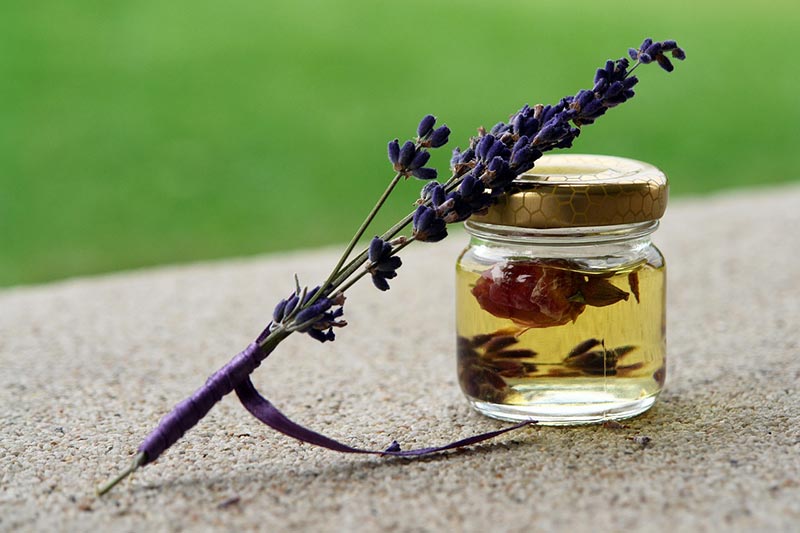
This plant can be used in many forms, such as dried flowers, essential oils, or sprays. Its natural compounds create an environment that fleas find uncomfortable. Using lavender may reduce flea problems while adding a fresh scent to your living space.
Properties Of Lavender That Repel Fleas
Lavender contains strong-smelling oils that bugs dislike. The main compounds include linalool and camphor. These act as natural insect repellents. Fleas avoid areas where lavender’s scent is strong.
Its oils also have antifungal and antibacterial properties. These help keep your pet’s skin healthy. Lavender works as a mild insecticide and repellent. It is safe for most pets when used correctly.
Scientific Studies On Lavender And Flea Control
Research shows lavender oil can reduce flea activity. Studies tested lavender’s effectiveness compared to synthetic chemicals. Results confirmed it has some repellent effects, though less powerful than pesticides.
Scientists suggest lavender can be part of a flea control plan. It works best combined with other natural methods. More research is needed to understand its full potential. Still, lavender offers a safer, eco-friendly option for many pet owners.
Using Lavender For Flea Prevention
Lavender is a popular natural choice for keeping fleas away. It has a strong scent that fleas dislike. People use lavender to protect pets and homes without harsh chemicals. Lavender can be gentle on skin and safe for pets when used correctly.
Many prefer lavender because it is easy to find and simple to use. It offers a natural way to reduce flea problems. Knowing how to apply lavender correctly helps improve its effectiveness against fleas.
Lavender Oil Application Methods
Lavender oil is one of the strongest ways to repel fleas. Dilute the oil before applying it to avoid skin irritation. Mix a few drops with water or a carrier oil like coconut oil. Apply the mixture to your pet’s fur, avoiding eyes and nose.
You can also add diluted lavender oil to your pet’s bedding. This helps keep fleas away from their resting areas. Spray lightly and repeat every few days for best results.
Homemade Lavender Flea Sprays And Sachets
Making a lavender flea spray at home is simple. Combine water, a small amount of lavender oil, and a little vinegar in a spray bottle. Shake well before use. Spray on pet bedding, carpets, or furniture to deter fleas.
Lavender sachets are another option. Fill small cloth bags with dried lavender flowers. Place these sachets in closets, drawers, or pet areas. The scent keeps fleas away and freshens the space naturally.
Safety Tips For Using Lavender On Pets
Using lavender on pets can help with fleas, but safety is key. Pets have sensitive skin and strong oils might harm them. Following safety tips keeps your pet safe and happy.
Dilution And Dosage Guidelines
Always dilute lavender oil before applying it to pets. Use a carrier oil like coconut or olive oil. A safe mix is about one drop of lavender oil per tablespoon of carrier oil. Apply a small amount to a spot your pet can’t lick. Avoid using pure lavender oil directly on the skin. Too much oil can cause irritation or sickness.
Potential Allergies And Side Effects
Some pets may be allergic to lavender. Watch for itching, redness, or swelling after use. Sneezing or coughing can also be signs of allergy. Stop using lavender immediately if any side effects appear. Consult a vet before using lavender on very young or sick pets. Always test a small area first to check for reactions.
Comparing Lavender With Other Natural Flea Remedies
Lavender is a popular natural choice for flea control. It has a gentle scent and some flea-repelling properties. Still, many wonder how it compares to other natural options. Different plants and oils have different strengths and effects. Knowing the differences helps pick the best solution for your home and pets.
Natural remedies often aim to avoid harsh chemicals. Many people want safe options for their pets and families. Some natural treatments kill fleas, while others repel them or disrupt their life cycle. Understanding these effects is important for effective flea management.
Essential Oils That Work Against Fleas
Several essential oils show promise against fleas. Tea tree oil is known for killing fleas but can irritate pets. Eucalyptus oil repels fleas and insects effectively. Peppermint oil has a strong scent that fleas avoid. Cedarwood oil disrupts flea breeding and growth. Each oil works differently, so some people mix oils for better results.
Lavender oil is milder and less likely to cause skin irritation. It works mainly as a flea repellent rather than a flea killer. This makes it a safer choice for sensitive pets. Using lavender with other oils can increase its effectiveness.
Pros And Cons Of Natural Vs. Chemical Treatments
Natural treatments often have fewer side effects. They are usually safer for pets and children. These remedies may require frequent application and take time to work. Some natural oils can cause allergic reactions, so testing is important.
Chemical treatments act quickly and kill fleas effectively. They can be more expensive and sometimes toxic to pets and humans. Resistance to chemicals is growing among fleas, reducing their long-term effectiveness. Choosing between natural and chemical depends on safety, cost, and speed of action.
Credit: www.catster.com
Additional Tips To Keep Fleas At Bay
Keeping fleas away requires more than just using lavender. Small steps help a lot. Combine natural remedies with good daily habits. These tips make your home and pets less friendly to fleas.
Fleas can hide in many places. They lay eggs in carpets, bedding, and pet fur. Stopping fleas early saves time and trouble.
Regular Pet Grooming And Cleaning
Brush your pet often to remove fleas and eggs. Use a flea comb to catch tiny pests. Bath your pet with mild shampoo regularly.
Keep your pet’s bedding clean. Wash it in hot water every week. Vacuum your pet’s resting area to pick up fleas and dirt.
Check your pet’s skin for bites or irritation. Treat your pet quickly if you find fleas.
Environmental Controls To Prevent Flea Infestation
Vacuum floors, carpets, and furniture daily. Flea eggs and larvae fall off pets into these areas. Empty vacuum bags or cans outside your home.
Keep your lawn trimmed and remove leaf piles. Fleas like shady, damp places outdoors. Use flea sprays or natural treatments in your yard carefully.
Seal cracks and gaps in doors and windows. Prevent fleas from entering your home. Maintain clean, dry spaces where your pets spend time.

Credit: a-z-animals.com
Frequently Asked Questions
Does Lavender Effectively Kill Fleas On Pets?
Lavender has natural insect-repelling properties but does not kill fleas instantly. It can help prevent fleas but isn’t a standalone treatment. Use it alongside vet-approved flea control products for best results.
How Does Lavender Repel Fleas From The Home?
Lavender’s strong scent confuses and deters fleas from settling in your home. Using lavender oil or dried lavender can reduce flea presence naturally without harsh chemicals.
Is Lavender Safe To Use On Pets For Flea Control?
Lavender is generally safe for pets in diluted form. However, undiluted essential oils can irritate skin or be toxic. Always consult a vet before applying lavender to your pet.
Can Lavender Replace Chemical Flea Treatments?
Lavender can complement but should not replace chemical flea treatments. It is less potent and slower acting. For severe infestations, professional flea control is necessary.
Conclusion
Lavender can help repel fleas, but it does not kill them completely. Using lavender oil or plants may reduce flea presence in your home. Still, it works best combined with other flea treatments. Fleas can be tough to eliminate with natural remedies alone.
Keep your pets clean and check them often for fleas. Treat your home regularly to stop infestations. Lavender offers a gentle, natural option to try. Remember, no single method works perfectly every time. Stay patient and consistent for the best results.