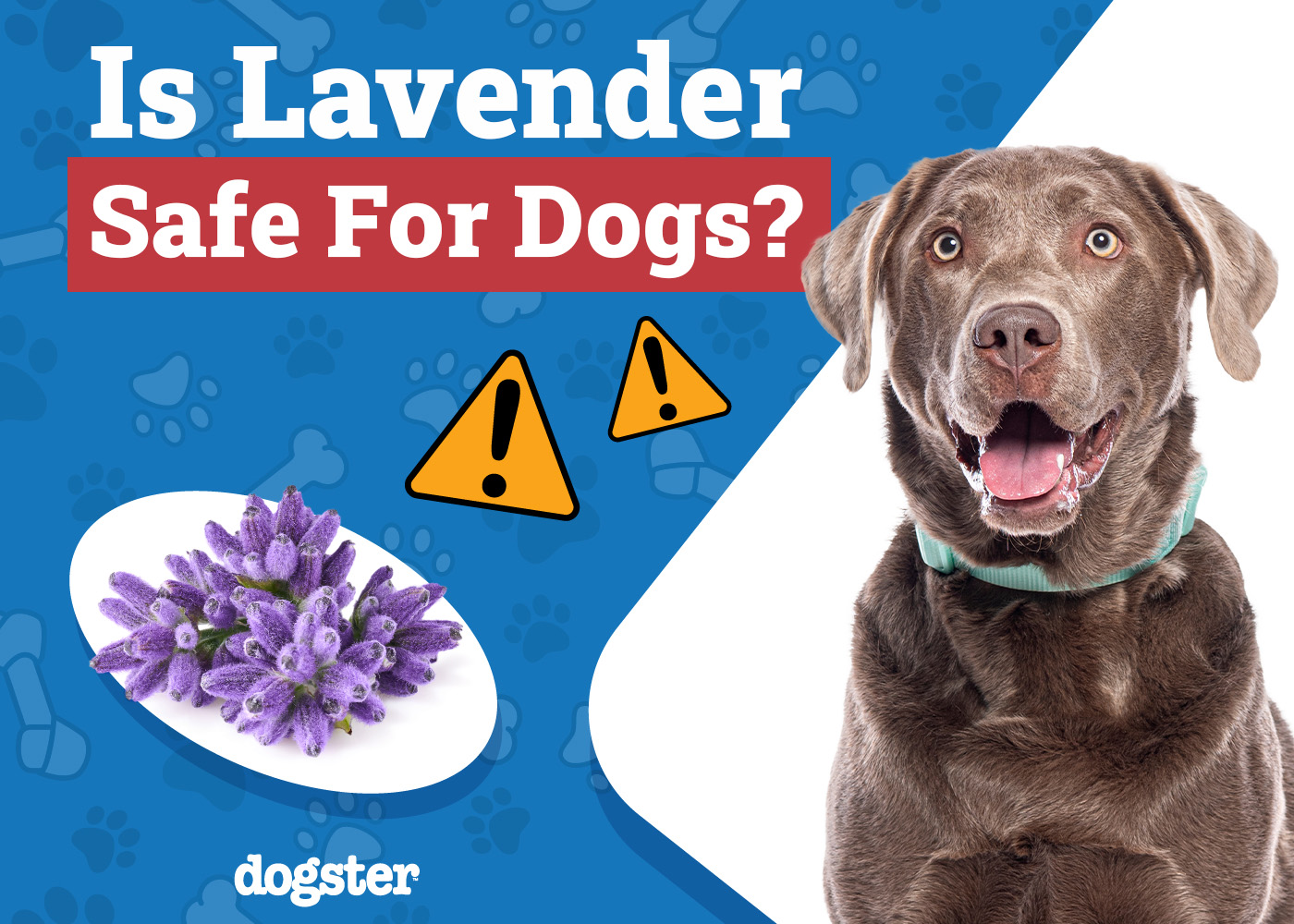
Last Updated on October 18, 2026
If you’re a dog owner who loves the calming scent of lavender, you might wonder: is lavender safe for dogs? You want what’s best for your furry friend, and it’s natural to be cautious about what they come into contact with.
This article will help you understand the facts about lavender and your dog’s health. Keep reading to learn how to keep your pet safe while still enjoying the benefits of this popular plant.

Credit: apupabove.com
Lavender And Dogs: Basic Facts
Lavender is a popular plant known for its sweet scent and calming effects. Many pet owners wonder if lavender is safe for dogs. Understanding basic facts about lavender helps keep pets safe.
This section explains what lavender is and its common uses. Knowing these details helps you decide how to use lavender around dogs.
What Is Lavender?
Lavender is a flowering plant in the mint family. It grows in many parts of the world. The plant has purple flowers and a fresh, floral smell. People use lavender for its scent and healing properties.
Lavender contains oils that can affect animals differently than humans. These oils are strong and can cause reactions in some pets.
Common Uses Of Lavender
Lavender is often used in perfumes, soaps, and candles. It also appears in essential oils and skincare products. Many people use lavender to help relax and reduce stress.
Some pet owners use lavender oil to calm anxious dogs. Others use dried lavender to freshen up the home. Knowing these uses helps you see where dogs might come in contact with lavender.
Safety Concerns With Lavender
Lavender is a popular plant used in many homes. Its scent is calming for humans. But pet owners worry about its safety for dogs. Understanding the risks helps keep dogs safe around lavender. This section explains key safety concerns.
Toxicity Levels In Dogs
Lavender contains oils that may harm dogs. The amount of oil matters. Small amounts usually cause no harm. Large amounts can be toxic. Dogs are more sensitive than humans. Ingesting lavender leaves, flowers, or oil can be dangerous. Essential oils are the most risky form.
Different dogs react differently. Size, age, and health affect risk. Puppies and small dogs face higher dangers. Always store lavender products out of reach. Avoid direct application of lavender oil on dogs.
Symptoms Of Lavender Exposure
Signs of lavender poisoning vary. Watch for vomiting or diarrhea. Excessive drooling may appear. Dogs might become weak or tired. Some show signs of difficulty breathing. Skin irritation can happen from contact. Unusual behavior, like shaking or wobbling, is a red flag. Early detection helps prevent serious issues.
How Dogs Are Exposed To Lavender
Dogs can come into contact with lavender in many ways. Understanding these paths helps keep pets safe. Lavender is popular in homes for its scent and calming effects. This increases the chances dogs may be exposed accidentally.
Ingestion Risks
Dogs might chew on lavender plants in the yard. Puppies and curious dogs often explore with their mouths. Eating lavender leaves or flowers can cause stomach upset. Some dogs may vomit or have diarrhea after eating it. Large amounts of lavender can be more dangerous. Always watch your dog around plants and flowers.
Topical And Aromatic Exposure
Lavender oil is common in soaps, shampoos, and sprays for pets. Applying these products directly on dogs may cause skin irritation. Sensitive dogs may scratch or develop rashes. Diffusers and candles spread lavender scent in the air. Breathing in strong lavender aroma for long may affect dogs. Keep the scent mild and the area well ventilated.
:max_bytes(150000):strip_icc()/is-lavender-safe-for-dogs-fe0d00cb8d934cf085a2eaaa9f234bbb.jpg)
Credit: www.dailypaws.com
Benefits Of Lavender For Dogs
Lavender offers several benefits for dogs. It can help calm anxious pets and support their wellbeing. Many pet owners find lavender useful for creating a peaceful environment for their dogs. The natural scent of lavender can soothe nerves without causing harm when used properly. Understanding these benefits helps pet owners make safe choices for their furry friends.
Calming Effects
Lavender is known for its calming properties. It can reduce stress and anxiety in dogs. The scent helps relax dogs during loud noises like fireworks or storms. Dogs often show less nervous behavior after exposure to lavender aroma. This makes lavender a gentle aid for anxious or restless dogs. It does not cause sedation but promotes a feeling of calmness.
Uses In Pet Products
Many pet products contain lavender for its soothing benefits. Shampoos, sprays, and collars often include lavender oil. These products help keep dogs calm during grooming or travel. Some dog beds and blankets are infused with lavender scent. Using these items can create a relaxing space for dogs. It is important to choose products made specifically for pets to ensure safety.
Precautions When Using Lavender Around Dogs
Lavender can be helpful for dogs, but it needs careful use. Some forms of lavender are safe, but others can cause problems. Knowing the right way to use lavender keeps pets healthy and happy.
Always watch your dog for any signs of discomfort or allergies. Small changes in behavior might mean the lavender is not agreeing with them. Safety comes first, so take simple steps to protect your dog.
Safe Dosage And Application
Use only small amounts of lavender on or near your dog. Dilute essential oils well before applying to skin or fur. Avoid giving dogs lavender directly to eat or lick.
Apply lavender products on a cloth or collar, not directly on the dog’s skin. Keep sprays and oils out of your dog’s eyes and nose. Start with a low dose to see how your dog reacts.
Avoiding Harmful Products
Check labels carefully to avoid toxic ingredients mixed with lavender. Some blends contain harmful substances like alcohol or synthetic chemicals. Use only pure, pet-safe lavender products designed for animals.
Never use lavender essential oils near puppies or very small dogs. Ask your vet before starting any new lavender treatment. Avoid homemade mixes unless you know they are safe for dogs.
What To Do If Your Dog Is Exposed
Knowing what to do if your dog is exposed to lavender is very important. Lavender can cause mild to serious reactions in dogs. Acting fast can protect your pet and reduce risks. Here are clear steps to follow after exposure.
Immediate Steps
Remove your dog from the lavender source right away. Check their mouth, paws, and fur for any plant parts. Use a wet cloth to wipe the areas gently. Avoid making your dog sick unless your vet advises it. Give your dog fresh water to drink. Watch for signs like drooling, vomiting, or trouble breathing.
When To See A Vet
Take your dog to the vet if they show any unusual symptoms. These include vomiting, diarrhea, weakness, or difficulty breathing. Also, go to the vet if your dog ate a large amount of lavender. Call your vet quickly for advice on what to do next. Early care can prevent serious health problems.
Alternatives To Lavender For Dogs
Many pet owners want to use natural scents to calm their dogs. Lavender is popular but can be risky. There are safer choices that provide similar benefits without the dangers. These alternatives help keep your dog calm and happy.
Other Safe Aromatherapy Options
Chamomile is gentle and soothing for dogs. It can help reduce anxiety and promote sleep. Peppermint is another option but should be used carefully in small amounts. It refreshes the air and can improve focus. Sweet orange oil is safe and uplifting. It can brighten the mood without causing harm. Always dilute any essential oil before use around pets. Use a diffuser in a well-ventilated room to avoid strong smells. Watch your dog’s behavior to ensure they react well.
Herbal Remedies For Pets
Herbs like valerian root calm nervous dogs naturally. It is often used to ease stress during travel or storms. Passionflower helps reduce anxiety and restlessness in dogs. It can be given as a tea or supplement. Ginger can relieve upset stomachs and improve digestion. Calendula has mild anti-inflammatory effects and supports skin health. Always check with your vet before giving herbs. Each dog is different and may react uniquely. Proper dosage and quality are important for safety.
Credit: eastpaint.fr
Frequently Asked Questions
Is Lavender Toxic To Dogs If Ingested?
Lavender can be mildly toxic if dogs eat large amounts. It may cause upset stomach, vomiting, or lethargy. Small exposures like sniffing are usually safe, but ingestion should be avoided to prevent health issues.
Can Dogs Safely Smell Lavender Essential Oil?
Dogs can safely smell diluted lavender oil in small amounts. However, undiluted essential oils can irritate their nose or skin. Always use lavender oil with caution and ensure good ventilation to protect your dog’s health.
What Are Symptoms Of Lavender Poisoning In Dogs?
Symptoms include vomiting, diarrhea, weakness, and loss of appetite. If your dog shows these signs after exposure to lavender, contact your vet immediately for advice and treatment.
How Can Lavender Benefit Dogs’ Anxiety?
Lavender’s calming scent may help reduce mild anxiety in dogs. It can promote relaxation and better sleep when used safely in diffusers or sprays. Always monitor your dog’s reaction to ensure it suits them.
Conclusion
Lavender can be safe for dogs when used carefully and in small amounts. Always watch your dog for any signs of discomfort or allergies. Avoid giving your pet lavender oil directly, as it can be strong and harmful. Use dried lavender or products made specifically for pets.
Consult your vet before trying any new plant or oil. Keeping your dog safe means understanding what is okay and what is not. A little care can keep your furry friend happy and healthy around lavender.