Last Updated on October 16, 2026
If you’re a dog owner, you want what’s best for your furry friend. You might have heard that lavender can be calming and soothing, but is it safe for your dog?
You’re probably wondering how lavender affects your pet and if you can use it around your home. You’ll discover the surprising truth about dogs and lavender—what benefits it might have, what risks to watch out for, and how to keep your dog safe while enjoying the lovely scent of lavender.
Keep reading to learn everything you need to know to protect your beloved companion.
Credit: tumalolavender.com
Calming Effects Of Lavender On Dogs
Lavender is well-known for its calming scent. Many dog owners use it to help their pets relax. Its gentle aroma can ease tension and create a peaceful environment. Dogs often respond positively to lavender’s soothing effects.
This natural remedy can help reduce anxiety in dogs. It works without harsh chemicals or side effects. Using lavender safely can support your dog’s emotional health.
How Lavender Soothes Anxiety
Lavender affects the brain by lowering stress hormones. It calms the nervous system and slows the heart rate. This helps dogs feel less nervous or scared. The scent can also distract dogs from loud noises or new places.
Scientific Studies On Lavender And Pets
Studies show lavender reduces anxiety in animals. Research on dogs and cats found lowered stress levels after exposure. Some trials used lavender oil in diffusers or sprays. Results showed calmer behavior and less trembling or barking.
Common Signs Of Stress In Dogs
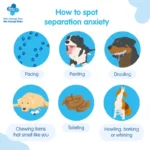
Dogs show stress in many ways. Panting, pacing, and whining are common signs. Some dogs hide or refuse to eat. Others may lick paws or scratch more than usual. Recognizing these signs helps owners act quickly to help.

Credit: gooddogpeople.com
Safe Ways To Use Lavender Around Dogs
Lavender offers many benefits for dogs, like calming effects and soothing skin. Using lavender safely around dogs requires care and knowledge. Some forms of lavender are safe, while others can be harmful. Understanding how to use lavender protects your dog’s health and well-being.
Always keep your dog’s safety in mind when adding lavender to their environment. Use the right products and apply them properly. This section explains safe ways to use lavender around dogs in your home and yard.
Lavender Essential Oils And Dilution
Lavender essential oil is strong and must never be used undiluted on dogs. Pure oil can cause skin irritation or breathing problems. Always dilute essential oil with water or a carrier oil like coconut oil. A safe dilution is about one drop of oil per 50 drops of carrier oil.
Never apply essential oil directly to your dog’s skin. Use a diffuser in a well-ventilated room instead. Keep the diffuser on for short periods. Watch your dog closely for any signs of discomfort or allergies.
Lavender Plants In The Home And Yard
Growing lavender plants at home is generally safe for dogs. Lavender in the yard adds a natural calming scent. Some dogs may nibble on the plants, which is usually not harmful in small amounts.
Check your dog’s reaction to the plants. Remove any wilted or dead lavender, as it may cause stomach upset. Keep the plants out of reach of dogs that chew on everything. Growing lavender indoors requires good air flow to avoid strong smells.
Choosing Lavender Products For Pets
Choose lavender products made specifically for pets. These are formulated with safe ingredients and proper dilution. Avoid human products that contain synthetic fragrances or other chemicals.
Look for shampoos, sprays, or collars with natural lavender extracts. Read labels carefully to check for safety warnings. Test new products on a small skin area first. Stop use immediately if your dog shows irritation or unusual behavior.
Potential Risks And Precautions
Lavender offers many benefits, but it can be risky for dogs in some cases. Understanding these risks helps keep pets safe. Taking simple steps prevents harm and ensures your dog enjoys lavender safely.
Symptoms Of Lavender Toxicity In Dogs
Dogs may show signs after touching or eating lavender. Watch for vomiting, drooling, or diarrhea. Some dogs become weak or lose coordination. Breathing problems or skin irritation can also occur. Early signs need quick attention.
Avoiding Overexposure
Keep lavender plants out of your dog’s reach. Use lavender oils and sprays carefully around pets. Avoid strong scents in small, closed rooms. Limit your dog’s contact with lavender products. Always follow product instructions for safe use.
When To Consult A Veterinarian
Contact a vet if your dog shows unusual behavior or symptoms. Seek help if vomiting or breathing issues last more than an hour. Quick action can prevent serious health problems. Always mention any lavender exposure during the visit.
:max_bytes(150000):strip_icc()/is-lavender-safe-for-dogs-fe0d00cb8d934cf085a2eaaa9f234bbb.jpg)
Credit: www.dailypaws.com
Alternative Calming Herbs And Remedies
Dogs often experience stress and anxiety, just like humans. Finding safe ways to calm them is important for their health. Many pet owners seek natural alternatives to help soothe their dogs. These options include herbs, supplements, and training techniques that support relaxation without harsh side effects. Understanding these alternatives can help you choose the best care for your furry friend.
Other Pet-safe Aromatherapy Options
Besides lavender, some other scents can calm dogs safely. Chamomile has a gentle, soothing smell that eases nerves. Frankincense helps reduce tension and promotes a calm mood. Cedarwood may also comfort dogs during stressful moments. Always use essential oils in low amounts and avoid direct contact with your pet.
Natural Supplements For Anxiety
Supplements can support your dog’s emotional health. Omega-3 fatty acids help reduce stress and improve brain function. Valerian root is known for its calming effects. L-theanine, an amino acid, promotes relaxation without drowsiness. Always consult a vet before starting any new supplement for your dog.
Behavioral Techniques To Reduce Stress
Training and routines play a big role in managing anxiety. Regular exercise helps release nervous energy. Creating a safe space gives your dog a quiet retreat. Positive reinforcement rewards calm behavior. Consistency in daily schedules also lowers stress levels. These methods build trust and comfort over time.
Frequently Asked Questions
Can Dogs Safely Be Around Lavender Plants?
Yes, dogs can be around lavender plants in small amounts. Lavender is generally non-toxic but may cause mild stomach upset if ingested in large quantities. Always monitor your dog and prevent excessive chewing on the plant to avoid any adverse reactions.
Does Lavender Oil Harm Dogs?
Lavender oil can be harmful if ingested or applied undiluted to dogs. It may cause skin irritation or digestive issues. Always use lavender oil with caution around pets and consult a veterinarian before using it for calming or therapeutic purposes.
How Does Lavender Benefit Dogs’ Anxiety?
Lavender has calming properties that can reduce dogs’ anxiety and stress. Its scent may help soothe nervous dogs during storms, travel, or separation. Use lavender in diffusers or sprays safely, avoiding direct contact, to create a relaxing environment for your pet.
Can Lavender Repel Fleas On Dogs?
Lavender has natural flea-repellent properties but is not a standalone solution. It can help deter fleas when used alongside other treatments. Consult your vet before applying lavender products directly to your dog’s skin to ensure safety and effectiveness.
Conclusion
Dogs and lavender can be a gentle combination. Lavender may help calm your pet in stressful times. Always check if your dog has any allergies first. Use lavender oil with care and keep it out of reach. Simple steps keep your furry friend safe and happy.
Enjoy the soothing scent while watching your dog relax. Nature offers many ways to support your pet’s well-being. Trust your instincts and observe your dog closely. Small changes can bring comfort to both you and your dog.