Last Updated on June 4, 2026
Are fleas causing trouble for you and your pets? You might be wondering if sulfur is the answer to getting rid of these pesky bugs.
You want a solution that works fast and is safe for your home. But does sulfur really kill fleas, or is it just another myth? Keep reading to find out the truth and learn how you can protect your furry friends effectively.
This information could save you time, money, and a lot of frustration.
How Sulfur Affects Fleas
Sulfur has been used for many years to control pests. It works differently than many chemical pesticides. Sulfur targets the body and life cycle of fleas. This makes it an effective option for reducing flea populations.
The way sulfur affects fleas is both physical and chemical. It disrupts their environment and stops their growth. This section explains how sulfur works against fleas and their life cycle.
Properties Of Sulfur Against Pests
Sulfur is a natural element with strong insect-repellent properties. It can dry out the bodies of pests like fleas. This causes dehydration and death. Sulfur also irritates the skin and breathing system of fleas.
It works as a contact poison. Fleas die when they touch sulfur dust or particles. Sulfur also changes the pH of the flea’s environment. This makes it hard for fleas to survive and multiply.
Sulfur’s Impact On Flea Life Cycle
Sulfur affects all stages of a flea’s life cycle. It can kill flea eggs, larvae, and adults. Sulfur dust prevents flea eggs from hatching properly. It also stops larvae from growing into adults.
Adult fleas exposed to sulfur become weak and die quickly. By breaking the flea life cycle, sulfur helps reduce infestations over time. This makes it a useful tool for long-term flea control.
Comparing Sulfur With Other Flea Treatments
Comparing sulfur with other flea treatments helps understand its benefits and limits. Flea control is important for pets and homes. Different products work in different ways. Sulfur stands out as a unique option. It offers certain advantages and some drawbacks. Knowing these can help choose the best flea treatment.
Chemical Insecticides Vs. Sulfur
Chemical insecticides kill fleas quickly and effectively. They target the nervous system of fleas. These treatments can be strong but may cause side effects. Pets might have skin irritation or allergic reactions. Chemical insecticides also affect the environment negatively. Sulfur, on the other hand, works differently. It disrupts flea development and growth. Sulfur is less toxic to pets and humans. It may take longer to control fleas than chemicals. Many prefer sulfur for safer, slower flea control.
Natural Remedies And Sulfur’s Role
Natural remedies include essential oils, diatomaceous earth, and herbal sprays. These options are safer but may not kill fleas quickly. Sulfur fits well in natural flea treatment plans. It is a mineral found in nature. Sulfur helps prevent flea eggs from hatching. It also reduces flea populations over time. Combined with other natural methods, sulfur improves flea control. It is a gentle, eco-friendly choice for flea prevention.
Safe Ways To Use Sulfur For Flea Control
Sulfur can help control fleas safely when used correctly. It works as a natural insecticide and repellent. Using sulfur carefully protects pets and the home environment. Knowing how to apply it properly is important for best results.
Here are safe ways to use sulfur for flea control without harming pets or family members.
Application Methods For Pets And Environment
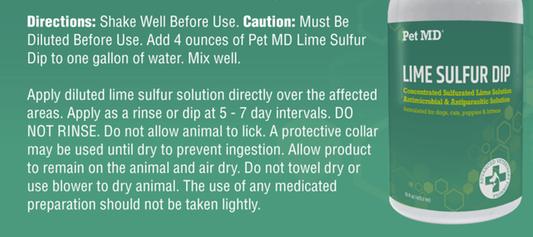
For pets, use sulfur shampoos or sprays made for animals. Avoid pure sulfur powders on skin. Gently wash your pet with sulfur shampoo, then rinse well. Apply sprays only on fur, avoiding eyes and mouth.
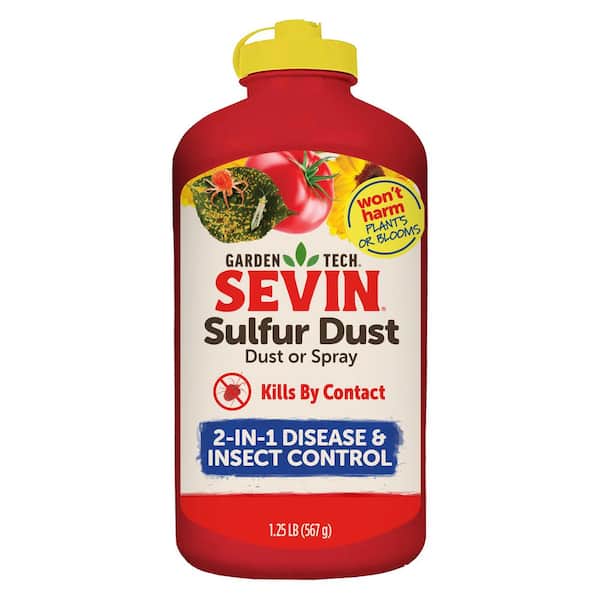
In the home, spread sulfur powder lightly in areas fleas hide. Focus on carpets, pet bedding, and corners. Leave the powder for several hours, then vacuum thoroughly. Repeat treatments weekly until fleas disappear.
Outdoor use includes dusting sulfur around pet resting areas. Avoid windy days to prevent powder spread. Use sulfur sprays on garden spots where fleas may live.
Precautions And Potential Side Effects
Sulfur can irritate skin and eyes. Always test a small area first on your pet. Watch for redness, itching, or swelling. Stop use if any reaction appears.
Keep sulfur away from children and pets’ mouths. Do not use near food or water bowls. Wear gloves when handling sulfur powder or spray.
Do not use sulfur on very young, sick, or pregnant pets without vet advice. Avoid overuse to prevent skin dryness or damage.

Credit: www.cuteness.com
Additional Effective Flea Control Tips
Controlling fleas requires more than just one method. Using several strategies together improves your chances of success. These simple steps help keep your home and pets flea-free.
Each tip targets different parts of the flea life cycle. This stops fleas from coming back quickly.
Regular Cleaning And Vacuuming
Vacuum floors, carpets, and furniture often. This removes flea eggs, larvae, and adults from your home. Empty the vacuum bag or canister outside to stop fleas from returning. Wash pet bedding and blankets in hot water weekly. Clean places where your pet spends most time.
Using Flea Combs And Shampoos
Flea combs catch adult fleas on your pet’s fur. Comb your pet daily to reduce flea numbers. Use flea shampoos made specifically for pets. These shampoos kill fleas quickly and soothe your pet’s skin. Always follow the product instructions for safe use.
Outdoor Yard Treatments
Treat your yard to reduce flea populations outside. Fleas live in grass, soil, and shady spots. Use safe outdoor sprays or natural remedies to kill fleas. Keep your lawn trimmed and remove debris where fleas hide. This lowers the chance of fleas entering your home.
When To Consult A Veterinarian
Knowing when to consult a veterinarian is crucial for your pet’s health. Fleas can cause serious problems beyond simple itching. Early veterinary care can prevent these issues from worsening.
Veterinarians offer expert advice and treatments that you cannot get over the counter. They can also check for other health problems linked to fleas. If home remedies like sulfur do not work, a vet visit is necessary.
Signs Of Severe Flea Infestation
Watch for constant scratching or biting by your pet. Bald patches and red, irritated skin show flea bites. Flea dirt, which looks like black specks, is a strong sign. Pets may also seem restless or have trouble sleeping.
Severe infestations can cause anemia, especially in small or young animals. Pale gums or weakness indicate this serious condition. If you see these signs, contact a veterinarian immediately.
Professional Flea Treatment Options
Veterinarians offer treatments that kill fleas quickly and safely. These include topical solutions, oral medications, and injections. Some treatments also prevent flea eggs from hatching.
Professional care ensures proper dosage and reduces side effects. Vets can recommend the best product for your pet’s age and health. They may suggest treating your home to stop fleas from coming back.
Credit: www.chewy.com
Credit: www.homedepot.com
Frequently Asked Questions
Does Sulfur Effectively Kill Fleas On Pets?
Yes, sulfur can kill fleas by disrupting their nervous system. However, it is less common than other flea treatments. Always consult a vet before using sulfur on pets.
How Does Sulfur Kill Fleas And Their Larvae?
Sulfur acts as a natural insecticide that interferes with flea metabolism. It targets both adult fleas and larvae, reducing infestations effectively.
Is Sulfur Safe For Use Around Pets And Humans?
Sulfur is generally safe in small amounts but can cause irritation. Use it carefully and avoid direct contact with eyes or open wounds.
Can Sulfur Be Used In Home Flea Control Treatments?
Yes, sulfur powder or sprays can treat carpets and pet bedding. It helps reduce flea populations but should be combined with other methods for best results.
Conclusion
Sulfur can help reduce flea numbers but may not kill them all. Use it carefully and follow safety instructions. Combining sulfur with other flea treatments works best. Regular cleaning of your pet’s space is important too. Always watch your pet for any irritation or reactions.
Flea control takes patience and consistent effort. Choose the safest method that fits your needs. Keep your pet happy and flea-free.