
Last Updated on July 25, 2026
Have you ever noticed your dog happily munching on a frozen treat and wondered if it’s safe or even healthy? If your furry friend loves eating frozen snacks, you’re probably curious about what that means for their health and well-being.
You might be asking yourself: Is it good for them? Could it cause any problems? This article will answer your questions and help you understand why your dog enjoys frozen food, what benefits it might have, and what to watch out for.
Keep reading to make sure you’re giving your dog the best care possible!
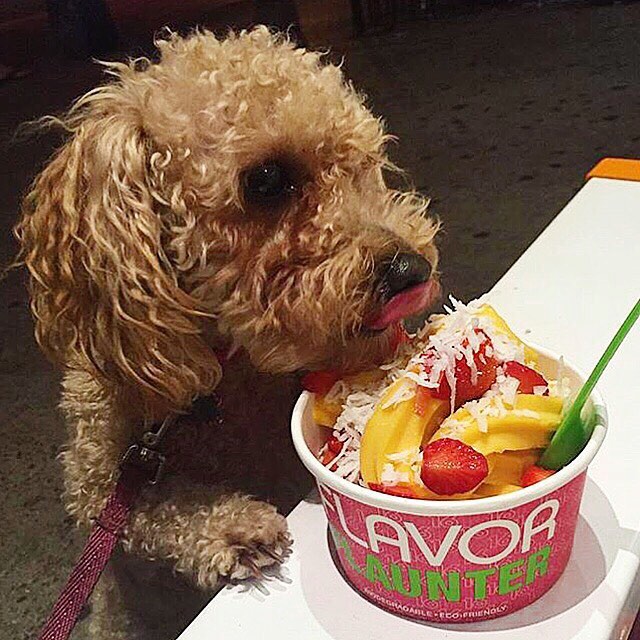
Credit: 16handles.com
Benefits Of Frozen Treats
Frozen treats offer many benefits for dogs. They provide a fun and healthy way to keep pets happy. These treats help dogs stay cool and comfortable. They also support good habits and overall health. Here are some key benefits of frozen treats for your dog.
Cooling Effect On Hot Days
Frozen treats help dogs cool down quickly. On warm days, they lower body temperature. This keeps dogs comfortable and safe from heat. The cold treat refreshes and soothes the mouth. It is a great way to beat summer heat.
Soothing Sore Gums
Frozen treats can ease gum discomfort. Dogs with sore or sensitive gums find relief. The cold reduces inflammation and pain. Puppies teething also benefit from chewing cold treats. It helps them feel better and calmer.
Promoting Hydration
Frozen treats increase water intake easily. Many dogs do not drink enough water. Ice treats contain water in a fun form. They encourage dogs to stay hydrated. Good hydration supports health and energy levels.
Encouraging Slow Eating
Frozen treats slow down fast eaters. Dogs that eat too fast risk choking. Ice treats take longer to chew and lick. This helps digestion and reduces stomach upset. It teaches dogs to enjoy their food slowly.
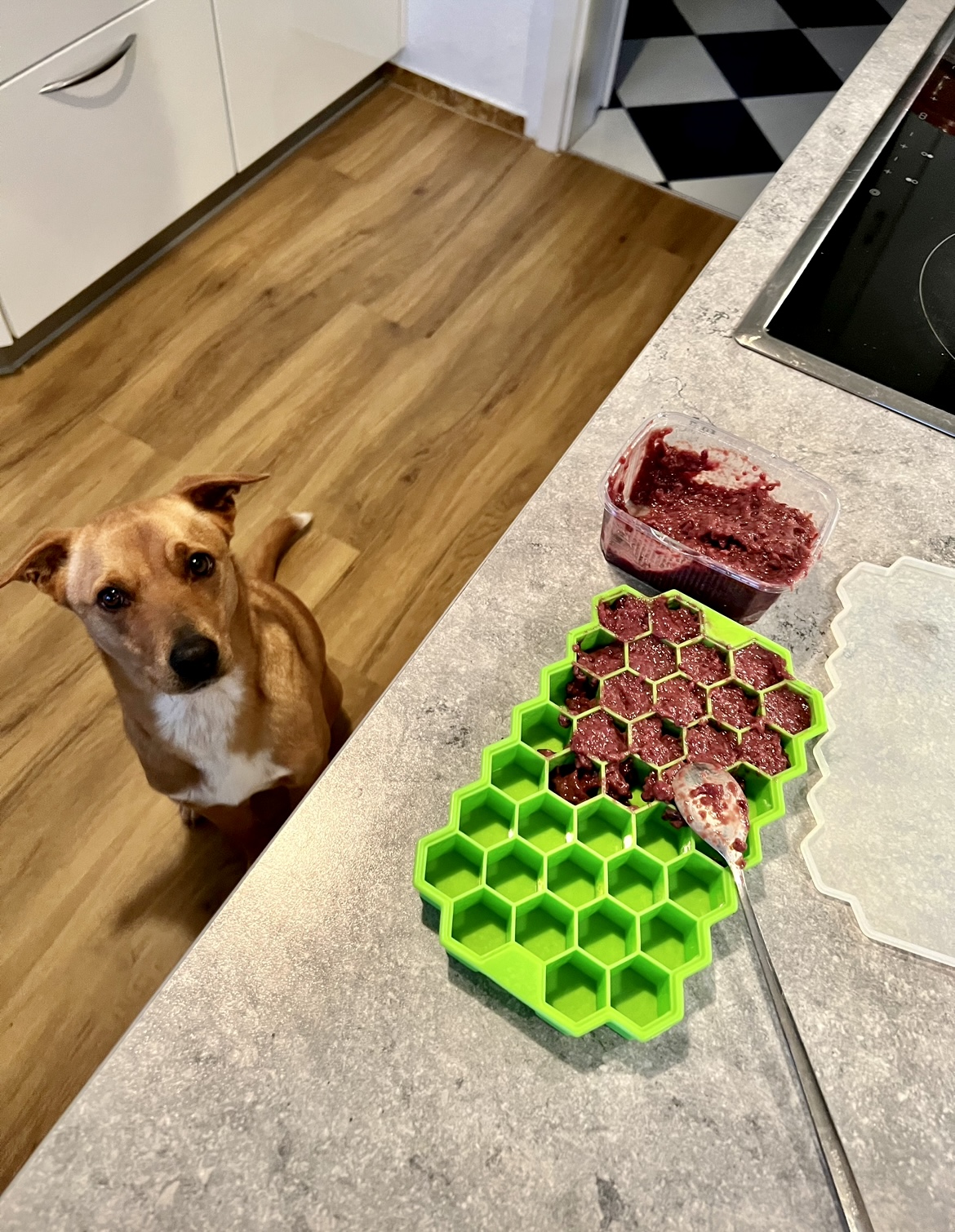
Credit: www.thatmutt.com
Safe Frozen Treat Options
Frozen treats can keep dogs cool and happy, especially on hot days. Choosing safe options matters for their health. Some frozen snacks offer vitamins and hydration, while others provide a tasty, low-calorie reward. Always pick treats that are gentle on your dog’s stomach and easy to digest.
Frozen Fruits And Vegetables
Many fruits and vegetables freeze well for dogs. Blueberries, apple slices, and carrots are popular choices. These treats contain natural sugars and fiber. Avoid grapes, raisins, and onions, as they are toxic to dogs. Frozen veggies like green beans or peas make crunchy snacks. These options are healthy and low in calories.
Yogurt-based Treats
Plain yogurt is a good base for frozen dog treats. It contains probiotics that support digestion. Make sure to choose yogurt without added sugar or artificial sweeteners. Freeze small dollops for a creamy, cool snack. Some dogs enjoy yogurt mixed with mashed fruit for extra flavor. Always check for lactose intolerance before feeding dairy.
Homemade Frozen Snacks
Making frozen treats at home is simple and safe. Blend dog-safe ingredients like peanut butter, pumpkin, or chicken broth. Pour the mix into ice cube trays or silicone molds. Freeze until solid for portion-controlled snacks. Homemade treats let you control ingredients and avoid additives. They provide a fun way to pamper your pet.
Store-bought Choices
Many pet stores sell frozen treats made for dogs. Look for options with natural ingredients and no harmful additives. Choose treats that suit your dog’s size and dietary needs. Always read labels carefully to avoid unsafe ingredients. Store-bought treats offer convenience without sacrificing quality or safety.
Tips For Serving Frozen Treats
Serving frozen treats to your dog can be a fun way to keep them cool and happy. It also offers a tasty snack that feels special. Proper care is important to keep your dog safe and healthy.
Follow these tips to give frozen treats the right way.
Portion Control
Start with small portions. Dogs do not need large amounts of frozen treats. Too much can upset their stomach. Keep treats as a small part of their diet.
Use ice cube trays or small molds to make bite-sized pieces. This helps avoid overfeeding and keeps treats manageable.
Introducing Slowly
Give frozen treats little by little at first. Your dog’s body needs time to adjust. Watch for any signs of discomfort or dislike. Let your dog get used to the new texture and temperature.
Try offering frozen treats during calm moments. This helps your dog feel safe and relaxed while trying something new.
Avoiding Harmful Ingredients
Choose ingredients that are safe for dogs. Avoid chocolate, grapes, raisins, onions, and artificial sweeteners. These can be toxic or cause illness.
Use simple ingredients like plain yogurt, peanut butter, or pureed fruits. Always check with your vet before trying new foods.
Monitoring For Allergies
Watch your dog closely after giving frozen treats. Look for itching, swelling, vomiting, or diarrhea. These may be signs of an allergic reaction.
If you see any symptoms, stop giving the treat and talk to your vet. Early detection helps keep your dog safe.
Potential Risks To Consider
Frozen treats can seem like a fun snack for dogs. They help cool your pet on hot days. But frozen food for dogs carries some risks. Knowing these risks helps keep your dog safe and healthy.
Choking Hazards
Frozen food can be hard and slippery. Dogs might try to swallow large chunks. These chunks can block their throat. Small dogs face a higher choking risk. Always watch your dog while eating frozen treats.
Digestive Issues
Cold food can upset your dog’s stomach. It may cause vomiting or diarrhea. Some dogs have sensitive tummies. Sudden cold food changes can cause cramps. Start with small amounts to avoid problems.
Temperature Sensitivity
Dogs can feel pain from very cold food. Eating frozen snacks too fast can cause “brain freeze.” This sudden pain can scare or stress your dog. Let the treat thaw a little before giving it.
Dental Concerns
Chewing hard frozen food can hurt teeth. Older dogs or dogs with weak teeth are at risk. Frozen treats may cause cracked or broken teeth. Softer frozen snacks are safer for their teeth.
Creative Frozen Treat Recipes
Frozen treats make hot days fun for dogs. They cool down and enjoy tasty snacks. Creative recipes help keep dogs excited about their treats. These ideas use simple ingredients found at home. Each recipe is easy and quick to prepare.
Peanut Butter Pops
Mix plain peanut butter with water or broth. Pour the mix into ice cube trays. Freeze for several hours until solid. These pops are tasty and full of energy. Make sure the peanut butter has no xylitol.
Pumpkin Yogurt Bites
Combine canned pumpkin with plain yogurt. Spoon the blend into small molds or trays. Freeze until firm. These bites support digestion and are creamy and sweet. Use unsweetened pumpkin and dog-safe yogurt only.
Frozen Broth Cubes
Use low-sodium chicken or beef broth. Pour broth into ice cube trays and freeze. These cubes hydrate and refresh dogs quickly. Broth cubes add flavor without extra calories.
Fruit And Oat Blends
Blend dog-safe fruits like blueberries or bananas with oats. Spoon the mixture into trays and freeze. These blends provide vitamins and fiber. They are chewy and cool at the same time.
When To Avoid Frozen Treats
Frozen treats can be a fun way to cool down dogs. Yet, there are times to skip them. Some dogs may not handle frozen snacks well. Knowing when to avoid frozen treats helps keep dogs safe and happy.
Puppies And Small Breeds
Puppies have sensitive teeth and gums. Hard frozen treats may hurt their mouths. Small breeds also have smaller teeth. Large frozen treats can be a choking risk. Soft or room-temperature snacks work better for them.
Dogs With Health Conditions
Dogs with dental problems should avoid hard frozen treats. Cold snacks may cause pain or worsen issues. Dogs with stomach problems might react badly. Frozen treats can upset digestion. Always check with a vet first.
Extreme Weather Considerations
In very cold weather, frozen treats may chill dogs too much. Dogs can get cold or uncomfortable. During winter, warm or room-temperature snacks suit better. In hot weather, frozen treats help cool dogs safely.

Credit: dogchild.co
Frequently Asked Questions
Why Do Dogs Eat Frozen Food Or Treats?
Dogs eat frozen food because it can be soothing, especially during teething or hot weather. Frozen treats also provide hydration and help clean their teeth. The texture and temperature can make frozen snacks appealing and enjoyable for dogs.
Is Eating Frozen Food Safe For Dogs?
Yes, eating frozen food is generally safe for dogs if the items are dog-friendly. Avoid giving frozen foods with harmful ingredients like chocolate or xylitol. Always supervise your dog to prevent choking on large frozen pieces.
Can Frozen Food Help With A Dog’s Dental Health?
Frozen food or treats can support dental health by reducing plaque buildup. Chewing on frozen items massages gums and helps keep teeth clean. However, frozen food should not replace regular dental care like brushing.
How Often Should Dogs Eat Frozen Treats?
Frozen treats should be given occasionally, not daily. Overfeeding frozen snacks can cause digestive upset or cold sensitivity. Limit frozen treat intake to a few times per week as a special reward.
Conclusion
Dogs can safely enjoy frozen treats in small amounts. These snacks help keep dogs cool and hydrated on hot days. Always watch for any signs of discomfort or allergies. Avoid giving frozen foods with harmful ingredients. Consult your vet if unsure about your dog’s diet.
Frozen treats can add fun and variety to mealtime. Keep your dog happy and healthy with safe frozen snacks. Simple, careful choices make all the difference for your pet.