Last Updated on May 28, 2026
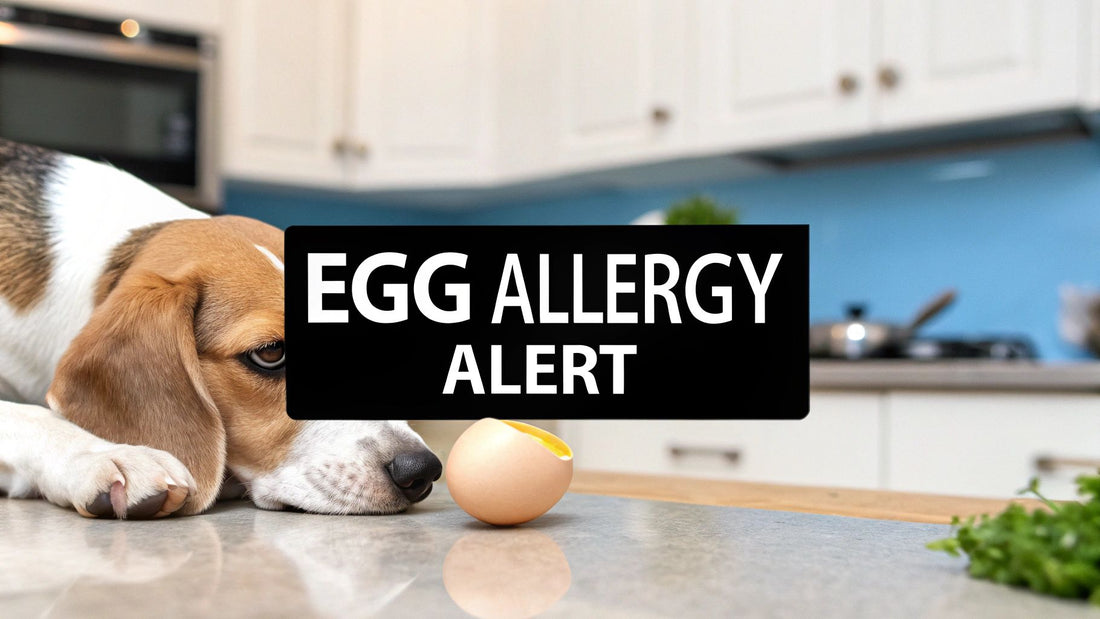
Have you noticed your dog scratching more than usual or having upset stomachs after meals? You might be surprised to learn that your furry friend could have an egg allergy.
Just like people, dogs can develop allergies that affect their health and happiness. Understanding dog egg allergy is key to keeping your pet comfortable and safe. You’ll discover what signs to watch for, why eggs might be causing problems, and how you can help your dog feel better fast.
Keep reading to protect your best friend from hidden food triggers you might not even suspect.
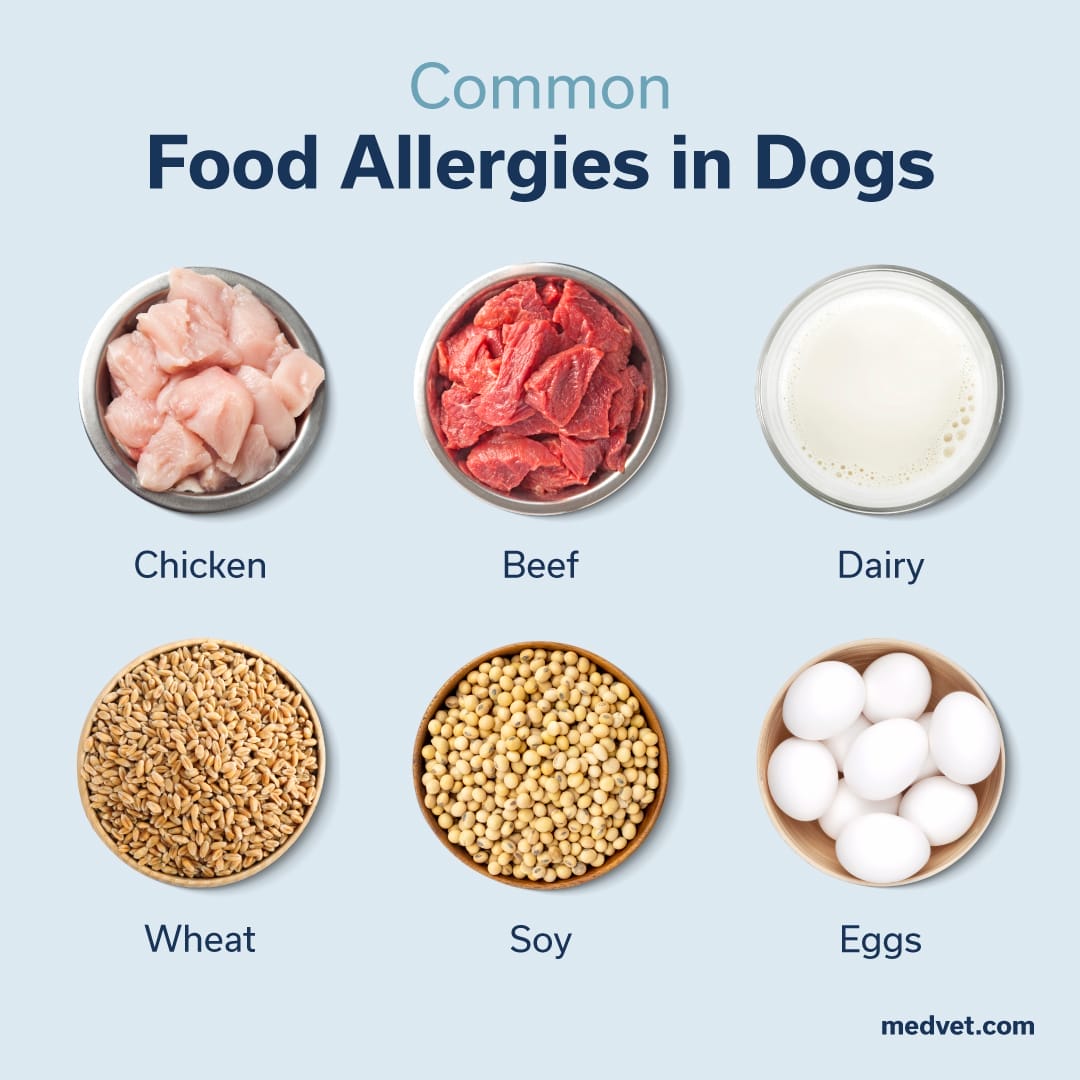
Credit: www.medvet.com
Symptoms Of Dog Egg Allergy
Dogs with egg allergy show different symptoms. These signs help identify if your dog is reacting to eggs. Watch your dog closely for changes after eating egg-based foods. Symptoms can affect skin, digestion, breathing, and behavior. Recognizing these signs early helps keep your dog safe and comfortable.
Skin Reactions
Skin issues are common in dogs with egg allergy. Your dog may scratch or bite the skin often. Look for redness, swelling, or rashes on the body. Hair loss or dry, flaky patches can also appear. These skin problems usually show up soon after eating eggs.
Digestive Issues
Egg allergy can cause stomach troubles in dogs. Vomiting and diarrhea happen frequently. Your dog might have a reduced appetite or seem tired. Gas and bloating can make your dog uncomfortable. These symptoms often occur within hours of eating eggs.
Respiratory Problems
Egg allergy can affect your dog’s breathing. Coughing, wheezing, or sneezing may happen. Some dogs have nasal congestion or runny nose. Breathing may become noisy or labored. These signs need quick attention to avoid serious problems.
Behavioral Changes
Allergy symptoms can change your dog’s behavior. Your dog may act restless or irritable. They might hide or avoid playing. Licking or chewing paws more than usual is common. These changes show your dog feels unwell from the allergy.
Common Causes Of Egg Allergy In Dogs
Egg allergy in dogs happens when their body reacts badly to egg proteins. This reaction can cause itching, swelling, or stomach problems. Understanding why dogs get this allergy helps in managing and preventing it.
Several factors can cause egg allergies in dogs. These include how their immune system works, their genes, and things around them. Each plays a role in triggering the allergy.
Immune System Response
The dog’s immune system can mistake egg proteins as harmful invaders. It then attacks these proteins. This causes allergy symptoms like itching and swelling. The immune system’s overreaction is the main cause of egg allergy.
Genetic Factors
Some dogs inherit a tendency to develop allergies. Certain breeds are more prone to egg allergies. Genes can make their immune system more sensitive. This inherited trait raises the chance of egg allergy.
Environmental Triggers
Environment can affect allergy risks. Dust, pollen, or chemicals may worsen the immune response. These triggers can make egg allergy symptoms worse. Keeping the dog’s environment clean helps reduce reactions.
Diagnosing Egg Allergy In Dogs
Diagnosing an egg allergy in dogs can be tricky. Symptoms often mimic other health problems. Careful observation and testing help find the cause. Early diagnosis prevents discomfort and health issues for your dog.
Veterinary Allergy Testing
Veterinarians use allergy tests to check for egg allergies. Blood tests can detect allergic reactions to specific proteins. Skin tests involve small injections to observe reactions. These tests provide clear evidence of an egg allergy. A vet can explain the best testing option for your dog.
Elimination Diets
An elimination diet removes eggs and other possible allergens. This diet lasts several weeks to watch for symptom changes. If symptoms improve, eggs may be the cause. Slowly adding eggs back confirms the allergy. This method helps identify food triggers safely and accurately.
Monitoring Symptoms
Careful tracking of symptoms guides diagnosis and treatment. Keep a daily log of your dog’s behavior and health. Note itching, digestive issues, or skin problems. Compare symptoms during and after egg exposure. Clear records help vets make informed decisions.
Effective Treatment Options
Managing a dog’s egg allergy requires a clear and practical approach. Effective treatment options help reduce symptoms and improve your pet’s quality of life. Each dog reacts differently, so treatments may need adjustments over time. A combination of dietary changes, medications, and careful avoidance of eggs offers the best results.
Dietary Management
Removing eggs from your dog’s diet is the first step. Check all food labels for egg ingredients. Many commercial dog foods contain eggs or egg by-products. Choose hypoallergenic or limited-ingredient diets instead. Home-cooked meals can also help control ingredients. Always talk to your vet before changing your dog’s diet.
Medications And Supplements
Medications can ease allergic reactions and itching. Antihistamines often reduce mild symptoms. In severe cases, your vet may prescribe steroids. Supplements like omega-3 fatty acids support skin health. Probiotics improve gut health and immune response. Never give human medications without vet approval.
Avoiding Egg Exposure
Keep eggs out of reach to prevent accidental ingestion. Avoid treats or snacks containing eggs. Be cautious during walks and visits to other homes. Inform family and friends about your dog’s allergy. Clean food bowls and surfaces regularly to remove egg residues.
Preventing Egg Allergy Reactions
Preventing egg allergy reactions in dogs requires careful planning and attention. Avoiding egg proteins is key to keeping your dog safe and healthy. You can manage your dog’s diet and environment to reduce allergic reactions. Understanding alternatives and reading labels helps you make better choices. Regular vet visits also support early detection and treatment. Here are some practical steps to prevent egg allergy reactions.
Safe Food Alternatives
Choose foods that do not contain eggs or egg products. Many dog foods use chicken or beef as protein sources instead. Look for formulas labeled “egg-free” or “hypoallergenic.” Fresh meats, rice, and vegetables often work well. Homemade meals can offer more control over ingredients. Always consult your vet before switching foods.
Reading Pet Food Labels
Check ingredient lists carefully on all dog foods and treats. Eggs may appear as “egg,” “egg powder,” or “albumin.” Some foods hide egg under names like “natural flavors.” Avoid any product that lists eggs in any form. Look for clear allergen statements on packaging. When in doubt, contact the manufacturer for details.
Regular Vet Checkups
Schedule vet visits to monitor your dog’s health regularly. Vets can spot early signs of allergic reactions. They help adjust diets and suggest tests if needed. Keep a log of your dog’s reactions to foods or environments. Early vet intervention can prevent severe allergic attacks. Regular checkups keep your dog comfortable and safe.

Credit: total.vet
Living With A Dog Egg Allergy
Living with a dog egg allergy requires careful attention every day. Dogs with this allergy can have mild to severe reactions. Knowing how to manage these reactions helps keep your dog safe and comfortable.
Understanding the allergy and making smart choices are key. Avoiding eggs in your dog’s diet is the first step. You also need to watch for symptoms and know when to act fast.
Managing Symptoms At Home
Watch your dog closely for signs like itching, swelling, or vomiting. Use cool compresses to reduce skin irritation. Keep your dog from scratching or licking affected areas. Clean the skin gently with vet-recommended products. Give any prescribed medications as directed. Keep your dog calm and rested to help healing.
Adjusting Your Dog’s Diet
Remove all eggs and egg-based products from their food. Check ingredient labels carefully on treats and meals. Choose hypoallergenic or limited-ingredient dog foods. Consult your vet to find the best diet plan. Introduce new foods slowly to watch for reactions. Avoid feeding table scraps that might contain eggs.
When To Seek Emergency Care
Emergency care is needed if your dog shows trouble breathing. Sudden swelling of the face or throat is a warning. Weakness or collapse requires immediate veterinary attention. Severe vomiting or diarrhea can lead to dehydration. Keep emergency vet contact information handy at all times. Act fast to protect your dog’s life.
Credit: www.joyfullpet.com
Frequently Asked Questions
What Are The Symptoms Of A Dog Egg Allergy?
Symptoms include itching, redness, swelling, vomiting, and diarrhea. Dogs may also experience ear infections or respiratory issues.
How Is A Dog Egg Allergy Diagnosed?
A vet diagnoses egg allergy through elimination diets, blood tests, or skin allergy tests. Accurate diagnosis is essential for treatment.
Can Dogs With Egg Allergies Eat Other Proteins?
Yes, dogs allergic to eggs often tolerate other proteins like chicken, beef, or fish. Always consult a vet before changing diets.
How To Treat A Dog With Egg Allergy?
Treatment involves avoiding eggs, using hypoallergenic diets, and giving prescribed medications for symptoms. Regular vet check-ups help manage the allergy.
Conclusion
Dogs with egg allergies need special care and attention. Avoid feeding eggs or egg-based products to your pet. Watch for signs like itching, swelling, or digestive issues. Consult a vet for proper diagnosis and treatment options. A healthy diet without eggs can keep your dog happy and safe.
Stay informed and always prioritize your dog’s well-being. Small changes make a big difference in managing egg allergies. Keep your furry friend comfortable and enjoy many healthy years together.