Last Updated on August 21, 2026
Choosing the right food for your dog can feel overwhelming, especially when you want the best but don’t want to spend a fortune. You want your furry friend to stay healthy, energetic, and happy.
But how do you find good grocery store dog food that meets all these needs? You’ll discover simple tips to pick quality dog food that’s easy to find and fits your budget. Keep reading, and you’ll feel confident the next time you shop for your dog’s meals.
Benefits Of Grocery Store Dog Food
Choosing dog food from a grocery store offers many benefits for pet owners. It suits busy lifestyles and tight budgets without sacrificing quality. Grocery store dog food is easy to find, making feeding your dog simple and stress-free.
This option lets you provide your dog with nutritious meals without extra effort. It also gives you many choices to meet your dog’s specific needs. Understanding these benefits helps you make the best choice for your pet.
Convenience And Accessibility
Grocery store dog food is available at many locations. You can buy it while doing your regular shopping. This saves time and effort. No need to visit multiple stores or wait for delivery. It also means you can quickly replace food if your dog finishes early.
Affordability Compared To Premium Brands
Grocery store dog food often costs less than premium brands. This makes it easier to feed your dog well on a budget. You can buy larger bags or multiple types without spending too much. It helps keep your dog healthy and your wallet happy.
Wide Variety Of Options
Grocery stores carry many dog food brands and formulas. You can find options for puppies, adults, and seniors. There are foods for different dietary needs, such as grain-free or sensitive stomach formulas. This variety allows you to choose the best food for your dog’s health and taste preferences.
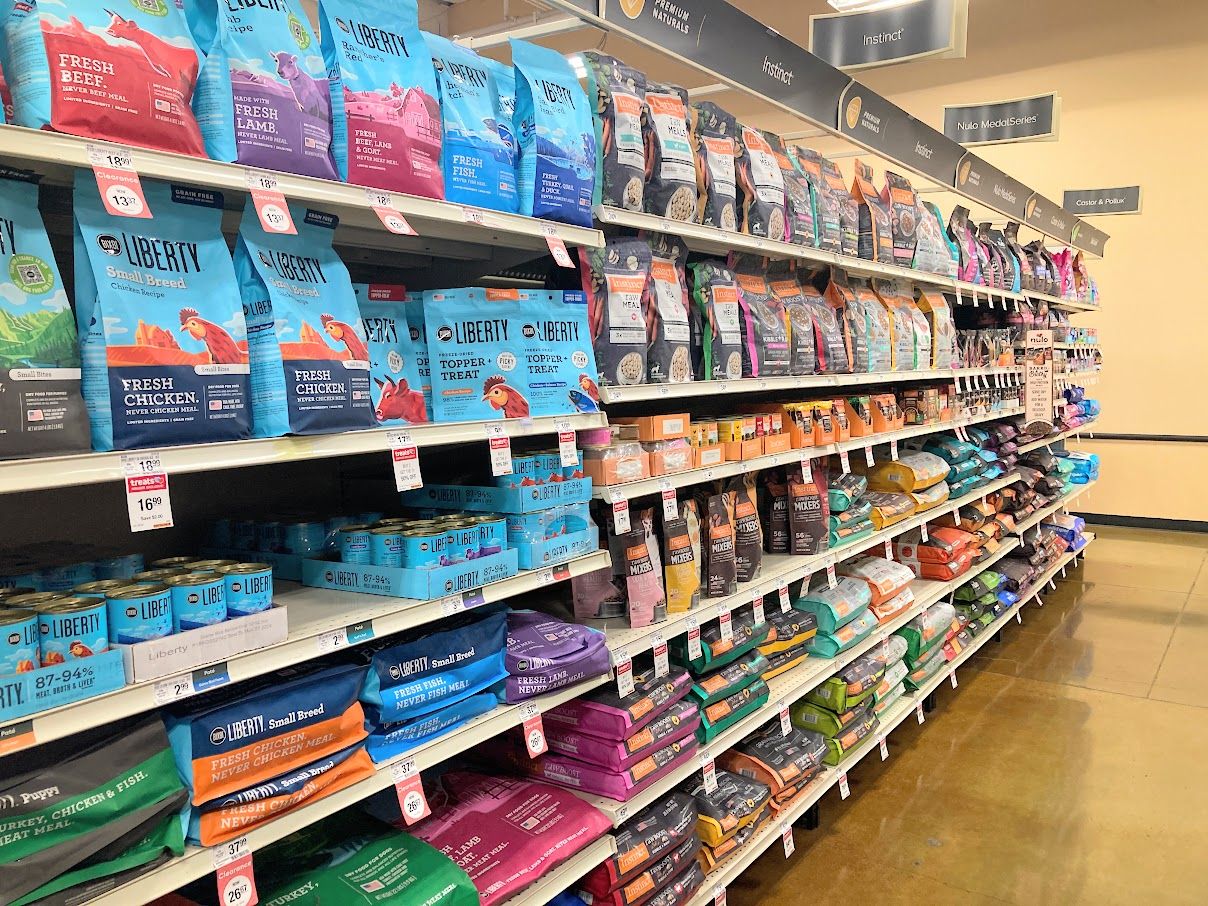
Credit: www.whole-dog-journal.com
Key Ingredients To Look For
Choosing the right dog food at the grocery store means checking the ingredients carefully. Good dog food has nutrients that support health and energy. Focus on ingredients that provide real benefits for your pet’s growth and wellbeing.
High-quality Protein Sources
Protein is vital for strong muscles and a healthy body. Look for named meats like chicken, beef, or fish. These are better than vague terms like “meat meal” or “animal by-products.” Real meat or fish listed first means higher quality. Avoid foods with too many fillers and low-quality protein.
Essential Vitamins And Minerals
Vitamins and minerals keep dogs active and prevent illnesses. Important nutrients include vitamin A, vitamin E, calcium, and zinc. These support bones, skin, and the immune system. Check the label for a balanced mix to meet daily needs. Avoid foods missing these key nutrients.
Grain-free Vs Grain-inclusive
Some dogs do better with grain-free food. Others need grains for energy and digestion. Grain-free dog food uses potatoes, peas, or lentils instead of wheat or corn. Grain-inclusive food offers whole grains like brown rice or oats. Choose based on your dog’s health and any allergies. Both types can be healthy if ingredients are good.
Top Healthy Dog Food Brands At Grocery Stores
Finding healthy dog food at grocery stores is easier than ever. Many brands focus on quality ingredients and balanced nutrition. This helps pet owners provide good meals without shopping at specialty stores.
Grocery stores carry a variety of dog foods. These include popular national brands, trusted store brands, and options for dogs with special dietary needs. Each type offers different benefits for your dog’s health.
Popular National Brands
Popular national brands are widely trusted by pet owners. These brands often use real meat and avoid fillers. Examples include Blue Buffalo, Hill’s Science Diet, and Nutro.
They offer formulas for puppies, adults, and senior dogs. Many also provide grain-free or weight management options. These brands are easy to find and have consistent quality.
Trusted Store Brands
Store brands have improved greatly in quality. Many grocery stores offer their own lines made with good ingredients. These brands often cost less than national ones.
Examples include Kirkland Signature and 365 Everyday Value. Store brands usually include basic formulas for all life stages. They provide a budget-friendly way to feed your dog well.
Specialty And Limited Ingredient Options
Specialty dog foods target specific health needs. Limited ingredient diets help dogs with allergies or sensitive stomachs. These foods use fewer ingredients to reduce reactions.
Some grocery stores carry brands like Natural Balance or Canidae. These options support dogs with food sensitivities or medical conditions. They are a good choice for picky or sensitive dogs.
Reading Dog Food Labels
Reading dog food labels helps you choose the best food for your dog. Labels show what ingredients are inside and how healthy the food is. Knowing how to read labels protects your dog’s health and supports their growth.
Labels may seem confusing at first. Learning the basics makes shopping easier and safer for your pet.
Understanding Ingredient Lists
Ingredients are listed by weight from most to least. The first few ingredients matter most. Look for real meat or meat meal near the top. Avoid foods with vague terms like “meat by-product.” Fresh vegetables and grains should also appear early in the list.
Identifying Fillers And Additives
Fillers add bulk but little nutrition. Common fillers include corn, wheat, and soy. These can cause allergies or upset stomachs. Additives such as artificial colors and preservatives may harm your dog. Choose foods with natural preservatives and no artificial colors.
Recognizing Nutritional Adequacy Statements
Look for statements like “complete and balanced.” This means the food meets dog nutrition standards. The statement should reference AAFCO or a similar organization. This ensures the food has all needed vitamins and minerals for your dog’s life stage.
Choosing Dog Food For Different Life Stages
Choosing the right dog food depends on your pet’s age and needs. Dogs require different nutrients as they grow. Puppies, adults, and senior dogs all benefit from specific diets. Tailoring food to life stages supports health and energy. This guide breaks down key food types for each stage.
Puppy Formulas
Puppies need food rich in protein and fat. This supports rapid growth and brain development. Puppy formulas contain extra vitamins and minerals. They help build strong bones and teeth. Smaller kibble sizes suit little mouths. Frequent meals fuel their high energy levels.
Adult Maintenance Diets
Adult dogs need balanced nutrition to stay healthy. Maintenance diets have fewer calories than puppy food. This helps prevent weight gain and obesity. They contain the right amount of protein for muscle care. Essential fats keep the coat shiny. These diets support steady energy throughout the day.
Senior Dog Nutrition
Senior dogs require easy-to-digest food with lower calories. Their metabolism slows down with age. Senior diets often include joint-supporting ingredients like glucosamine. Fiber helps with digestion and weight control. Antioxidants may boost the immune system. Proper nutrition can improve quality of life for older dogs.
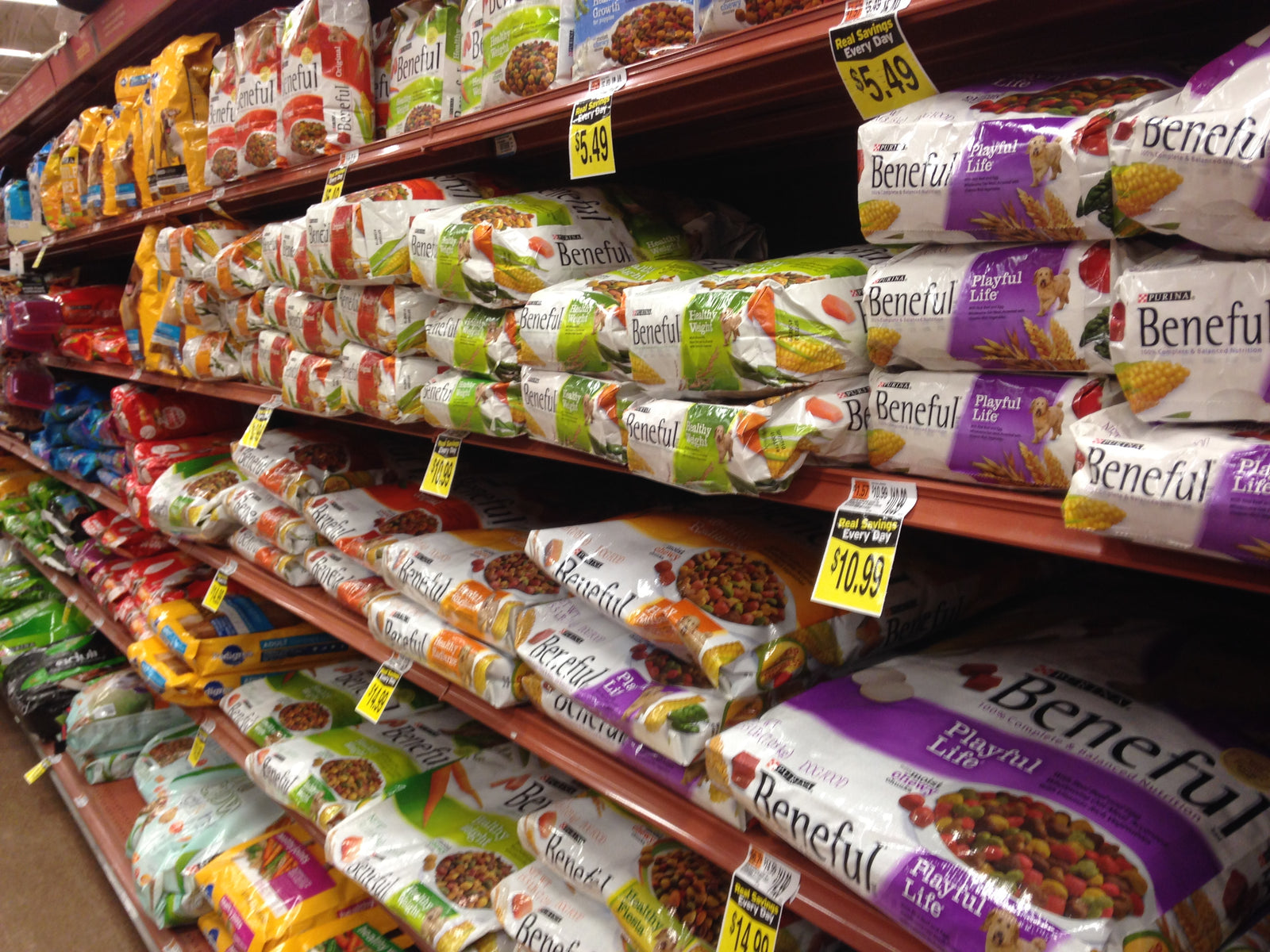
Credit: neaterpets.com
Tips For Transitioning To New Dog Food
Changing your dog’s food needs care and patience. A sudden switch can upset their stomach. This guide helps you make the change smooth and safe.
Gradual Introduction Strategies
Start by mixing a small amount of new food with the old. Increase the new food every few days. This helps your dog’s digestive system adjust. Watch how your dog reacts during the change.
Monitoring For Allergies Or Sensitivities
Look for signs like itching, redness, or upset stomach. These may mean your dog has a sensitivity. Stop the new food if these signs appear. Consult your vet for advice on allergies.
Adjusting Portions And Feeding Schedules
New dog food may have different calories. Adjust portions to keep your dog at a healthy weight. Keep feeding times consistent to avoid hunger or overeating. Measure food to control portions accurately.
Homemade Additions To Grocery Store Dog Food
Adding homemade ingredients to grocery store dog food can boost nutrition and flavor. These simple additions support your dog’s health and make mealtime more enjoyable. Homemade toppings and mix-ins offer fresh nutrients that dry or canned food might miss.
Choose safe, wholesome foods that complement your dog’s diet. Avoid harmful ingredients to keep your pet safe. Small changes can make a big difference in your dog’s well-being.
Healthy Toppers And Mix-ins
Fresh vegetables like carrots, green beans, and peas add vitamins and fiber. Plain cooked pumpkin supports digestion and soothes the stomach. A spoonful of plain yogurt adds probiotics for gut health. Cooked eggs provide protein and essential amino acids. These toppers enhance taste without adding unhealthy fillers.
Safe Human Foods For Dogs
Many human foods are safe for dogs in small amounts. Cooked chicken, turkey, or lean beef are good protein sources. Sweet potatoes are rich in vitamins and easy to digest. Blueberries and apples offer antioxidants and fiber. Avoid spices, salt, and sauces to keep foods safe and healthy.
Avoiding Harmful Ingredients
Never add onions, garlic, or chives; they are toxic to dogs. Avoid grapes, raisins, and chocolate, which can cause serious illness. Skip foods with artificial sweeteners like xylitol. Fatty, salty, or sugary foods can harm your dog’s health. Always check for allergies and introduce new foods slowly.

Credit: www.freshpet.com
Frequently Asked Questions
What Makes Grocery Store Dog Food Good Quality?
Good grocery store dog food contains real meat, balanced nutrients, and no fillers. Look for brands with clear ingredient lists and AAFCO approval. Avoid foods with artificial colors, preservatives, or excessive by-products. Quality dog food supports your pet’s health, energy, and digestion effectively.
Can I Trust Grocery Store Dog Food Brands?
Yes, many grocery store brands offer trusted dog food options. Choose brands with positive reviews and transparent ingredient sourcing. Check for nutritional adequacy statements and recall history. Always consult your vet to ensure the food matches your dog’s dietary needs and health conditions.
How To Choose The Best Dog Food At A Grocery Store?
Read ingredient lists carefully and prioritize whole meats and grains. Avoid foods with artificial additives or vague ingredients like “meat meal. ” Consider your dog’s age, size, and allergies. Select foods labeled complete and balanced for your dog’s life stage for optimal nutrition.
Is Grocery Store Dog Food Suitable For All Dog Breeds?
Grocery store dog food can suit many breeds but may not meet specific breed needs. Large or small breeds and those with allergies may require specialized formulas. Consult your vet to determine if grocery store options fit your dog’s unique dietary requirements.
Conclusion
Choosing good grocery store dog food helps keep your pet healthy. You can find quality options without spending too much. Always check the ingredients for real meat and nutrients. Avoid foods with too many fillers or artificial additives. Feeding your dog well supports their energy and happiness.
A little care in selecting food makes a big difference. Your dog will thank you with a wagging tail and bright eyes. Keep their diet simple, natural, and balanced for best results. Good food means a good life for your furry friend.