Last Updated on October 18, 2026
Is your dog sneezing more than usual? It can be worrying to see your furry friend uncomfortable or restless.
You want to help, but rushing to the vet isn’t always the first step. What if there are simple, safe home remedies that can ease your dog’s sneezing right now? You’ll discover easy and effective ways to soothe your dog’s nose and keep them happy.
Keep reading to learn how you can make your dog feel better quickly, without unnecessary stress or expense.

Credit: www.youtube.com
Common Causes Of Sneezing In Dogs
Sneezing in dogs can happen for many reasons. Understanding these causes helps in caring for your pet.
Some causes are simple and harmless, while others need medical attention. Knowing the difference is important.
Allergies And Irritants
Dogs can sneeze due to allergies. Dust, pollen, or strong smells may irritate their noses. These irritants trigger sneezing to clear the nose.
Some dogs are sensitive to smoke or cleaning products. Avoid exposing your dog to these irritants.
Infections And Cold
Just like humans, dogs catch colds and infections. Viral or bacterial infections cause sneezing. Other signs include coughing and a runny nose.
If sneezing lasts more than a few days, a vet visit is best.
Foreign Objects In The Nose
Sometimes small objects like grass or seeds get stuck in a dog’s nose. This causes sudden and frequent sneezing.
Dogs may paw at their nose or show discomfort. Removing the object quickly prevents infection.
Nasal Tumors And Polyps
Nasal growths can cause sneezing too. Tumors or polyps block the nasal passages. This problem is more common in older dogs.
These conditions need veterinary diagnosis and treatment.

Credit: www.amazon.com
Signs To Watch For
Knowing the signs to watch for helps you care for your sneezing dog better. Sneezing alone may not be a problem. But other signs can mean your dog needs help. Pay close attention to how often and how hard your dog sneezes. Also, check if your dog shows other symptoms. This guide helps you spot important signs and decide when to see a vet.
Frequency And Severity
Notice how often your dog sneezes each day. A few sneezes now and then is normal. Many sneezes in a row may show irritation or infection. Watch if sneezing is mild or strong. Intense sneezing can cause discomfort or injury. Keep track of sneezing bursts that last long. These details help you understand your dog’s condition.
Other Symptoms
Look for signs besides sneezing. Nasal discharge, watery eyes, or coughing can appear. Check if your dog’s nose is red or swollen. Notice if your dog rubs its face or nose often. Loss of appetite or low energy also matters. These signs may show allergies, infections, or other problems.
When To See A Vet
Visit a vet if sneezing lasts more than a week. Also go if your dog has blood in nasal discharge. Seek help when breathing is noisy or difficult. A vet visit is needed if your dog stops eating or drinking. Prompt care can prevent serious health issues. Don’t wait when your dog shows these warning signs.
Safe Home Remedies
Safe home remedies can help reduce your dog’s sneezing. These methods soothe irritation and support healing. Use these gentle treatments to make your dog feel better at home.
Always watch your dog closely. If sneezing worsens, contact a vet right away.
Using A Humidifier
A humidifier adds moisture to dry air. This helps ease your dog’s nasal passages. Moist air stops dryness that causes sneezing. Place the humidifier near your dog’s resting area. Run it for a few hours daily to see improvement.
Saline Nasal Rinses
Saline rinses clear your dog’s nose gently. Use a saline solution made for pets or mix salt and water. Apply a few drops in each nostril carefully. This flushes out dust and allergens. Avoid strong sprays or human products that may irritate.
Honey And Herbal Remedies
Honey can soothe your dog’s throat and nose. Give a small amount of raw honey daily. Herbal teas like chamomile also calm inflammation. Cool the tea and offer a little by mouth or in water. Check with your vet before trying new herbs.
Steam Therapy
Steam helps loosen mucus and open nasal passages. Sit with your dog in a warm bathroom. Run hot water to create steam but avoid direct heat. Let your dog breathe the steam for 10 minutes. This method relieves congestion and reduces sneezing.
Environmental Changes To Help
Changing your dog’s environment can reduce sneezing and improve comfort. Small adjustments help lower allergens and irritants. These changes create a safer space for your pet’s health.
Reducing Allergens At Home
Keep dust and pollen away from your dog. Use vacuum cleaners with HEPA filters. Wash your dog’s bedding often in hot water. Remove carpets or rugs that trap allergens. Use hypoallergenic covers on furniture. Keep windows closed during high pollen days.
Cleaning And Air Quality
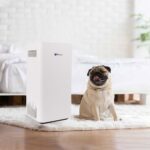
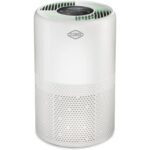
Clean floors and surfaces regularly to remove dust. Use air purifiers to reduce airborne particles. Avoid using strong cleaning chemicals near your dog. Choose pet-safe cleaning products instead. Change air filters in your home every month. Good ventilation helps keep air fresh and clear.
Avoiding Smoke And Strong Scents
Keep your dog away from cigarette smoke. Smoke irritates the nose and causes sneezing. Avoid using scented candles or air fresheners. Strong smells can trigger allergic reactions. Use unscented products around your pet. Fresh air is best for your dog’s nose.
Diet And Hydration Tips
Good diet and proper hydration help reduce sneezing in dogs. Healthy foods support the immune system. Water keeps the nose moist and clear of irritants. These tips improve your dog’s comfort and health.
Boosting Immunity With Nutrition
Feed your dog high-quality protein to support immune health. Fresh vegetables provide vitamins that fight infections. Omega-3 fatty acids reduce inflammation and soothe nasal passages. Avoid processed foods and fillers that can trigger allergies. Small, frequent meals keep energy steady and immune response strong.
Encouraging Water Intake
Offer fresh water in clean bowls several times daily. Add low-sodium broth to make water more appealing. Use pet water fountains to encourage drinking. Wet dog food also increases fluid intake. Proper hydration thins mucus and eases sneezing symptoms.
Preventive Measures
Preventive measures help keep your dog’s sneezing under control. They reduce the chances of infections and allergies. These steps help your dog stay healthy and happy.
Regular Grooming
Brush your dog often to remove dust and dirt. Clean their face and nose gently every day. Bathing your dog regularly keeps allergens away. Grooming lowers the risk of irritation and sneezing.
Routine Vet Checkups
Visit the vet for regular health checks. Early detection of problems prevents serious issues. Vaccines and treatments protect your dog from infections. Vets give advice on keeping your dog safe.
Avoiding Exposure To Triggers
Keep your dog away from smoke, strong perfumes, and dust. Avoid tall grass or pollen-heavy areas during allergy season. Use air purifiers to reduce indoor allergens. Limiting triggers helps reduce sneezing episodes.

Credit: www.petmd.com
Frequently Asked Questions
What Are Effective Home Remedies For A Sneezing Dog?
Use saline nasal drops to clear your dog’s nasal passages. Keep your dog hydrated and maintain a clean environment. Use a humidifier to ease breathing. Avoid strong scents and allergens. Consult a vet if sneezing persists beyond a few days.
Can Steam Therapy Help A Dog With Sneezing?
Yes, steam therapy can relieve nasal irritation in dogs. Sit with your dog in a steamy bathroom for 10-15 minutes. This helps loosen mucus and soothe irritated nasal passages. Always supervise your dog to avoid overheating or stress during steam sessions.
How To Identify Allergies Causing Dog Sneezing?
Look for additional symptoms like itching, watery eyes, or skin irritation. Common allergens include pollen, dust mites, and certain foods. Keep a diary of your dog’s environment and diet changes. Consult a vet for allergy testing to pinpoint triggers accurately.
When Should I See A Vet For My Sneezing Dog?
Visit a vet if sneezing lasts more than a week, or if your dog shows coughing, nasal discharge, or difficulty breathing. Persistent sneezing may signal infections or other health issues needing professional treatment. Early diagnosis ensures better recovery.
Conclusion
Sneezing in dogs can be uncomfortable but often has simple solutions. Try natural remedies like saline sprays or keeping your home dust-free. Watch your dog closely for changes in sneezing frequency or severity. A healthy diet and fresh air help support your dog’s well-being.
If sneezing lasts more than a few days or worsens, see a vet for advice. Caring for your dog with gentle home treatments can ease sneezing and keep them happy. Small steps make a big difference in your dog’s comfort.