Last Updated on September 24, 2026
Dog owners know that accidents happen, even with the best-trained pets. Coming home to find dog poop in your house can feel overwhelming or embarrassing, especially if you have guests arriving soon. But with the right steps, you can clean up dog messes quickly, safely, and without permanent stains or smells. In this guide, you’ll learn how to clean up dog poop in the house, from fresh piles to dried-in surprises, and how to get rid of odors for good.
Why Fast Cleanup Matters
Dog poop isn’t just unpleasant. It can contain bacteria, parasites, and viruses that are harmful to people and pets. Cleaning quickly reduces the risk of spreading illness. It also prevents staining and stops odors from soaking deep into your floors. Fast cleanup shows your dog that the house is not a toilet, helping with training.
Did you know? In a 2018 study, over 23% of household bacteria came from pet waste. Quick, complete cleaning keeps your home healthier for everyone.
Immediate Steps To Take When You Find Dog Poop
Stay calm. Here’s what to do first:
- Keep pets and children away – Poop can spread germs. Move them to another room.
- Open a window – This helps with smell and fresh air.
- Gather supplies – You’ll need gloves, paper towels, plastic bags, a scraper or spatula (for carpet), and a good cleaner.
Pro tip: Always wear disposable gloves when cleaning poop. Even healthy dogs can carry germs like E. coli.
Supplies You Need For Safe Cleanup
Having the right tools makes cleanup faster and more effective. Here’s a comparison of common cleaning supplies:
| Cleaning Tool | Best Use | Reusable? |
|---|---|---|
| Disposable gloves | Protecting hands from germs | No |
| Paper towels | Picking up solid waste | No |
| Plastic bag | Disposing of waste | No |
| Scraper/spatula | Lifting poop from carpet | Yes (wash after use) |
| Pet-safe cleaner | Removing stains/odors | Yes |
| Enzyme spray | Breaking down organic matter | Yes |
Enzyme cleaners are especially useful. They break down the proteins in waste, removing stains and smells, not just covering them.
How To Clean Up Dog Poop On Hard Floors
Cleaning poop from hard floors is usually straightforward. Follow these steps:
- Pick up the solid waste – Use paper towels or a plastic bag. Don’t press down; scoop gently to avoid smearing.
- Wipe up residue – Use more paper towels to remove any leftover bits.
- Clean the area – Spray a pet-safe cleaner or a vinegar-water mix (1: 1 ratio) on the spot. Let it sit for 2-3 minutes.
- Scrub and dry – Wipe with a clean towel or cloth until dry.
- Disinfect – If your floor can handle it, use a disinfectant to kill any germs. Always rinse well if the floor is used by pets or children.
Insider tip: Don’t use ammonia-based cleaners. They smell like urine to dogs and can encourage repeat accidents.
How To Clean Up Dog Poop On Carpet
Carpet is trickier because poop can soak into fibers and padding. Here’s how to handle it:
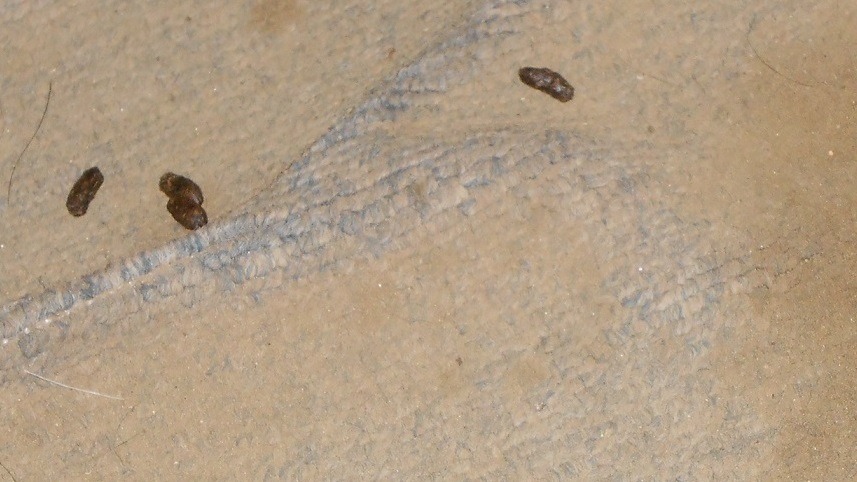
- Remove solids carefully – Use a scraper or spatula. Slide under the poop and lift. Don’t rub; you’ll push the mess deeper.
- Blot, don’t scrub – Place paper towels on the stain and press gently. Change towels often.
- Treat with enzyme cleaner – Spray generously. Let it sit for 10–15 minutes (follow label instructions).
- Blot again – Use a clean towel to absorb the cleaner and loosened stain.
- Rinse with clean water – Dab with a damp cloth to remove any leftover cleaner.
- Dry the spot – Place a dry towel and press down. If possible, use a fan to speed up drying.
Extra insight: Many people forget to rinse out the cleaning solution. Leftover cleaner can attract dirt, making your carpet look dirty later.
Dealing With Dried Or Old Poop Stains
Sometimes you don’t find the accident right away. Dried poop is tougher to remove but not impossible.
- Rehydrate the stain – Spray the area with warm water or a damp cloth. Let it sit for 5–10 minutes.
- Scrape gently – Use a spatula or dull knife to lift as much as possible.
- Apply enzyme cleaner – Let it soak longer (20–30 minutes for stubborn stains).
- Blot and rinse – Use towels and clean water as above.
- Repeat if needed – Old stains may take more than one treatment.
Non-obvious tip: For set-in odors, lay a bowl of baking soda nearby overnight after cleaning. It absorbs lingering smells.
Getting Rid Of Dog Poop Smell
Dog poop smell is strong and can last even after cleaning. Here’s how to get rid of it for good:
- Ventilate the room – Open windows and use fans.
- Use baking soda – Sprinkle on carpets or rugs after cleaning, let sit for an hour, then vacuum.
- Try white vinegar – Place a small bowl of vinegar in the room overnight to absorb odors.
- Deep clean – For persistent smells, steam clean carpets or mop hard floors with enzyme cleaner.
Common mistake: Many people just spray air freshener. This only masks the smell; it doesn’t remove the source.
Cleaning Poop From Different Surfaces
Dog poop lands everywhere—on tiles, wood, laminate, rugs, or even furniture. Here’s a quick comparison for cleaning different surfaces:
| Surface | Best Cleaning Method | Special Considerations |
|---|---|---|
| Tile | Wipe, disinfect, dry | Grout may need extra scrubbing |
| Hardwood | Scoop, enzyme cleaner, dry quickly | Avoid soaking wood to prevent warping |
| Laminate | Wipe, gentle cleaner | No harsh chemicals; avoid standing water |
| Rugs | Scrape, enzyme cleaner, rinse | Test cleaner on a small spot first |
| Furniture | Blot, enzyme spray, rinse | Check fabric care label |
Surprising fact: Hardwood and laminate can develop hidden mold if moisture is trapped, so dry these areas thoroughly.
Disposing Of Dog Poop Properly
Never flush dog poop down the toilet unless your city allows it. Most plumbing systems are not designed for pet waste. Instead:
- Seal in a plastic bag – Double-bag for extra protection.
- Place in outdoor trash – Use a lidded bin to keep out pests.
- Compost only if local laws allow – Most home compost is not safe for pet waste unless you use a special pet waste composter.
Did you know? Dog poop left outside can pollute water supplies and harm wildlife. Safe disposal protects your community.
Preventing Future Indoor Accidents
Cleaning is good, but prevention is better. Here’s how to avoid repeat accidents:
- Stick to a potty schedule – Walk your dog at the same times each day.
- Watch for signs – If your dog sniffs, circles, or paces, it may need to go out.
- Use dog gates – Block off rooms where accidents are common.
- Clean old stains thoroughly – Dogs may return to the same spot if they smell old odors.
- Train with positive rewards – Praise and treat your dog for pottying outside.
Extra insight: Many accidents happen when dogs are anxious or unwell. If accidents are new or frequent, talk to your vet.
Credit: www.cdc.gov
What If The Dog Poop Contains Blood Or Looks Unusual?
Sometimes, you’ll notice blood, mucus, or unusual color in your dog’s poop. This can be a sign of illness.
- Do not ignore it – Take a photo of the poop and call your vet.
- Clean carefully – Use gloves and disinfect well, as some illnesses are contagious.
- Monitor your dog – Note any changes in appetite, energy, or other symptoms.
Important note: Some diseases, like parvo or giardia, can spread from pet to pet or even to humans (zoonotic). Always wash your hands well after cleanup.
How To Handle Poop On Dog Toys, Bedding, And Clothes
Dogs sometimes track poop onto their favorite things. Here’s how to clean these items:
- Toys – Wash hard toys in hot, soapy water. For plush toys, machine wash on hot if possible.
- Bedding – Shake off solids outdoors. Wash in the hottest cycle safe for the fabric, using a pet-safe detergent.
- Clothes – Rinse off as much as possible, then wash separately from other laundry.
Pro tip: Add a cup of white vinegar to the rinse cycle for extra odor removal.
Credit: www.poop911.com
When To Call A Professional Cleaner
Some messes are just too big to handle alone. Call a professional if:
- The poop has soaked into carpets, floors, or walls and you can’t remove the smell.
- The area is very large or covers multiple rooms.
- There’s a risk of infection (for example, if someone in your house is immunocompromised).
Professional cleaners have industrial enzyme cleaners and can restore your home’s hygiene and smell.
Keeping Your Home Safe And Fresh
Cleaning up dog poop in the house is a part of pet ownership. With the right steps and products, you can keep your home clean, safe, and odor-free—even when accidents happen. Consistent cleanup and good dog training reduce future incidents.
And when in doubt, don’t hesitate to ask your vet for advice about your dog’s health or a professional about deep cleaning.
For more detailed cleaning and pet safety tips, you can visit the ASPCA Dog Care page.

Credit: www.steri-clean.com
Frequently Asked Questions
What Is The Best Way To Remove Dog Poop Stains From Carpet?
Use a scraper to lift solids, blot with paper towels, then apply an enzyme cleaner. Let it soak, blot again, rinse with water, and dry the area thoroughly. Repeat if the stain is stubborn.
Can Dog Poop Make People Sick?
Yes. Dog poop can carry bacteria, parasites, and viruses that can infect humans, especially children. Always clean carefully and wash your hands after.
Is It Safe To Use Bleach For Cleaning Up Dog Poop?
Bleach can disinfect, but it’s harsh and can damage some floors or fabrics. Use a pet-safe enzyme cleaner for most surfaces. Only use bleach on hard, bleach-safe surfaces, and rinse well.
What Should I Do If My Dog Keeps Pooping Inside?
Check for medical issues with your vet, then review your dog’s potty training routine. Clean old stains well and block off problem areas. Consistency and positive rewards work best.
How Can I Stop My House From Smelling After Cleaning Up Dog Poop?
Ventilate the room, use enzyme cleaners and baking soda, and clean thoroughly. For tough odors, steam clean carpets or call a professional if needed.
With these steps and tips, you’ll always be ready to handle indoor accidents and keep your home welcoming for everyone.