Last Updated on September 24, 2026
Cleaning up after your dog is a part of responsible pet ownership, but what do you do when your dog’s poop is not firm and easy to pick up? Many dog owners struggle with soft dog poop on grass because it’s messy, can sink into the ground, and often leaves traces behind. Leaving it isn’t just unsightly—it can spread disease and upset neighbors or park visitors. Knowing the right methods and tools to deal with soft dog poop can save you time, avoid embarrassment, and keep your yard or local park clean. In this guide, you’ll learn clear steps, smart techniques, and the best products for handling this challenging task.
Why Soft Dog Poop Is Hard To Pick Up
Picking up firm poop is simple, but soft or loose stools present unique problems. The poop often breaks apart when you try to scoop it, gets mashed into the grass, or leaves a sticky residue. Weather can make things worse—rain turns poop into a mushy mess, and sunshine can dry it into the grass. Soft stools are also more likely to carry bacteria or parasites, so cleaning thoroughly is important for health reasons.
What Causes Soft Dog Poop
Before learning how to pick it up, it helps to know why your dog might be producing soft poop. Some common causes include:
- Diet changes: Switching food brands or types too quickly can upset your dog’s stomach.
- Food intolerance: Some dogs react to certain ingredients like dairy, wheat, or chicken.
- Stress: Big changes or anxiety can lead to loose stools.
- Parasites or illness: Worms, infections, or diseases often cause softer stool.
- Medication: Some medicines have side effects that affect digestion.
If your dog’s stool is always soft, talk with your vet. Picking it up is one thing—but solving the root cause is even better.

Credit: www.amazon.com
Tools And Products That Make The Job Easier
Not all tools are created equal for cleaning soft dog poop from grass. Here’s a comparison of popular options:
| Tool/Product | Best For | Limitations |
|---|---|---|
| Dog waste bags | Standard pick-ups | Not effective for very loose stool |
| Pooper scoopers (with flat edge) | Soft but not liquid poop | Can smear stool into grass |
| Paper towels/newspaper | Blotting residue | Messy, not eco-friendly |
| Disposable gloves | Direct handling | Unpleasant for some people |
| Pet-safe cleaning sprays | Sanitizing area after cleaning | Extra cost |
| Cat litter/sawdust | Firming up runny mess | Requires clean-up after use |
Having the right tool for the job will make cleaning up less frustrating and more effective.
Step-by-step: How To Pick Up Soft Dog Poop From Grass
Every situation is a little different, but these steps cover almost all cases. The key is to be gentle, thorough, and prepared.
1. Wear Disposable Gloves
Soft poop can carry germs or parasites. Disposable gloves protect your hands and make the process less unpleasant. Keep a box near your back door or in your dog-walking bag.
2. Gather Your Tools
Bring along:
- Dog waste bags (preferably thick and unscented)
- A flat-edged pooper scooper or sturdy piece of cardboard
- Old paper towels or newspaper
- Pet-safe cleaning spray (if available)
- A small bag of cat litter or sawdust for emergencies
Being prepared means you won’t have to run back and forth, making the mess worse.
3. Remove What You Can With A Bag Or Scooper
If the poop is soft but not liquid, try using a pooper scooper or turn a waste bag inside out over your hand. Gently scoop from the edges towards the center, lifting as much as possible in one go. Avoid pressing down hard, as this can push the poop deeper into the grass.
4. Use Absorbent Material For Runny Poop
For really loose stools, sprinkle a small amount of cat litter, sawdust, or even fine sand over the mess. Wait 1–2 minutes for it to absorb moisture and firm up. Now, scoop up the clump along with some grass if needed. This method prevents smearing and makes picking up easier.
5. Blot Residue With Paper Towels
After scooping, there’s often a sticky or wet spot left behind. Use folded paper towels or newspaper to press (not rub) on the area. You may need several towels. Always pick up the used towels with your gloved hand and place them in a waste bag.
6. Clean The Spot With Pet-safe Spray
Spray the area with a pet-safe disinfectant. These sprays help kill germs and neutralize odor. If you don’t have a commercial cleaner, a simple mix of vinegar and water (1:1) works in a pinch. Spray lightly and let the solution soak in.
7. Dispose Of Waste Properly
Double-bag the poop, used towels, and gloves before throwing them in the trash. Never flush dog poop or cleaning materials down the toilet—it can harm pipes and water treatment systems.
8. Wash Your Hands
Even if you wore gloves, always wash your hands with soap and water after cleaning up. Germs can stick to your skin or under your nails.

Credit: www.gardeningchannel.com
Smart Tips For Easier Cleanup
Cleaning up soft dog poop doesn’t have to be a daily struggle. Try these tips to make your life easier:
- Feed your dog at regular times to help digestion.
- Keep your yard’s grass short—long grass makes cleanup harder.
- Carry a small bottle of pet-safe spray on walks for quick cleanups.
- Use thick bags, not thin grocery sacks, to avoid leaks.
- Place a small dustpan in your dog-walking kit for emergencies.
- If your dog often has loose stools, keep a bag of cat litter near the door.
Common Mistakes To Avoid
Even experienced dog owners can make errors when dealing with soft poop on grass. Here’s what not to do:
- Rubbing the area: This pushes the mess deeper and spreads bacteria.
- Using only water: Water alone may spread the stool and does not disinfect.
- Leaving residue behind: This attracts flies and can infect other pets.
- Using harsh chemicals: Bleach and strong cleaners can kill grass and harm pets.
- Ignoring recurring soft stools: Ongoing issues may signal health problems.
Credit: thepetlabco.ca
How Weather Changes Cleanup
Weather plays a big role in cleanup. Rain, dew, or even a sprinkler can turn soft poop into a slippery mess. In cold weather, poop can freeze to the grass, making it hard to remove without tearing up the lawn.
On hot days, poop dries out quickly, but may stick more. Try to clean up as soon as possible after your dog goes—waiting makes the job harder.
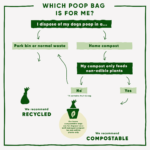
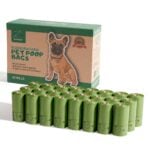
Comparing Dog Poop Bags For Soft Stool
Some dog poop bags are better suited to soft or loose stool. Here’s how a few popular brands stack up:
| Brand | Thickness | Leak Resistance | Eco-Friendly |
|---|---|---|---|
| Earth Rated | Thick | High | Yes |
| Amazon Basics | Medium | Medium | No |
| BioBag | Thin | Low | Yes |
| Pogi’s Poop Bags | Thick | High | Yes |
Thicker bags are less likely to break or leak, making them ideal for soft stool. Eco-friendly options are available, but check that they’re sturdy enough for the job.
When To Call The Vet
If your dog’s poop is soft for more than a couple of days, or you notice blood, mucus, or a very bad smell, it’s time to consult your veterinarian. Chronic soft poop can signal allergies, parasites, or other health problems.
Take a fresh sample to your vet—they can use it for testing.
Reducing Soft Dog Poop In The Future
Prevention is always easier than cleanup. Here’s how you can help your dog have firmer stools:
- Feed high-quality food with simple, digestible ingredients.
- Avoid giving table scraps, dairy, or fatty treats.
- Make changes to your dog’s diet slowly, over 5–7 days.
- Give your dog regular exercise to promote healthy digestion.
- Keep up with worming and parasite prevention.
- Provide fresh, clean water at all times.
Sometimes, even with the best care, soft poop happens. But with these tips, you’ll deal with it less often.
Extra Insight: The Grass Factor
Many people forget that the type and condition of your lawn affects cleanup. Thick, lush grass hides poop and makes removal harder. Patchy, dry lawns may allow more poop to sink in. Consider keeping a small “potty patch” trimmed short or using gravel in a section of your yard for easier maintenance.
Extra Insight: Enzyme Sprays Vs. Regular Cleaners
Most people use water or household cleaners, but enzyme sprays are designed to break down organic matter and odors. These are available at pet stores and are safe for grass. If your dog always uses the same spot, enzyme sprays prevent smell and keep bacteria under control.
For more on effective cleaning products, you can check this AKC guide to pet stain and odor removers.
Frequently Asked Questions
How Do I Pick Up Very Runny Dog Poop From Grass?
Sprinkle a small amount of cat litter or sawdust over the mess. Wait for it to absorb moisture and then scoop up the clump, grass and all, using a pooper scooper or a thick waste bag. Blot the residue with paper towels and clean the spot with pet-safe spray.
Is It Safe To Wash Soft Dog Poop Into The Grass With Water?
No. Washing poop into the grass spreads bacteria and may contaminate soil and groundwater. Always remove as much as possible, blot residue, and use a pet-safe cleaner instead of just water.
What Can I Do To Prevent My Dog From Having Soft Poop?
Feed a consistent, high-quality diet, make any food changes slowly, avoid fatty treats, and keep your dog’s stress low. Regular deworming and vet checkups also help prevent loose stools.
Can I Use Baby Wipes To Clean Up Soft Dog Poop?
You can use unscented, alcohol-free baby wipes for small messes, but they don’t replace proper cleaning. Always remove the main mess first, then use wipes for final cleaning. Dispose of them in the trash—not the toilet.
How Do I Clean The Grass After Picking Up Soft Dog Poop?
After removing the poop, blot the area with paper towels to absorb remaining moisture. Spray the spot with a pet-safe disinfectant or a 1:1 vinegar-water mix. Let it dry before letting pets or kids play on the lawn.
Cleaning up soft dog poop from grass isn’t anyone’s favorite job, but with the right tools, knowledge, and a little patience, you can handle it quickly and thoroughly. With good habits and a few smart products, you’ll keep your yard clean, your neighbors happy, and your dog healthy.