Last Updated on June 14, 2026
Ticks on your dog are more than just a nuisance—they can cause serious health problems for your furry friend. If you’ve ever found a tick on your dog, you know how worrying it can be.
But what if you could stop ticks before they even get close? You’ll discover simple and effective ways to protect your dog from ticks all year round. Keep reading to learn how to keep your dog safe, comfortable, and happy without the stress of unwanted pests.
Your dog deserves the best care, and you’re just a few steps away from mastering tick prevention.
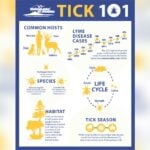
Credit: www.lymedisease.org
Tick Risks For Dogs
Ticks pose a serious threat to dogs. These tiny parasites can attach to your dog’s skin and feed on their blood. This can cause discomfort, irritation, and even serious illness. Understanding the risks helps you protect your furry friend better.
Common Tick Species
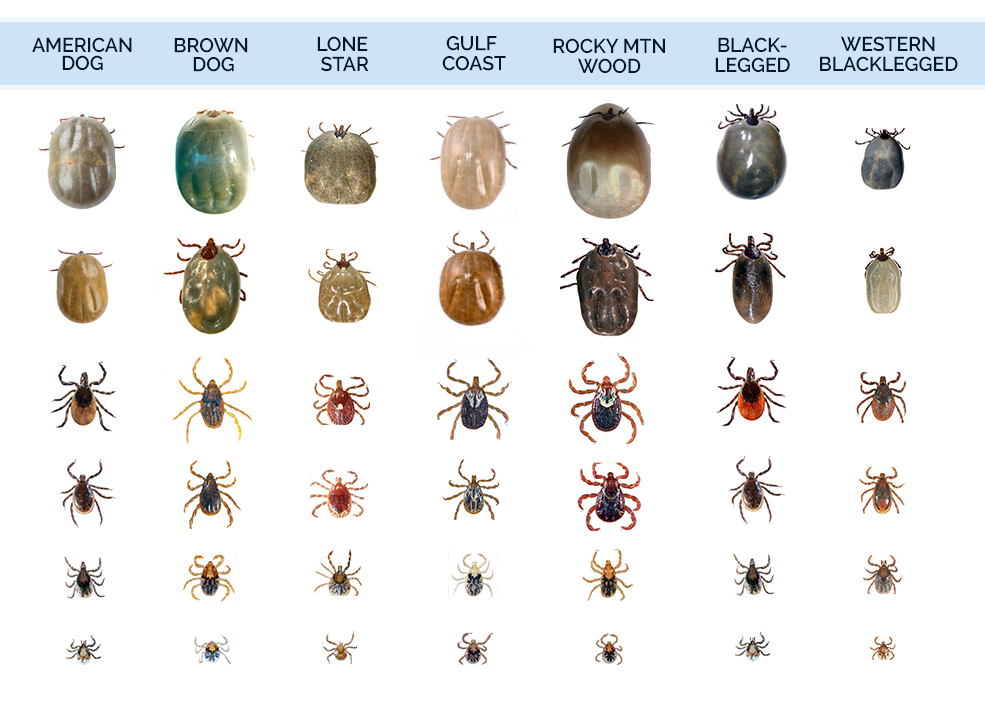
Several tick species target dogs. The black-legged tick, also called the deer tick, spreads Lyme disease. The American dog tick often carries Rocky Mountain spotted fever. Brown dog ticks live in kennels and homes. Knowing these species helps spot ticks early.
Health Issues From Tick Bites
Tick bites cause more than itching. They can lead to infections and allergic reactions. Diseases like Lyme disease, ehrlichiosis, and anaplasmosis affect dogs’ joints and organs. Severe cases cause fever, weakness, and loss of appetite. Early treatment is vital.
Tick Habitats And Behavior
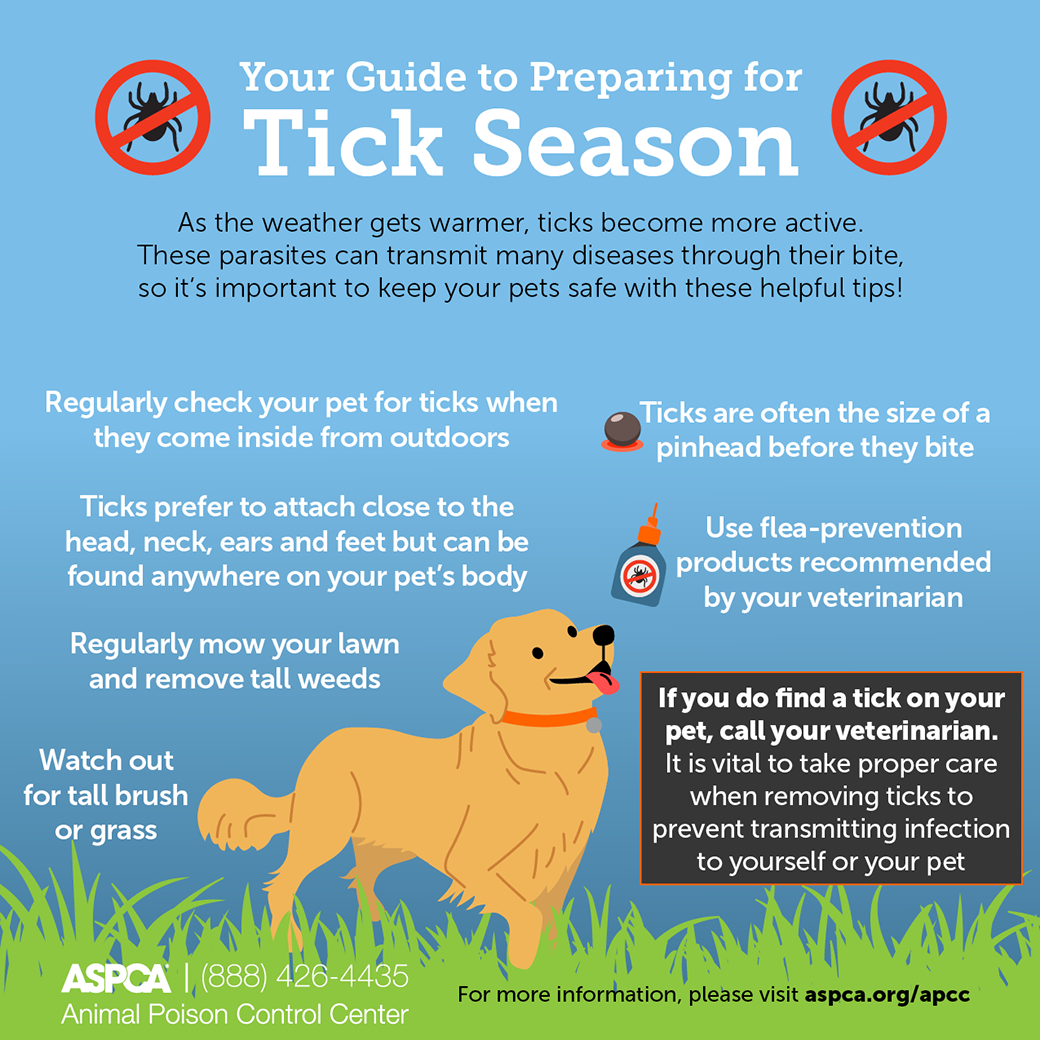
Ticks live in tall grass, bushes, and leaf piles. They wait on plants to latch onto passing animals. Ticks prefer warm, humid environments. Dogs become targets during outdoor activities. Regular checks after walks help find and remove ticks quickly.
Credit: www.riverlandingsanimalclinic.com
Seasonal Tick Activity
Ticks are small pests that can harm dogs. Knowing when ticks are most active helps keep pets safe. Ticks live in different places and times of the year. This section explains the times ticks are most likely to attack dogs.
Peak Tick Seasons
Ticks are most active in warm months. Spring and summer bring the highest risk. During these seasons, ticks wait on grass and bushes. Dogs playing outside can easily pick them up. Check your dog daily after outdoor play.
Some ticks become active again in early fall. Cooler weather does not stop them completely. Be extra careful during these times. Use tick prevention treatments to protect your dog.
Year-round Tick Presence
Ticks do not disappear in winter. They can survive in mild climates all year. Indoor heating can help ticks stay alive inside homes. Even in cold months, check your dog regularly. Ticks can hide in fur and skin.
Preventing ticks is a year-round task. Consistent use of tick control products works best. Keep your yard clean and free of tall grass. These steps reduce tick presence around your home.
Tick Prevention Products
Ticks cause many problems for dogs. They carry diseases and cause itching. Using tick prevention products helps protect your dog. Many options exist to keep ticks away safely. Choose what fits your dog’s needs best.
Topical Treatments
Topical treatments are liquids applied to your dog’s skin. Usually placed between the shoulder blades. They kill ticks on contact. Most last for one month. Easy to use and effective for many dogs.
Oral Medications
Oral medications come as pills or chewables. They work from inside your dog’s body. Ticks die after biting your dog. These medicines often last one to three months. Great for dogs that do not like topical products.
Tick Collars
Tick collars release chemicals that repel ticks. Your dog wears it around the neck. They provide long-lasting protection, often for several months. Good for dogs active outdoors. Check the collar fits well and is comfortable.
Natural Remedies
Some owners prefer natural remedies. Essential oils like lavender or eucalyptus may help. Homemade sprays with vinegar or garlic are common. These options may not be as strong as medicines. Use with care and watch for skin reactions.
Home And Yard Protection
Protecting your home and yard helps keep ticks away from your dog. Ticks hide in tall grass and leaves. They wait for pets to walk by. Taking steps around your property lowers this risk. A safe yard means your dog is safer too.
Simple changes can make a big difference. Clear spaces where ticks like to live. Use safe products to control pests. Create areas where ticks cannot survive. These actions work together to reduce tick problems.
Landscaping Tips To Reduce Ticks
Keep grass short and bushes trimmed. Ticks do not like open, sunny spaces. Remove leaf piles and tall weeds. Use wood chips or gravel between grass and woods. This acts as a barrier to ticks. Plant tick-repellent plants like lavender and rosemary.
Using Safe Pesticides
Choose pesticides that are safe for pets and people. Follow the label instructions carefully. Apply pesticides to tick-prone areas only. Avoid spraying where your dog plays or rests. Regular treatment helps lower tick numbers. Ask a professional if unsure about products.
Creating A Tick-free Zone
Make a clear zone around your home’s edges. Remove leaves, tall grass, and wood piles. Use gravel or mulch to create dry areas. Keep playgrounds and patios clean and tidy. Limit contact between wild animals and your yard. This reduces the chance ticks enter your space.
Daily Tick Checks
Daily tick checks are a simple way to protect your dog from ticks. Ticks can carry diseases that harm your dog’s health. Checking your dog every day helps find ticks early. Early removal lowers the risk of infection. It only takes a few minutes but can save your dog a lot of trouble.
How To Inspect Your Dog
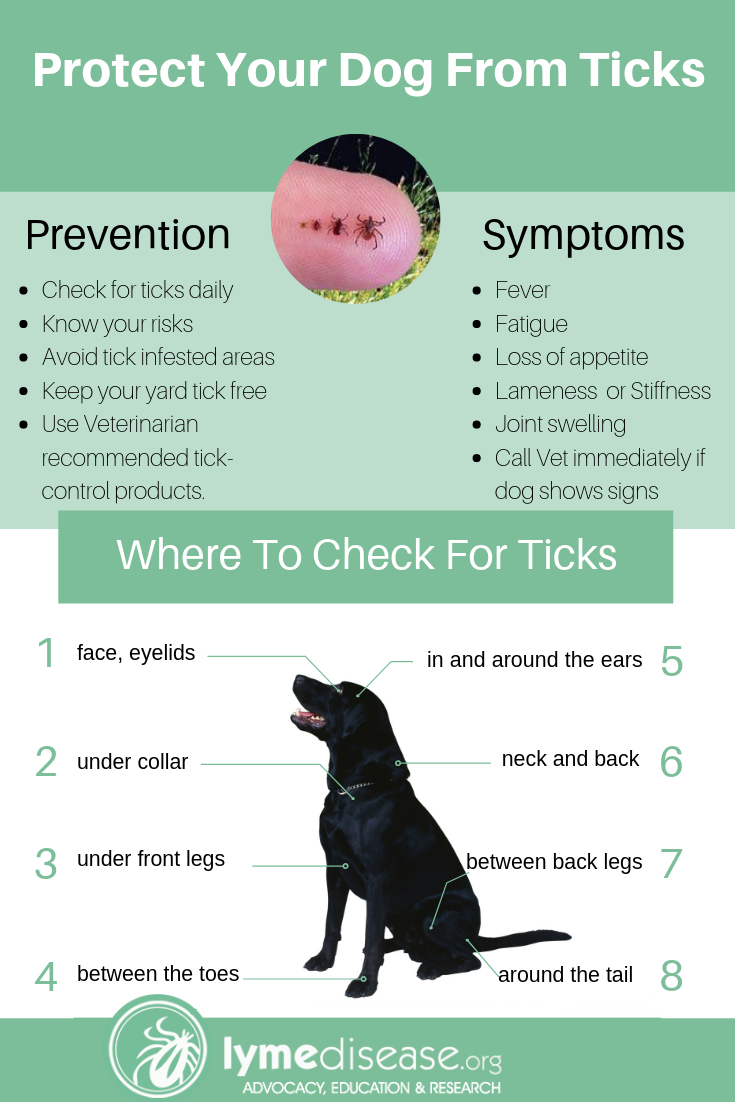
Start by petting your dog slowly. Feel for small bumps or lumps on the skin. Pay close attention to areas with less fur. Check behind the ears, under the collar, and around the paws. Don’t forget the belly and between the toes. Use your fingers to part the fur and look closely. Look for tiny, dark spots that might be ticks. Move carefully to avoid missing any ticks hiding in the fur.
Tools For Tick Removal
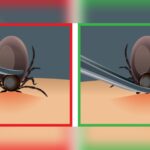
Use a pair of fine-tipped tweezers or a tick removal tool. Grab the tick as close to the skin as possible. Pull straight out with steady, even pressure. Avoid twisting or crushing the tick. After removal, clean the bite area with rubbing alcohol. Wash your hands well. Dispose of the tick by placing it in alcohol or sealing it in a bag. Never crush a tick with your fingers.
When To See A Veterinarian
Visit the vet if the tick is deeply embedded or hard to remove. Watch for redness, swelling, or signs of infection. Call the vet if your dog shows unusual behavior. Symptoms include fever, loss of appetite, or lethargy. A vet can provide treatment if tick-borne disease occurs. Early medical care helps your dog recover faster.
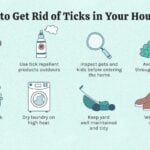
Credit: www.aspca.org
Lifestyle And Outdoor Tips
Keeping your dog safe from ticks starts with simple lifestyle and outdoor habits. Changing how and where your dog plays outside can lower the chance of tick bites. Small actions every day help protect your dog’s health and comfort.
Avoiding High-risk Areas
Ticks like tall grass, bushes, and wooded spots. Stay away from these places during walks. Choose open spaces like well-kept parks or lawns. Avoid shady, damp areas where ticks hide. This reduces the chance of your dog picking up ticks.
Managing Dog’s Outdoor Time
Limit outdoor time when ticks are most active. Early morning and late afternoon are peak times. Keep walks short in tick season. Check your dog for ticks after every trip outside. The quicker you find ticks, the easier it is to remove them.
Cleaning Dog Bedding And Gear
Wash your dog’s bedding regularly in hot water. Clean collars, leashes, and toys often. Ticks can hide in these items. Keeping them clean lowers tick risks inside your home. A tidy environment helps keep your dog safe.
Frequently Asked Questions
How Can I Protect My Dog From Ticks Naturally?
Use natural repellents like essential oils (e. g. , lavender, eucalyptus). Keep your yard clean and trim tall grasses. Regularly check your dog for ticks after outdoor activities. Natural methods help reduce tick risks without harsh chemicals.
What Are The Best Tick Prevention Products For Dogs?
Top tick prevention products include spot-on treatments, tick collars, and oral medications. Consult your vet to choose the safest, most effective option for your dog’s size and age. Regular use ensures continuous protection against ticks.
How Often Should I Check My Dog For Ticks?
Check your dog for ticks daily, especially after outdoor walks or playtime. Focus on areas like ears, neck, underarms, and between toes. Early detection prevents tick attachment and reduces health risks.
Can Diet Affect My Dog’s Tick Resistance?
A healthy diet boosts your dog’s immune system but does not directly prevent ticks. Nutrition supports overall health, helping dogs better resist infections from tick bites. Always maintain a balanced, vet-approved diet.
Conclusion
Protecting your dog from ticks keeps them healthy and happy. Check your dog often after walks in grassy areas. Use tick prevention products recommended by your vet. Keep your yard clean and free of tall grass. Early removal of ticks stops diseases from spreading.
Simple steps make a big difference in tick control. Stay alert and act quickly to protect your pet. Your dog’s safety depends on your care and attention.