Last Updated on June 12, 2026
Ticks are more than just a nuisance—they can put your dog’s health at serious risk. If you want to keep your furry friend safe and comfortable, knowing how to protect dogs from ticks is a must.
Imagine your dog playing outside without you constantly worrying about hidden pests. You’ll discover simple, effective steps to prevent tick bites and keep your dog healthy all year round. Stick with me, and you’ll soon feel confident in shielding your dog from these tiny threats.
Credit: www.canada.ca
Tick Risks For Dogs
Ticks are tiny parasites that can cause big problems for dogs. These bugs attach to your dog’s skin and feed on their blood. This can lead to serious health issues. Understanding the risks ticks pose helps you keep your dog safe and healthy.
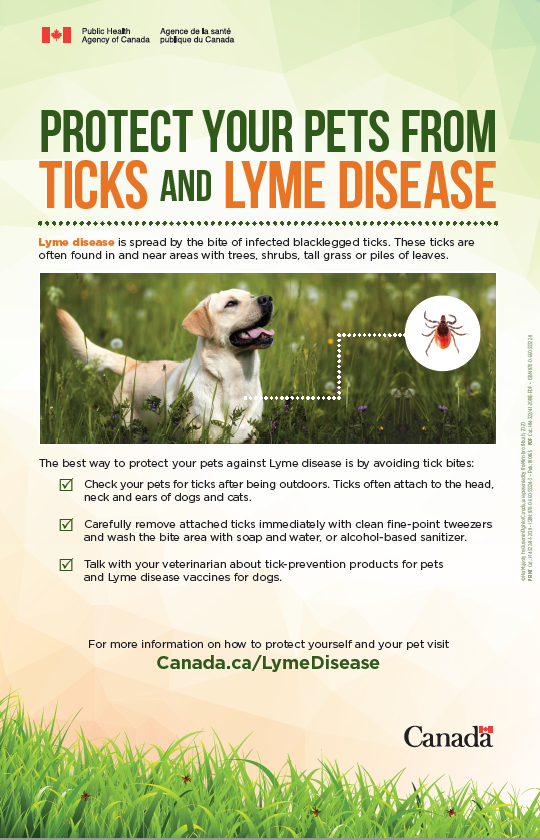
Ticks live in grassy and wooded areas. Dogs that spend time outside are more likely to get ticks. These pests can hide in fur and go unnoticed for days. Protecting your dog means knowing which ticks are common and what diseases they carry.
Common Tick Species
The most common ticks affecting dogs include the black-legged tick, American dog tick, and brown dog tick. The black-legged tick, also called the deer tick, is known for spreading Lyme disease. The American dog tick often carries Rocky Mountain spotted fever. The brown dog tick is found mostly in warm climates and can spread ehrlichiosis. Each species has its own habits and risks.
Diseases Spread By Ticks
Ticks can transmit dangerous diseases to dogs through their bites. Lyme disease causes joint pain and lameness. Rocky Mountain spotted fever can lead to fever, swelling, and bleeding problems. Ehrlichiosis affects the dog’s immune system and blood cells. Other diseases include anaplasmosis and babesiosis. These illnesses can become severe without treatment.
Symptoms Of Tick-borne Illnesses
Tick-borne diseases show various symptoms in dogs. Watch for fever, tiredness, and loss of appetite. Swollen joints and limping may appear. Some dogs have difficulty breathing or bleeding issues. Early signs might be mild and easy to miss. Regular vet check-ups help catch these problems early.
Tick Prevention Methods
Protecting dogs from ticks is essential for their health. Ticks carry diseases that harm pets. Preventing ticks keeps dogs safe and comfortable. Several methods help stop ticks from attaching to your dog. Choose the best option based on your dog’s needs and lifestyle.
Topical Treatments
Topical treatments are liquids applied directly to the dog’s skin. They kill ticks on contact and repel new ones. Usually, you apply these treatments monthly. They work fast and protect the dog for weeks. Make sure to follow the product instructions carefully.
Oral Medications
Oral medications are pills or chewables given to dogs. These medicines kill ticks after they bite. They offer protection for a month or longer. Oral options are easy to use and very effective. Always check with a vet before starting any medication.
Tick Collars
Tick collars release chemicals that repel or kill ticks. They provide long-lasting protection, often for several months. Collars are simple to use and stay on the dog all the time. Ensure the collar fits well and is comfortable for your pet.
Natural Repellents
Natural repellents use plant oils and other safe ingredients. They help keep ticks away without harsh chemicals. Many owners prefer natural options for gentle protection. These repellents may need more frequent application. Test any new product on a small skin area first.
Safe Outdoor Practices
Protecting your dog from ticks starts with safe outdoor practices. These habits help reduce the chances of your dog picking up ticks during walks or playtime. Simple steps can make a big difference in keeping your dog safe and healthy.
Avoiding Tick-infested Areas
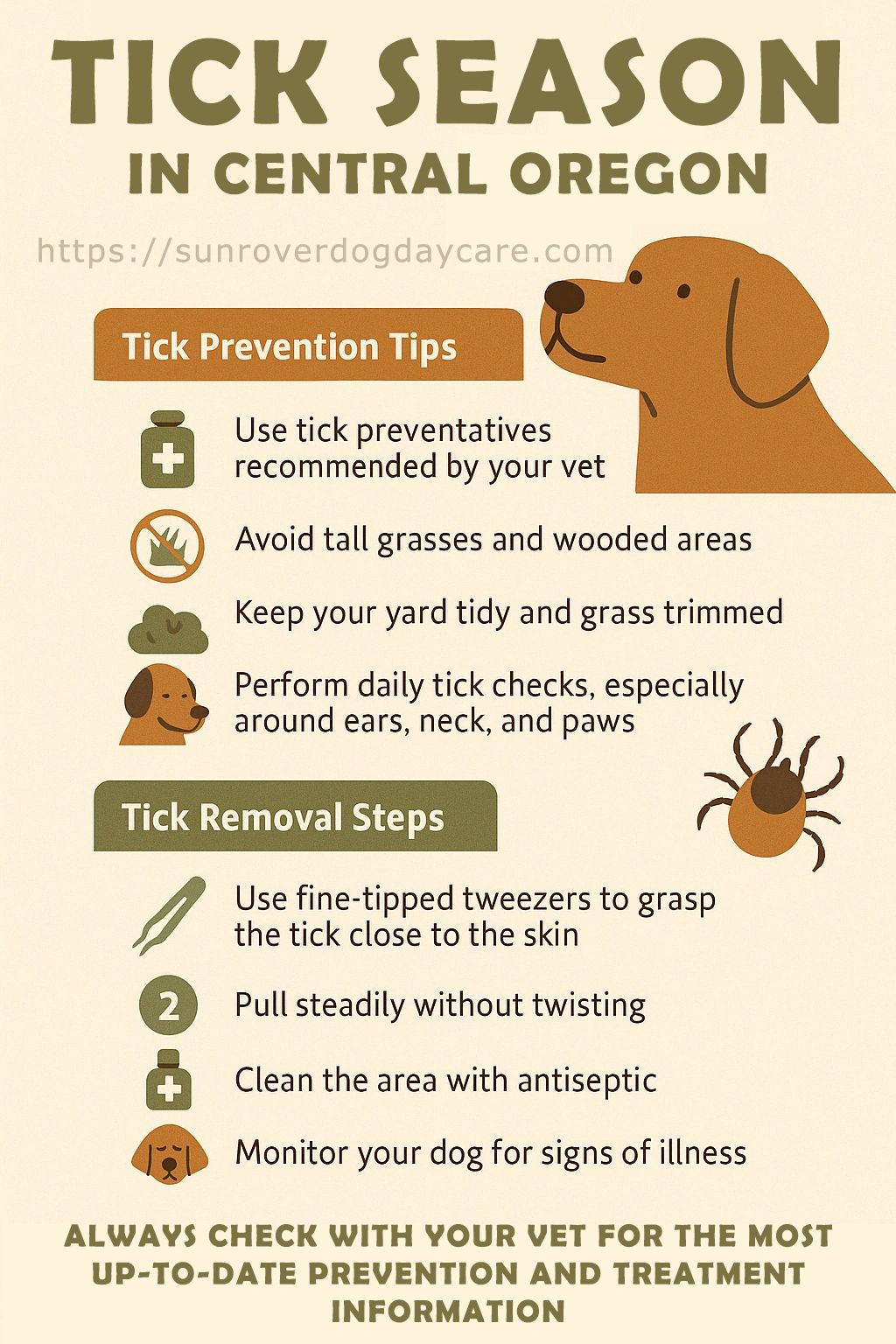
Ticks live in tall grass, bushes, and wooded places. Avoid walking your dog in these areas, especially in spring and summer. Stick to clear paths and open spaces instead. This lowers the risk of ticks jumping on your dog.
Landscaping To Reduce Ticks
Keep your yard tidy to cut down tick habitats. Mow the lawn often and trim shrubs. Remove leaf piles and tall weeds. Create a barrier of wood chips or gravel between grassy areas and your home. This stops ticks from moving closer to your dog’s play area.
Checking Your Dog After Walks
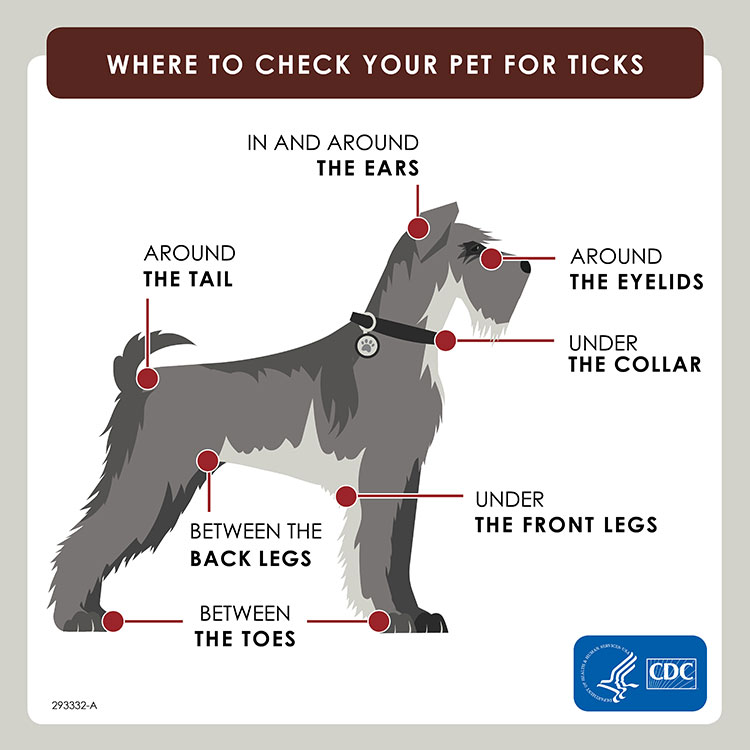
Inspect your dog’s fur after every outdoor trip. Run your hands over the body, legs, and ears. Look closely around the neck and under the collar. Removing ticks quickly prevents disease. Use a fine-toothed tick comb for easier checks.
Credit: www.cdc.gov
Proper Tick Removal
Proper tick removal is important to protect your dog’s health. Removing ticks the right way stops infections and diseases. It also keeps your dog comfortable and safe.
Knowing how to remove ticks correctly helps you act quickly and carefully. This section explains the tools needed, the step-by-step removal process, and when to see a veterinarian.
Tools Needed
Use fine-tipped tweezers or a special tick removal tool. Gloves protect your hands from germs. Have antiseptic wipes ready to clean the bite area. A small container or plastic bag can hold the tick after removal.
Step-by-step Removal
Part the fur to find the tick’s head. Grab the tick as close to the skin as possible. Pull upward with steady, even pressure. Avoid twisting or squeezing the tick’s body. Place the tick in the container for disposal or testing. Clean the bite area with antiseptic. Wash your hands thoroughly after removing the tick.
When To See A Veterinarian
Visit a vet if the tick’s head stays in the skin. Watch for redness, swelling, or sores around the bite. Seek help if your dog shows fever, tiredness, or loss of appetite. A vet can provide treatment and advice to prevent illness.
Regular Vet Care
Regular vet care plays a key role in protecting dogs from ticks. Vets help catch ticks early and prevent serious health issues. They provide advice on the best tick prevention methods for each dog.
Visits to the vet allow for thorough health checks. These checks can find ticks that are hidden or hard to see. Professional care ensures dogs stay safe and healthy year-round.
Routine Tick Checks
During vet visits, the doctor inspects dogs carefully for ticks. They check common places like ears, neck, and paws. Early detection stops ticks from causing harm.
Owners learn how to do these checks at home. Vets show the right way to find and remove ticks safely. This helps keep dogs tick-free between visits.
Vaccinations And Preventive Care
Vets recommend vaccines that protect dogs from tick-borne diseases. These shots reduce the risk of serious infections. Preventive medicines like spot-on treatments also kill ticks quickly.
Regular use of these products lowers tick problems greatly. Vets choose the best options based on a dog’s health and lifestyle. This keeps protection strong all year long.
Monitoring For Health Changes
Vet visits track any changes in a dog’s health after tick exposure. Symptoms like fever, lethargy, or loss of appetite get quick attention. Early treatment stops diseases from worsening.
Owners learn signs to watch for at home. Prompt vet care ensures dogs recover faster and stay well. Continuous monitoring is vital for long-term health.
Credit: sunroverdogdaycare.com
Frequently Asked Questions
How Can I Prevent Ticks On My Dog Naturally?
Use essential oils like lavender and eucalyptus diluted properly. Regular grooming and avoiding tick-infested areas also help. Natural prevention reduces chemical exposure but monitor your dog for any reactions.
What Are The Best Tick Prevention Products For Dogs?
Top products include tick collars, spot-on treatments, and oral medications. Choose based on your dog’s size and health. Consult your vet for personalized recommendations.
How Often Should I Check My Dog For Ticks?
Check your dog daily, especially after outdoor activities. Focus on areas like ears, neck, and between toes. Early removal prevents diseases and discomfort.
Can Ticks Cause Serious Illness In Dogs?
Yes, ticks can transmit Lyme disease, ehrlichiosis, and anaplasmosis. These illnesses cause fever, lethargy, and joint pain. Prompt tick removal and vet care are essential.
Conclusion
Protecting your dog from ticks takes regular care and attention. Check your dog’s coat often, especially after walks. Use tick prevention treatments recommended by your vet. Keep your yard clean and free from tall grass. Acting fast helps avoid illnesses caused by ticks.
A healthy dog is a happy dog. Stay alert, stay safe.