Cats love to scratch. It keeps their claws healthy and relieves stress.
Creating a homemade cat scratch pad is easy and affordable. Many cat owners seek ways to keep their furry friends entertained. Store-bought scratch pads can be expensive and may not last long. A homemade scratch pad offers a budget-friendly solution.
Plus, you can customize it to match your home decor. Not only does this DIY project save money, but it also provides a fun activity for you and your cat. You’ll find that making a scratch pad is simple and rewarding. It helps maintain your cat’s claw health and can save your furniture from damage. Read on to discover how you can create a perfect scratch pad for your beloved pet.
Introduction To Cat Scratch Pads
Creating a homemade cat scratch pad can be a fun and rewarding project. It helps save your furniture from getting scratched. Plus, it offers your cat a place to stretch and play. Below, we will explore the importance of cat scratch pads and their benefits for your furry friend.
Importance Of Scratch Pads
Scratch pads are essential for cats. They provide a designated area for scratching. This helps keep your furniture safe. Cats have a natural need to scratch. It’s an instinct they use to mark their territory. Scratching also helps them keep their claws healthy and sharp.
Without a scratch pad, your cat may scratch other items in your home. This could include your sofa, curtains, or carpet. A scratch pad offers a solution to this problem. It’s a simple way to protect your belongings while keeping your cat happy.
Benefits For Your Cat
There are many benefits to using a cat scratch pad. Here are a few:
- Exercise: Scratching helps cats stretch their muscles. It provides a form of exercise.
- Mental Stimulation: A scratch pad can keep your cat engaged. It offers mental stimulation and helps reduce boredom.
- Stress Relief: Scratching can be a way for cats to relieve stress. It helps them feel secure in their environment.
- Claw Maintenance: Regular scratching helps remove the outer layer of claws. This keeps them healthy and sharp.
In conclusion, a homemade cat scratch pad can make a big difference in your cat’s life. It’s a simple project that offers many benefits. Your cat will thank you, and your furniture will too.
Materials Needed
Creating a homemade cat scratch pad is an enjoyable DIY project. It saves money and provides your cat with a fun place to scratch. Before starting, gather all the necessary supplies. Below is a list of essential items and some optional add-ons to enhance your cat scratch pad.
Essential Supplies
- Cardboard Boxes: Use sturdy boxes. They form the base of the scratch pad.
- Box Cutter: A sharp cutter will help you shape the cardboard easily.
- Hot Glue Gun: Securely attaches pieces of cardboard together.
- Ruler: Ensures precise cuts and measurements.
- Pencil: Marks the areas you need to cut.
Optional Add-ons
- Catnip: Sprinkle it on the pad to attract your cat.
- Fabric Scraps: Add a soft texture to certain areas of the pad.
- Paint: Decorate the scratch pad to match your home decor.
- Rope or Sisal: Wrap around sections for extra scratching fun.
- Stickers: Personalize the scratch pad with fun designs.
Choosing The Right Design
Choosing the right design for your homemade cat scratch pad is crucial. Your cat’s happiness and furniture’s safety depend on it. A well-designed scratch pad keeps your cat engaged and prevents destructive behavior.
Popular Styles
There are various styles of cat scratch pads you can consider:
- Flat Scratch Pads: Simple and space-saving. Perfect for small areas.
- Vertical Scratch Posts: Mimic tree trunks. Cats love to stretch and scratch.
- Inclined Scratch Pads: Offer a different angle. Cats enjoy the variation.
- Scratch Lounges: Multi-functional. Serve as a scratch pad and a resting spot.
Considerations For Your Cat
When selecting a design, consider your cat’s preferences and habits:
- Size: Ensure the scratch pad suits your cat’s size. A small pad for a large cat won’t work.
- Material: Common materials include sisal, cardboard, and carpet. Each cat may prefer a different texture.
- Placement: Place the pad in a location where your cat likes to scratch. Common spots include near their sleeping area or by furniture they frequently scratch.
- Durability: Choose a design that can withstand regular use. A flimsy pad won’t last long and will need frequent replacements.
By considering these factors, you can select a design that your cat will love and use regularly.
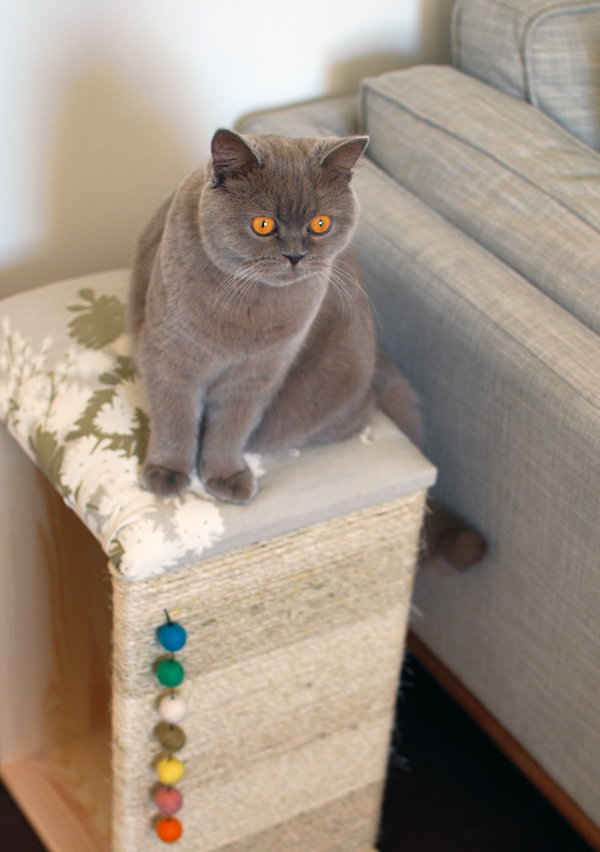
Credit: www.we-are-scout.com
Step-by-step Instructions
Creating a homemade cat scratch pad is a fun and easy project. Your furry friend will love it, and it’s budget-friendly too. Follow these simple steps to make a scratch pad that your cat will enjoy for hours.
Preparing The Base
First, find a sturdy piece of cardboard or wood. This will be the base of your scratch pad. Make sure it’s large enough for your cat to scratch comfortably. Cut the base to the desired size using a utility knife or scissors. If you use wood, sand the edges to avoid splinters.
Next, cover the base with fabric or felt. Use a staple gun or glue to secure the fabric. This will make the scratch pad more durable and appealing. Ensure the fabric is tight and smooth.
Adding Scratching Surface
Now, it’s time to add the scratching surface. Corrugated cardboard works well for this. Cut the cardboard into strips that fit the base. Layer the strips on the base, securing them with glue. Make sure the strips are tightly packed. This will create a strong scratching surface.
For a different texture, you can use sisal rope. Wrap the rope around the base, securing it with glue or staples. This provides a durable and satisfying scratching experience for your cat.
Finally, let the glue dry completely before giving the scratch pad to your cat. Place the scratch pad in your cat’s favorite spot. Watch as they enjoy their new toy!
Personalizing Your Scratch Pad
Making a homemade cat scratch pad is a fun and rewarding project. You can tailor it to your cat’s preferences and match your home’s decor. Personalizing your scratch pad allows you to add unique touches that make it special for your furry friend.
Decorative Touches
Adding decorative touches to your scratch pad makes it visually appealing. Here are a few ideas:
- Fabric Covers: Use colorful fabrics to cover the base of the scratch pad. Choose fabrics that match your home decor.
- Paint: Paint the edges or base of the pad in vibrant colors or patterns. This adds a pop of color and makes it stand out.
- Stencils and Stickers: Use stencils to add cute designs or stickers to make it fun. You can find cat-themed stickers to make it more appealing.
Incorporating Cat Toys
Incorporating cat toys into your scratch pad makes it more interactive for your cat. Here are some ideas:
- Hanging Toys: Attach small toys to the scratch pad with strings. Your cat will enjoy batting at them while scratching.
- Feathers: Glue feathers to the sides or top of the scratch pad. Cats love feathers and will be more attracted to the pad.
- Catnip: Sprinkle or sew catnip into the scratch pad. This will entice your cat to use the pad more often.
By adding these personal touches, you can create a unique and engaging scratch pad that your cat will love. It also becomes a decorative piece for your home.
Training Your Cat
Training your cat to use a homemade scratch pad can be fun and rewarding. Cats have a natural instinct to scratch, which helps them keep their claws healthy. By teaching your cat to use a scratch pad, you can protect your furniture and carpets.
Introducing The Scratch Pad
Start by placing the scratch pad in a location your cat frequents. Cats are curious creatures. They will likely investigate the new item. You can sprinkle a bit of catnip on the scratch pad to attract your cat’s attention. Gently place your cat’s paws on the pad to show them where to scratch.
Positive Reinforcement Tips
Positive reinforcement is key to training your cat. Each time your cat uses the scratch pad, reward them. Treats work well for this purpose. You can also use gentle praise and petting. Consistency is important. Reward your cat every time they use the pad.
Avoid punishing your cat for scratching furniture. Instead, guide them to the scratch pad. Redirect their attention with a toy or treat. Patience and consistency will help your cat learn faster.
Remember, cats learn through repetition. Keep the scratch pad accessible. Continue to reward and praise your cat. Soon, your cat will prefer using the scratch pad.
Maintaining The Scratch Pad
Homemade cat scratch pads are easy to maintain. Replace worn material and clean regularly to ensure durability. Cats will love the fresh surface for scratching.
Keeping your homemade cat scratch pad in good condition is important. It ensures your cat continues to enjoy using it. Regular maintenance can prolong its life and keep your home clean.Cleaning And Upkeep
Regular cleaning is essential. Start by removing loose debris with a vacuum. Use a lint roller to pick up any remaining fur. For deeper cleaning, use a mild soap and water solution. Avoid soaking the scratch pad. Pat it dry with a towel and let it air dry completely. Check for wear and tear. Tighten any loose parts. Replace worn-out materials if necessary. This keeps the scratch pad safe and enjoyable for your cat.When To Replace
Sometimes, cleaning and repairs are not enough. Watch for signs your cat scratch pad needs replacement. If it looks frayed or damaged, it might be time for a new one. If your cat stops using it, consider replacing it. A worn-out scratch pad can lose its appeal. A new scratch pad can rekindle your cat’s interest. Keep an eye on your cat’s behavior. If they seem disinterested, it might be time for a change. An inviting, clean scratch pad keeps your cat happy and your furniture safe. “`
Credit: www.instructables.com
Additional Tips And Tricks
Creating a homemade cat scratch pad is an excellent way to keep your furry friend happy. It also helps in maintaining your furniture. Here are some additional tips and tricks to make your scratch pad even more effective.
Preventing Furniture Damage
One of the main reasons for a scratch pad is to prevent furniture damage. Here are a few effective ways to achieve this:
- Place the scratch pad near the furniture your cat often scratches.
- Use double-sided tape on furniture. Cats dislike the sticky feel.
- Spray a mix of water and citrus oil on furniture. Cats dislike the smell.
- Ensure the scratch pad is stable and doesn’t move easily.
Creating Multiple Scratch Pads
Having multiple scratch pads around your home can be beneficial. Here’s why:
- Variety keeps your cat interested and engaged.
- Place pads in different rooms to ensure your cat always has access.
- Create pads with different textures like cardboard, sisal, and carpet.
- Rotate the pads to keep the experience fresh.
Consider these additional tips to make the most out of your homemade cat scratch pads. Your cat will love it, and your furniture will thank you!
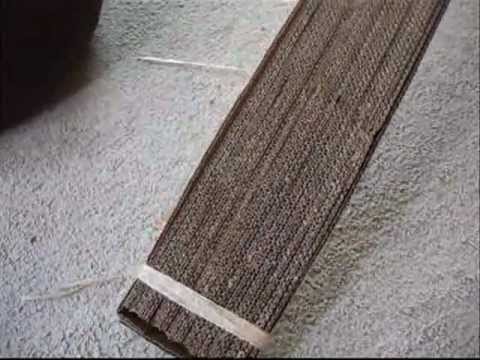
Credit: www.youtube.com
Frequently Asked Questions
How Do I Make A Cat Scratch Pad?
To make a cat scratch pad, use cardboard, fabric, and glue. Cut cardboard into strips, stack, and glue them together. Wrap with fabric.
What Materials Are Needed For A Cat Scratch Pad?
You need cardboard, fabric, non-toxic glue, and scissors. Optional items include catnip and a wooden base.
Why Is A Scratch Pad Important For Cats?
Scratch pads help cats maintain their claws, mark territory, and reduce stress. They also protect furniture from scratching damage.
How Often Should I Replace A Scratch Pad?
Replace a scratch pad when it’s heavily worn or damaged. Typically, every 6-12 months, depending on your cat’s usage.
Conclusion
Creating a homemade cat scratch pad is both fun and practical. Your cat will love having a special place to scratch. It helps save your furniture from damage. Plus, it’s easy and budget-friendly to make. You can customize it to fit your cat’s needs.
The materials are simple and often found at home. Enjoy the process of making something special for your furry friend. Your cat will thank you with purrs and happy scratches. Give it a try today and see the benefits for yourself!
Last Updated on April 2, 2026