Last Updated on August 25, 2026
If you’re a dog owner, you’ve probably seen plenty of grain-free dog food options on the shelves. But is grain-free really better for your furry friend?
You might be wondering if skipping grains is actually healthy or if it could cause hidden problems. Understanding the truth behind grain-free diets can help you make the best choice for your dog’s health and happiness. Keep reading to discover what you need to know before you decide if grain-free is right for your dog.
Grain-free Diet Basics
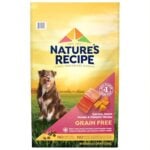
A grain-free diet for dogs removes all grains like wheat, corn, and rice. Many dog owners choose this diet to avoid allergies or digestive issues. Some believe it is healthier, but understanding the basics helps make a good choice.
This section explains what grain-free means and what ingredients often replace grains in dog food. Knowing this helps decide if grain-free is right for your dog.
What Grain-free Means
Grain-free means the dog food has no cereal grains such as barley, oats, or corn. These grains are common in many dog foods. Grain-free dog food uses other sources of carbohydrates instead. It aims to reduce allergy risks or improve digestion in some dogs.
Grain-free does not mean carbohydrate-free. It only means no grains, not no carbs. Some dogs may need grain-free food for health reasons. But not all dogs require it. It depends on individual needs.
Common Ingredients In Grain-free Dog Food
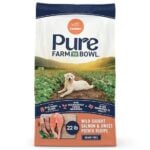
Instead of grains, grain-free dog food often uses potatoes, peas, or lentils. These provide energy and fiber for dogs. Sweet potatoes and chickpeas also appear in many grain-free recipes.
Meat, fish, and vegetables remain important in grain-free diets. These foods supply protein and other nutrients. The goal is a balanced diet without grains, using natural alternatives.
Reasons For Choosing Grain-free
Choosing grain-free dog food is a popular option for many pet owners. The idea is to provide a diet that avoids grains like wheat, corn, and rice. Some dogs may benefit from this choice. It depends on their specific health and dietary needs.
Grain-free diets focus on alternative ingredients such as potatoes, peas, or lentils. These can be easier to digest for some dogs. Understanding the reasons behind this choice helps owners decide the best food for their pets.
Allergies And Sensitivities
Some dogs suffer from allergies or sensitivities to grains. These issues can cause itching, skin problems, or digestive upset. Grain-free food can reduce these symptoms. It removes the common allergens and helps dogs feel better. This diet is a good option for dogs with known grain reactions.
Marketing And Popularity
Grain-free dog food has become very popular in recent years. Many brands promote it as a healthier choice. This marketing appeals to owners who want the best for their pets. The trend has grown because of human interest in gluten-free and grain-free diets too. This popularity drives many to try grain-free options for their dogs.
Potential Risks Of Grain-free Diets
Grain-free diets for dogs have gained popularity, but they carry some risks. Understanding these risks helps dog owners make smart choices. Grain-free food may seem healthy but may cause serious health issues.
Some risks relate to heart health and nutrient balance. These risks deserve attention before choosing a grain-free diet for your dog.
Dilated Cardiomyopathy (dcm) Concerns
Dilated Cardiomyopathy is a serious heart condition. It causes the heart to enlarge and weaken. Some grain-free diets link to DCM cases in dogs. The exact cause is unclear but may involve missing nutrients. Taurine deficiency is one suspect. Taurine helps keep the heart muscle strong. Grain-free diets may lack enough taurine or its building blocks. Dogs on these diets may develop heart problems. Symptoms include tiredness, coughing, and fainting. Early detection is vital to prevent severe damage.
Nutritional Imbalances
Grain-free dog foods often replace grains with other ingredients. These may include peas, lentils, or potatoes. These replacements can cause nutrient imbalances. Some nutrients may be too low or too high. Dogs need a balanced diet for good health. Imbalanced nutrition can lead to skin problems, weak bones, or poor digestion. Not all grain-free foods are complete or balanced. Some brands may not meet all nutrient needs. Careful label reading and vet advice can help avoid problems.
Scientific Studies And Findings
Scientific studies and findings help us understand if grain-free diets are safe for dogs. Researchers have explored the effects of these diets on dog health. They aim to find facts, not just opinions.
Fda Investigations
The U.S. Food and Drug Administration (FDA) looked into grain-free dog food and heart disease. They studied cases of a condition called dilated cardiomyopathy (DCM). This disease weakens the heart muscle.
The FDA collected reports from vets and pet owners. Some dogs eating grain-free food developed DCM. The agency wanted to see if the diet was the cause.
The investigation showed no clear proof that grain-free food alone causes heart problems. Some dogs with DCM had other risk factors too. The FDA continues to study this to give better advice.
Recent Research Insights
Scientists have done new studies on grain-free diets and dog health. Some research found certain ingredients in grain-free food might affect heart health. For example, peas and lentils used instead of grains may play a role.
Other studies found no direct link between grain-free food and heart disease. Dogs vary in how they respond to different diets. Nutrition depends on many factors, including breed and health status.
Experts agree on the need for balanced diets. Grain-free does not mean unhealthy but may not fit every dog. Ongoing research will help clarify these issues further.
Alternative Diet Options
Choosing the right diet for your dog can be confusing. Grain-free is popular, but not the only choice. Many dogs thrive on diets that include grains or have fewer ingredients. Here are some alternative diet options to consider for your dog’s health.
Whole Grain Benefits
Whole grains offer important nutrients for dogs. They contain fiber, which helps with digestion. Grains like brown rice, oats, and barley provide energy. They are also rich in vitamins and minerals. These nutrients support your dog’s heart and skin health. Whole grains can keep your dog feeling full longer. This helps prevent overeating and weight gain.
Limited Ingredient Diets
Limited ingredient diets have fewer components. This helps identify food allergies or sensitivities. These diets often use one protein source and one grain or carbohydrate. They are simple and easy to digest. Dogs with sensitive stomachs may benefit from this type of diet. It reduces the chance of an allergic reaction. Limited ingredient diets are available in many forms, including dry, wet, and raw.

Credit: www.houndsy.com
How To Choose The Right Food
Choosing the right food for your dog is important for their health and happiness. Grain-free diets are popular, but they are not always the best choice. Understanding what to look for helps you pick a food that suits your dog’s needs. Focus on ingredients, nutrition, and quality.
Reading Labels Effectively
Start by checking the ingredient list. The first few ingredients are the most important. Look for real meat or fish as the main ingredient. Avoid foods with too many fillers like corn or soy. Check for added vitamins and minerals. These keep your dog healthy.
Pay attention to the guaranteed analysis. This shows protein, fat, fiber, and moisture levels. High protein is good for active dogs. Fiber helps with digestion. Make sure the food matches your dog’s age and size.
Consulting Your Veterinarian
Your vet knows your dog’s health best. Discuss your dog’s diet and any concerns. They can suggest if grain-free is right or not. Some dogs may have allergies or sensitivities that need special diets. Your vet can recommend trusted brands and formulations.
Regular check-ups help monitor how your dog reacts to new food. Changes in energy, coat, or digestion are important to share. Follow your vet’s advice for the best results.
Signs Of Food-related Health Issues
Food can affect your dog’s health in many ways. Some dogs may react badly to certain diets, including grain-free food. Noticing changes in your dog early can help prevent serious problems. Watch for signs that suggest your dog’s food might be causing issues.
Symptoms To Watch For
Look for vomiting or diarrhea that lasts more than a day. Your dog may lose weight without a clear reason. Notice if your dog seems less active or tired all the time. Skin problems like redness, itching, or hair loss can appear. Swelling or bloating in the stomach area is also a warning sign. Changes in appetite, such as eating less or more, matter too. Bad breath or unusual drooling may show mouth issues. Keep an eye on any sudden mood changes or discomfort.
When To Seek Veterinary Help
Take your dog to the vet if symptoms last more than two days. Seek help immediately if your dog cannot keep food down. Sudden weakness or difficulty walking needs urgent care. Blood in stool or vomit is a serious sign. If your dog’s belly is very swollen or painful, call the vet. Rapid breathing or coughing should not be ignored. Always ask the vet if you are unsure about your dog’s health.

Credit: www.nilds.gov.ng
Credit: www.houndsy.com
Frequently Asked Questions
Is Grain Free Diet Safe For All Dogs?
Grain free diets are safe for most dogs but not all. Some dogs need grains for fiber and nutrients. Always consult your vet before switching diets to ensure it meets your dog’s health needs and lifestyle.
Can Grain Free Diets Cause Heart Problems In Dogs?
Some studies link grain free diets to heart issues like dilated cardiomyopathy. The risk appears higher in certain breeds. Always monitor your dog’s health and discuss diet choices with your veterinarian to avoid potential risks.
Are Grain Free Dog Foods More Expensive?
Yes, grain free dog foods often cost more due to specialized ingredients. They can be pricier but may benefit dogs with allergies or sensitivities. Consider your budget and your dog’s health needs before choosing.
Do Grain Free Diets Help With Dog Allergies?
Grain free diets can reduce allergic reactions in dogs sensitive to grains. However, allergies may stem from other ingredients too. Identify your dog’s specific allergens with a vet before changing their diet.
Conclusion
Choosing grain-free dog food depends on your pet’s needs and health. Some dogs benefit from grain-free diets, while others do well with grains included. Always check with your vet before changing food. Watch your dog’s reaction to new diets closely.
Good nutrition supports a happy and healthy dog. Balance and quality ingredients matter most. Remember, no one diet fits all dogs perfectly. Keep your dog’s unique needs in mind. Stay informed and make the best choice for your furry friend.