
Last Updated on July 9, 2026
If you’ve noticed your cat having loose motions, you’re likely worried and unsure about what to do next. Loose motions in cats can be more than just a minor upset—they might signal something serious that needs your attention.
Understanding the causes, symptoms, and quick actions to take can make all the difference in keeping your furry friend healthy and comfortable. Keep reading to learn what you must know to protect your cat and ease your concerns right away.
Common Causes
Loose motions in cats can have several causes. Understanding these helps you care for your pet better. Some causes are simple, while others need vet attention. Knowing common reasons helps you spot problems early.
Dietary Changes
Sudden changes in a cat’s food often cause loose motions. Cats have sensitive stomachs that react quickly. New diets or treats can upset digestion. Always introduce new foods slowly to avoid problems.
Infections And Parasites
Bacteria, viruses, and parasites can cause diarrhea. Common parasites include worms and giardia. Infections may come from contaminated food or water. A vet can diagnose and treat these issues fast.
Stress And Anxiety
Cats feel stress from changes in their environment. Moving to a new home or loud noises can upset them. Stress often shows through digestive problems like loose motions. Keeping a calm space helps reduce anxiety.
Food Allergies
Some cats develop allergies to certain foods. Allergic reactions can lead to diarrhea and other symptoms. Common allergens include dairy, fish, and grains. Identifying and avoiding these foods improves health.
Toxic Substances
Eating toxic plants, chemicals, or spoiled food causes loose motions. Even household cleaners or certain plants can be dangerous. Keep harmful items out of reach to protect your cat. Quick action is important if poisoning is suspected.
Credit: www.colegiofenixpa.com.br
Recognizing Symptoms
Recognizing the symptoms of loose motions in cats is important for early care. Cats cannot tell us when they feel unwell. Observing changes in their health helps us act fast. Watching their stool and behavior gives clues about their condition. Knowing these signs can prevent serious health problems.
Frequency And Consistency
Loose motions mean more frequent pooping than usual. The stool is soft or watery. It may look runny or pasty. Normal cat stool is firm and shaped. If you see many loose stools in a day, it is a warning.
Dehydration Signs
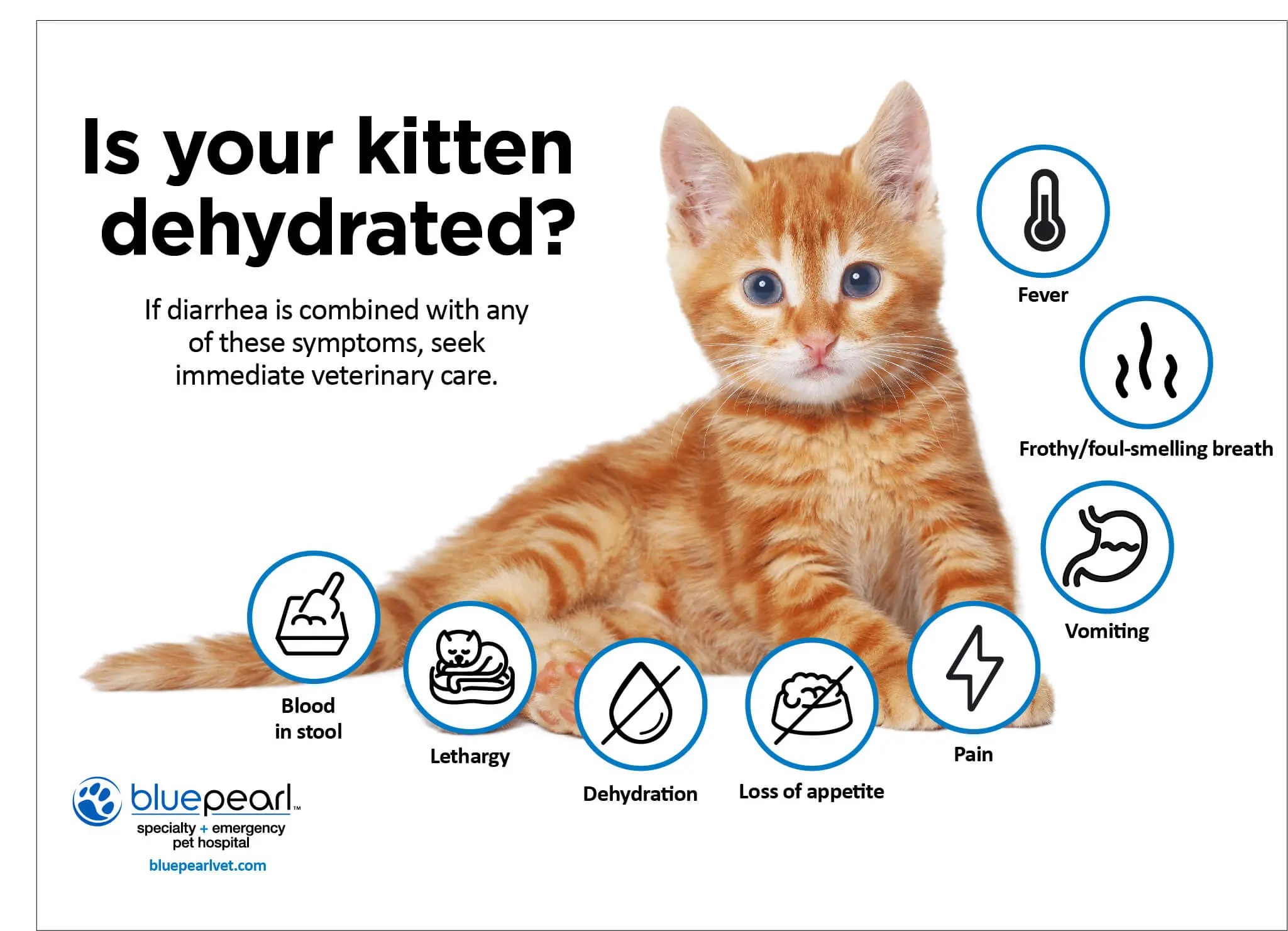
Loose motions can cause dehydration in cats. Watch for dry gums or mouth. Skin may lose its stretchiness. The eyes might look sunken. A thirsty cat or one that drinks more water needs checking.
Behavioral Changes
Cats with loose motions may act differently. They might hide more than usual. Some become less active or restless. They may seem tired or weak. Loss of appetite is common too. These changes suggest discomfort or pain.
Other Physical Symptoms
Loose motions might come with other signs. Vomiting can happen along with diarrhea. The cat’s belly may look swollen or feel soft. Some cats have a fever or shiver. Watch for any unusual smells from the stool. These symptoms show the need for veterinary care.
Home Remedies
Loose motions in cats can be worrying for any pet owner. Simple home remedies may help ease your cat’s discomfort. These methods support your cat’s recovery while you monitor their condition. Keep a close eye on their behavior and stool changes.
Hydration Tips
Water is very important when cats have loose motions. Offer fresh, clean water often to prevent dehydration. You can also provide ice chips for slow drinking. Avoid giving milk as it may worsen diarrhea. If your cat refuses water, try a pet-safe electrolyte solution.
Diet Adjustments
Changing your cat’s diet can help calm their stomach. Feed small portions of bland food like boiled chicken or plain rice. Avoid fatty or spicy foods. Gradually return to their normal diet after stools improve. Keep meals consistent and avoid treats during recovery.
Probiotics And Supplements
Probiotics support healthy gut bacteria and ease digestion. Look for probiotics designed for cats. You can find them in powders or capsules. Follow the dosage instructions carefully. Some natural supplements like pumpkin puree may also help firm up stools.
When To Withhold Food
Sometimes, giving the stomach a rest is necessary. Withhold food for 12 to 24 hours but never water. This pause allows the gut to heal. After fasting, reintroduce bland food slowly in small amounts. Consult your vet if diarrhea lasts more than two days.

Credit: lolahemp.com
Veterinary Treatments
Loose motions in cats need prompt veterinary care. A vet will find the cause and offer the right treatment. Early treatment helps your cat recover faster and stay healthy.
Diagnostic Tests
Vets use tests to find why your cat has loose motions. They may check stool samples for parasites or bacteria. Blood tests help see if there are infections or organ problems. Sometimes, X-rays or ultrasounds are needed to look inside the abdomen.
Medications
Medications depend on the cause of loose motions. Antibiotics treat bacterial infections. Dewormers remove parasites if found. Vets may give fluids to stop dehydration. Probiotics help restore healthy gut bacteria. Anti-diarrheal drugs can reduce symptoms in some cases.
Follow-up Care
Follow-up visits ensure your cat is healing well. The vet checks if symptoms improve or worsen. Adjustments to treatment may be necessary. Proper diet and hydration advice are given. Keep monitoring your cat’s behavior and stool at home.
Prevention Strategies
Preventing loose motions in cats is important for their health and comfort. Taking simple steps can keep your cat’s digestive system strong. These strategies help avoid many common causes of diarrhea.
Follow these tips to reduce the chance of loose stools and keep your cat happy.
Proper Diet Management
Feed your cat high-quality, balanced food made for felines. Avoid sudden diet changes, which can upset the stomach. Introduce new foods slowly over several days. Keep your cat away from spoiled or human food. Fresh water should always be available.
Regular Deworming
Parasites cause many cases of loose motions in cats. Deworm your cat regularly as advised by your vet. Use safe, effective medications and follow the schedule carefully. Regular checks help catch infections early. This keeps your cat’s gut healthy.
Stress Reduction
Stress affects your cat’s digestion. Keep a calm, quiet environment for your pet. Provide safe hiding spots and toys for comfort. Avoid sudden loud noises or changes in routine. A relaxed cat has a lower chance of loose motions.
Safe Environment
Keep your cat indoors or in a secure outdoor space. This lowers the risk of infections and poisonings. Remove harmful plants and chemicals from their reach. Clean litter boxes regularly to prevent bacteria buildup. A clean, safe space helps maintain good health.
Credit: supertails.com
Frequently Asked Questions
What Causes Loose Motions In Cats?
Loose motions in cats can be caused by infections, dietary changes, parasites, stress, or allergies. Identifying the cause helps in effective treatment and prevention.
How Can I Treat Loose Motions In My Cat?
Treatment depends on the cause but often includes hydration, diet changes, and veterinary medication. Consult a vet for proper diagnosis.
When Should I Take My Cat To The Vet?
Visit a vet if diarrhea lasts more than 24 hours, or if your cat shows lethargy, vomiting, or blood in stool.
Can Diet Changes Prevent Loose Motions In Cats?
Yes, a consistent, high-quality diet helps maintain digestive health and can reduce the risk of loose motions in cats.
Conclusion
Loose motions in cats need quick attention to avoid serious problems. Watch your cat’s behavior and stool closely every day. Keep their water bowl full to prevent dehydration. Clean their litter box often to spot any changes early. Feeding a gentle diet helps calm their stomach.
Visit a vet if loose motions last more than two days or worsen. Early care keeps your cat healthy and happy. Don’t wait to act; your cat depends on you. Simple steps make a big difference in their recovery.