Training your pet can be challenging. A shock collar might help.
Shock collar pet trainers are popular tools in pet training. They offer an effective way to correct unwanted behaviors. These collars deliver a small electric pulse to grab your pet’s attention. They’re used by pet owners and professional trainers alike.
But how do they work, and are they safe for your furry friend? This blog will explore everything you need to know about shock collar pet trainers. We will discuss their benefits, potential risks, and best practices for use. Whether you’re new to pet training or seeking better results, understanding shock collars can make a difference. Read on to learn more about this training tool and how it could benefit your pet.
Introduction To Shock Collar Training
Shock collar training is a popular method for pet owners. It helps in controlling and training dogs. Many pet owners find it effective for correcting behavior. In this section, we will explore shock collar training in detail.
What Is A Shock Collar?
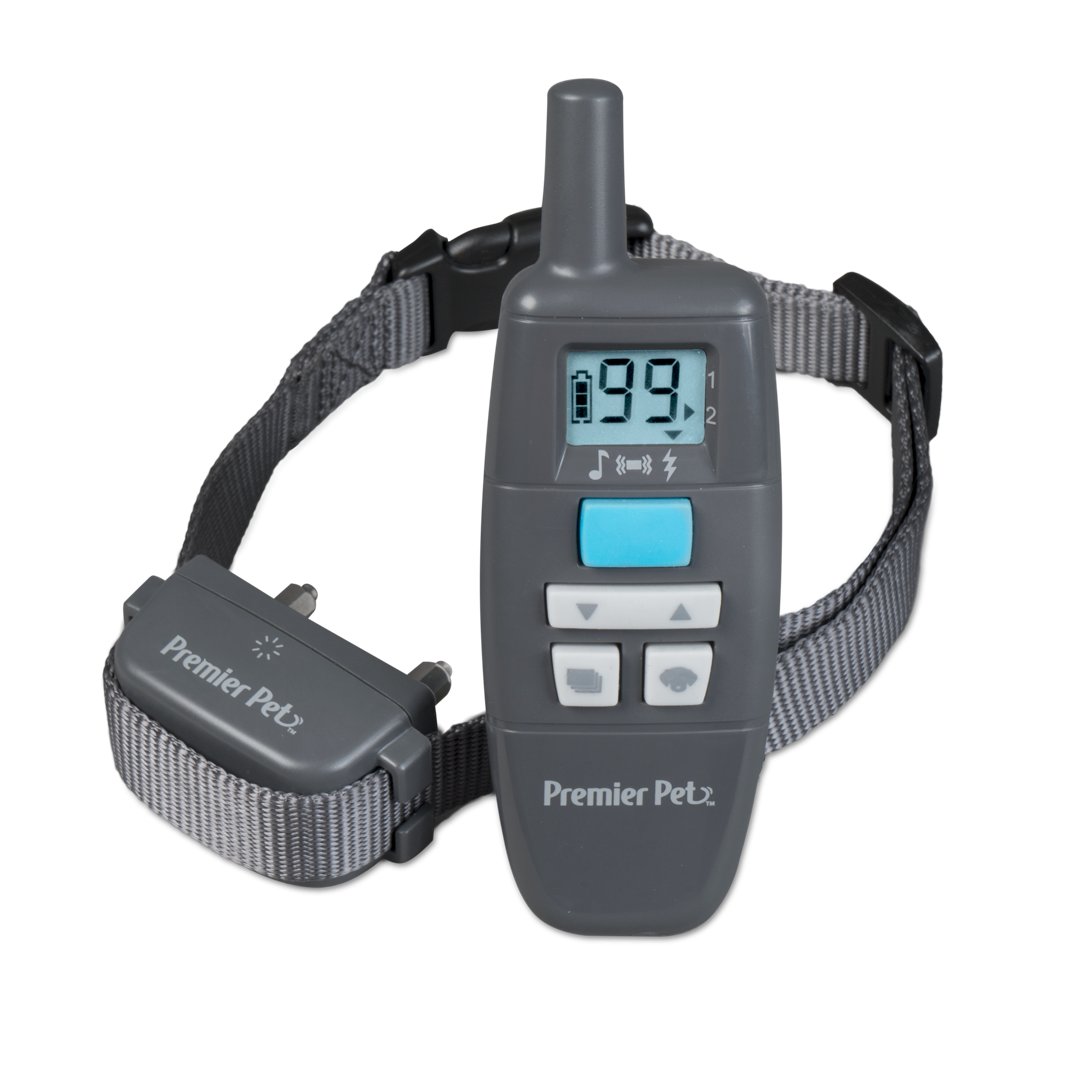
A shock collar is a device worn around a dog’s neck. It delivers a small electric shock to the dog. The shock helps in correcting unwanted behavior. It can be controlled by the pet owner using a remote. The shock levels can be adjusted according to the dog’s needs.
Benefits Of Using A Shock Collar
Shock collars can help in quick training. They provide immediate feedback to the dog. This helps the dog understand what behavior is unacceptable. Shock collars can be used at a distance. This is useful for training in large open spaces.
They also allow for precise control. Pet owners can correct specific behaviors instantly. This can lead to faster training results. Shock collars can also be used to train dogs for different tasks. This includes obedience, hunting, and more.
How Shock Collars Work
Understanding how shock collars work can help pet owners use them responsibly. Shock collars deliver a mild electric stimulation to the pet’s neck. This helps in training pets by correcting unwanted behaviors. Let’s dive into the details of how these devices operate.
Mechanism Of Action
Shock collars use a remote control to send signals to the collar. The collar then emits a static electric shock. The intensity of the shock can be adjusted. This ensures the pet receives only the needed correction. Some collars also feature vibration or sound modes as alternatives.
Types Of Shock Collars
There are various types of shock collars available. The basic type is the standard remote collar. It allows the owner to manually control the shock. Another type is the automatic bark collar. It activates when the pet barks excessively. There are also GPS shock collars. These help in tracking and training pets over long distances.
Each type of collar serves a specific purpose. Choosing the right one depends on your training needs. Always use these devices with care and responsibility.
Choosing The Right Shock Collar
Choosing the right shock collar for your pet can be challenging. With many options available, it’s essential to know what to look for. The right collar ensures effective training and the well-being of your pet. Let’s explore the factors that can help you make an informed decision.
Factors To Consider
Size and Weight: The collar should fit well without being too tight or loose. Ensure it’s lightweight and doesn’t burden your pet.
Adjustable Intensity Levels: Choose a collar with adjustable shock levels. This feature allows you to customize the intensity based on your pet’s size and sensitivity.
Range: Consider the range of the collar. A longer range is better for outdoor training. A shorter range may be sufficient for indoor use.
Battery Life: Long battery life is crucial. It ensures the collar is always ready for training sessions.
Waterproof: A waterproof collar is ideal, especially if your pet enjoys water activities.
Additional Features: Look for collars with extra features like beep or vibration modes. These can be effective for training without using shocks.
Top Brands And Models
There are several top brands known for their quality and reliability. Here are some of the best models available:
- PetSafe: Known for their durable and user-friendly collars. Popular models include the PetSafe Remote Trainer and PetSafe Yard and Park Trainer.
- SportDOG: Offers collars with long-range capabilities and waterproof designs. The SportDOG FieldTrainer and SportDOG SportHunter are top choices.
- Dogtra: Renowned for their high-quality and robust designs. The Dogtra 200C and Dogtra 1900S are favored by many pet owners.
- Garmin: Known for their advanced technology and reliable performance. The Garmin Delta XC and Garmin Sport PRO are highly recommended.
Each brand offers unique features tailored to different training needs. Understanding these features helps you choose the best collar for your pet.
Preparing Your Dog For Training
Training your dog with a shock collar requires careful preparation. It ensures your pet’s safety and effectiveness of the training process. Start by familiarizing your dog with the collar and setting it up properly. This will make the experience less stressful for your furry friend.
Initial Assessment
Before you begin, assess your dog’s current behavior. Note any issues or triggers. This helps tailor the training to your dog’s specific needs. Observe your dog’s reactions to different stimuli. It gives you insights into how your dog might respond to the collar.
Consult with a vet if your dog has health issues. Some dogs may not be suitable for shock collar training. Understanding your dog’s temperament is also crucial. Nervous or aggressive dogs might need a different approach.
Setting Up The Collar
Start by reading the collar’s manual. Each shock collar works differently. Understanding the device ensures you use it correctly. Adjust the collar to fit your dog’s neck snugly. It should not be too tight or too loose.
Test the collar on yourself first. This helps you understand the sensation your dog will feel. Begin with the lowest setting to gauge your dog’s reaction. Gradually increase if necessary, but always prioritize your dog’s comfort.
Introduce the collar to your dog slowly. Let your dog wear it without activating it. This helps your pet get used to the collar. Monitor your dog’s behavior during this period. Positive reinforcement like treats can make this process easier.
Training Techniques
Training your dog with a Shock Collar Pet Trainer can be effective if you use the right techniques. This section will cover essential training methods to help your pet learn efficiently.
Basic Commands
To start, focus on basic commands like “sit,” “stay,” and “come.” These are foundational commands every dog should know. Here’s a simple step-by-step guide:
- Attach the Collar: Place the shock collar on your dog.
- Choose a Command: Start with one command, like “sit.”
- Use the Command: Say “sit” and gently press the button.
- Reward: When your dog sits, give a treat and praise.
Repeat these steps daily. Consistency is key. Always use a gentle tone and be patient.
Advanced Training Tips
Once your dog masters basic commands, move to advanced training. This includes commands like “heel,” “fetch,” and “leave it.” Here are some tips:
- Heel: Walk with your dog on a leash. Use the collar to correct if they pull.
- Fetch: Throw a toy and use the collar to encourage returning.
- Leave it: Place a treat on the ground. Use the collar if your dog tries to take it.
These advanced commands take time. Train in short, regular sessions to avoid overwhelming your dog.
| Command | Action | Reward |
|---|---|---|
| Sit | Press button gently | Treat and praise |
| Stay | Press button if moves | Treat and praise |
| Come | Press button gently | Treat and praise |
Remember, positive reinforcement works best. Always reward your dog for good behavior. This builds trust and makes training enjoyable.

Credit: www.amazon.com
Safety And Ethical Considerations
Shock collars are popular tools for training pets. They can be effective, but safety and ethics must be considered. Proper use ensures your pet’s well-being and humane treatment.
Ensuring Your Dog’s Safety
Always check the shock collar’s settings. Start with the lowest level possible. Observe your dog’s reaction. Increase gradually if needed, but avoid causing distress.
Fit the collar correctly. It should be snug but not tight. Allow two fingers to fit between the collar and your dog’s neck. Check the fit regularly to prevent injury.
Monitor your dog during training. Watch for signs of discomfort or fear. Stop if your dog shows signs of distress. Use positive reinforcement alongside the collar for better results.
Ethical Use Of Shock Collars
Use shock collars as a last resort. Try other training methods first. Positive reinforcement and clicker training can be effective alternatives.
Never use the collar to punish. Use it to guide and train. Reward your dog for correct behavior. This builds trust and strengthens your bond.
Consult a professional trainer. They can teach you proper collar use. Professional guidance ensures humane and effective training. Your pet deserves the best care possible.
Common Challenges And Solutions
Training your pet with a shock collar can be challenging. But, understanding the common issues and their solutions makes it easier. Let’s dive into these challenges and how to address them effectively.
Addressing Common Issues
Many pet owners face similar problems. Here are some common issues:
- Inconsistent responses: Pets may not always react the same way.
- Fear or anxiety: Some pets become scared or anxious.
- Incorrect collar fit: The collar might be too tight or too loose.
To tackle these problems:
- Ensure consistency in training. Use the same commands and signals.
- Monitor your pet’s behavior. Adjust training methods if needed.
- Check the collar’s fit. It should be snug but not tight.
Troubleshooting Tips
If issues persist, try these troubleshooting tips:
| Problem | Solution |
|---|---|
| Pet not responding | Check battery and signal strength. Ensure proper contact points. |
| Pet becomes anxious | Use positive reinforcement. Give treats and praise. |
| Collar causing irritation | Adjust the collar. Ensure it’s clean and fits well. |
Remember, patience and consistency are key. Your pet will learn and adapt over time. Keep these tips in mind to ensure a smoother training experience.
Alternatives To Shock Collars
Shock collars may seem like a quick fix for training pets. But there are many humane and effective alternatives. These options can help teach your pet good behavior without causing pain or fear. Let’s explore some alternatives to shock collars.
Positive Reinforcement Methods
Positive reinforcement involves rewarding your pet for good behavior. This can include treats, praise, or playtime. Dogs learn faster and feel happier with this method. It builds trust between you and your pet.
Clicker training is a popular positive reinforcement method. It uses a small device that makes a clicking sound. You click it when your dog behaves well, followed by a reward. This helps your dog link the good behavior with the treat.
Other Training Tools
There are many tools available besides shock collars. One option is a head halter. It fits around your dog’s head and muzzle, giving you control during walks. It’s gentle and does not cause pain.
Another tool is a harness. It can help manage pulling and jumping. Harnesses distribute pressure evenly, making them comfortable for pets. They come in different styles to suit various training needs.
Training mats and pads can also help. These are useful for house training puppies. They create a designated area for your pet to relieve themselves. This reduces accidents and keeps your home clean.
Success Stories
Training a pet can be challenging. However, many have found success with shock collar pet trainers. These devices have transformed unruly pets into well-behaved companions. Let’s explore some inspiring success stories from pet owners.
Case Studies
John had a dog that barked at everything. He tried many methods, but nothing worked. Then, he used a shock collar. Within weeks, his dog stopped barking excessively. The change was remarkable.
Sarah struggled with her dog’s aggressive behavior. The dog would jump on guests and growl. She decided to use a shock collar. It took some time, but her dog’s behavior improved significantly. Now, the dog is calm and friendly.
Testimonials From Pet Owners
“I was skeptical at first,” says Mike. “But the shock collar changed my dog’s behavior. He listens now and is much calmer.”
“It was a last resort,” says Emma. “My dog kept running away. The shock collar helped. Now, he stays close and obeys commands.”
“I never thought it would work,” says Lisa. “My dog was so stubborn. But with the shock collar, he became more obedient.”
Credit: www.premierpet.com

Credit: www.amazon.com
Frequently Asked Questions
What Is A Shock Collar Pet Trainer?
A shock collar pet trainer is a device used for training pets. It delivers a mild electric shock to correct behavior.
Are Shock Collars Safe For Pets?
Yes, when used correctly, shock collars are safe. Always follow manufacturer guidelines and consult with a professional trainer.
How Do Shock Collars Work?
Shock collars work by delivering a mild electric shock. This is triggered by a remote control to correct unwanted behaviors.
Can Shock Collars Improve Pet Behavior?
Yes, shock collars can improve pet behavior. They reinforce training by providing immediate feedback for misbehaviors.
Conclusion
Choosing a shock collar pet trainer requires careful thought. Understand your pet’s needs first. Training should always be safe and humane. Shock collars can be effective if used properly. Always follow guidelines and consult professionals. Your pet’s well-being is the priority.
Consistent training leads to better behavior. Patience and love make training successful. Your bond with your pet will grow stronger with trust and care. Happy training!
Last Updated on April 15, 2026