Winter is approaching, and ensuring your home stays warm is important. But what about your dog’s door?
Winterizing a dog door can save on heating costs and keep your pet comfortable. Cold drafts through a dog door can make your home chilly. By winterizing it, you protect against the elements and create a cozy space for your furry friend.
This process involves simple steps that can make a big difference. You’ll enhance your home’s energy efficiency and provide a warm environment for your pet. In this guide, we’ll walk you through the essentials of winterizing a dog door. From sealing gaps to adding insulation, you’ll learn how to keep the cold out and the warmth in. Let’s get started!
Choosing The Right Dog Door
Choosing the right dog door is essential for ensuring your furry friend has easy access while keeping your home warm during winter. The perfect dog door must balance durability, insulation, and size to fit your pet comfortably. Let’s dive into some key considerations for selecting the ideal dog door for winter.
Insulated Vs. Non-insulated
Choosing between an insulated and non-insulated dog door depends on your local climate. Insulated dog doors are designed to keep the cold out and the warmth in. They have layers of insulation, often with magnetic seals to prevent drafts.
- Pros of Insulated Doors:
- Better energy efficiency
- Prevents drafts
- Ideal for extreme weather conditions
- Cons of Insulated Doors:
- Usually more expensive
- May require professional installation
Non-insulated dog doors are more affordable and easier to install but offer less protection against the cold.
- Pros of Non-Insulated Doors:
- Cost-effective
- Easy to install
- Cons of Non-Insulated Doors:
- Less energy-efficient
- Not suitable for extreme cold
Size And Material Considerations
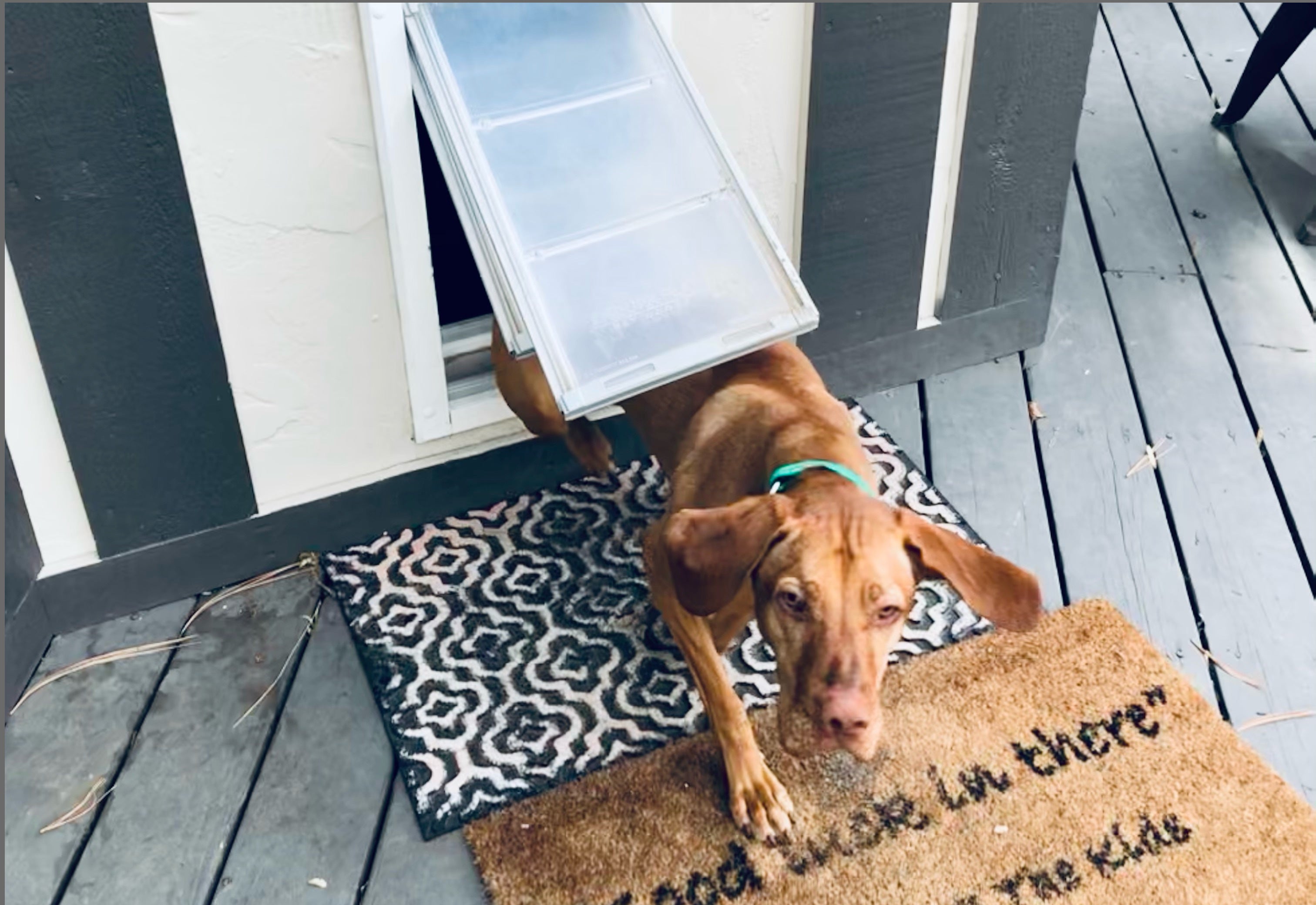
The right size ensures your dog can move in and out comfortably. Measure your pet’s height and width. Add a few inches to ensure a comfortable fit. A door that’s too small can be difficult for your dog to use.
Material is also crucial. Durable materials like aluminum or heavy-duty plastic are ideal. They withstand wear and tear, especially in extreme weather. Flexible flap doors are good for mild climates but may not seal tightly in winter.
Here’s a table summarizing the options:
| Material | Pros | Cons |
|---|---|---|
| Aluminum | Durable, weather-resistant | More expensive |
| Heavy-Duty Plastic | Affordable, easy to install | Less durable than aluminum |
| Flexible Flap | Easy for pets to use | Poor insulation |
Credit: enduraflap.com
Seal Gaps And Cracks
Ensuring your dog door is winter-ready involves sealing gaps and cracks. This step helps keep your home warm and saves energy. Proper sealing also prevents drafts, rain, and snow from entering.
Using Weatherstripping
Weatherstripping is an effective way to seal gaps around your dog door. You can use foam, rubber, or felt strips. Measure the gaps around the door to get the right size. Clean the surface before applying the weatherstripping. Remove any dirt or old adhesive. Peel off the backing and press the strip firmly in place. Make sure it covers the gap completely. Weatherstripping helps keep the cold air out and warm air in.
Applying Caulk
Caulk is another useful tool for sealing cracks around your dog door. Choose a weatherproof, flexible caulk for best results. Clean the area around the cracks. Remove any old caulk or debris. Cut the tip of the caulk tube at a 45-degree angle. Insert the tube into a caulk gun. Apply a smooth, continuous bead of caulk along the crack. Use a caulk smoothing tool to ensure a neat finish. Allow the caulk to dry completely. This step blocks cold air and moisture from entering your home.
Install A Draft Stopper
Winterizing your dog door is essential to keep your home warm and energy-efficient. One effective way to do this is by installing a draft stopper. A draft stopper helps prevent cold air from entering through the gaps in the dog door. It is simple to install and makes a significant difference in maintaining indoor temperatures. Let’s explore the different types of draft stoppers and how to install them.
Types Of Draft Stoppers
Various draft stoppers are available to suit your needs:
- Foam Draft Stoppers: These are easy to cut and fit. They block air effectively.
- Brush Draft Stoppers: These stoppers have bristles that block drafts while allowing your dog to pass through.
- Magnetic Draft Stoppers: These use magnets to seal the door tightly, preventing cold air from entering.
- Rubber Draft Stoppers: Durable and flexible, these provide a tight seal against drafts.
Installation Tips
Follow these steps to install a draft stopper:
- Measure the dog door dimensions. Ensure the stopper fits well.
- Cut the draft stopper to size. Use scissors or a utility knife.
- Attach the stopper. Use adhesive strips or screws for secure placement.
- Check the seal. Ensure there are no gaps where air can pass through.
- Test the door. Make sure your dog can use it easily with the stopper in place.
With these steps, your dog door will be winter-ready. A draft stopper is a simple yet effective solution to keep your home cozy.
Add Insulation Panels
Winterizing a dog door ensures your furry friend stays comfortable. Adding insulation panels is a great way to keep the cold out. This method is effective and easy to implement. Below, we discuss how to choose and install these panels.
Selecting Insulation Panels
Choosing the right insulation panels is crucial. They must fit your dog door perfectly.
- Measure the dimensions of your dog door.
- Look for high-quality panels that offer good thermal insulation.
- Consider material options like foam or plastic, which are durable and easy to handle.
Ensure the panels are weather-resistant. This feature extends their lifespan and effectiveness.
Diy Insulation Methods
If you prefer a DIY approach, you can make your own insulation panels. Here are simple steps to follow:
- Gather materials: foam board, a utility knife, and adhesive.
- Cut the foam board to match the size of your dog door.
- Attach the foam board using adhesive. Ensure it fits snugly.
For added insulation, use weatherstripping tape around the edges. This will seal any gaps and keep the cold air out.
By following these steps, you can easily winterize your dog door, keeping your home warm and your pet happy.
Use A Dog Door Cover
Winter is approaching. Ensuring your dog door is ready for the cold is important. One effective way is to use a dog door cover. These covers help keep the cold air out and the warmth in. They come in different types. This section will explore removable and permanent covers to winterize your dog door.
Removable Covers
Removable covers are easy to install and remove. They provide a temporary solution for the cold months.
- Magnetic Covers: These covers use magnets to attach to the dog door. They are simple to remove when not needed.
- Velcro Covers: These covers use Velcro strips. They are easy to place and remove.
- Snap-On Covers: These covers snap onto the dog door frame. They offer a secure fit.
| Type | Installation | Pros | Cons |
|---|---|---|---|
| Magnetic Covers | Magnet attachment | Easy to use | May not be very secure |
| Velcro Covers | Velcro strips | Quick installation | Wear out over time |
| Snap-On Covers | Snap-on mechanism | Secure fit | Can be hard to remove |
Permanent Covers
Permanent covers offer a long-term solution. They are usually more durable.
- Insulated Covers: These covers have insulation to block out the cold. They are good for extreme weather.
- Weatherproof Covers: Made from weather-resistant materials, these covers can withstand snow and rain.
- Sealed Covers: These covers provide a tight seal to prevent drafts. They are perfect for keeping the indoor temperature stable.
| Type | Installation | Pros | Cons |
|---|---|---|---|
| Insulated Covers | Permanent attachment | High insulation | More expensive |
| Weatherproof Covers | Permanent attachment | Durable in all weather | Installation can be complex |
| Sealed Covers | Permanent attachment | Excellent draft protection | More difficult to install |

Credit: www.youtube.com
Maintain Regular Inspections
Maintaining regular inspections of your dog door is crucial for its longevity and functionality. Regular checks help identify potential issues early. This ensures your furry friend stays comfortable and safe during winter.
Checking For Wear And Tear
Inspect the flap for cracks or gaps. These can let cold air in. Ensure the frame is secure. Loose screws can cause drafts. Examine the weather stripping. Replace it if it’s worn out. Check the seal around the door. A tight seal keeps the cold out.
Seasonal Maintenance
Lubricate the hinges of the dog door. This prevents sticking in cold weather. Clean the flap regularly. Dirt can cause it to stick open. Apply a silicone-based lubricant. This helps the flap move smoothly. Inspect the door for ice buildup. Remove ice promptly to prevent damage.
Train Your Dog
Training your dog to use a winterized dog door is essential. It ensures your pet can come and go freely, even in cold weather. Proper training builds their confidence and eases their transition.
Encouraging Proper Use
First, show your dog the door. Let them sniff and explore. This helps them get comfortable. Use treats to encourage them to go through the door. Place a treat on the other side and gently guide them. Repeat this until they move through the door easily.
Practice several times a day. Consistency is key. Gradually reduce the number of treats. Praise your dog whenever they use the door. Positive reinforcement works wonders. Your dog will learn faster and with less stress.
Behavioral Tips
Some dogs may hesitate at first. Be patient. Stay calm and supportive. Avoid forcing your dog through the door. This can create fear. Instead, use a favorite toy to lure them. Play on both sides of the door to make it fun.
If your dog is still hesitant, try a different approach. Sit on the other side of the door and call them. Use a cheerful voice. Reward them with a treat when they come through. Keep training sessions short. Long sessions can tire and frustrate your dog.
Remember, every dog is different. Some learn quickly, others need more time. Be patient and consistent. With time, your dog will use the door confidently, even in winter.
Consider Alternative Solutions
When winter sets in, dog doors can let in cold air. This can make your home less comfortable. You might want to consider alternative solutions. These can help keep your house warm and your energy bills low. Here are some ideas:
Temporary Closures
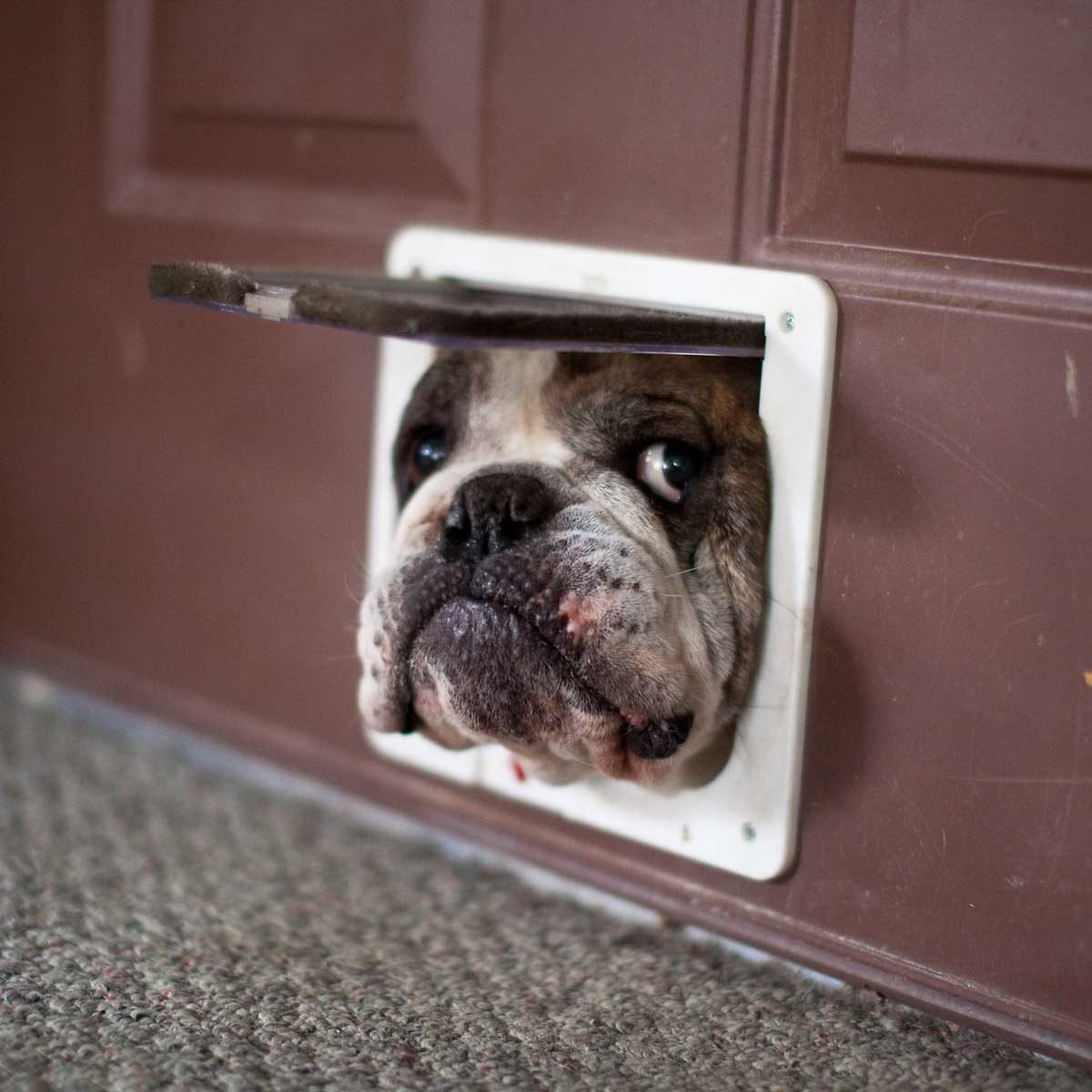
Temporary closures can block the dog door during extreme weather. You can use insulated panels or draft stoppers. These are easy to install and remove. They provide a quick fix to keep the cold out. Another option is to use a heavy curtain. This can add an extra layer of insulation.
Make sure the closure is secure. This prevents it from falling or being pushed open. Your dog might need some time to adjust. Be patient and give them time to learn.
Indoor Potty Options
Indoor potty options can help during harsh winter months. Puppy pads are a common choice. They are easy to use and disposable. You can place them in a designated spot inside your home. Another option is an indoor grass patch. This can give your dog a familiar outdoor feel.
Training is key for indoor potty options. Your dog needs to understand where to go. Use positive reinforcement and be consistent. This will help your dog adapt quickly.
Consider these solutions to keep your home warm and your dog comfortable during winter. They can make a big difference in managing the cold weather.
Credit: www.familyhandyman.com
Frequently Asked Questions
How Can I Insulate My Dog Door For Winter?
To insulate your dog door, use weather stripping around the edges. Add an insulated door flap to reduce drafts. Consider using a door cover during extreme cold to keep warmth inside.
What Materials Are Best For Winterizing A Dog Door?
The best materials include weather stripping, insulated flaps, and door covers. These materials help block cold air and maintain warmth. Ensure they are durable and suitable for your door type.
How Do I Prevent Drafts From My Dog Door?
Prevent drafts by sealing gaps with weather stripping. Use an insulated flap to block cold air. Additionally, check for any damage and repair immediately.
Can I Use A Dog Door Cover During Winter?
Yes, you can use a dog door cover during winter. It helps block cold air and maintain indoor warmth. Choose a cover that fits well and is easy to install and remove.
Conclusion
Winterizing a dog door ensures your pet stays warm and comfortable. Proper insulation helps keep cold drafts out. Check seals and add weatherstripping if needed. Consider installing a door cover during extreme weather. Regular maintenance will keep the door functioning well.
Your pet will appreciate a cozy home. Follow these steps to protect your furry friend this winter. Stay prepared and enjoy a warm, happy season with your pet.
Last Updated on April 17, 2026