Last Updated on October 18, 2026
Is your puppy scratching more than usual or showing red, irritated patches on their skin? If so, your furry friend might be dealing with a skin allergy.
Puppy skin allergies can be uncomfortable and even painful for your pet, but the good news is that you can take steps to help them feel better. You’ll discover the common causes of puppy skin allergies, how to spot the signs early, and simple ways to soothe your puppy’s itchy skin.
Keep reading to learn how to protect your puppy’s health and happiness.
Common Causes Of Puppy Skin Allergies
Puppy skin allergies cause itching, redness, and discomfort. Identifying the cause helps treat the problem faster. Several factors can trigger skin allergies in puppies. Knowing these common causes can protect your puppy’s health.
Food Allergies
Some puppies react to certain foods. Common allergens include beef, dairy, chicken, and grains. Symptoms often show as itchy skin or ear infections. Changing the diet may reduce allergic reactions.
Environmental Triggers
Pollen, dust, and mold can irritate a puppy’s skin. These allergens are in the air or on surfaces. Puppies with sensitive skin may develop rashes or scratching. Regular cleaning can lower these triggers.
Flea And Parasite Bites
Fleas are a major cause of skin allergies in puppies. Their bites cause itching and red spots. Other parasites like mites also cause skin problems. Using flea prevention helps keep puppies comfortable.
Contact Irritants
Some materials or chemicals can irritate puppy skin. Shampoos, cleaning products, or certain plants may cause reactions. Puppies may scratch or lick affected areas. Avoiding harsh substances protects their skin.
Signs And Symptoms To Watch For
Watching your puppy closely helps catch skin allergies early. Puppies cannot tell us when they feel itchy or uncomfortable. Noticing changes in their behavior or skin can prevent serious problems. Here are common signs and symptoms to watch for in puppies with skin allergies.
Itching And Scratching
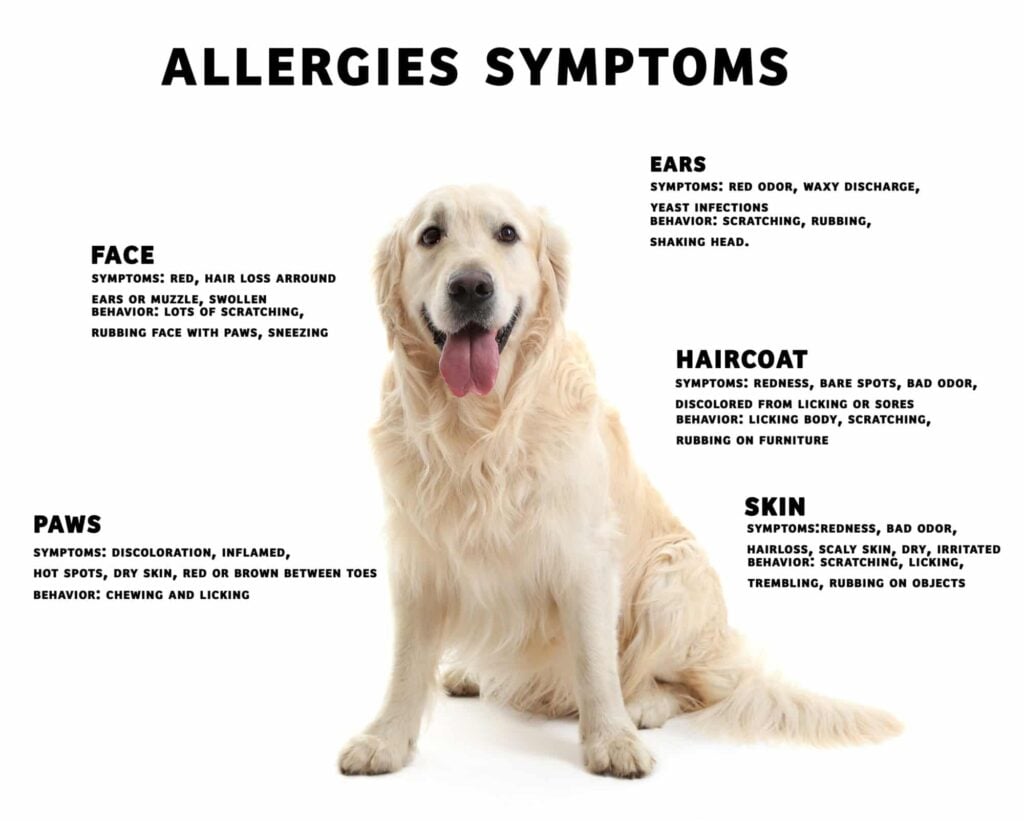
Itching is the most common sign of a skin allergy. Your puppy may scratch their body, ears, or paws often. This scratching can cause wounds or sores. Persistent itching means something is irritating your puppy’s skin.
Redness And Inflammation
Look for areas of red skin on your puppy. Redness shows irritation and inflammation. These spots may feel warm or swollen. Inflamed skin is sensitive and can cause discomfort for your puppy.
Hair Loss And Bald Spots
Allergic reactions can cause hair to fall out. Your puppy might have bald spots or thinning fur. Hair loss often happens in patches. Check for areas where fur looks uneven or missing.
Licking And Chewing Behavior
Puppies often lick or chew itchy spots to relieve irritation. This behavior can worsen the skin condition. Watch for constant licking on paws, legs, or belly. Excessive chewing may lead to infections or sores.
Home Remedies To Soothe Allergies
Puppy skin allergies cause itchiness and discomfort. Home remedies can help soothe your puppy’s irritated skin safely. These simple treatments calm inflammation and reduce scratching. Try these gentle methods to make your puppy feel better at home.
Oatmeal Baths
Oatmeal baths relieve itchy and dry skin. Grind plain oatmeal into a fine powder. Mix it with warm water and soak your puppy for 10 to 15 minutes. The oatmeal creates a protective layer that soothes irritation. It also helps reduce redness and swelling.
Aloe Vera Applications
Aloe vera gel cools and heals allergic skin. Use pure aloe vera without added chemicals. Apply a thin layer on the affected areas. Aloe vera reduces inflammation and promotes faster skin repair. Make sure your puppy does not lick the gel off.
Coconut Oil Treatments
Coconut oil moisturizes dry, itchy patches. Dab a small amount on your fingers and gently rub it on the skin. It has natural antibacterial properties that prevent infections. Coconut oil also supports the skin’s natural barrier and softness.
Cool Compresses
Cool compresses ease hot, swollen skin. Use a clean cloth dipped in cold water and gently press on irritated spots. Hold for a few minutes to calm the area. Repeat as needed to reduce discomfort and stop itching.
Diet Changes To Prevent Allergies
Diet plays a key role in preventing puppy skin allergies. Changing what your puppy eats can reduce itching and irritation. Choosing the right foods supports healthy skin and a strong immune system.
Careful diet changes can stop allergy flare-ups. Feeding your puppy certain foods lowers the chance of skin problems. A healthy diet is a simple way to help your puppy feel better.
Hypoallergenic Foods
Hypoallergenic foods contain fewer common allergens. These foods reduce the risk of skin reactions. They often use novel proteins like duck or venison. Grain-free options may also help sensitive puppies. Hypoallergenic diets avoid ingredients that commonly cause allergies.
Elimination Diet Plans
Elimination diets help find the food causing allergies. You feed your puppy limited ingredients for weeks. Then, slowly add new foods one at a time. Watch for any signs of itching or rash. This method isolates the allergen and guides future food choices.
Supplements For Skin Health
Supplements can improve your puppy’s skin condition. Omega-3 fatty acids reduce inflammation and dryness. Vitamins like E and biotin support skin repair. Probiotics help balance gut health, aiding the immune system. Adding supplements boosts your puppy’s skin defense naturally.
Proper Grooming Practices
Proper grooming plays a key role in managing puppy skin allergies. It helps keep your puppy’s coat clean and reduces irritation. Good grooming removes dirt, allergens, and loose hair that can trigger allergies.
Consistent grooming also allows you to check your puppy’s skin for signs of allergy or infection. Early detection helps you act fast and keep your puppy comfortable.
Regular Brushing
Brush your puppy’s coat daily to remove loose hair and dirt. It helps prevent mats that trap allergens close to the skin. Use a soft brush suited for your puppy’s fur type. Gentle brushing improves air flow and keeps skin healthy.
Choosing The Right Shampoo
Select a mild, hypoallergenic shampoo designed for sensitive skin. Harsh shampoos strip natural oils and worsen irritation. Avoid products with strong fragrances or chemicals. A gentle shampoo soothes itchy skin and cleans without drying.
Bathing Frequency Guidelines
Bathe your puppy every two to four weeks unless your vet advises otherwise. Overbathing dries out skin and worsens allergies. Use lukewarm water to avoid irritation. Rinse thoroughly to remove all shampoo residues that may cause itching.

Credit: healthyandhappydog.com
When To See The Vet
Knowing when to visit the vet is key for your puppy’s skin allergy. Early check-ups help prevent worse problems. Vets can find the cause and start proper care. Watch for signs that need medical attention.
Persistent Symptoms
Itchy skin that does not improve within a week is a warning. Constant scratching, redness, or swelling means your puppy needs a vet. Allergies often last longer without treatment. Do not wait for symptoms to get worse.
Severe Skin Infections
Open sores, oozing wounds, or bad smells signal infection. Puppies with infected skin feel pain and discomfort. These problems require immediate vet care. Infections can spread and harm your puppy’s health quickly.
Allergy Testing Options
Vets offer tests to find allergy causes. Blood tests and skin tests are common choices. These tests help identify specific allergens. Knowing the trigger helps create a better treatment plan.
Prescription Treatments
Some allergies need medicines prescribed by the vet. These include antihistamines, steroids, or special shampoos. Prescription treatments reduce itching and inflammation fast. Always follow the vet’s instructions carefully.
Preventive Measures For Long-term Care
Taking care of your puppy’s skin allergy is a long-term effort. Preventive measures help keep symptoms low and improve your puppy’s comfort. Simple daily habits can make a big difference. Focus on keeping your puppy safe from triggers that cause allergies.
Consistent care helps reduce flare-ups. It also supports healthy skin and fur. Understanding key preventive steps can protect your puppy’s skin over time. Below are important areas to focus on.
Flea And Tick Control
Fleas and ticks cause severe skin irritation. They spread allergens and infections. Use vet-approved flea and tick treatments regularly. Check your puppy for pests after outdoor time. Keep your puppy’s bedding clean and flea-free. Preventing pests stops many allergy problems early.
Environmental Cleanliness
Clean surroundings reduce allergen exposure. Vacuum floors and furniture often to remove dust. Wash your puppy’s bedding weekly in hot water. Avoid strong cleaning chemicals that can irritate skin. Keep your home well-ventilated to lower allergens in the air. A clean environment supports healthier skin.
Stress Reduction Techniques
Stress weakens your puppy’s immune system. A calm puppy fights allergies better. Create a quiet and safe space for rest. Use gentle playtime to keep your puppy happy. Consistent routines help reduce anxiety. Relaxed puppies show fewer allergy flare-ups.
Credit: zignature.com

Credit: www.northpointeanimalhospital.com
Frequently Asked Questions
What Causes Puppy Skin Allergies?
Puppy skin allergies are caused by allergens like pollen, dust mites, certain foods, or flea bites. These trigger an immune response leading to itching and redness. Identifying the cause is essential for effective treatment and relief.
How Can I Tell If My Puppy Has A Skin Allergy?
Signs include constant scratching, redness, swelling, hair loss, and flaky skin. Puppies may also lick or chew affected areas excessively. If these symptoms appear, consult a vet for diagnosis and treatment.
What Treatments Help Relieve Puppy Skin Allergies?
Treatment options include antihistamines, medicated shampoos, and dietary changes. Your vet may also recommend flea control and allergy testing. Early treatment helps reduce discomfort and prevent infections.
Can Diet Affect My Puppy’s Skin Allergy?
Yes, food allergies can cause skin reactions. Common allergens include beef, dairy, and wheat. A hypoallergenic diet or elimination trial can help identify and manage food-related allergies effectively.
Conclusion
Puppy skin allergies can cause discomfort and worry for pet owners. Early care helps your puppy stay healthy and happy. Watch for signs like itching, redness, or hair loss. Clean your puppy’s environment to reduce allergens. Choose gentle shampoos made for sensitive skin.
Regular vet visits catch problems before they grow. Your puppy’s skin health matters for a joyful life. Small steps make a big difference in managing allergies. Stay patient and consistent with treatment plans. Your puppy will thank you with wagging tails and bright eyes.