Last Updated on August 8, 2026
If you have a senior dog, you want the best for them—especially when it comes to their health. You might be wondering if a raw diet could be the key to keeping your furry friend active and happy in their golden years.
Switching to raw food can seem tricky, but it might give your dog more energy, better digestion, and a shinier coat. You’ll discover how a raw diet works for senior dogs, what benefits it offers, and how to make the change safely.
Keep reading to find out if this could be the right choice for your loyal companion.
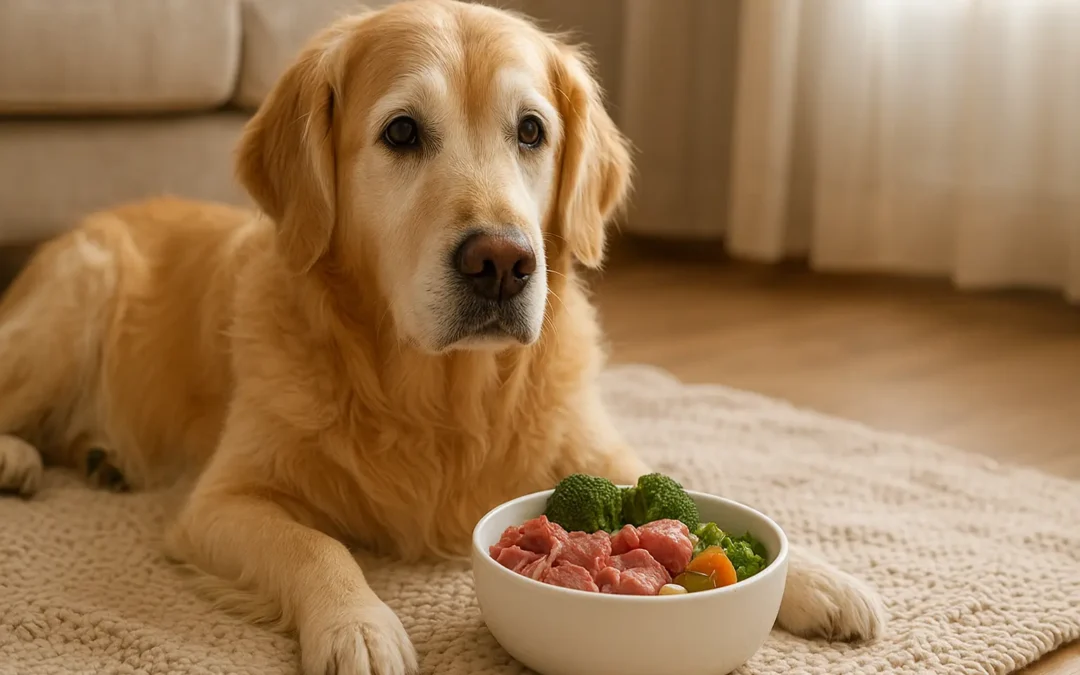
Credit: pawonraw.ca
Benefits Of Raw Diets For Senior Dogs
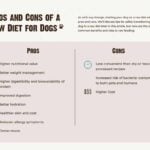
Raw diets offer many benefits for senior dogs. These diets provide fresh, whole foods that support aging bodies. Senior dogs often face health challenges. A raw diet can help ease these problems and improve quality of life.
Feeding raw can lead to better digestion, healthier skin, more energy, and easier weight control. These benefits help dogs stay active and happy in their later years.
Improved Digestion And Nutrient Absorption
Raw diets contain natural enzymes that aid digestion. These enzymes help break down food more efficiently. Senior dogs often have weaker digestive systems. Raw food is easier to digest than processed kibble. This means dogs absorb more vitamins and minerals. Better absorption supports overall health and vitality.
Enhanced Coat And Skin Health
Healthy fats in raw diets improve coat shine and skin condition. Many seniors suffer from dry, itchy skin. Raw food provides omega-3 and omega-6 fatty acids that soothe skin and reduce inflammation. A glossy coat reflects good nutrition and care.
Increased Energy And Mobility
Raw diets offer high-quality proteins for strong muscles. These proteins help maintain energy levels and support joint health. Senior dogs may feel more agile and less stiff. Improved mobility means a better quality of life and more playtime.
Weight Management And Muscle Maintenance
Raw food controls calorie intake without fillers or carbs. This helps seniors maintain a healthy weight. Proper weight reduces strain on joints and organs. Protein-rich raw diets also preserve muscle mass. Strong muscles protect bones and improve balance.
Key Nutrients For Senior Dogs
Senior dogs need special nutrition to stay healthy and active. Their bodies change as they age. This means their diet must include key nutrients that support their joints, muscles, and overall wellbeing. A raw diet can provide these essential nutrients in a natural form. Focus on protein, fats, vitamins, minerals, hydration, and bone health for the best care.
Protein Sources And Quality
Protein helps maintain muscle strength in senior dogs. High-quality protein is easier to digest and use. Good sources include lean meats like chicken, turkey, and beef. Fish such as salmon adds variety and important nutrients. Raw organs like liver and kidney supply essential vitamins and minerals. Avoid low-quality proteins that may cause digestive issues.
Essential Fats And Omega Fatty Acids
Fats provide energy and support brain health. Omega-3 and Omega-6 fatty acids reduce inflammation. Fish oil and flaxseed oil are rich in Omega-3. These fats help keep joints flexible and skin healthy. Balance the fat ratio to avoid weight gain or deficiencies. Include fatty fish or supplements in the raw diet for seniors.
Vitamins And Minerals For Aging Pets
Vitamins and minerals boost the immune system and bone strength. Calcium and phosphorus maintain strong bones and teeth. Vitamin E acts as an antioxidant protecting cells. Vitamin A supports vision and skin health. Use raw vegetables like carrots and spinach for extra nutrients. Organ meats also provide important vitamins and minerals.
Hydration And Bone Health
Water is vital for all body functions in senior dogs. Raw diets naturally contain moisture to help hydration. Bone broth can add fluids and minerals like calcium. Chewing raw meaty bones supports dental health and bone strength. Monitor water intake and provide fresh water at all times. Hydration aids digestion and joint lubrication.
Choosing The Right Raw Ingredients
Choosing the right raw ingredients is key for a healthy diet for senior dogs. Good ingredients give the right nutrients and support aging bodies. Quality matters most to keep your dog strong and happy. Careful choices help avoid health problems and boost energy.
Each ingredient has a special role in your dog’s diet. Knowing what to pick makes meal prep easier and safer. Focus on fresh, clean, and balanced foods for best results.
Meat Selection And Safety
Select fresh, high-quality meats like chicken, beef, or turkey. These provide essential proteins and amino acids. Buy meat from trusted sources to avoid bacteria and parasites. Always store meat properly and use it before it spoils. Fresh meat supports muscle health and energy in senior dogs.
Incorporating Organs And Bones
Organs like liver and kidney offer vital vitamins and minerals. Include them in small amounts to avoid imbalance. Raw bones provide calcium and help keep teeth clean. Choose bones that are safe and not too hard to prevent choking. Never feed cooked bones as they can splinter.
Fresh Vegetables And Fruits
Vegetables like carrots and spinach add fiber and antioxidants. Fruits such as blueberries and apples supply vitamins and natural sweetness. Chop veggies and fruits into small pieces for easy chewing. Fresh produce supports digestion and overall health in older dogs.
Avoiding Harmful Foods
Certain foods can harm your senior dog. Avoid onions, garlic, grapes, and raisins. These cause serious health issues like poisoning or stomach upset. Stay away from processed foods with additives or salt. Always check ingredients to keep your dog safe and healthy.
Preparing And Serving Raw Meals
Preparing and serving raw meals for senior dogs requires care and attention. The goal is to provide balanced nutrition that supports their health and energy. Raw food can be fresh and tasty but needs proper handling.
Understanding portion sizes, feeding schedules, and safe food practices is key. Transitioning slowly helps your dog adjust without stomach upset. Adding supplements can fill any nutritional gaps in the diet.
Portion Sizes And Feeding Frequency
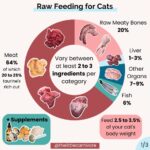
Senior dogs eat less than younger dogs. Their metabolism slows down with age. Feed smaller portions to avoid weight gain. A good rule is 2-3% of their body weight daily.
Split meals into two servings per day. This keeps digestion steady and energy levels balanced. Watch your dog’s weight and adjust portions if needed. Every dog has unique needs.
Safe Handling And Storage Tips
Raw meat can carry bacteria. Wash your hands before and after handling food. Use clean bowls and utensils for feeding.
Store raw meals in sealed containers in the fridge. Freeze extra portions to keep them fresh. Thaw meals in the refrigerator, not at room temperature. Keep your dog’s eating area clean.
Transitioning From Kibble To Raw
Switch slowly over 7 to 10 days. Start with mostly kibble and add a little raw food. Increase raw food amount each day. Watch for any signs of upset stomach.
Some dogs may take longer to adjust. Patience is important. A gentle transition helps avoid diarrhea or vomiting. Consistency makes the change easier for your dog.
Supplementing The Raw Diet
Raw meals may lack some vitamins and minerals. Bone meal, fish oil, or probiotics can help. Consult your vet before adding supplements. They ensure your dog gets balanced nutrition.
Supplements support joint health and digestion. Use high-quality products made for dogs. Proper supplementation keeps your senior dog healthy and happy.
Monitoring Health On A Raw Diet
Switching your senior dog to a raw diet needs close attention to health. Raw diets can offer many benefits but require careful monitoring. This helps ensure your dog stays strong and healthy as they age. Checking their health regularly keeps problems away and improves their quality of life.
Tracking Weight And Body Condition
Weigh your dog once a week at the same time. Use a body condition score chart to check muscle and fat levels. Look for signs of weight loss or gain. Sudden changes can signal health or diet issues. Keep records to spot trends over time.
Signs Of Nutritional Deficiencies
Watch for dull coat, dry skin, or hair loss. Weakness or lack of energy may also appear. Digestive problems like diarrhea or vomiting are red flags. Poor appetite or slow healing wounds can suggest nutrient gaps. Early detection helps fix problems fast.
Regular Veterinary Checkups
Schedule vet visits at least twice a year. Blood tests show nutrient levels and organ health. Your vet can spot hidden problems early. Share your dog’s diet details with your vet. They can guide you on any needed diet changes.
Adjusting Diet Based On Health Changes
Senior dogs’ needs change with age and health. Add or reduce certain foods as advised by your vet. Monitor how your dog reacts to new ingredients. Keep meals balanced to support their health. Adapt the diet to match activity and health status.

Credit: www.northpointpets.com
Common Concerns And Myths
Many pet owners worry about feeding their senior dogs a raw diet. Concerns and myths often cause hesitation. Understanding these issues helps make better choices for your pet’s health.
Some fears come from misinformation or old beliefs. It is important to look at facts and science. This section clears up common doubts and explains key points.
Addressing Bacterial Risks
Bacteria in raw meat can pose risks. Proper handling reduces this danger significantly. Using fresh, high-quality ingredients is essential. Cleaning surfaces and bowls also lowers contamination chances. Freezing meat before feeding kills some harmful bacteria. Senior dogs with weak immune systems need extra care. Consult a vet to ensure safety for your dog.
Debunking Raw Diet Misconceptions
Raw diets do not cause tooth decay; chewing raw meat and bones can clean teeth naturally. Some believe raw feeding lacks nutrients. A well-balanced raw diet includes all needed vitamins and minerals. It does not lead to bone fractures if bones are fed correctly. Raw diets can support senior dogs’ digestion and energy. Choosing the right recipes is key to avoid health issues.
Balancing Convenience And Quality
Preparing raw meals takes time and planning. Some owners find it easier to buy pre-made raw food. Always check ingredient lists and sourcing standards. Quality raw food supports your dog’s health better. Convenience should not come at the cost of nutrition. A mix of homemade and commercial raw meals can work well. Find a routine that fits your lifestyle and your dog’s needs.
Cost Considerations
Raw feeding can seem expensive compared to kibble. Meat and supplements add up, especially for larger dogs. Planning meals and buying in bulk lowers expenses. Some owners save money by using local butcher’s trimmings. High-quality raw food may reduce vet visits over time. Weigh costs against benefits for your senior dog’s health. Budgeting helps keep raw feeding sustainable long-term.

Credit: www.youtube.com
Frequently Asked Questions
What Are The Benefits Of A Raw Diet For Senior Dogs?
A raw diet supports better digestion and joint health in senior dogs. It provides natural nutrients, improves coat quality, and boosts energy levels. This diet often reduces allergies and promotes healthier teeth. It closely mimics a dog’s ancestral eating habits, aiding overall well-being in older dogs.
Is A Raw Diet Safe For Senior Dogs?
Yes, a raw diet can be safe if properly balanced. Consult your vet before switching to raw food. Ensure it includes all essential nutrients and is free from harmful bacteria. Proper handling and storage of raw ingredients are crucial for your senior dog’s safety.
How To Transition A Senior Dog To A Raw Diet?
Transition slowly over 7-10 days by mixing raw with current food. Gradually increase raw portions while decreasing old food. Monitor your dog’s digestion and energy levels closely. This gentle approach helps prevent stomach upset and encourages acceptance of the new diet.
What Ingredients Are Best For Senior Dogs’ Raw Diet?
Include lean meats like chicken, turkey, and beef, plus organ meats. Add vegetables like spinach and carrots for fiber and vitamins. Bone content supports dental health, while supplements like fish oil enhance joint function. Balanced portions are key for senior dogs’ nutritional needs.
Conclusion
Feeding senior dogs a raw diet can support their health and energy. It provides natural nutrients and can improve digestion. Always introduce new foods slowly and watch for any reactions. Consult your vet to ensure the diet fits your dog’s needs.
A balanced raw diet may help your dog feel better and stay active longer. Remember, each dog is different. Careful planning and attention make a big difference in your senior dog’s life.