Last Updated on July 19, 2026
If your dog shows signs of anxiety, you’re not alone—and the good news is, you can help. Retraining an anxious dog isn’t just about fixing behavior; it’s about building trust and creating a calm, happy companion.
You might feel overwhelmed or unsure where to start, but with the right approach, you can see real changes. You’ll discover simple, effective steps to ease your dog’s anxiety and strengthen your bond. Keep reading—your furry friend will thank you.

Credit: www.bestmatedogtraining.co.nz
Signs Of Anxiety In Dogs
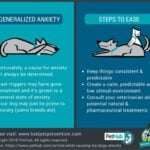
Dogs can show anxiety in many ways. Knowing the signs helps you help your pet. Anxiety can affect their behavior, body, and mood. Recognizing these signs early can make retraining easier and more effective.
Common Behavioral Symptoms
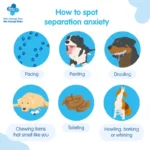
An anxious dog may bark or whine more than usual. They might pace or try to hide. Some dogs chew on things they shouldn’t. Others may refuse to eat or sleep well. Sudden aggression or clinginess are also signs.
Physical Indicators
Shaking or trembling can mean fear. Dogs may drool or lick their lips often. Panting without exercise is another sign. You might see yawning or scratching more. Some dogs show a tucked tail or flattened ears.
Situations That Trigger Anxiety
New places or loud noises can scare dogs. Being left alone often causes stress. Meeting strangers or other animals can upset them. Changes in routine may also trigger anxiety. Even car rides or vet visits can worry some dogs.
Creating A Safe Environment
Creating a safe environment is key to helping an anxious dog feel calm and secure. Dogs pick up on their surroundings quickly. A peaceful space can reduce stress and build trust. It gives your dog a place to relax and feel protected. This foundation supports all retraining efforts and helps your dog stay focused. Below are ways to set up this safe space effectively.
Designing A Comfortable Space
Choose a quiet corner in your home for your dog’s space. Use soft bedding that supports their body well. Keep the area free from loud noises and sudden movements. Add familiar toys or blankets with your scent for comfort. Make sure the space is easy to access at all times. Good lighting that is not too bright helps your dog stay calm.
Using Calming Aids And Tools
Calming aids can help reduce anxiety quickly. Use items like anxiety wraps or vests that gently hug your dog. Try diffusers with natural calming scents like lavender or chamomile. Soft background music or white noise masks startling sounds. Provide chew toys or puzzles to distract and soothe your dog. These tools support relaxation and make retraining easier.
Building Trust And Confidence
Building trust and confidence is key to helping an anxious dog feel safe. Dogs need to know they can rely on you. Trust grows slowly with patience and care. Confidence grows when dogs face challenges without fear. Both are needed for a calm and happy dog.
Trust and confidence help reduce stress and anxiety. They create a strong bond between you and your dog. This bond makes training easier and more effective. Start with small steps. Celebrate every success, no matter how small.
Positive Reinforcement Techniques
Positive reinforcement means rewarding good behavior. Use treats, praise, or petting to show approval. Rewards encourage your dog to repeat good actions. Avoid punishment, as it can increase anxiety. Timing is important. Reward your dog right after the good behavior. This helps them connect the action with the reward.
Use simple commands and clear signals. Be consistent with your rewards. This builds your dog’s confidence in learning new things. Positive reinforcement makes training fun and motivating for your dog.
Consistent Routine And Structure
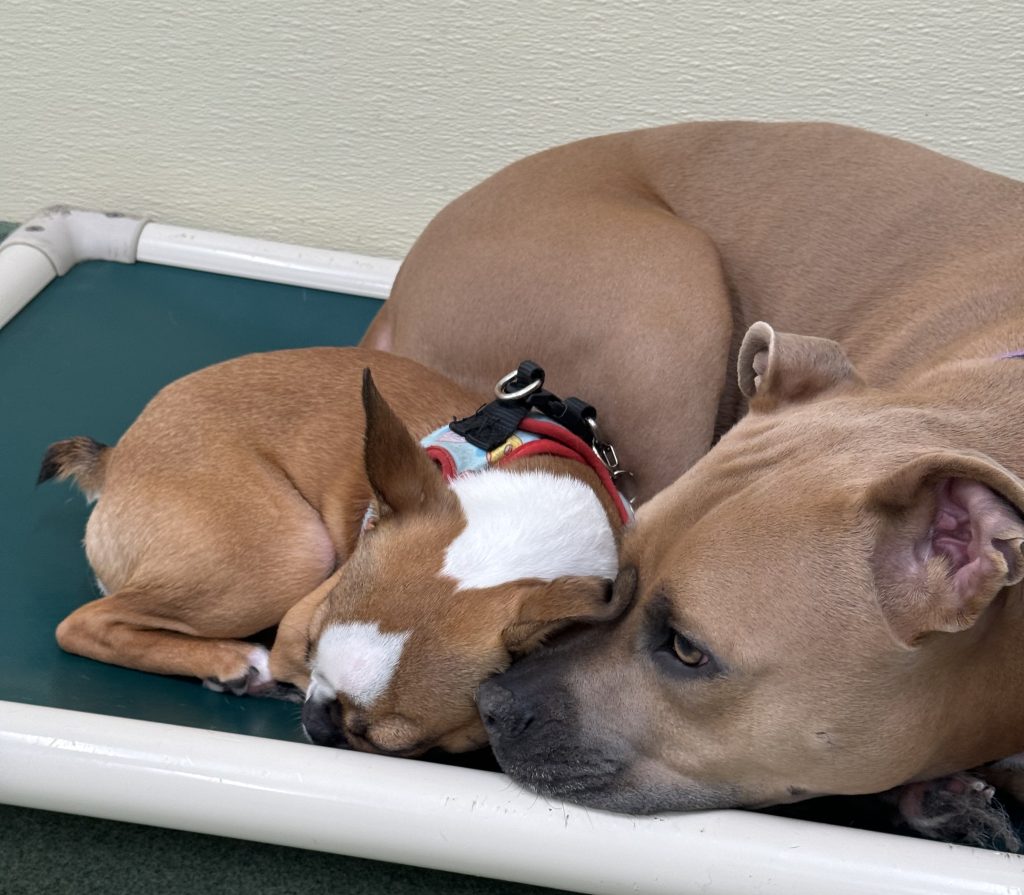
Dogs feel safer with a regular routine. Predictable feeding, walking, and playtimes reduce anxiety. A clear schedule helps your dog understand what to expect. Consistency in rules and commands builds trust. Everyone in the household should follow the same rules. This avoids confusion and helps your dog feel secure.
A structured environment lets your dog relax. They learn to trust the world around them. This trust is the foundation for building confidence. Stick to the routine even on busy days. Your dog will thank you with calm behavior and trust.
Credit: pupspetclub.com
Training Strategies To Reduce Anxiety
Training an anxious dog takes patience and clear methods. The right strategies help your dog feel calm. Training also builds trust between you and your pet. Anxiety can lessen with steady, gentle practice. The goal is to make your dog feel safe and relaxed.
Desensitization And Counter-conditioning
Desensitization means exposing your dog to small amounts of what scares them. Start very slow, so your dog stays calm. Gradually increase exposure as your dog gets used to it. Counter-conditioning pairs the scary thing with something positive. Use treats or play to change your dog’s feelings. These methods teach your dog to feel less afraid.
Teaching Relaxation Commands
Relaxation commands help your dog calm down on cue. Teach simple commands like “sit,” “stay,” or “lie down.” Reward your dog for staying calm during training. Practice these commands in quiet places first. Use them during stressful times to help your dog relax. This gives your dog a clear way to cope with anxiety.
Managing Anxiety During Stressful Events
Stressful events can make an anxious dog feel scared and unsafe. Managing anxiety during these times helps your dog stay calm and comfortable. It also builds trust and confidence over time. Careful handling of stress triggers can reduce fear and prevent bad habits. Patience and gentle methods bring the best results.
Handling Loud Noises And Storms
Loud noises like fireworks or thunder frighten many dogs. Create a safe, quiet space for your dog during storms. Use blankets or a crate to make a cozy den. Play soft music or white noise to mask scary sounds. Stay calm and speak softly to reassure your dog. Avoid forcing your dog out of their safe place. Offer treats and toys to distract and comfort. Practice noise desensitization by playing low sounds and increasing volume slowly.
Calming Techniques For Separation Anxiety
Separation anxiety causes dogs to feel panic when left alone. Start with short absences and slowly increase time apart. Leave a shirt with your scent to comfort your dog. Provide interactive toys to keep their mind busy. Use calm, steady routines for leaving and returning home. Avoid long goodbyes that increase stress. Reward quiet, relaxed behavior with treats. Consider calming aids like pheromone sprays or vet advice for extra help.
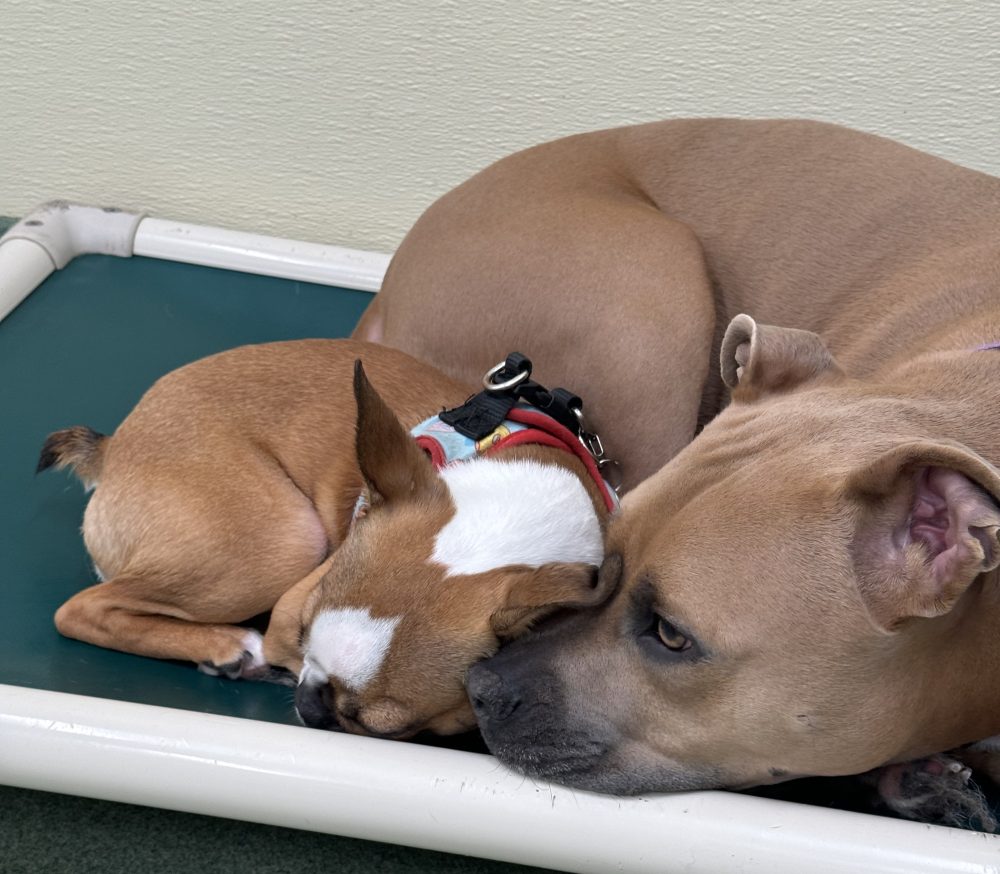
Credit: pupspetclub.com
When To Seek Professional Help
Knowing when to seek professional help for an anxious dog is very important. Some behaviors are too hard to manage alone. Professionals can guide you with the right techniques and tools. They understand the causes of anxiety and can offer effective solutions. Acting early helps your dog feel better faster and prevents problems from getting worse.
Recognizing Severe Anxiety
Severe anxiety shows in intense and frequent behaviors. Your dog may shake, hide, or bark nonstop. Some dogs refuse to eat or show aggression. These signs often mean your dog needs more than basic training. Severe anxiety can harm your dog’s health and happiness. Watch for these signs and do not wait to get help.
Working With Trainers And Veterinarians
Professional trainers use special methods to calm anxious dogs. They teach both you and your dog new ways to cope. Veterinarians can check if health issues cause anxiety. Sometimes, medication helps your dog feel calmer. Working with both trainers and vets gives the best chance for success. They create a plan tailored to your dog’s needs.
Frequently Asked Questions
How Can I Identify Anxiety In My Dog?
Signs include excessive barking, pacing, trembling, and destructive behavior. An anxious dog may also avoid eye contact and hide. Recognizing these signs early helps in effective retraining and reduces stress for your pet.
What Are The Best Methods To Retrain An Anxious Dog?
Use positive reinforcement, gradual exposure to triggers, and consistent routines. Patience and calmness are key. Avoid punishment, as it worsens anxiety. Professional help may be necessary for severe cases.
How Long Does It Take To Retrain An Anxious Dog?
Retraining time varies by dog and anxiety severity. It may take weeks to months. Consistency and patience speed progress. Regular practice and positive experiences build confidence and reduce anxiety over time.
Can Medication Help In Retraining An Anxious Dog?
Medication can support retraining by reducing anxiety symptoms. It should be prescribed by a vet. Medication is most effective when combined with behavioral training. Always follow professional guidance for safety.
Conclusion
Retraining an anxious dog takes time and patience. Small steps help build trust and calm. Consistent routines make your dog feel safe. Use gentle words and rewards to encourage good behavior. Watch for signs of stress and adjust training as needed.
Remember, every dog learns at their own pace. Stay calm and positive throughout the process. Your efforts will help your dog feel happier and more relaxed. Keep trying, and you will see progress. Helping an anxious dog is a kind and rewarding journey.