
Feeding your Chihuahua the right way is crucial for their health. Their dietary needs change with age.
Understanding these changes can help keep your furry friend happy and healthy. Chihuahuas, known for their tiny size and big personalities, have unique nutritional requirements. Puppies need more calories and nutrients to support their rapid growth, while adult Chihuahuas require a balanced diet to maintain their energy levels.
Senior Chihuahuas, on the other hand, need fewer calories but more specific nutrients to support their aging bodies. A feeding chart by age can guide you in providing the right diet at each life stage. It ensures your Chihuahua gets the proper nutrition, avoiding issues like obesity or malnutrition. This guide will help you understand the dietary needs of Chihuahuas from puppyhood to their senior years.
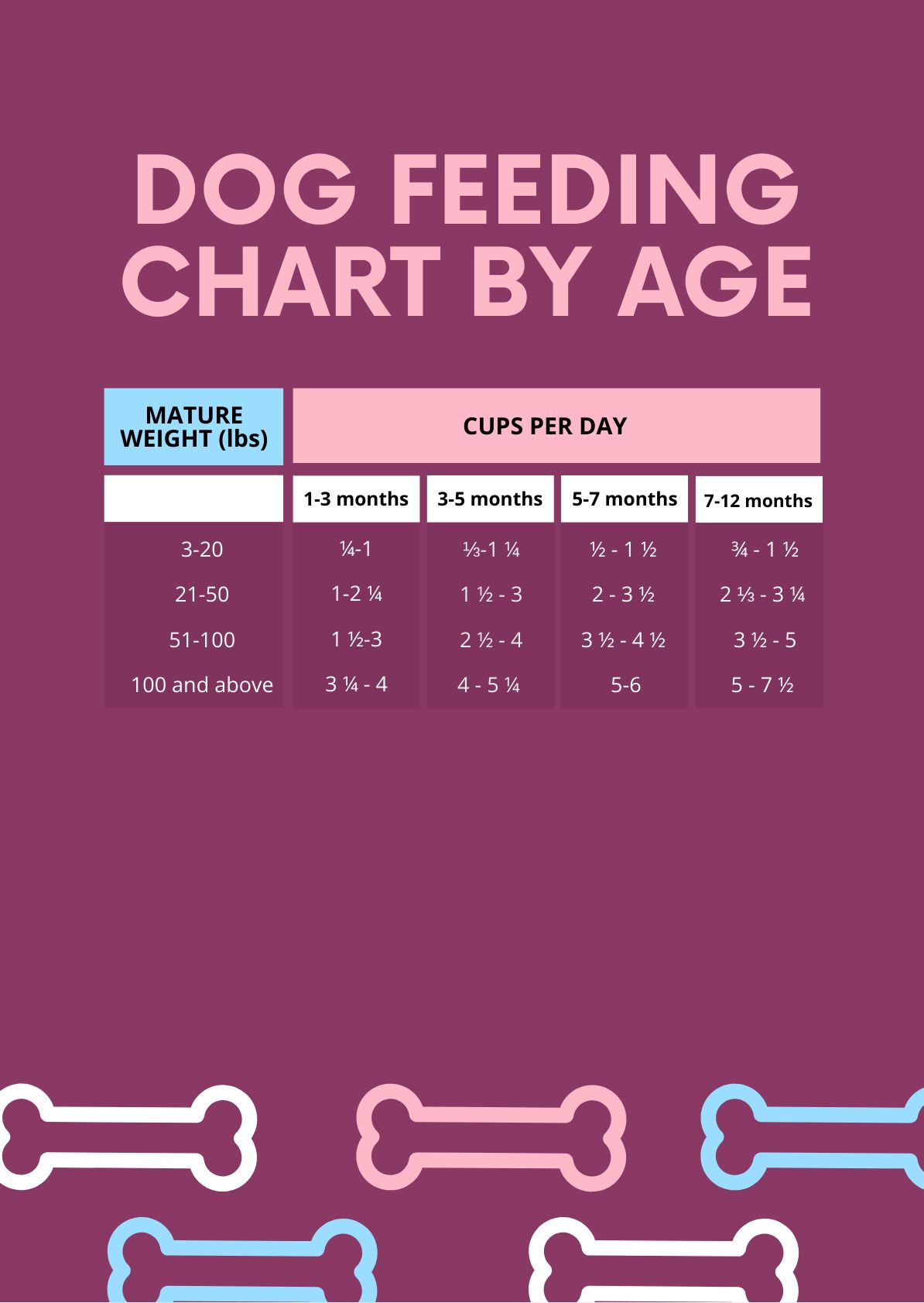
Credit: www.template.net
Introduction To Chihuahua Feeding
Feeding your Chihuahua properly is crucial for their health and well-being. These tiny dogs have unique nutritional needs. Understanding their feeding requirements by age can help ensure they get the right nutrients. This guide will help you create a Chihuahua feeding chart based on their age.
Importance Of Proper Nutrition
Proper nutrition is vital for Chihuahuas. It supports their growth, energy levels, and overall health. A balanced diet can prevent health issues and promote longevity. Chihuahuas are prone to certain health conditions. Proper feeding can help manage and prevent these conditions.
Each stage of a Chihuahua’s life requires different nutrients. Puppies need more protein for growth. Adults need a balanced diet for maintenance. Seniors need fewer calories but more fiber. Adjusting their diet based on age is important for optimal health.
Factors Influencing Feeding
Several factors influence how much and what you should feed your Chihuahua. Age is the primary factor, but activity level, health status, and weight also play roles. Active Chihuahuas need more calories than less active ones. Health conditions like diabetes or allergies require special diets.
Weight management is crucial. Overfeeding can lead to obesity, which is common in Chihuahuas. Underfeeding can cause malnutrition. Regularly monitor your Chihuahua’s weight. Adjust their food intake as needed.
Always provide fresh water. Hydration is as important as nutrition. Avoid feeding your Chihuahua human food. Many human foods are toxic to dogs. Stick to high-quality dog food formulated for small breeds.
Feeding Newborn Chihuahuas
Feeding newborn Chihuahuas requires special attention and care. These tiny pups need proper nutrition to grow healthy and strong. Understanding their feeding needs from birth is crucial.
Colostrum And Breastfeeding
In the first few days, newborn Chihuahuas should receive colostrum. This is the first milk from the mother. Colostrum is rich in antibodies. It helps boost the puppies’ immune system. Breastfeeding is the best way to provide this vital nutrition.
Ensure the mother is healthy and well-fed. A healthy mother will produce quality milk. Check that all puppies are nursing well. Sometimes, you may need to guide them to the teats.
Transition To Solid Food
At around 3-4 weeks, Chihuahuas start to explore solid food. Begin with a softened puppy food. Mix dry kibble with warm water. Let it soak until it becomes mushy. Offer this to the puppies in shallow dishes.
Here is a simple feeding chart to guide you:
| Age (Weeks) | Feeding Type | Frequency |
|---|---|---|
| 0-1 | Colostrum/Breast milk | Every 2 hours |
| 2-3 | Breast milk | Every 3 hours |
| 3-4 | Milk and soft food | Every 4 hours |
| 4-6 | Soft food | 4 times a day |
Gradually reduce the water content in the food as they grow. Over time, they should eat dry kibble. Always provide fresh water.
Monitor their weight and growth. Healthy puppies gain weight steadily. If they seem weak or do not gain weight, consult a vet.
Feeding Chihuahuas At 2-3 Months
Feeding a Chihuahua puppy at 2-3 months is crucial for their growth. Proper nutrition helps them develop strong bones, muscles, and a healthy immune system. At this stage, their diet should include high-quality food, suitable for their tiny size.
Weaning Process
The weaning process starts when the puppy is about 3-4 weeks old. By 2-3 months, they should be completely weaned from their mother’s milk. This is a gradual process where solid food is introduced slowly.
- Begin with a mixture of puppy food and warm water.
- Gradually reduce the water content over a few weeks.
- Ensure the food is soft and easy to chew.
The goal is to make the transition smooth and stress-free for the puppy.
Recommended Food Types
Choosing the right type of food is vital for your Chihuahua’s health. Puppies need a balanced diet with the right nutrients. Here are some recommended food types:
| Food Type | Benefits |
|---|---|
| Dry Kibble | Helps keep teeth clean, easy to store. |
| Wet Food | Higher moisture content, palatable. |
| Homemade Meals | Control over ingredients, fresh and nutritious. |
Ensure the food is specifically formulated for puppies. Check the ingredients for high-quality protein, fats, and essential vitamins.
Feeding your Chihuahua properly at this age sets the foundation for a healthy life. Monitor their growth and adjust portions as needed. Always provide fresh water and consult your vet for any concerns.
Feeding Chihuahuas At 4-6 Months
Feeding Chihuahuas between 4-6 months is a crucial stage. They are growing rapidly and need proper nutrition to support their development. Understanding their nutritional needs and portion sizes can help ensure they grow healthy and strong.
Nutritional Needs
Chihuahuas need a balanced diet at this age. Focus on providing high-quality proteins, healthy fats, and essential vitamins. Proteins help in muscle development, while fats support brain health.
Include foods rich in calcium. Calcium is vital for their growing bones. Vitamins and minerals also play a crucial role in their overall development. Choose dog food that meets these nutritional requirements.
Portion Sizes
Portion sizes are important for Chihuahuas at this age. Overfeeding can lead to obesity, while underfeeding can stunt their growth.
A good rule is to feed them 3-4 meals a day. Each meal should be small but nutritious.
| Age (Months) | Meals per Day | Portion Size per Meal |
|---|---|---|
| 4-5 | 4 | 1/4 to 1/2 cup |
| 5-6 | 3 | 1/4 to 1/2 cup |
Observe your Chihuahua’s weight and adjust portions if necessary. Always ensure fresh water is available.
Feeding Adolescent Chihuahuas
Feeding adolescent Chihuahuas requires special attention to their dietary needs. This stage of their life is vital for their growth and development. To ensure they grow healthy and strong, it’s important to provide a balanced diet and feed them at regular intervals.
Balanced Diet
Adolescent Chihuahuas need a nutrient-rich diet. They require proteins, fats, vitamins, and minerals to support their growth. A balanced diet should include:
- High-quality proteins: Chicken, turkey, and fish.
- Healthy fats: Fish oil and flaxseed oil.
- Vitamins and minerals: Found in fruits and vegetables.
- Carbohydrates: Rice and sweet potatoes.
Avoid foods with artificial additives or fillers. They can cause health problems.
Frequency Of Meals
Adolescent Chihuahuas need more frequent meals compared to adults. Their small stomachs can’t hold much food at once.
Here’s a simple feeding schedule:
| Age (Months) | Meals per Day |
|---|---|
| 3-6 | 3-4 |
| 6-12 | 2-3 |
Ensure each meal is balanced and nutritious. This schedule helps maintain their energy levels throughout the day.
Monitor their weight and adjust portions as needed. Overfeeding can lead to obesity, which can cause health issues.
Feeding Adult Chihuahuas
Feeding adult Chihuahuas requires careful attention. Their small size means they have specific dietary needs. Proper feeding ensures they stay healthy and energetic. Let’s explore the best ways to feed your adult Chihuahua.
Caloric Intake
Adult Chihuahuas need a balanced diet. Caloric intake varies with age, weight, and activity level. Here’s a basic guideline:
| Weight (lbs) | Calories per Day |
|---|---|
| 2-4 | 100-200 |
| 4-6 | 200-300 |
| 6-8 | 300-400 |
Adjust portions based on individual needs. Monitor weight and adjust as needed. Overfeeding can lead to obesity and health issues.
Healthy Treats
Healthy treats are an essential part of a Chihuahua’s diet. Use treats to train or reward good behavior. But, keep them healthy and limited.
- Carrots – Low calorie and high in fiber.
- Blueberries – Rich in antioxidants.
- Plain chicken – High in protein.
Limit treats to 10% of daily caloric intake. Avoid treats with artificial additives and sugars. Healthy treats keep your Chihuahua happy and fit.
Feeding Senior Chihuahuas
Feeding senior Chihuahuas requires special attention. Their nutritional needs change with age. Adjusting their diet helps maintain their health and energy. This section will guide you through the best practices for feeding your senior Chihuahua. Understanding their needs can help them live a longer, happier life.
Adjusting Diet For Age
As Chihuahuas age, their metabolism slows down. They need fewer calories to avoid weight gain. Choose a senior dog food with balanced nutrients. Look for options with higher fiber. This helps with digestion. Protein is important for maintaining muscle mass. Ensure the food has quality protein sources.
Older Chihuahuas may have dental issues. Soft or wet food can be easier for them to eat. If you prefer dry food, choose smaller kibble sizes. Fresh water is essential. Make sure they always have access to it. Hydration is key to their overall health.
Common Health Concerns
Senior Chihuahuas may face health issues. Weight gain and obesity are common. Monitor their weight regularly. Adjust their food portions as needed. Joint problems can also arise. Foods with glucosamine and chondroitin can support joint health.
Dental disease is another concern. Regular dental check-ups are important. Choose foods that promote dental health. Heart disease is a risk too. Low-sodium diets can help manage this condition. Always consult your vet before making diet changes.
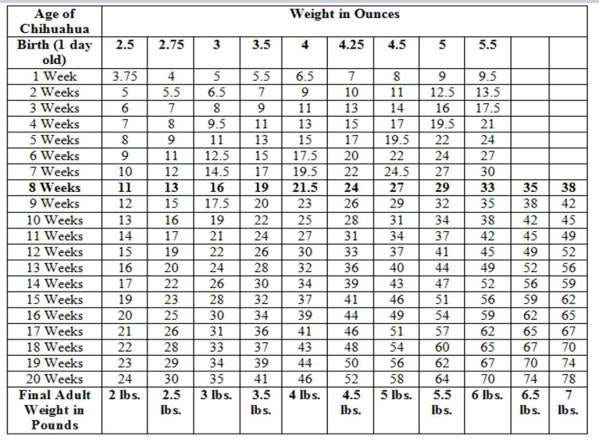
Credit: medium.com
Common Feeding Mistakes
Feeding your Chihuahua the right way can be challenging. Many pet owners make common feeding mistakes that can affect their dog’s health. Understanding these mistakes can help you provide better care.
Overfeeding
Overfeeding is a common mistake. Chihuahuas have small stomachs and need small portions. Giving them too much food can lead to obesity. An overweight Chihuahua can face many health issues. Regularly monitor your dog’s weight. Adjust their food intake as needed. Follow a feeding chart to avoid overfeeding.
Inappropriate Foods
Not all foods are safe for Chihuahuas. Some human foods can be harmful. Chocolate, grapes, and onions are toxic. Even small amounts can be dangerous. Avoid feeding your Chihuahua table scraps. Stick to dog food formulated for their needs. Consult your vet for a safe diet plan.
Tips For A Healthy Feeding Routine
Creating a healthy feeding routine for your Chihuahua is crucial for their growth and well-being. This guide will help you ensure your furry friend gets the right nutrition. Follow these tips to keep your Chihuahua happy and healthy.
Regular Feeding Schedule
Consistency is key for a Chihuahua’s feeding routine. Establish a regular feeding schedule that suits their age and dietary needs.
| Age | Feedings per Day |
|---|---|
| 0-3 months | 4 times |
| 3-6 months | 3 times |
| 6-12 months | 2-3 times |
| 1 year and older | 2 times |
Feed your Chihuahua at the same times each day. This helps their digestive system function well. Avoid giving table scraps or human food. It can upset their stomach and lead to health issues.
Monitoring Weight
Regular weight checks are important for maintaining your Chihuahua’s health. Use a scale designed for small dogs. Monitor their weight weekly.
- Underweight Chihuahuas may need more food or higher-calorie options.
- Overweight Chihuahuas may need portion adjustments or more exercise.
Consult with your vet if you notice weight changes. A balanced diet and regular exercise help maintain a healthy weight.
Remember, a healthy feeding routine is essential for your Chihuahua’s overall well-being. Stick to a regular schedule and monitor their weight to ensure they stay healthy and happy.
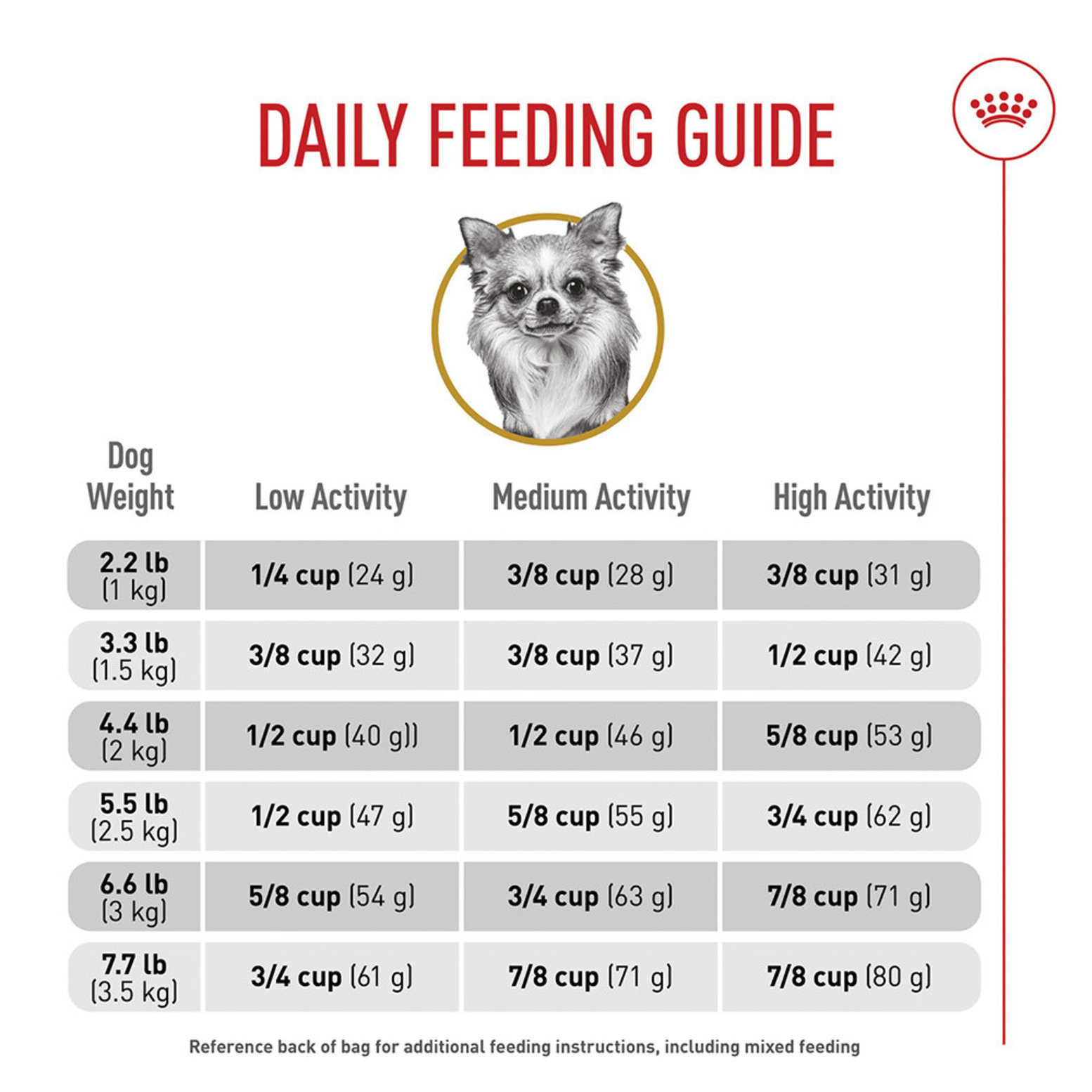
Credit: www.renspets.com
Frequently Asked Questions
How Often Should I Feed My Chihuahua Puppy?
Feed your Chihuahua puppy three to four times a day. This ensures they get enough nutrients for growth.
What Is The Best Food For Chihuahua Puppies?
High-quality, small-breed puppy food is best for Chihuahua puppies. Look for balanced nutrition with essential vitamins and minerals.
How Much Should An Adult Chihuahua Eat?
An adult Chihuahua typically needs 1/4 to 1/2 cup of food daily. Adjust based on activity level and weight.
Can Chihuahuas Eat Human Food?
Some human foods are safe for Chihuahuas, but many are not. Consult your vet before sharing human food.
Conclusion
A Chihuahua feeding chart helps keep your pet healthy and happy. Use it to track the right portions. Adjust as your dog grows. Remember to consult your vet for personalized advice. A balanced diet ensures your Chihuahua thrives. Follow these tips to support your furry friend’s nutrition needs.
Happy feeding!
Last Updated on April 8, 2026