Last Updated on July 17, 2026
If you’re a dog owner, you’ve probably heard about E collars but might wonder what they really are and how they work. You want the best for your furry friend, and understanding tools like E collars can make a big difference in training and safety.
This article will help you discover what an E collar for dogs is, how it can benefit your pet, and what to keep in mind before using one. Keep reading to find out if an E collar is the right choice for you and your dog.
Credit: kvpvet.com
E Collar Basics
The E collar is a common tool used in dog training. It helps guide dogs and correct unwanted behavior. Understanding the basics of the E collar can help you decide if it suits your training needs.
This section covers what an E collar is, the different types, and how they work. Knowing these basics will give you clear insight into this training device.
What Is An E Collar?
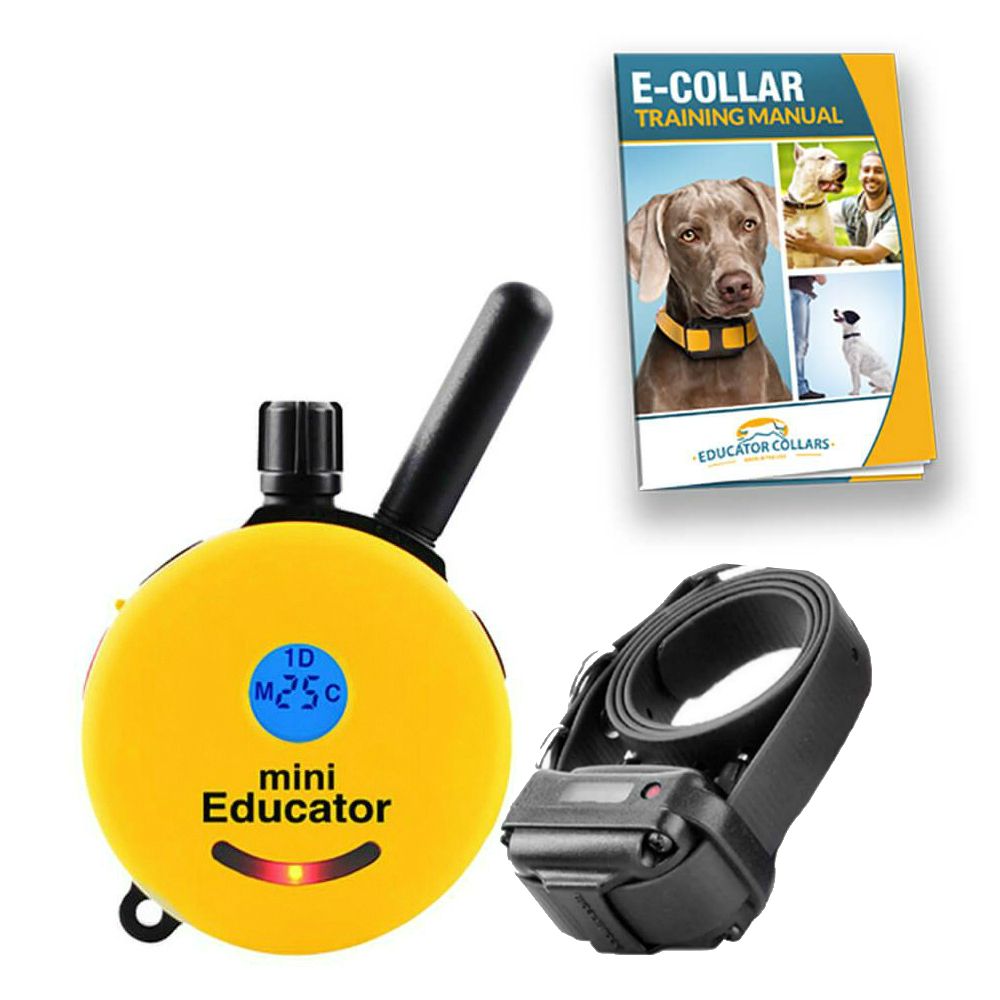
An E collar, also called an electronic collar or shock collar, is a training device worn around a dog’s neck. It delivers a small electric signal to get the dog’s attention. Trainers use it to teach commands or stop bad habits.
Types Of E Collars
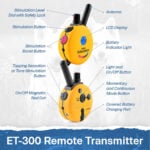
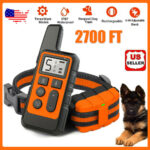
There are several types of E collars. Some deliver a mild static shock, while others use vibrations or sounds. Remote-controlled collars allow trainers to send signals from a distance. Some models adjust intensity levels to match the dog’s size and sensitivity.
How E Collars Work
The collar sends a signal when activated. The dog feels a sensation, such as a mild shock or vibration. This sensation helps the dog link the signal to specific behavior. Over time, dogs learn to respond to commands without needing the signal.

Credit: jorvet.com
Choosing The Right E Collar
Choosing the right e collar for your dog matters. It ensures comfort, safety, and effective training. Each dog needs a collar that fits well and suits their behavior. Pay attention to key features before buying. These include size, adjustable settings, battery life, and range. These factors help you pick the best collar for your dog’s needs.
Size And Fit
Choose an e collar that fits your dog’s neck size. A collar too tight can hurt your dog. One too loose may fall off. Measure your dog’s neck before purchasing. Look for collars with adjustable straps. Soft materials reduce skin irritation. Proper fit prevents discomfort and distractions during training.
Adjustable Settings
Dogs react differently to stimulation. Adjustable settings let you control intensity levels. Start with the lowest setting. Increase only if needed. Some collars offer vibration or sound options. These alternatives can be less stressful. Choose a collar that allows easy changes to settings. This helps find the right balance for your dog.
Battery Life And Range
Long battery life means fewer interruptions in training. Look for collars with rechargeable batteries. Check how long a full charge lasts. Range matters for outdoor training. A collar with short range limits your dog’s movement. Choose a collar with a range that fits your training area. This keeps your dog safe and responsive at all times.
Safe Training Techniques
Using an E collar safely helps your dog learn better and faster. Training with care builds trust and respect. Avoid causing fear or pain. Focus on gentle guidance and clear signals.
Safe training keeps your dog calm and eager to learn. It also protects your dog’s well-being. Here are key steps to use an E collar wisely.
Proper Introduction To The E Collar
Start by letting your dog wear the collar without turning it on. Let your dog get used to the feel. Use short sessions to avoid stress. Watch your dog’s reaction closely. Begin with the lowest stimulation level. Increase only if your dog does not respond. Always pair the collar use with a command. This helps your dog connect the signal with the command.
Using Positive Reinforcement
Reward your dog with treats and praise. Give rewards immediately after good behavior. This encourages your dog to repeat the action. Combine the E collar signal with positive words. Avoid using the collar as a punishment. Use it as a gentle reminder or guide. Positive reinforcement builds a strong bond and trust.
Avoiding Common Mistakes
Never use high levels of stimulation at the start. Avoid random or frequent corrections without commands. Do not leave the collar on for too long. Check the fit to prevent discomfort or skin irritation. Avoid using the collar when your dog is scared or anxious. Consistency and patience are crucial for success. Misuse can cause fear and confusion in your dog.
Benefits Of E Collar Training
E collar training offers clear benefits for dog owners. It helps build better communication and control. Training with an e collar can improve your dog’s behavior quickly and safely. The collar supports learning without causing fear or pain. Understanding the key benefits shows why many trainers trust e collars.
Improved Communication
E collars help you send clear signals to your dog. The collar uses gentle vibrations or tones to get attention. This method reduces confusion during training. Your dog learns to associate signals with commands easily. Communication becomes faster and more effective, improving training results.
Behavior Correction
The e collar helps correct unwanted behaviors gently. It stops barking, digging, or jumping in a calm way. The collar delivers a mild stimulus that interrupts bad habits. This approach teaches dogs what is acceptable and what is not. It supports positive change without harsh punishment.
Enhancing Recall And Obedience
Recall improves because the dog listens better to commands. The collar encourages dogs to return quickly when called. It helps maintain focus during distractions. Obedience training becomes more reliable and consistent. Dogs learn to respond even at a distance, making outdoor activities safer.
Addressing Concerns And Myths
Many people worry about using e collars for dogs. Some believe these collars cause pain or harm. Others think they are tools of punishment. These concerns come from myths and wrong ideas. Understanding the truth helps pet owners use e collars safely and kindly.
This section clears up common doubts. It explains how e collars work and what experts say. It shows how to use them with care and respect for dogs.
Misconceptions About E Collars
Some think e collars always shock dogs painfully. This is not true. Most collars use a mild vibration or a small static signal. The signal only works as a warning, not a punishment. Dogs learn from this signal and change their behavior. Proper use means no pain or fear.
Welfare And Ethical Use
Using an e collar responsibly protects the dog’s well-being. Owners must start with low settings. They should watch the dog’s reaction closely. Training must be gentle and kind. The collar should never be used to scare or hurt. Ethical use means teaching, not punishing.
Veterinarian And Trainer Opinions
Many veterinarians and trainers support e collars when used correctly. They say the collars help with hard behaviors like chasing or barking. Experts stress the need for proper guidance. Training with an e collar works best with professional help. This keeps dogs safe and happy.
Maintenance And Care
Proper maintenance and care of an e-collar for dogs ensure it works well and lasts longer. Regular upkeep keeps the collar safe and comfortable for your pet. Small steps in cleaning, battery care, and storage make a big difference.
Cleaning Tips
Clean the collar after each use. Use a damp cloth to wipe dirt and sweat. Avoid harsh chemicals that can damage the device. Remove the collar’s electronic parts before cleaning. Let it dry fully before putting it back on your dog. Check for any cracks or damage regularly.
Battery Replacement
Check the battery level often. Replace batteries as soon as the power runs low. Use the right battery type recommended by the manufacturer. Keep spare batteries handy to avoid interruptions. Dispose of old batteries properly to protect the environment.
Storage Recommendations
Store the e-collar in a cool, dry place. Avoid exposing it to direct sunlight or heat. Keep it away from water and moisture. Use a small box or pouch to protect it from dust. Make sure it is fully dry before storing to prevent damage.
Credit: www.educatorcollars.com
Frequently Asked Questions
What Is An E Collar For Dogs Used For?
An E collar, or electronic collar, helps train dogs by delivering mild stimulation. It discourages unwanted behaviors like barking or running off. It’s a tool to improve obedience and safety when used correctly and humanely.
How Does An E Collar Work On Dogs?
An E collar works by sending a gentle electrical pulse to the dog’s neck. The stimulation varies in intensity and is controlled remotely by the trainer. It helps the dog associate the pulse with undesirable actions, encouraging better behavior.
Are E Collars Safe For Dogs To Use?
Yes, E collars are safe when used properly. It’s important to start with low settings and monitor your dog’s reaction. Avoid overuse to prevent stress. Proper training guidance ensures the collar is a helpful, humane tool.
Can E Collars Stop Excessive Barking?
Yes, E collars can reduce excessive barking. When the dog barks, the collar delivers a mild stimulus, discouraging the habit. Consistent training and positive reinforcement alongside the collar improve results and encourage quieter behavior.
Conclusion
An e collar can help train dogs safely and effectively. It offers clear signals that dogs understand quickly. Using it properly builds better communication between you and your pet. Always choose the right collar and learn how to use it well.
Training with patience and care leads to good behavior. Remember, the goal is a happy and well-behaved dog. An e collar is just one tool to support this journey. Keep your dog’s comfort and safety as the top priority.