Last Updated on September 25, 2026
Non Hazardous Waste Management: Strategies, Challenges, And Solutions
Managing waste is a daily part of life for businesses, schools, and homes. While many people focus on dangerous substances, the reality is that most of the world’s waste is non hazardous waste. This type of waste might seem harmless, but it still has a big impact on the environment, public health, and the economy. Understanding how to manage non hazardous waste properly is essential for a cleaner and safer world.
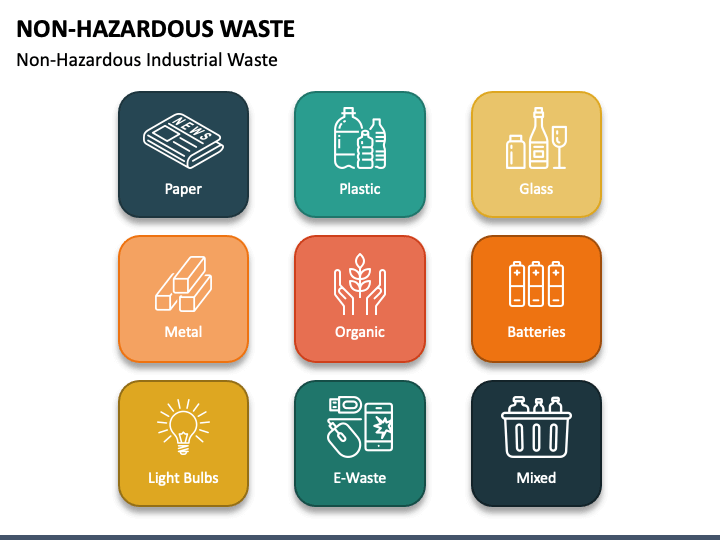
Non hazardous waste includes paper, cardboard, glass, plastic, food scraps, yard waste, wood, textiles, and more. These materials do not pose a direct threat to human health or the environment when handled correctly, but poor management can still cause problems like pollution, resource waste, and high disposal costs.
This article explores the essentials of non hazardous waste management, practical strategies, and common mistakes to avoid.
What Is Non Hazardous Waste?
Non hazardous waste is waste that is not dangerous to people or the environment under normal handling and disposal conditions. Unlike hazardous waste, it does not contain toxic chemicals, reactive substances, or materials that are flammable or explosive.
Common Types Of Non Hazardous Waste
- Municipal solid waste (household trash): Paper, food scraps, packaging
- Industrial non hazardous waste: Scrap metal, plastics, non-toxic sludge
- Commercial waste: Office paper, cardboard boxes, used packaging
- Construction and demolition debris: Bricks, glass, wood, drywall
- Yard and garden waste: Leaves, branches, grass clippings
What Makes Waste “non Hazardous”?
Waste is classified based on its contents and properties. If it does not contain substances like heavy metals, chemicals, or biological agents, it is usually considered non hazardous. However, this does not mean it is always safe to ignore. Large amounts of non hazardous waste can still pollute water, air, and land if not managed properly.
Why Effective Management Matters
While non hazardous waste is less risky, mishandling it causes real issues. Cities struggle with overflowing landfills, litter, and illegal dumping. Every year, the world produces over 2 billion tons of municipal solid waste, and this number is expected to grow, according to the World Bank. Poor management leads to:
- Higher landfill costs
- Greenhouse gas emissions from decomposing waste
- Wasted resources (lost paper, glass, metals)
- Littered streets and public spaces
Effective management helps reduce these impacts, saves money, and supports recycling and reuse efforts.
Key Principles Of Non Hazardous Waste Management
Good waste management is built on several core principles. By following these, organizations and individuals can reduce their waste impact.
1. Waste Hierarchy
The waste hierarchy is a guide for making decisions about waste. It ranks options from best to worst for the environment.
| Level | Description | Example |
|---|---|---|
| 1. Reduce | Use less material and create less waste | Double-sided printing to save paper |
| 2. Reuse | Use items again instead of throwing them away | Refilling water bottles |
| 3. Recycle | Process materials into new products | Turning old paper into new paper |
| 4. Recover | Get energy or materials back from waste | Composting food scraps |
| 5. Dispose | Landfill or incineration as last option | Throwing away non-recyclable plastics |
2. Segregation At Source
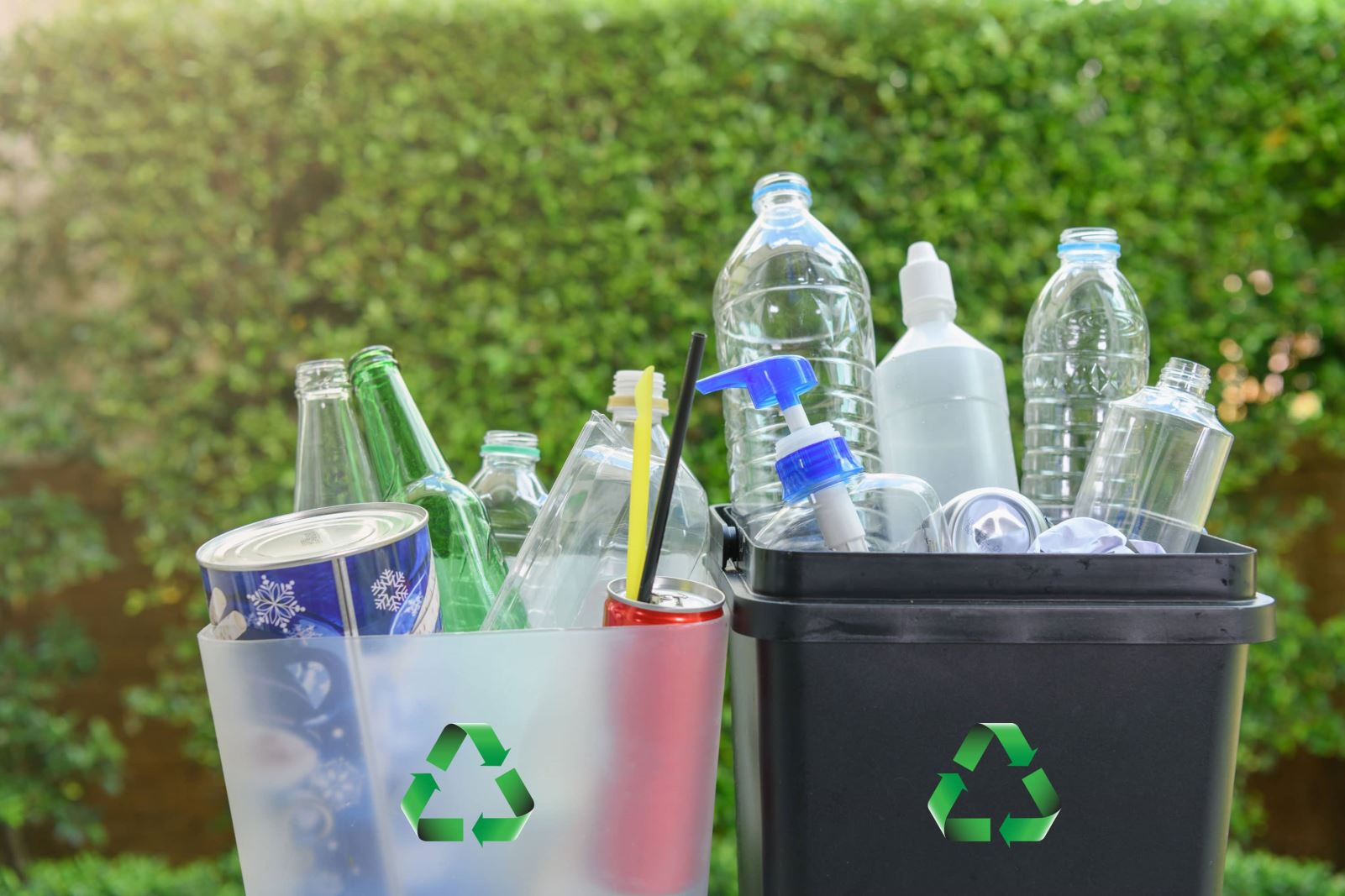
Separating waste at the point of generation makes recycling and treatment much easier. For example, keeping food waste away from plastics prevents contamination. Many cities now use color-coded bins for paper, plastics, organics, and general trash.
3. Safe Collection And Transportation
Non hazardous waste must be collected and transported without leaks, spills, or litter. Trucks and bins should be well maintained. Overfilled bins or open vehicles often cause waste to blow into streets and rivers.
4. Treatment And Disposal
The chosen treatment (recycling, composting, landfill) depends on the waste type and local facilities. Advanced cities aim to send less than 10% of their waste to landfills, focusing on recycling and energy recovery.
Common Methods Of Managing Non Hazardous Waste
Different types of non hazardous waste require different handling and processing. Here are the main methods used globally:
Recycling
Recycling is the process of turning waste materials into new products. Paper, glass, metals, and some plastics are widely recycled. Recycling saves energy and raw materials. For example, recycling one ton of paper saves 17 trees and 7,000 gallons of water.
Composting
Composting breaks down organic waste (food scraps, yard waste) into nutrient-rich soil. This reduces landfill use and creates valuable fertilizer. Some cities collect food waste separately for large-scale composting.
Incineration (energy Recovery)
Burning waste at high temperatures can generate electricity or heat. This method is used for waste that cannot be recycled or composted. Modern incinerators have filters to reduce emissions, but burning is less preferred than recycling or composting.
Landfill Disposal
Landfills are the final stop for waste that cannot be reused or recycled. Modern landfills are designed to prevent leaks and protect groundwater. However, landfill space is limited and decomposition creates methane gas, a strong greenhouse gas.
Waste-to-energy Plants
Some plants use waste as fuel to produce electricity, capturing both energy and reducing landfill volume. This method works best for dry, high-energy waste like paper and plastics.
Strategies For Businesses And Organizations
Businesses generate large amounts of non hazardous waste, especially in offices, shops, and factories. A smart management plan can save money and support sustainability goals.
Conduct A Waste Audit
A waste audit means checking what types of waste are produced, how much, and where. This helps identify areas to reduce, reuse, or recycle more.
Set Clear Goals
Setting targets like “reduce landfill waste by 30% in one year” creates focus and motivation. These goals should be realistic and tracked over time.
Employee Training
People need to know how to sort waste correctly. Regular training and clear signs near bins can reduce mistakes and contamination.
Partner With Recyclers
Working with reliable recycling companies ensures that sorted waste is actually recycled, not just sent to landfill.
Monitor And Report Progress
Regularly checking waste volumes and recycling rates helps spot problems early and celebrate success.
Household Non Hazardous Waste Management
Most non hazardous waste comes from homes. Simple changes can make a big difference.
- Use reusable bags and containers
- Compost kitchen and yard waste
- Buy products with less packaging
- Repair or donate items instead of throwing away
- Learn your city’s recycling rules
One common mistake is “wish-cycling”—putting non-recyclable items in the recycling bin and hoping for the best. This can cause problems at recycling centers.
Challenges In Non Hazardous Waste Management
Even though non hazardous waste is less risky, managing it well is not always easy. Some key challenges include:
- Contamination: Food or liquid in recycling bins can ruin whole batches of recyclables.
- Low public participation: People may not separate waste properly due to confusion or lack of interest.
- Changing material types: New types of packaging (like mixed plastics) are hard to recycle.
- Cost: Transporting and processing waste can be expensive, especially in rural areas.
Here is a quick comparison of recycling rates for non hazardous waste in different regions:
| Region | Recycling Rate (%) | Main Challenge |
|---|---|---|
| Europe | 48 | Plastic packaging |
| USA | 32 | Low participation |
| Asia | 25 | Rapid urbanization |
Legal And Regulatory Aspects
Most countries have rules for non hazardous waste management. These often require:
- Separate collection for recyclables
- Limits on landfill use
- Regular reporting by businesses and cities
- Fines for illegal dumping
For example, the European Union’s Waste Framework Directive sets targets for recycling and encourages waste prevention. Local governments may offer tax breaks or grants for businesses that improve waste management.
Credit: www.sketchbubble.com
Innovations And Future Trends
Non hazardous waste management is changing fast. New technologies and ideas are helping cities and companies handle waste better.
Smart Bins And Sensors
Smart waste bins use sensors to measure how full they are. This allows for more efficient collection routes and reduces overflowing bins.
Circular Economy
This approach focuses on designing products that can be reused, repaired, or recycled easily. It aims to keep materials in use for as long as possible, reducing waste.
Advanced Sorting Facilities
Modern recycling centers use robots and artificial intelligence to sort waste more accurately and quickly than humans.
Digital Tracking
Some companies use barcodes or chips to track waste from the source to the final destination. This ensures transparency and better reporting.
Here is a comparison of traditional vs. modern waste management approaches:
| Feature | Traditional Approach | Modern Approach |
|---|---|---|
| Collection | Fixed routes, no sensors | Smart bins, dynamic routes |
| Sorting | Manual, basic machines | Automated, AI-powered |
| Tracking | Paper records | Digital tracking, apps |
| Final Disposal | Mostly landfill | Focus on recycling, recovery |
Two Non-obvious Insights For Better Non Hazardous Waste Management
- Small mistakes can ruin big efforts. For example, one dirty pizza box in a load of paper recycling can cause the whole batch to be landfilled. Teaching people about “clean recycling” matters more than many realize.
- Recycling markets matter. Even if you separate waste perfectly, local companies must have buyers for recycled materials. Sometimes, recycling is not possible if no one wants to buy the processed material. Keeping up with market trends helps plan better.
Credit: www.collidu.com
How Individuals Can Make A Difference
Every person can help improve non hazardous waste management. Simple choices—like refusing single-use plastics, learning recycling rules, and composting—add up across millions of people. Even small changes in daily habits can reduce waste and protect the environment.
For more in-depth information on waste management practices, you can visit the Wikipedia Waste Management page.
A cleaner world depends on everyone—from government, to businesses, to each person at home—doing their part to manage non hazardous waste wisely.
Frequently Asked Questions
What Is The Main Difference Between Hazardous And Non Hazardous Waste?
Hazardous waste contains dangerous chemicals or materials that can harm people or the environment (like batteries, pesticides, or toxic cleaners). Non hazardous waste includes items like paper, food scraps, and plastics, which are not dangerous under normal conditions.
How Can I Reduce Non Hazardous Waste At Home?
You can:
- Use reusable shopping bags and containers
- Compost your food and yard waste
- Buy products with less packaging
- Recycle according to your city’s rules
- Donate or repair items instead of throwing them away
Can All Non Hazardous Waste Be Recycled?
No. Not every type of non hazardous waste is recyclable. Some plastics, ceramics, and certain types of packaging may not be accepted by your local recycling program. Always check local guidelines before recycling.
What Are The Environmental Impacts Of Poor Non Hazardous Waste Management?
Improper management can cause land, air, and water pollution. Overflowing landfills produce methane gas, and litter can harm wildlife. Wasted materials also mean lost resources and higher costs for cities.
What Is The “waste Hierarchy,” And Why Is It Important?
The waste hierarchy ranks waste management options by environmental impact: reduce, reuse, recycle, recover, and dispose. It helps guide decisions to minimize waste and use resources more efficiently.
Non hazardous waste management is everyone’s responsibility. With careful planning, education, and new technology, we can reduce our waste and protect our planet for future generations.
Credit: www.eaglewaste.com.pk