Last Updated on September 24, 2026
Every day, cities and industries generate millions of tons of waste. Traditional landfills fill up quickly, pollute the environment, and often waste valuable resources. As populations grow, the need for innovative waste management solutions becomes more urgent. Today, leaders, scientists, and businesses are rethinking the way we handle waste. They aim to protect the planet, save money, and create new business opportunities. In this article, we will explore the most advanced strategies, technologies, and real-world examples that are transforming waste into valuable resources.
What Is Innovative Waste Management?
Innovative waste management is more than just collecting trash. It is about using new ideas, smart technology, and better policies to reduce, reuse, and recycle waste. These solutions often focus on:
- Reducing waste at the source
- Recovering materials and energy
- Creating circular systems where nothing is wasted
This approach benefits both the environment and the economy. For example, cities that recycle more can spend less on landfills and even sell recovered materials.
Smart Waste Collection And Sorting
Cities are using technology to make waste collection smarter and more efficient. Sensors inside trash bins can detect how full they are. Trucks only visit bins that need emptying, saving fuel and time. Some cities use smart maps to plan the shortest collection routes.
This reduces traffic and air pollution.
Advanced sorting machines use artificial intelligence (AI) and cameras to recognize different materials, such as plastic, metal, and paper. These machines sort materials more accurately than humans. With better sorting, recycling rates can increase dramatically. For example, a facility in the Netherlands uses robots to sort 99% of incoming recyclables correctly.
Zero Waste Cities
A zero waste city aims to send as little waste as possible to landfills or incinerators. Instead, everything is reused, recycled, or composted. San Francisco is one of the world leaders. The city diverts about 80% of its waste from landfills, mainly through strict recycling programs, composting, and strong laws.
Key strategies include:
- Mandatory recycling and composting for homes and businesses
- Education campaigns to teach residents how to sort waste
- Partnerships with local businesses to reduce packaging and food waste
Zero waste cities show that with the right policies and public support, it is possible to manage waste sustainably on a large scale.
Circular Economy: Turning Waste Into Resources
The circular economy is a system where products and materials are reused, repaired, or recycled instead of being thrown away. This idea changes how companies design products and how people use them.
For example, some electronics brands now offer take-back programs. Old phones and computers are collected, valuable metals are recovered, and parts are reused. In the fashion industry, several brands recycle old clothes to make new fabrics. This reduces both waste and the need for raw materials.
A circular economy can also create new jobs and save resources. According to the Ellen MacArthur Foundation, moving to a circular economy could save businesses up to $630 billion per year in Europe alone.

Credit: invrecovery.org
Waste-to-energy Solutions
Not all waste can be recycled. Some cities and industries use waste-to-energy (WTE) plants to turn trash into electricity or heat. Modern WTE plants are much cleaner than old incinerators. They use filters and scrubbers to remove harmful gases.
Benefits of waste-to-energy:
- Reduces landfill use
- Produces renewable energy
- Cuts greenhouse gas emissions
For example, Sweden recycles about 50% of its waste and uses WTE plants to handle most of the rest. The country even imports waste from neighbors to keep its plants running.
However, it is important to sort out recyclables and organics first. Burning these materials wastes resources and can pollute the air. The best WTE systems are part of a larger, integrated waste management plan.
Composting And Organic Waste Management
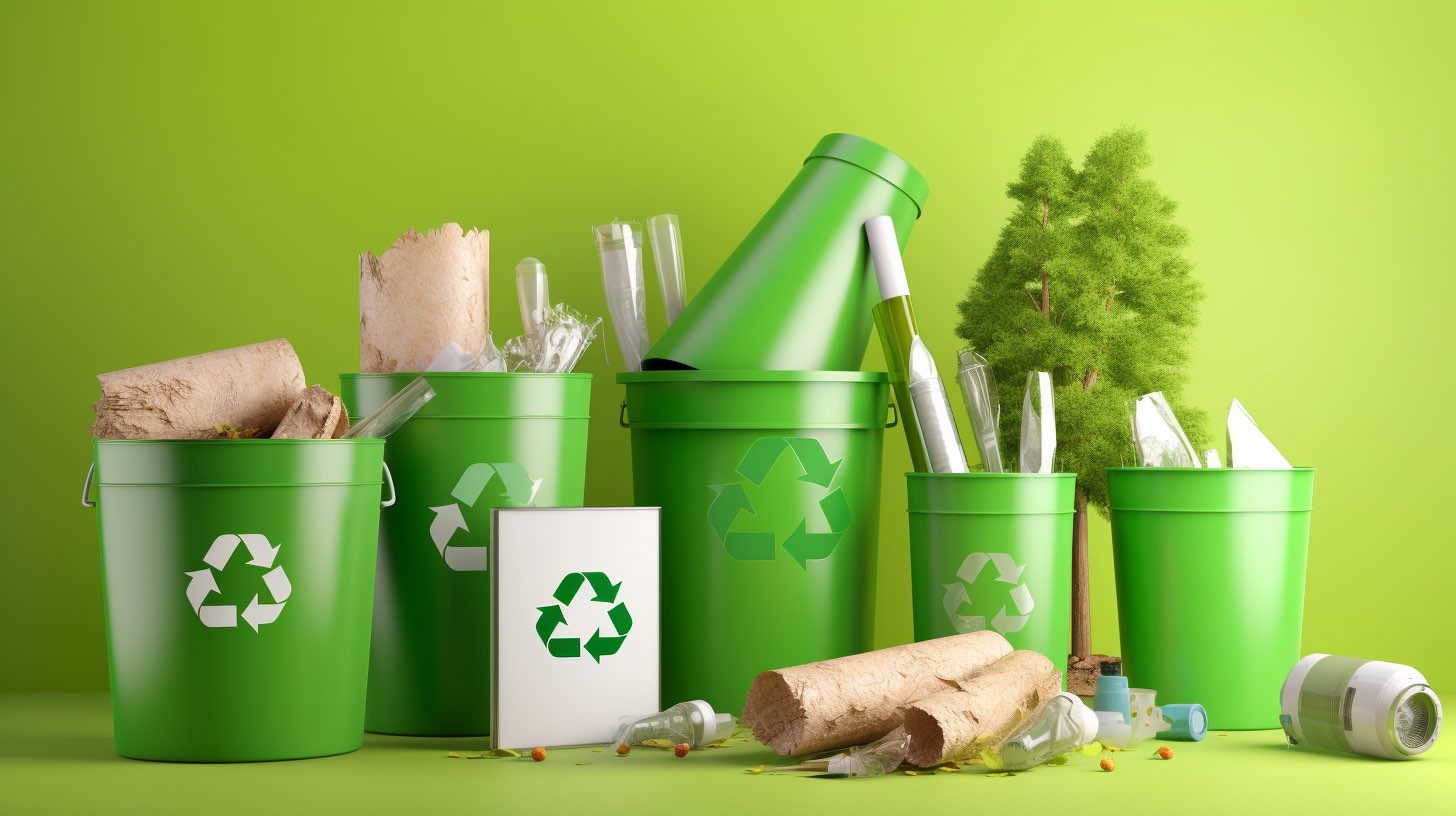
Composting is the natural process of turning food scraps, yard waste, and other organics into nutrient-rich soil. This method is simple but powerful. It reduces methane emissions from landfills and improves soil health.
Cities like Seattle and Milan collect food and yard waste separately. Residents put organics into special bins, which are picked up and taken to composting facilities. The finished compost is used in parks, gardens, and farms.
There are also innovative methods like anaerobic digestion. This process uses bacteria to break down organic waste in the absence of oxygen, producing biogas and fertilizer. Biogas can be used for heat, electricity, or even as vehicle fuel.
Credit: learningforyouth.com
Plastic Waste Innovations
Plastic waste is one of the toughest challenges in waste management. It pollutes oceans, harms wildlife, and takes hundreds of years to break down. Innovative solutions focus on both reducing plastic use and improving recycling.
Some key developments:
- Biodegradable plastics made from plants instead of oil
- Chemical recycling that breaks plastics down to their building blocks for reuse
- Deposit return systems for bottles, which boost recycling rates
For example, Germany’s bottle deposit system has pushed plastic bottle recycling above 98%. Another innovation is using plastic waste to make building materials, like bricks and roads.
E-waste Management
Electronic waste (e-waste) contains valuable metals like gold, silver, and copper, as well as toxic chemicals. Proper e-waste management protects both people and the environment.
Modern recycling centers use advanced shredders and chemical processes to recover metals safely. Some companies have “urban mining” programs, extracting more gold from used electronics than from raw ore.
Countries like Japan have strict laws for e-waste. Consumers must return old electronics, and manufacturers are responsible for recycling them. In the US, programs like E-Stewards certify recyclers that meet high environmental standards.
Industrial Waste Solutions
Industries generate large amounts of hazardous and non-hazardous waste. Innovative solutions focus on reducing waste at the source and finding new uses for industrial by-products.
One example is industrial symbiosis. In this system, the waste from one factory becomes the raw material for another. The city of Kalundborg, Denmark, is famous for this approach. Factories share water, steam, and by-products, saving money and reducing waste.
Another solution is closed-loop manufacturing. Companies design processes so that leftovers are fed back into production, minimizing waste. For instance, some steel plants now recycle almost all their slag and dust.
Data Table: Comparing Waste Treatment Methods
Here is a simple comparison of common waste treatment methods:
| Method | Resource Recovery | Environmental Impact | Cost |
|---|---|---|---|
| Landfill | Low | High (methane, leachate) | Low initial, high long-term |
| Incineration | Medium (energy) | Medium (emissions) | High |
| Recycling | High | Low | Medium |
| Composting | High (soil) | Low | Low to medium |
| Waste-to-Energy | Medium (electricity) | Medium | High |
Digital Tools And Data Analytics
Modern waste management uses digital tools to track, analyze, and improve waste systems. Sensors, GPS, and cloud software help operators see where waste comes from and how it moves.
Benefits include:
- Optimized collection routes
- Better recycling rates
- Real-time alerts for bin overflows or illegal dumping
Some cities use data dashboards to share progress with the public. This transparency builds trust and helps citizens participate more actively.
Community Engagement And Education
No system works without people. Community engagement is key to changing habits and making new systems succeed. Many cities run education programs in schools and neighborhoods. They offer:
- Sorting guides and workshops
- Incentives for recycling or composting
- Public events to reduce litter
One non-obvious insight: Programs succeed when they fit local culture and needs. For example, some cities offer rewards for recycling, while others focus on strong rules and fines. The right mix depends on the community.
Innovations In Landfill Management
While new solutions reduce the need for landfills, existing ones are not going away soon. Modern landfills use liners, gas collection pipes, and monitoring systems to reduce pollution.
Some landfills now capture methane gas and turn it into energy. This reduces greenhouse gases and provides power for nearby homes. There are also new techniques to mine old landfills for metals and plastics, turning forgotten waste into resources.
Policy And Regulation
Strong laws and clear policies are essential for innovation. Many countries use:
- Extended producer responsibility rules, making companies take back used products
- Landfill bans for recyclables and organics
- Deposit schemes for bottles and cans
For example, the European Union requires members to recycle at least 50% of municipal waste. This pushes cities and companies to invest in better systems and technology.
Credit: medium.com
Table: Countries Leading In Waste Management Innovation
See which nations are setting the standard:
| Country | Recycling Rate (%) | Notable Innovation |
|---|---|---|
| Germany | 66 | Bottle deposit system |
| Sweden | 50 | Waste-to-energy plants |
| South Korea | 59 | Food waste recycling |
| Japan | 50 | Strict sorting rules |
| San Francisco (USA) | 80 | Zero waste policy |
Non-obvious Insights For Beginners
- Source separation matters more than you think. Sorting waste correctly at home or work is the most important step for high recycling rates. Even the best technology cannot fix a badly mixed waste stream.
- Waste can be a resource. Many beginners see waste as a problem to get rid of. In a circular economy, waste is a potential raw material for new products, energy, or soil. This mindset shift is at the heart of innovation.
Challenges And The Road Ahead
Innovative waste management faces some real challenges. Funding new infrastructure can be expensive at first. Changing habits takes time and effort. Some solutions, like new plastics or sorting robots, are still developing.
Yet the benefits are clear. Cleaner cities, lower costs, new jobs, and a healthier planet are possible when innovation and smart policy work together. The pace of change is increasing, and every community can take steps forward.
For those interested in a deeper look at global waste trends, check out the Wikipedia Waste Management page.
Frequently Asked Questions
What Is The Most Effective Waste Management Method?
There is no single best method. The most effective systems use a mix of reduction, recycling, composting, and energy recovery. Landfills should be the last option.
How Can Individuals Help With Innovative Waste Management?
People can help by sorting waste at home, reducing single-use items, composting food scraps, and supporting local recycling and reuse programs.
Are Waste-to-energy Plants Safe For The Environment?
Modern plants are much cleaner than old incinerators. They use filters to cut emissions. However, it is still better to recycle and compost first before using waste-to-energy.
What Happens To Electronic Waste If Not Recycled Properly?
Improper e-waste disposal can release toxic chemicals into soil and water. Proper recycling recovers valuable metals and keeps harmful substances out of the environment.
Why Do Some Countries Recycle More Than Others?
High recycling rates often depend on strong laws, good public education, and convenient collection systems. Cultural attitudes and available technology also play a big role.
Innovative waste management is not just about technology; it’s about smart design, responsible policies, and community action. Every step toward better waste management helps create a cleaner, more sustainable future for all.