
Last Updated on September 26, 2026
Eco Waste Management: How Smart Solutions Shape A Cleaner World
Every day, millions of tons of waste are produced by homes, businesses, and factories. If not handled properly, this waste can harm the earth, pollute water, and create health risks. That’s why eco waste management is now more important than ever. Managing waste in an eco-friendly way helps protect nature, saves resources, and even creates new jobs. But eco waste management is more than just recycling—it’s a complete system that starts with how we use products and ends with how we reuse or return them to the environment.
This article will guide you through what eco waste management really means, why it matters, and how smart actions—big and small—can make a huge difference. You’ll learn about practical strategies, new technology, and simple habits that can help your community and the planet.
Whether you’re a student, business owner, or just curious, you’ll find ideas and answers here that go beyond common advice.
What Is Eco Waste Management?
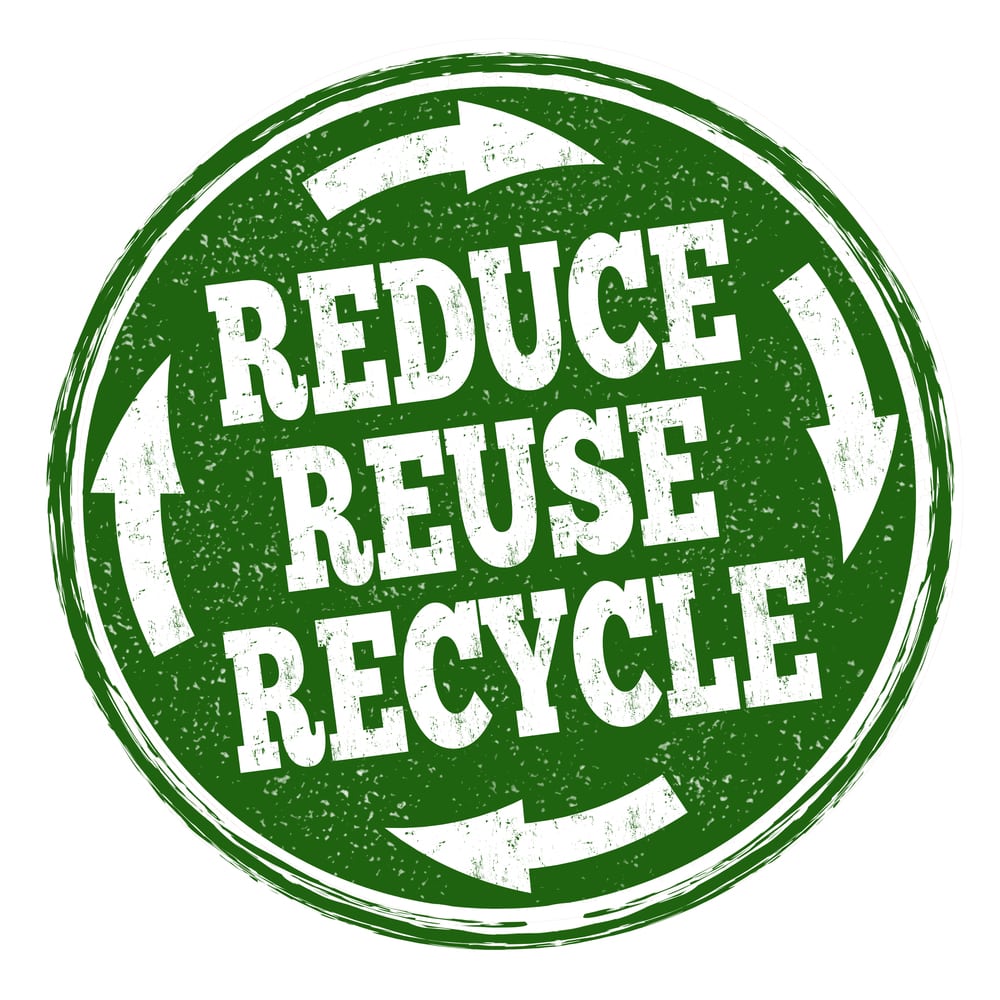
Eco waste management is a way of handling waste that puts the environment first. Instead of just throwing things away, it focuses on reducing the amount of waste, reusing items, and recycling materials. The goal is to create as little pollution as possible and keep natural resources safe for future generations.
This approach asks everyone—governments, companies, and individuals—to think about the impact of their waste. It covers many steps, from choosing products with less packaging to using advanced machines that turn trash into clean energy.
Key Principles
Eco waste management is built on a few important ideas:
- Reduce: Use fewer resources and create less waste.
- Reuse: Find new uses for items instead of throwing them away.
- Recycle: Change old materials into new products.
- Recover: Turn waste into energy or other useful things.
- Dispose: Safely get rid of waste that cannot be used again.
Many people call this the waste hierarchy. It helps guide smart decisions every step of the way.
Why Is Eco Waste Management Important?
The world is facing a growing waste crisis. According to the World Bank, people made over 2 billion tons of solid waste in 2020. By 2050, this number could reach 3. 4 billion tons each year. Most of this waste ends up in landfills or is burned, which can pollute air and water, and add to climate change.
Eco waste management helps solve these problems in several ways:
- Reduces pollution: Less trash in landfills means cleaner air, water, and soil.
- Saves resources: Recycling uses less energy and raw material than making things from scratch.
- Protects health: Safe waste handling prevents diseases and accidents.
- Supports the economy: Recycling and composting create jobs and new business opportunities.
Many countries, like Germany and South Korea, have cut landfill use by over 60% using eco-friendly methods. This shows that smart waste management really works.
Credit: www.kcdumpster.com
Main Types Of Eco Waste Management
Eco waste management includes several systems and technologies. Here’s a look at the most common methods:
Recycling
Recycling is turning old materials into new products. Paper, glass, metal, and certain plastics can be recycled many times. For example, recycling aluminum cans saves up to 95% of the energy needed to make new cans from raw materials.
Composting
Composting uses natural processes to turn food scraps and yard waste into nutrient-rich soil. This keeps organic waste out of landfills and helps gardens grow. It’s especially useful for homes, restaurants, and farms.
Waste-to-energy
In this system, waste that cannot be recycled or composted is burned in special plants to make electricity or heat. Modern waste-to-energy plants control pollution and use advanced filters to keep the air clean.
Reuse And Upcycling
Reusing means finding new life for old items. For example, using glass jars for storage, or repairing broken electronics. Upcycling takes this further—turning waste materials into creative, higher-value products, like making bags from old banners.
Safe Landfilling
Some waste cannot be recycled or burned safely. Safe landfilling means using special designs to prevent leaks into the ground and collect harmful gases. This is the last choice when all other options are not possible.
Eco Waste Management At Home
Everyone can help the environment by managing waste better at home. Here are simple ways to get started:
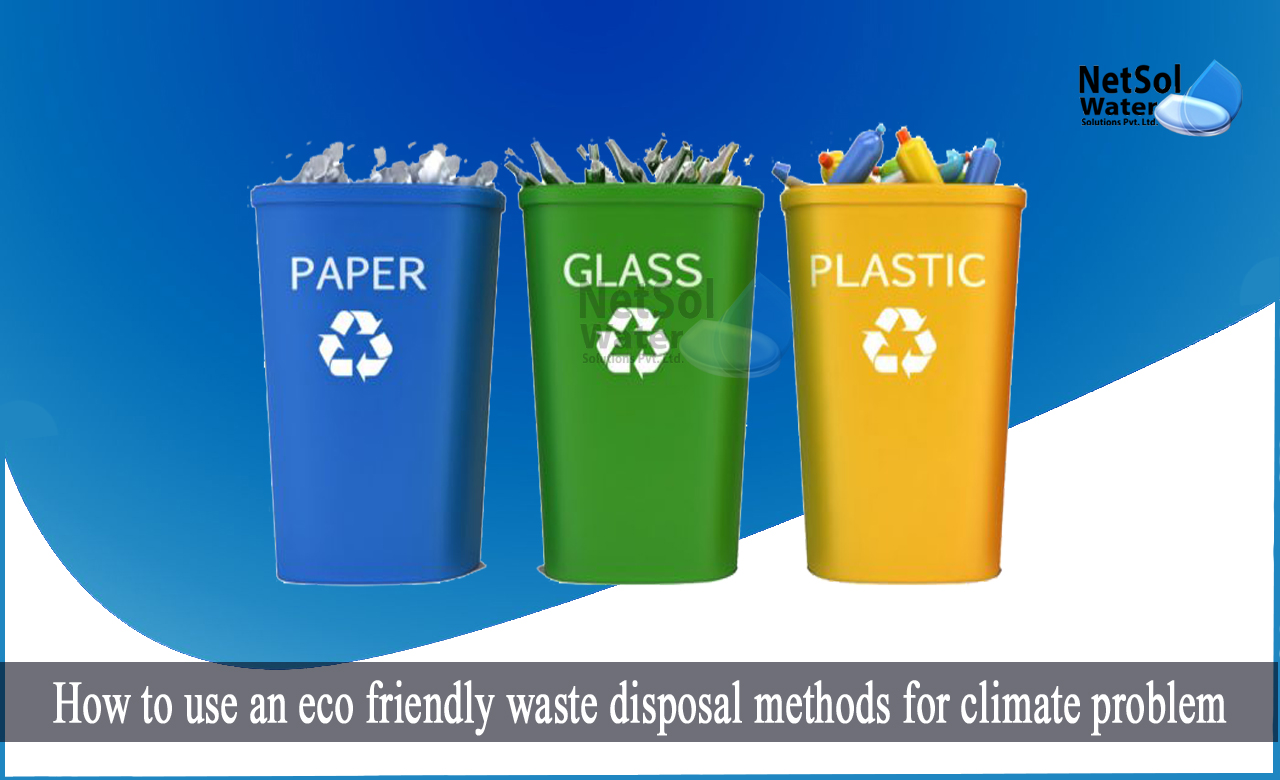
- Sort your waste: Keep recyclables (paper, glass, plastic, metal) separate from regular trash.
- Compost food scraps: Vegetable peels, coffee grounds, and eggshells are great for compost.
- Buy less packaging: Choose products with less plastic or use refillable containers.
- Repair and reuse: Fix broken items instead of throwing them away.
- Donate or sell: Give old clothes, furniture, or electronics to others who need them.
It’s important to know that not all plastics are recyclable. Check local rules and symbols on packaging. Also, rinsing containers before recycling makes the process smoother and cleaner.
Credit: www.netsolwater.com
Community And Business Solutions
Cities and businesses can make a big impact with eco waste management. Here are some actions they use:
Community Programs
- Curbside recycling: Many cities collect recyclables right from your door.
- Drop-off centers: These places take electronics, batteries, and other special waste.
- Education campaigns: Teaching people about sorting and reducing waste.
Business Innovations
- Zero waste goals: Companies like IKEA and Google aim to send no waste to landfills.
- Product redesign: Brands use fewer materials and design for easier recycling.
- Take-back programs: Electronics companies collect old devices for safe recycling.
One non-obvious tip: Many businesses save money by reducing waste, not just the environment. For example, restaurants that compost and recycle can lower trash bills and attract eco-friendly customers.
How Technology Is Changing Waste Management
Technology is making eco waste management smarter and more efficient. Here are some key advances:
Smart Bins
These are waste bins with sensors that tell workers when they are full. This means fewer collection trips, less fuel, and cleaner streets.
Ai Sorting
Modern recycling plants use artificial intelligence and robots to sort waste faster and more accurately. This increases recycling rates and keeps dangerous items out of the wrong bins.
Waste Tracking Apps
Some cities and companies now use apps to track how much waste is made and recycled. This helps find ways to improve and rewards people who do well.
Bio-technology
New bacteria and enzymes can break down plastics and other tough materials. This could solve big problems in the future, like ocean plastic waste.
Below is a comparison of how traditional waste management and eco waste management differ:
| Aspect | Traditional Waste Management | Eco Waste Management |
|---|---|---|
| Focus | Disposal | Prevention, reduction, recycling |
| Impact on Environment | High pollution | Low pollution |
| Resource Use | Wasteful | Resource-saving |
| Community Involvement | Low | High |
Key Challenges In Eco Waste Management
Switching to eco waste management is not always easy. Some common challenges include:
- Lack of education: Many people do not know what can or cannot be recycled.
- Cost: New technology and separate collection can be expensive at first.
- Market for recyclables: Sometimes, there is no buyer for recycled materials, so they end up in landfills.
- Illegal dumping: In some places, waste is dumped in nature to avoid fees or rules.
A non-obvious challenge: Even “green” products can create waste if not used properly. For example, compostable plastics need special facilities—if thrown in regular trash, they don’t break down as promised.
Benefits Of Eco Waste Management
While there are challenges, the benefits are much greater when eco waste management is done right.
- Cleaner neighborhoods: Less litter and illegal dumping.
- Lower greenhouse gases: Reduces methane from landfills and cuts carbon emissions.
- More jobs: Recycling and composting employ more people than landfilling or burning trash.
- Better public health: Reduces pests and disease linked to waste.
Here’s a simple table showing jobs created by different waste methods:
| Waste Method | Jobs per 10,000 Tons of Waste |
|---|---|
| Landfilling | 1 |
| Incineration | 3 |
| Recycling | 6-10 |
| Composting | 4 |

Credit: www.ecostan.com
Global Success Stories
Different countries have shown how eco waste management can succeed. For example:
- Germany: Recycles nearly 66% of its waste, thanks to strict laws and strong public education.
- South Korea: Uses a “pay as you throw” system, where people pay for the waste they make. This has cut food waste by over 30%.
- Sweden: Turns over 50% of household waste into energy, heating homes in winter.
These countries prove that with the right policies and community support, eco waste management is possible at a large scale.
How You Can Make A Difference
You don’t need to wait for governments or big companies to start. Here’s how you can help right now:
- Learn local rules: Know what can be recycled or composted in your area.
- Start small: Even sorting waste or using a reusable bag makes a difference.
- Support green businesses: Buy from companies that use eco-friendly packaging.
- Share with others: Teach your family and friends why waste management matters.
One tip that’s often overlooked: Choose products made from recycled materials. This closes the recycling loop and builds demand for eco-friendly goods.
Frequently Asked Questions
What Is The Difference Between Waste Management And Eco Waste Management?
Traditional waste management focuses on collecting and disposing of trash, mainly in landfills or by burning. Eco waste management goes further by reducing waste, recycling, composting, and recovering resources to protect the environment.
Can All Plastics Be Recycled?
No, not all plastics are recyclable. Only certain types, like PET and HDPE, are commonly accepted. Check local recycling rules and look for recycling symbols on packaging.
How Does Composting Help The Environment?
Composting turns food and garden waste into nutrient-rich soil, which reduces landfill use and cuts methane emissions. It also improves soil health for gardening and farming.
What Are Some Examples Of Waste-to-energy?
Waste-to-energy plants burn non-recyclable waste to create electricity and heat. For example, Sweden uses this system to heat homes, especially during cold winters.
Where Can I Learn More About Eco Waste Management?
A reliable resource is the Wikipedia page on waste management, which covers methods, global statistics, and new trends.
Eco waste management isn’t just a trend—it’s a movement shaping a cleaner, smarter future. By making better choices today, everyone can be part of the solution for a healthier planet tomorrow.