
Last Updated on June 15, 2026
If you’ve noticed your cat scratching more than usual or see tiny, fast-moving bugs on their fur, fleas might be the culprit. These tiny pests can cause your furry friend a lot of discomfort and even lead to health problems if left unchecked.
You want your cat to be happy and healthy, right? Understanding how to spot fleas, why they’re so hard to get rid of, and what you can do to protect your pet is crucial. Keep reading to discover simple, effective ways to tackle fleas on cats and keep your home flea-free.
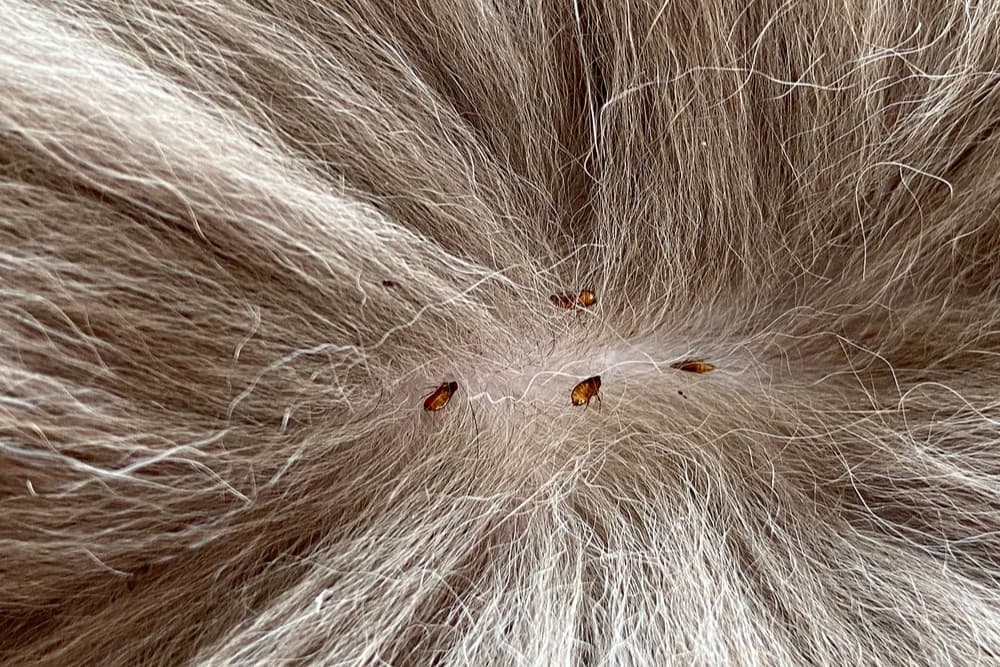
Credit: www.greatpetcare.com
Signs Of Fleas On Cats
Fleas on cats cause many problems. Spotting fleas early helps stop serious issues. Cats cannot tell us they have fleas. Owners must watch for clear signs. Knowing what to look for keeps your cat safe and happy.
Common Symptoms
Fleas make cats scratch a lot. You may see red bumps on their skin. Hair loss often happens in small patches. Cats may have scabs or sores. These signs show fleas are biting the skin.
Behavioral Changes
A cat with fleas may act restless. They may scratch or bite themselves more. Some cats groom themselves too much. Your cat might seem less playful or tired. These changes hint at flea discomfort.
Flea Dirt And Eggs
Flea dirt looks like small black specks. It is flea poop mixed with blood. You can find it on your cat’s fur. Flea eggs are tiny and white. They often stick to the fur near the skin.
How Cats Get Fleas
Cats can get fleas in many ways. These tiny pests jump onto your cat’s fur. They feed on blood and cause discomfort. Understanding how cats get fleas helps prevent infestations. Learn about the flea life cycle, sources of infestation, and seasonal risks below.
Flea Life Cycle
Fleas go through four stages: egg, larva, pupa, and adult. Eggs fall off the cat onto carpets and bedding. Larvae hatch and feed on organic debris. Pupae stay hidden until they sense a host nearby. Adult fleas jump onto your cat to feed and lay eggs. This cycle can repeat every few weeks.
Sources Of Infestation
Fleas often come from other animals. Stray cats, dogs, and wildlife carry fleas easily. Your cat picks up fleas during outdoor visits. Fleas can also live in your home environment. Carpets, furniture, and pet bedding often harbor flea eggs and larvae.
Seasonal Risks
Fleas thrive in warm, humid weather. Spring and summer bring higher flea activity. Fleas can survive indoors all year round. Heating in homes keeps fleas active in winter. Watch for fleas any time of the year. Preventative care helps keep your cat safe.
Effective Flea Prevention
Flea prevention is key to keeping your cat healthy and comfortable. Fleas cause itching, skin problems, and can spread diseases. Preventing fleas stops infestations before they start. Several effective options exist to protect your cat all year.
Topical Treatments
Topical treatments are liquids applied to your cat’s skin. Usually placed between the shoulder blades. These treatments kill fleas quickly and prevent new ones from growing. Most work for a month with one application. Easy to use and water-resistant after drying. Choose products made specifically for cats. Follow instructions carefully to keep your cat safe.
Oral Medications
Oral medications come as pills or chewables. They work by killing fleas when your cat bites or swallows them. Some start working within hours. Many protect for 30 days or longer. Oral meds are good for cats that dislike topical applications. Always get a vet’s advice before giving pills. Proper dosage depends on your cat’s weight and health.
Collars And Sprays
Flea collars release chemicals that repel or kill fleas. They offer long-lasting protection, often up to eight months. Collars are convenient for cats who dislike liquids or pills. Sprays are another option to apply directly on your cat’s fur. They kill fleas on contact and prevent new ones. Use sprays carefully and avoid the cat’s eyes and mouth. Both collars and sprays work best combined with other treatments.
Home Remedies And Natural Options
Home remedies and natural options offer gentle ways to treat fleas on cats. Many pet owners want safe choices without harsh chemicals. These methods help control fleas while keeping your cat healthy.
Natural treatments can work well alongside regular flea prevention. They focus on reducing fleas on your cat and in your home environment.
Essential Oils To Avoid
Some essential oils are harmful to cats. Oils like tea tree, eucalyptus, and peppermint can cause serious health problems. Cats cannot process these oils well, leading to poisoning. Avoid using essential oils directly on your cat or in areas they frequent.
Always check if an oil is safe before using it near your pet. Using the wrong oil can be dangerous, even in small amounts.
Safe Natural Alternatives
Natural options like apple cider vinegar and lemon sprays can repel fleas. These are mild and less likely to irritate your cat’s skin. You can gently wipe your cat’s fur with diluted vinegar to help keep fleas away.
Another option is diatomaceous earth, a fine powder that kills fleas by drying them out. Use food-grade diatomaceous earth and apply it carefully to your cat’s bedding and favorite spots. Avoid putting it directly on your cat’s skin.
Environmental Control
Fleas live in carpets, bedding, and furniture. Cleaning these areas reduces flea numbers. Wash your cat’s bedding often in hot water. Vacuum floors and upholstery regularly to remove flea eggs and larvae.
Use natural sprays or powders in your home to keep fleas from coming back. Good ventilation and sunlight also help control fleas indoors.
Flea Treatment Steps
Dealing with fleas on your cat requires a careful, step-by-step approach. Treating fleas involves more than just applying medication. You need to clean your cat and your home to stop fleas from coming back. Follow these flea treatment steps to help your cat feel better fast.
Bathing Your Cat
Start by giving your cat a bath using a flea shampoo made for cats. Wet your cat’s fur with warm water. Apply the shampoo and work it into a lather. Be gentle and avoid the eyes and ears. Leave the shampoo on for a few minutes to kill fleas. Rinse well with warm water. Dry your cat with a towel. Bathing helps remove fleas and soothes itchy skin.
Using Flea Combs
Use a flea comb to catch fleas and eggs from your cat’s fur. Comb your cat’s fur slowly, paying close attention to the neck and tail areas. Dip the comb in soapy water after each pass. This will trap fleas and prevent them from escaping. Flea combs remove fleas without chemicals. Repeat daily until no more fleas appear.
Cleaning Your Home
Fleas live in your home as well as on your cat. Vacuum carpets, rugs, and furniture thoroughly. Throw away the vacuum bag or clean the canister after. Wash your cat’s bedding and blankets in hot water. Clean floors and baseboards with a flea spray made for homes. This stops flea eggs and larvae from growing. Repeat cleaning often during treatment.
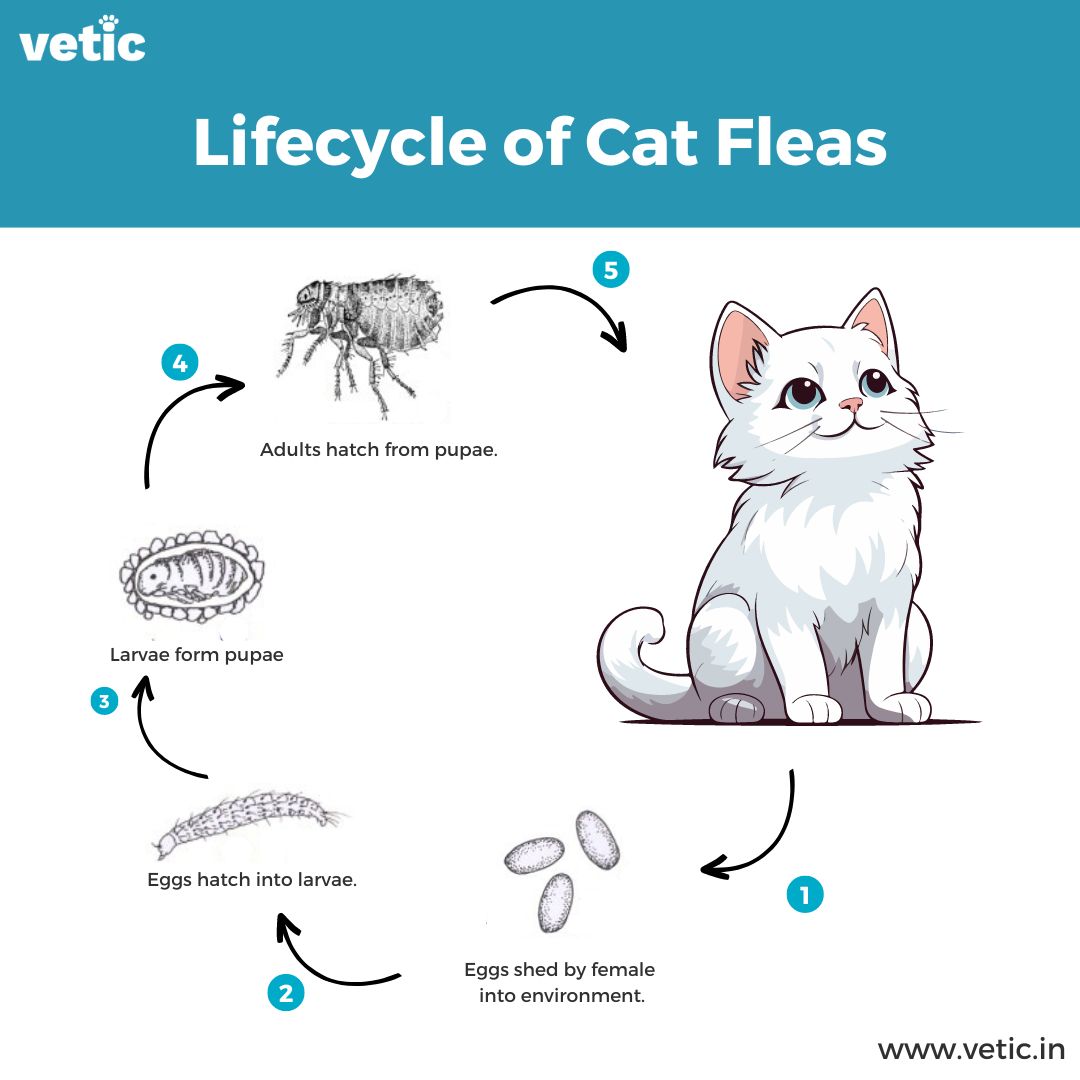
Credit: vetic.in
Preventing Flea Infestations Indoors
Preventing flea infestations indoors is key to keeping your cat healthy and comfortable. Fleas can quickly multiply and spread throughout your home. Taking simple steps can stop fleas before they become a big problem. Focus on cleaning and controlling where your cat goes to reduce flea risks.
Vacuuming And Cleaning
Vacuum floors, carpets, and furniture regularly. Flea eggs and larvae hide in these places. Use a vacuum with strong suction to remove them effectively. Empty the vacuum bag or canister outside your home after each use. Clean under furniture and along baseboards where fleas may hide.
Washing Bedding
Wash your cat’s bedding often in hot water. Fleas and their eggs cannot survive high temperatures. Change and clean blankets, cushions, and other resting spots weekly. Keeping bedding fresh lowers the chance of fleas returning to your cat.
Managing Outdoor Access
Limit your cat’s outdoor time to reduce flea exposure. Fleas often come from grassy or shaded outdoor areas. Create a safe indoor environment with toys and scratching posts. If your cat goes outside, check for fleas and treat regularly to prevent infestation.
When To See A Vet
Knowing when to see a vet is crucial if your cat has fleas. Fleas cause discomfort and can lead to bigger health problems. Early vet visits can protect your cat from serious issues. Watch for signs that your cat needs professional care.
Severe Infestations
Severe flea infestations need immediate vet attention. Large numbers of fleas cause intense itching and skin damage. Your cat may become weak and lose weight. Fleas can lead to anemia, especially in kittens or older cats. A vet can provide safe treatments to clear heavy infestations quickly.
Allergic Reactions
Some cats are allergic to flea bites. Allergic reactions cause red, swollen, and itchy skin. Your cat may scratch or bite itself nonstop. Hair loss and scabs often appear on the body. Vets can prescribe medication to reduce allergic symptoms and prevent infection.
Secondary Infections
Flea bites can cause wounds that become infected. Infections make the skin sore, hot, and painful. Pus or discharge may form around the bites. Untreated infections can spread and harm your cat’s health. A vet can diagnose and treat these infections properly with antibiotics.
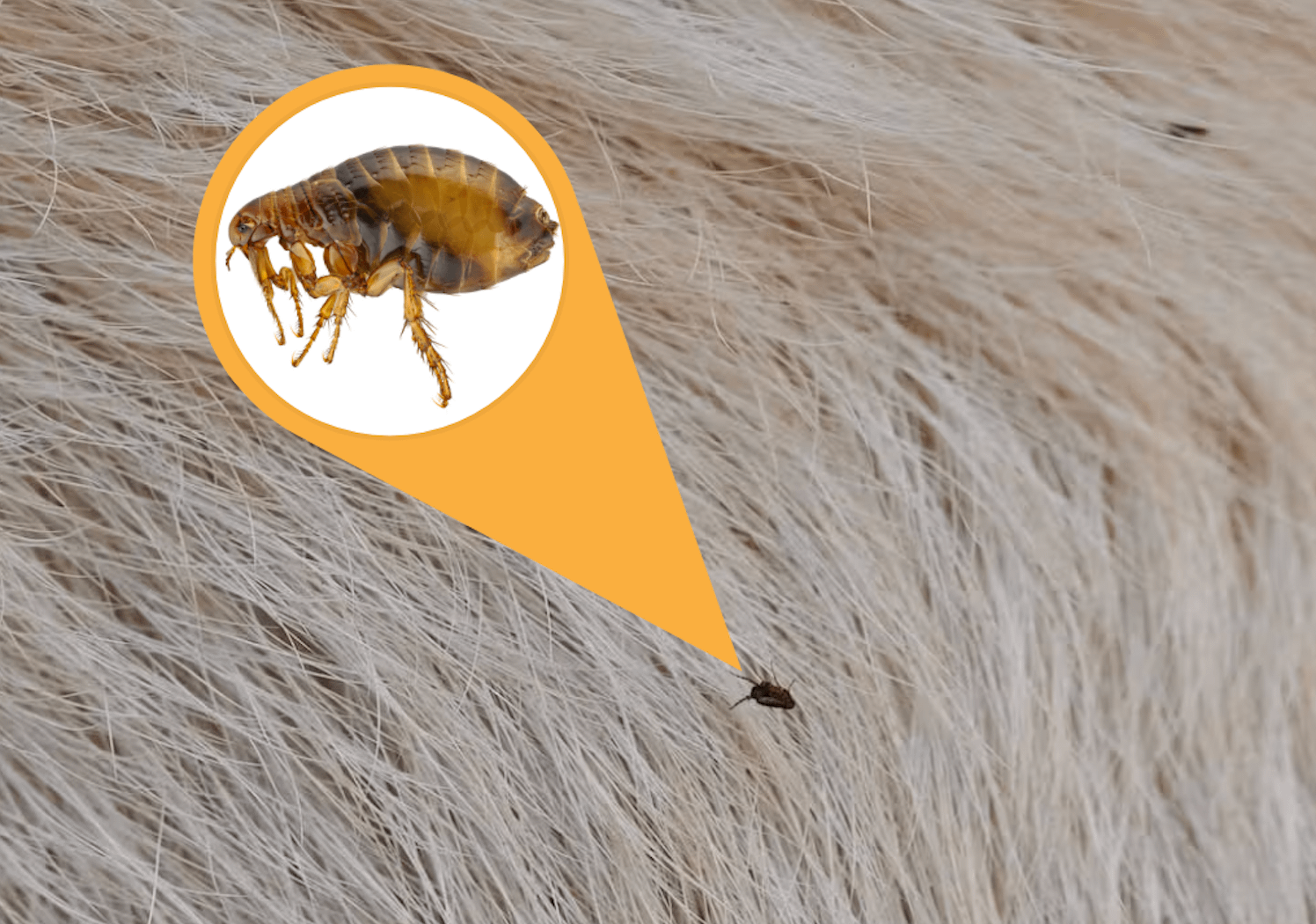
Credit: www.whisker.com
Frequently Asked Questions
What Are Common Signs Of Fleas On Cats?
Common signs include itching, scratching, hair loss, and red bumps. Fleas may also cause black specks, flea dirt, on your cat’s skin or fur.
How Do Fleas Affect A Cat’s Health?
Fleas can cause severe itching, allergic reactions, and skin infections. They may also transmit tapeworms and cause anemia in extreme cases.
What Is The Best Flea Treatment For Cats?
Topical flea treatments like spot-on drops and oral medications are effective. Always consult your vet for the safest and most suitable option.
Can Fleas On Cats Spread To Humans?
Yes, fleas can bite humans, causing itching and irritation. However, they prefer animal hosts and don’t live long on people.
Conclusion
Fleas on cats cause itching and discomfort. Treat your cat quickly to stop fleas spreading. Use vet-approved flea treatments and comb your cat often. Keep your home clean to prevent fleas from returning. Watch your cat’s behavior for signs of fleas.
Early action protects your cat’s health and happiness. Stay alert to keep fleas away all year. Caring for your cat means caring for their comfort. Simple steps help keep fleas far from your pet.