
Last Updated on June 10, 2026
Are you tired of seeing your cat scratch and itch because of fleas? Giving your furry friend a bath might seem like the obvious solution, but what if your cat hates water or gets stressed easily?
You don’t have to struggle with messy baths to get rid of those pesky fleas. You’ll discover simple and effective ways to keep your cat flea-free without ever stepping near the tub. Keep reading—your cat’s comfort and happiness depend on it!
Credit: www.thedodo.com
Identify Flea Infestation
Knowing how to identify a flea infestation on your cat is the first step to solving the problem. Fleas cause itching and discomfort. They can also lead to skin infections or allergies. Catching fleas early helps prevent these issues and keeps your cat healthy.
Recognizing the signs and checking your cat carefully will guide you toward the right treatment. This section explains what to look for and how to inspect your cat for fleas without bathing.
Signs Of Fleas On Cats
Fleas cause your cat to scratch and bite its fur often. You might see red or irritated skin, especially around the neck and tail. Small black dots, called flea dirt, may appear on the fur. Flea dirt looks like tiny pepper grains and is flea feces. If you notice hair loss or scabs, fleas could be the cause. Your cat may also seem restless or uncomfortable.
Checking Your Cat For Fleas
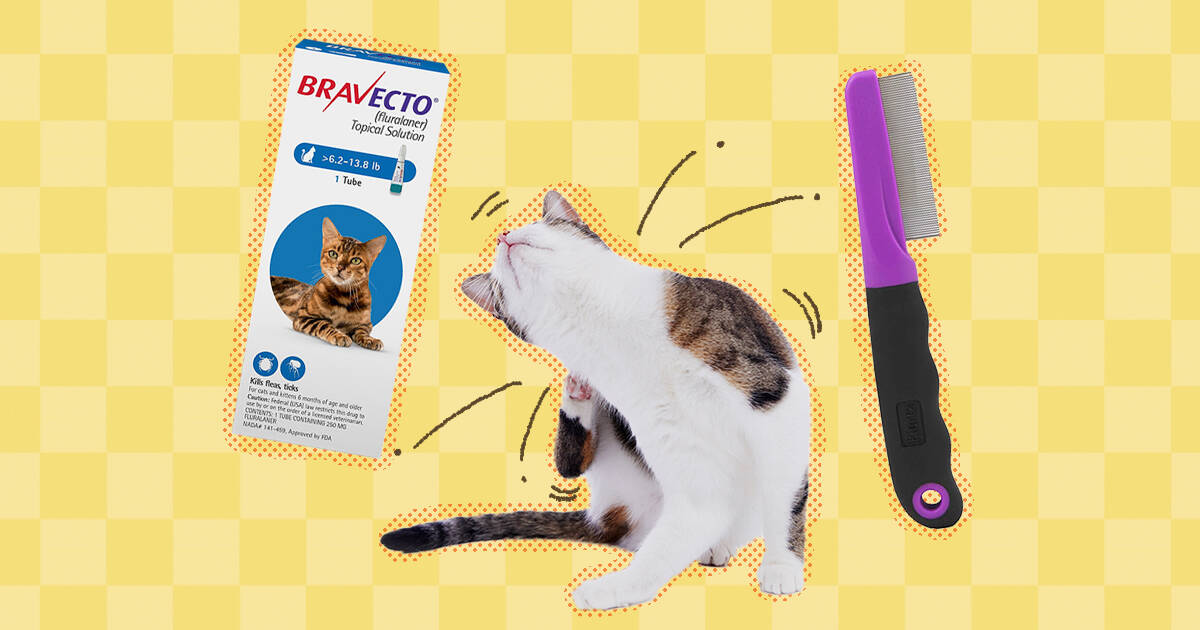
Use a flea comb with fine teeth to check your cat’s fur. Comb through the fur slowly, especially near the neck, behind the ears, and at the base of the tail. Wipe the comb on a white paper towel. Look for tiny moving black or brown specks. These are fleas or flea dirt. Fleas move fast, so check carefully. Repeat the process several times to be sure.
Use Flea Combs Effectively
Using a flea comb is a gentle and effective way to remove fleas from your cat without bathing. It helps catch fleas, flea dirt, and eggs hidden in your cat’s fur. This method is safe and reduces stress for your pet. Regular combing also keeps your cat’s coat healthy and clean.
Choosing The Right Flea Comb
Pick a comb with fine, close-set teeth. Metal combs work best for catching fleas. Avoid plastic combs; they often miss small fleas. The comb should be sturdy and easy to hold. Look for one with a comfortable handle to prevent slipping. Choose a size suitable for your cat’s fur length.
Proper Combing Techniques
Start combing from the head and move to the tail. Divide your cat’s fur into small sections for thorough cleaning. Comb slowly and gently to avoid hurting your cat. After each stroke, check the comb for fleas or dirt. Wipe the comb on a white paper towel to spot fleas easily. Repeat daily until no fleas appear on the comb.
Apply Topical Flea Treatments
Applying topical flea treatments is a simple way to get rid of fleas on cats without giving them a bath. These treatments work by killing fleas quickly and preventing new ones from coming. You only need to apply the treatment to a small spot on your cat’s skin. It is easy and less stressful for your cat than bathing. Spot-on treatments are popular because they last for weeks and keep fleas away.
Types Of Spot-on Treatments
Spot-on treatments come in different forms. Most are liquid drops you put on your cat’s neck or back. Some contain chemicals that kill fleas fast. Others prevent flea eggs from hatching. Some products also protect against ticks and mites. Choose a treatment made for cats, not dogs. Each product works for a set time, usually four weeks. Read the label to understand how it works and how often to apply.
Safe Application Tips
Apply the treatment to dry fur and skin. Part the fur between the shoulder blades to reach the skin. Squeeze the liquid directly onto the skin. Avoid getting the product in your cat’s eyes, mouth, or nose. Don’t bathe your cat for two days before or after applying the treatment. Use only one dose per month unless the product says otherwise. Keep your cat from licking the spot until it dries. Wash your hands after applying the treatment.
:strip_icc()/fleas-and-your-cat-552346-Final-742910b7cca544ed95622e97fd075d22.jpg)
Credit: www.thesprucepets.com
Try Natural Flea Remedies
Natural flea remedies offer a gentle way to protect your cat from fleas without using harsh chemicals or baths. These remedies use simple, safe ingredients that can soothe your cat’s skin and keep fleas away. Many pet owners prefer natural options to avoid stress and dryness caused by frequent bathing.
Try herbal sprays and oils or homemade flea repellents to keep fleas under control. These methods can be easy to make at home and often work well to reduce flea problems. Using natural remedies regularly can help maintain your cat’s comfort and health.
Herbal Sprays And Oils
Herbal sprays and oils come from plants known to repel fleas. Lavender, peppermint, and eucalyptus oils are common choices. Mix a few drops with water in a spray bottle. Lightly spray your cat’s fur, avoiding eyes and nose.
Herbal oils can calm itchy skin and keep fleas at bay. Use a cotton ball dipped in diluted oil to gently rub on your cat’s neck and back. These oils smell good and create a natural flea barrier. Repeat every few days for best results.
Homemade Flea Repellents
Homemade flea repellents use simple ingredients found in most kitchens. Apple cider vinegar mixed with water makes a safe spray. This mix changes the pH on your cat’s skin, making it less attractive to fleas.
Another recipe combines lemon juice and water. Let the lemon soak overnight, then spray on your cat’s fur. These repellents can be used often and are safe for cats. Always test a small area first to check for skin reactions.
Maintain A Clean Environment
Keeping your cat free from fleas starts with a clean home. Fleas thrive in dirty spaces. They hide in carpets, bedding, and furniture. Cleaning your environment cuts down flea numbers. It also prevents new fleas from coming back.
Vacuuming And Washing Bedding
Vacuum your floors, carpets, and furniture every day. Vacuuming removes flea eggs, larvae, and adults. Focus on areas where your cat spends time. Empty the vacuum bag or canister after each use. Wash your cat’s bedding in hot water weekly. Hot water kills fleas and their eggs. Use pet-safe detergents to avoid skin irritation.
Treating Your Home For Fleas
Use flea sprays or powders designed for home use. Treat carpets, baseboards, and furniture carefully. Follow product instructions to keep your family safe. Consider natural options like diatomaceous earth. This powder dries out and kills fleas. Keep pets and children away during treatment. Repeat treatment after two weeks to kill newly hatched fleas.
Use Flea Collars
Flea collars offer a simple way to protect cats from fleas without bathing. They provide continuous flea control and are easy to use. You just put the collar around your cat’s neck and let it work. No stress from wet fur or struggling with baths.
Many cat owners prefer flea collars for long-lasting protection. They help keep fleas away and stop new fleas from biting. Flea collars are a good choice for cats that dislike water or baths. Understanding how to select and use them is important for best results.
Selecting Effective Flea Collars
Choose a flea collar made for cats only. Some collars for dogs can harm cats. Look for collars with active ingredients like imidacloprid or flumethrin. These ingredients kill fleas quickly and keep them away.
Pick a collar that lasts at least eight months. This reduces the need for frequent replacements. Make sure the collar fits your cat’s neck comfortably. Too loose or too tight can cause problems.
Check if the collar is waterproof. Cats are active and may get wet sometimes. Waterproof collars keep working even if your cat gets wet.
How Flea Collars Work
Flea collars release small amounts of flea-killing chemicals. These spread over your cat’s skin and fur. The chemicals target fleas and their eggs.
The collar kills fleas by affecting their nervous system. Fleas die before they can lay more eggs. This breaks the flea life cycle and reduces infestations.
Some collars repel fleas, preventing them from jumping on your cat. Others kill fleas after contact. Both types help keep your cat flea-free for months.
Consult Your Veterinarian
Consulting your veterinarian is an important step to remove fleas from your cat safely. Vets have the right knowledge and tools to help your cat without the need for a bath. They can suggest treatments that suit your cat’s health and lifestyle.
Professional Flea Control Options
Veterinarians offer several flea control options. These include topical treatments, oral medications, and flea collars. These options kill fleas quickly and prevent new ones from coming. Some products also help with flea allergies or skin irritation caused by bites.
Vets know which products work best for different cats. They consider your cat’s age, weight, and health issues. Using the right treatment avoids side effects and keeps your cat safe.
When To Seek Veterinary Help
Contact your veterinarian if your cat has many fleas or severe itching. If your cat has a skin infection or hair loss, get help fast. Fleas can cause anemia in young or weak cats, which needs urgent care.
If over-the-counter products do not work, see a vet. Persistent flea problems need professional advice. Your vet can find the root cause and suggest stronger treatments if needed.
Credit: www.adamspetcare.com
Frequently Asked Questions
How Can I Remove Fleas From My Cat Without Bathing?
Use flea combs to physically remove fleas from your cat’s fur. Apply flea sprays or spot-on treatments designed for cats. These methods kill fleas without needing water or a bath.
What Natural Remedies Work For Fleas On Cats?
Natural remedies like diluted apple cider vinegar and coconut oil can repel fleas. Use with caution and consult a vet before applying natural products to your cat.
Are Flea Collars Effective Without Bathing Cats?
Yes, flea collars release chemicals that repel and kill fleas. They provide long-lasting protection and are a convenient alternative to bathing.
How Often Should I Treat My Cat For Fleas?
Treat your cat every 3 to 4 weeks during flea season. Regular treatments prevent infestations and keep your cat comfortable and healthy.
Conclusion
Treating fleas on cats without bathing is simple and safe. Use flea combs to remove fleas gently. Apply vet-approved spot treatments or sprays carefully. Clean your cat’s bedding and living areas often. Regular checks help catch fleas early and stop infestations.
Keeping your cat comfortable and flea-free is possible without stress. Small steps make a big difference in flea control. Stay patient and consistent for the best results. Your cat will thank you with a happy, healthy life.