Last Updated on June 16, 2026
Are you wondering if your dog still needs flea and tick medicine when the cold weather hits? You might think those pesky pests disappear in the winter, but the truth could surprise you.
Protecting your furry friend year-round is more important than you realize. Keep reading to discover why skipping flea and tick prevention in winter could put your dog’s health at risk—and what you can do to keep them safe no matter the season.
Flea And Tick Activity In Winter
Flea and tick problems do not vanish in winter. These parasites can still affect dogs during colder months. Understanding their activity helps decide if medicine is needed year-round.
Climate Impact On Parasites
Fleas and ticks thrive in warm, humid places. Cold weather slows their growth and activity. In mild winters, they stay active longer. Harsh winters force them into hiding spots to survive.
Regions with little snow and warmer temperatures see more parasite activity. Parasites find shelters like leaf piles or animal burrows. This protection helps them live through winter.
Parasite Behavior During Cold Months
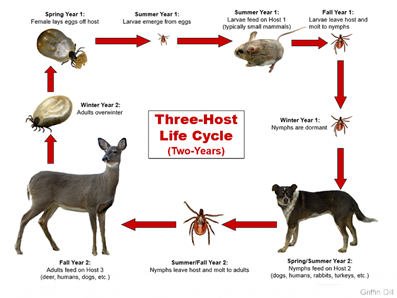
Fleas often stay on pets or in homes during winter. Ticks become less active but do not disappear. They wait for warm days to move and find hosts.
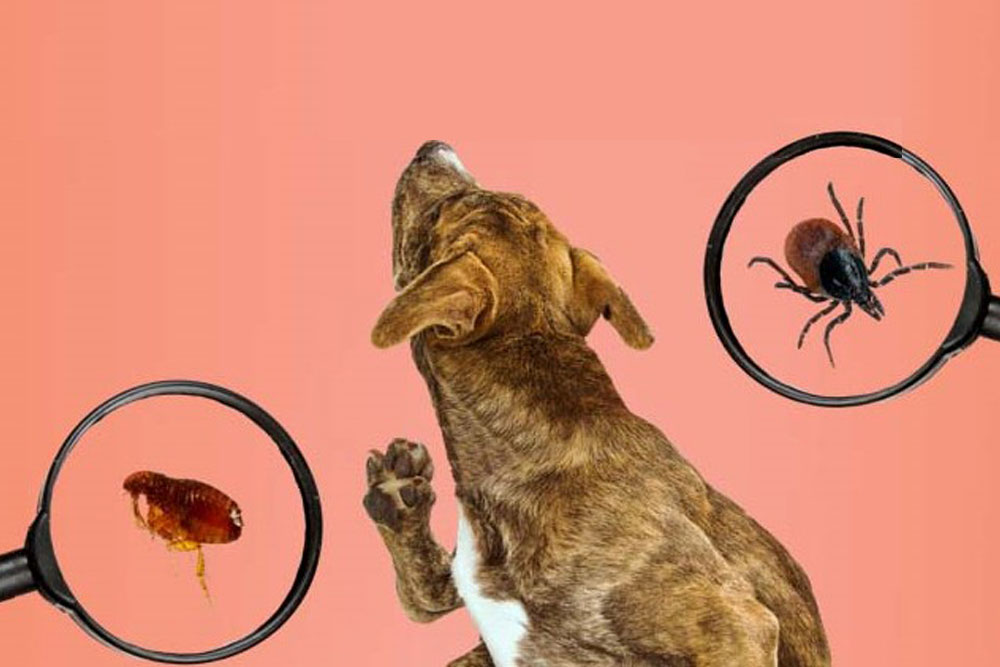
Parasites reduce feeding and reproduction in cold times. They can still bite and spread disease. Dogs that spend time outside remain at risk.
Indoor heating and mild climates can keep fleas and ticks alive. Protection through medicine may be necessary even in winter.
Credit: oakcreekvetcare.com
Risks Of Skipping Treatment
Many pet owners stop flea and tick medicine in winter. They think cold weather kills parasites. This is not always true. Fleas and ticks can survive indoors. Skipping treatment can harm your dog’s health. It can also cause problems inside your home.
Understanding these risks helps keep your dog safe. It keeps your home free from parasites too.
Potential Health Issues For Dogs
Fleas and ticks carry diseases. They bite your dog and cause irritation. Your dog may scratch or bite the skin. This can lead to infections and hair loss. Some ticks spread serious illnesses like Lyme disease. Fleas can cause anemia in puppies and small dogs. Untreated infestations weaken your dog’s immune system. This makes your dog sick and tired.
Protecting your dog all year prevents these health problems. It keeps your dog happy and healthy.
Risks Of Parasite Infestation Indoors
Parasites can live inside your home during winter. Fleas hide in carpets, bedding, and furniture. Ticks can cling to your dog and drop off indoors. These parasites multiply quickly without treatment. They can bite family members too. Infestation is hard to control once it spreads inside. Cleaning alone does not remove all parasites.
Using medicine during winter stops parasites from growing. It protects your home and family from bites and allergies.
Types Of Flea And Tick Medicines
Fleas and ticks can affect dogs all year. Winter does not stop these pests completely. Choosing the right medicine helps keep pets safe and comfortable. Several types of flea and tick medicines work in different ways. Each type has its own benefits and ways to apply.
Topical Treatments
Topical treatments are liquids applied directly to the dog’s skin. Usually placed between the shoulder blades. These medicines spread over the skin and fur. They kill fleas and ticks on contact. Most last about a month before reapplication. Easy to use and water-resistant after drying.
Oral Medications
Oral medications come as pills or chewables. Dogs take them by mouth. These medicines enter the bloodstream. Fleas and ticks die when they bite the dog. Effects last from one month to three months. These options are great for dogs who dislike topical drops.
Collars And Other Options
Flea and tick collars release chemicals that repel pests. They work for several months and are easy to wear. Other options include sprays and shampoos. Sprays offer quick relief, while shampoos clean and kill pests. Each option suits different dog needs and owner preferences.
When To Use Flea And Tick Medicine
Knowing when to give your dog flea and tick medicine is important. These pests can cause discomfort and health problems. Some pet owners think medicine is only needed in warm months. But fleas and ticks can be active in cooler weather too. Understanding the best times to protect your dog helps keep them safe all year.
Year-round Protection Benefits
Using flea and tick medicine throughout the year keeps your dog protected. Parasites do not always disappear in winter. Fleas can hide in your home and jump on your pet anytime. Ticks may stay active in mild winter weather. Year-round treatment stops infestations before they start.
Continuous protection avoids the need for stronger treatments later. It also reduces the chance of diseases spreading to your dog. Some medicines provide lasting protection for a month or more. This makes it easier to keep up with regular doses.
Regional Differences In Parasite Activity
Parasite activity changes depending on where you live. In warmer areas, fleas and ticks stay active all year. Dogs in these regions need constant protection. Cold regions may see less activity during winter. But some pests still survive in mild winters or indoors.
Check your local weather and pest warnings. Your vet can offer advice based on your area’s risks. Adjusting medicine use to your region keeps your dog safe without overusing products.
Tips For Winter Parasite Prevention
Winter does not mean a break from parasites. Fleas and ticks can still pose a threat. Cold weather slows them down but does not stop them. Protect your dog with these simple tips. Keep your pet safe and healthy all year.
Regular Grooming And Inspection
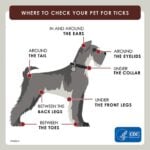
Brush your dog often to spot pests early. Check behind ears, under legs, and near the tail. Use a fine-toothed comb to catch fleas. Look for red or irritated skin. Early detection stops infestations before they grow. Grooming also removes dirt and loose fur. This helps keep your dog’s coat clean and healthy.
Environmental Control Measures
Keep your home and yard clean to reduce pests. Vacuum floors and furniture regularly to remove flea eggs. Wash your dog’s bedding in hot water every week. Trim grass and clear leaves where ticks hide. Avoid letting your dog roam in tall grass or wooded areas. These steps reduce the chance of parasites entering your home.

Credit: www.smalldoorvet.com
Consulting Your Veterinarian
Consulting your veterinarian is important to decide if your dog needs flea and tick medicine during winter. Vets understand your dog’s health and local parasite risks. They provide advice based on your dog’s unique situation. This helps protect your dog safely and effectively.
Personalized Treatment Plans
Vets create treatment plans tailored to your dog’s lifestyle. Some dogs spend more time outdoors. Others live mostly inside. The vet considers these habits to suggest the best medicine. They also recommend the right dosage and schedule. This ensures maximum protection without risks.
Addressing Specific Health Concerns
Some dogs have health problems that affect medicine choice. Allergies or skin conditions may limit options. Older dogs or those with illnesses need gentle treatments. Your vet knows which medicines are safe. They monitor your dog’s reaction to prevent side effects. This care keeps your dog healthy all year.
Credit: oakcreekvetcare.com
Frequently Asked Questions
Do Dogs Get Fleas And Ticks In Winter?
Yes, fleas and ticks can survive mild winters. They hide in warm places like your home or pet’s bedding. Protection is still necessary to prevent infestations and related health risks during winter months.
Is Winter Flea And Tick Medicine Necessary?
Winter flea and tick medicine is important for dogs. It prevents parasites that cause itching and diseases. Always consult your vet for the right year-round protection plan.
Can Fleas And Ticks Survive Cold Weather?
Fleas and ticks can survive cold weather by hiding indoors. They become less active but don’t die off completely. Continuous prevention helps keep your dog safe all year.
How Often Should I Apply Flea Medicine In Winter?
Apply flea and tick medicine monthly, even in winter. Parasites can still affect your dog anytime. Following the product’s schedule ensures effective protection and fewer health problems.
Conclusion
Dogs can get fleas and ticks even in winter months. Cold weather does not stop these pests completely. Keeping your dog protected all year helps avoid bites and illness. Talk to your vet about the best medicine for winter. Regular checks for fleas and ticks keep your dog healthy.
Don’t wait for signs of pests to act. Protect your furry friend with proper care every season. Safe, steady prevention works best for your pet’s comfort.