Last Updated on June 6, 2026
You’ve treated your cat for fleas, but the pesky pests are still hanging around. It’s frustrating, isn’t it?
You want your furry friend to be comfortable and itch-free, yet those stubborn fleas just won’t quit. If you’re wondering why your cat still has fleas after treatment, you’re not alone—and you’re in the right place. Keep reading to discover common reasons for this problem and what you can do to finally get rid of those fleas for good.
Your cat’s comfort depends on it.
Why Fleas Persist After Treatment
Fleas can stay on your cat even after treatment. Understanding why this happens helps you fight them better. Fleas are tough pests that hide well and multiply fast. Some treatments might not work as expected for different reasons. Knowing these reasons helps you keep your cat flea-free for good.
Common Reasons Treatments Fail
Treatments may fail if not applied correctly. Missing doses or using the wrong product weakens the fight. Some treatments take time to kill all fleas. Fleas can also come back if your home is not cleaned. Fleas hide in carpets, bedding, and furniture. Without cleaning these places, fleas keep returning.
Flea Life Cycle And Hidden Eggs
Fleas lay eggs that are hard to see. Eggs fall off your cat and hide around your home. These eggs hatch into larvae, then become adult fleas. Some treatments kill adult fleas but not eggs or larvae. This allows new fleas to appear after treatment. Repeating treatment and cleaning your home breaks this cycle.
Resistance To Flea Medications
Some fleas are becoming resistant to common medicines. Resistance means the medicine does not kill fleas well. Using the same product for a long time can cause resistance. Changing the type of flea treatment may help. Talk to your vet about the best options for your cat.
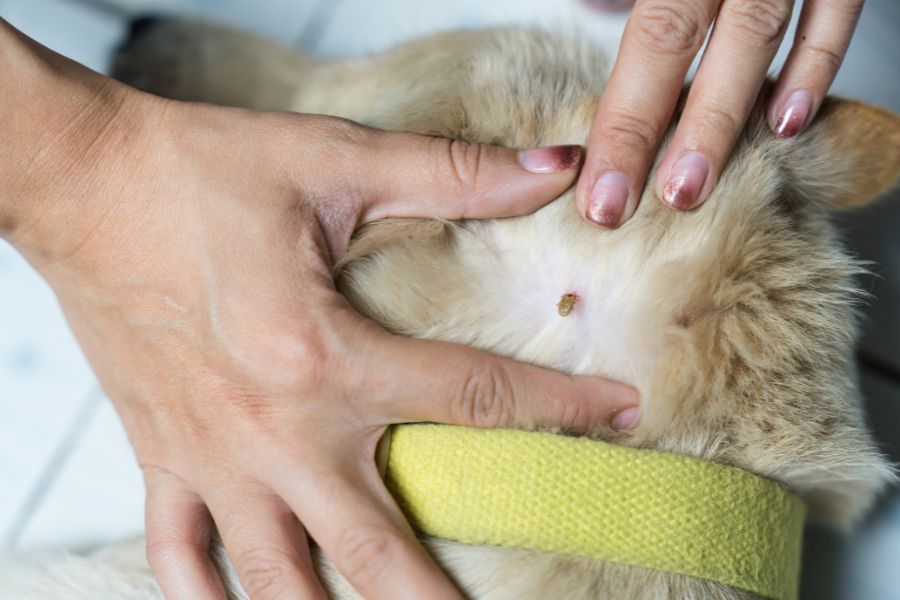
Credit: www.paumanokvethospital.com
Choosing The Right Flea Treatment
Choosing the right flea treatment is key to protecting your cat. Different treatments work in different ways. Some target fleas on the cat’s body. Others stop fleas from growing or laying eggs. Picking the best option can clear fleas faster and keep your cat comfortable.
Consider your cat’s age, health, and lifestyle. Some treatments suit indoor cats better. Others work well for cats that go outside. Understanding these differences helps you find the safest, most effective solution.
Topical Vs Oral Treatments
Topical treatments are liquids applied to the cat’s skin. They kill fleas quickly and last for weeks. You place them on the back of the neck. This stops the cat from licking the medicine off.
Oral treatments come as pills or chewables. They work by killing fleas inside the cat’s body. These are easy to give and start working fast. Some cats might prefer pills over liquid drops.
Both types can be safe and effective. Follow the instructions carefully for best results. Some cats may react differently, so watch for side effects.
Natural Remedies And Their Effectiveness
Natural remedies include sprays, powders, and shampoos made from herbs. These claim to repel or kill fleas. They are gentle on the cat’s skin and often safe.
Natural treatments may not kill all fleas. They often work slower than chemical treatments. Use them as a part of a larger flea control plan. Regular cleaning of your home also helps keep fleas away.
When To Consult A Veterinarian
If fleas stay after treatment, see a veterinarian. Persistent fleas might mean resistance to certain medicines. Your vet can recommend stronger or different treatments.
Watch for signs of allergic reactions or infections. Your vet can treat these problems quickly. Regular vet visits help keep your cat healthy and flea-free.
Treating Your Home And Environment
Fleas often hide in your home and yard, not just on your cat. Treating your pet alone may not stop the problem. You must clean and manage your environment too. This helps kill fleas and stops new ones from coming back.
Cleaning And Vacuuming Strategies
Vacuum your floors, carpets, and furniture every day. Flea eggs and larvae hide in these places. Use a vacuum with strong suction. After vacuuming, empty the vacuum bag or canister outside. Wash pet bedding and blankets in hot water weekly. Clean hard floors with a mop and a pet-safe cleaner.
Using Environmental Flea Control Products
Choose flea sprays or foggers made for home use. Follow the instructions carefully to protect your family and pets. Treat carpets, rugs, pet beds, and cracks where fleas hide. Some products kill flea eggs and larvae, not just adult fleas. Repeat treatments may be needed for full control.
Managing Outdoor Flea Sources
Fleas live in tall grass, bushes, and shaded areas outside. Keep your lawn mowed short to reduce flea habitats. Remove leaf piles and debris where fleas breed. Use outdoor flea control sprays around your yard. Check and treat outdoor pet areas regularly to keep fleas away.

Credit: mycommunityveterinaryclinic.com
Preventing Future Flea Infestations
Preventing future flea infestations is key to keeping your cat happy and healthy. Fleas can come back quickly if not properly managed. A good prevention plan helps stop fleas before they start. Regular care, timely treatments, and close attention to your cat’s environment make a big difference.
Regular Flea Prevention Plans
Use a consistent flea prevention product recommended by your vet. Monthly treatments work best for most cats. Some options include topical drops, oral medications, and flea collars. Always follow the instructions carefully for the best effect. Do not skip doses or delay treatments. Consistency is essential to stop fleas from returning.
Seasonal Considerations For Flea Control
Fleas are more active in warm weather. Spring and summer are peak seasons for flea infestations. Increase flea prevention efforts during these months. Even in colder months, keep up with treatments. Fleas can survive indoors year-round. Adjust your prevention routine based on your local climate and your cat’s lifestyle.
Monitoring Your Cat For Flea Activity
Check your cat’s fur regularly for signs of fleas. Look for small dark spots, flea dirt, or itching behavior. Use a flea comb to find hidden fleas or eggs. Early detection helps stop infestations quickly. Keep an eye on your cat’s skin for redness or irritation. Prompt action prevents fleas from spreading in your home.
Additional Tips For Stubborn Flea Cases
Dealing with fleas that stay after treatment can be frustrating. Some flea problems need extra care and different steps. These tips help manage tough flea cases. They protect your cat and home better. Follow these ideas to fight fleas more effectively.
Combining Multiple Treatment Methods
Using just one flea treatment might not work well. Try combining spot-on treatments with flea collars or sprays. Vacuum your home often to remove flea eggs and larvae. Wash your cat’s bedding in hot water. Treat all pets in the house to avoid flea hiding spots.
Addressing Flea Allergic Dermatitis
Some cats get skin allergies from flea bites. This causes itching and redness that last long. Talk to your vet about flea allergic dermatitis. They may suggest special shampoos or medicines. These help reduce itching and heal the skin faster. Keep fleas away to stop more allergic reactions.
When To Seek Professional Pest Control
Sometimes fleas spread inside the house too much. Home treatments might not remove all fleas. Call a professional pest control service in such cases. They use safe and strong treatments for the entire home. This helps protect your cat and family better. Act quickly to stop fleas from coming back.

Credit: www.reddit.com
Frequently Asked Questions
Why Does My Cat Still Have Fleas After Treatment?
Fleas can survive if treatment isn’t applied properly or consistently. Environmental factors like infested bedding or carpets may cause reinfestation. Using a single treatment may not kill all fleas, especially eggs or larvae. Always follow product instructions and treat your cat’s environment.
How Long Does Flea Treatment Take To Work?
Most flea treatments start killing adult fleas within 24 to 48 hours. However, complete elimination including eggs and larvae may take several weeks. Patience and repeated treatments are often necessary to fully clear fleas from your cat and environment.
Can Flea Resistance Affect Treatment Effectiveness?
Yes, some fleas develop resistance to certain flea medications. Resistance reduces the product’s ability to kill fleas effectively. If your cat still has fleas after treatment, consider switching to a different type of flea control recommended by your vet.
Should I Treat My Home If My Cat Has Fleas?
Absolutely. Fleas lay eggs in carpets, bedding, and furniture. Treating only your cat won’t stop reinfestation. Use vacuuming, washing bedding in hot water, and environmental sprays to remove fleas from your home.
Conclusion
Fleas can be tough to remove completely from your cat. Treatments may take time to work fully. Keep cleaning your home and washing your cat’s bedding. Check your cat regularly for any new signs of fleas. Talk to your vet if fleas stay after treatment.
They can suggest different or stronger options. Patience and care help your cat feel better soon. Don’t give up—your cat deserves a flea-free life.