Last Updated on June 11, 2026
Are you tired of seeing your pet scratch and itch nonstop? Fleas can turn your furry friend’s life into a nightmare—and yours too.
You’ve probably heard that flea shampoo can help, but does it really work? Before you spend money on another product, it’s important to know what flea shampoos can and can’t do. Keep reading to discover the truth about flea shampoos and how to protect your pet from these pesky pests for good.
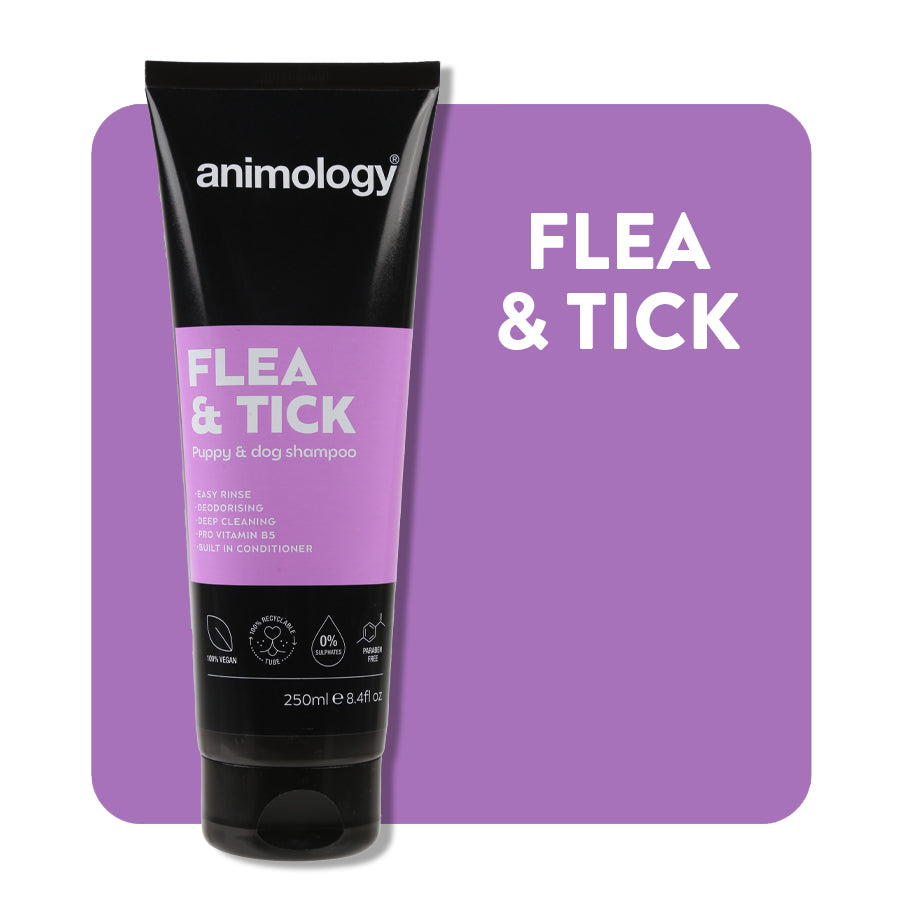
Credit: animology.co.uk
How Flea Shampoo Works
Flea shampoo is a common choice to fight flea infestations on pets. It works by targeting fleas on your pet’s fur and skin. The shampoo helps remove fleas quickly and provides relief from itching. Understanding how flea shampoo works can help you use it effectively and keep your pet comfortable.
Active Ingredients Explained
Flea shampoos contain special chemicals that kill fleas. Common active ingredients include pyrethrins and permethrin. These substances attack the nervous system of fleas, causing paralysis and death. Some shampoos also have insect growth regulators. These stop flea eggs and larvae from developing into adults. The combination helps reduce flea numbers fast.
Immediate Vs Long-term Effects
Flea shampoo works fast to kill fleas on contact. You will see fleas drop off your pet during the bath. This offers immediate relief from flea bites and itching. However, flea shampoo does not prevent new fleas from coming back. For long-term control, other treatments like spot-ons or oral medicines are needed. Flea shampoo is best for quick clean-up, not full protection.
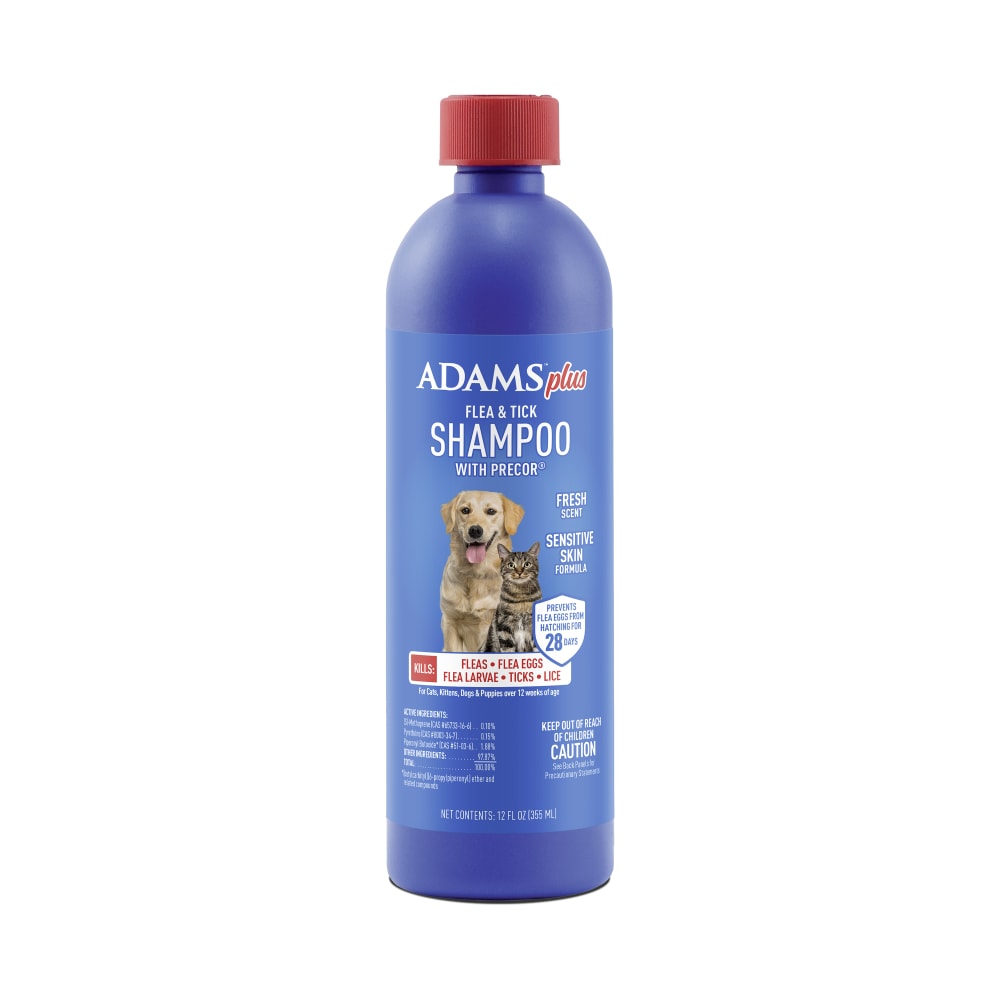
Credit: www.adamspetcare.com
Effectiveness On Different Pets
Flea shampoo works differently on various pets. Factors like skin type and hair length affect its effectiveness. Each pet may respond in unique ways to the shampoo. Understanding these differences helps choose the right product and treatment plan.
Dogs Vs Cats
Dogs usually tolerate flea shampoo well. Their skin is thicker and less sensitive than cats. Some shampoos work fast on dogs, killing fleas quickly. Cats have more delicate skin. Many dog shampoos can irritate or harm cats. Only use flea shampoos made specifically for cats. Always read the label carefully to avoid problems.
Puppies And Kittens Considerations
Puppies and kittens have very sensitive skin. Flea shampoos for adults may be too strong for them. Use products designed for young animals. These shampoos are gentle but still effective. Avoid shampoos with harsh chemicals or strong scents. Always check the pet’s age on the shampoo label. Consult a vet before using flea shampoo on very young pets.
Common Misconceptions
Many pet owners believe flea shampoo alone can solve flea problems. This idea is common but not quite true. Understanding why helps manage expectations and care for pets better.
Shampoo Alone Isn’t Enough
Flea shampoo kills fleas on contact during a bath. It does not stop fleas from coming back later. Fleas live in carpets, bedding, and furniture. They lay eggs that hatch after the bath. A single shampoo cannot remove all these hidden fleas and eggs. Regular shampooing helps but needs other treatments to fully control fleas.
Flea Resistance Issues
Fleas can develop resistance to some shampoos. This means the shampoo may not kill all fleas effectively. Overuse of one product can make fleas stronger against it. Different flea shampoos use different chemicals. Switching products or combining treatments can reduce resistance. Check with a vet for the best options for your pet.
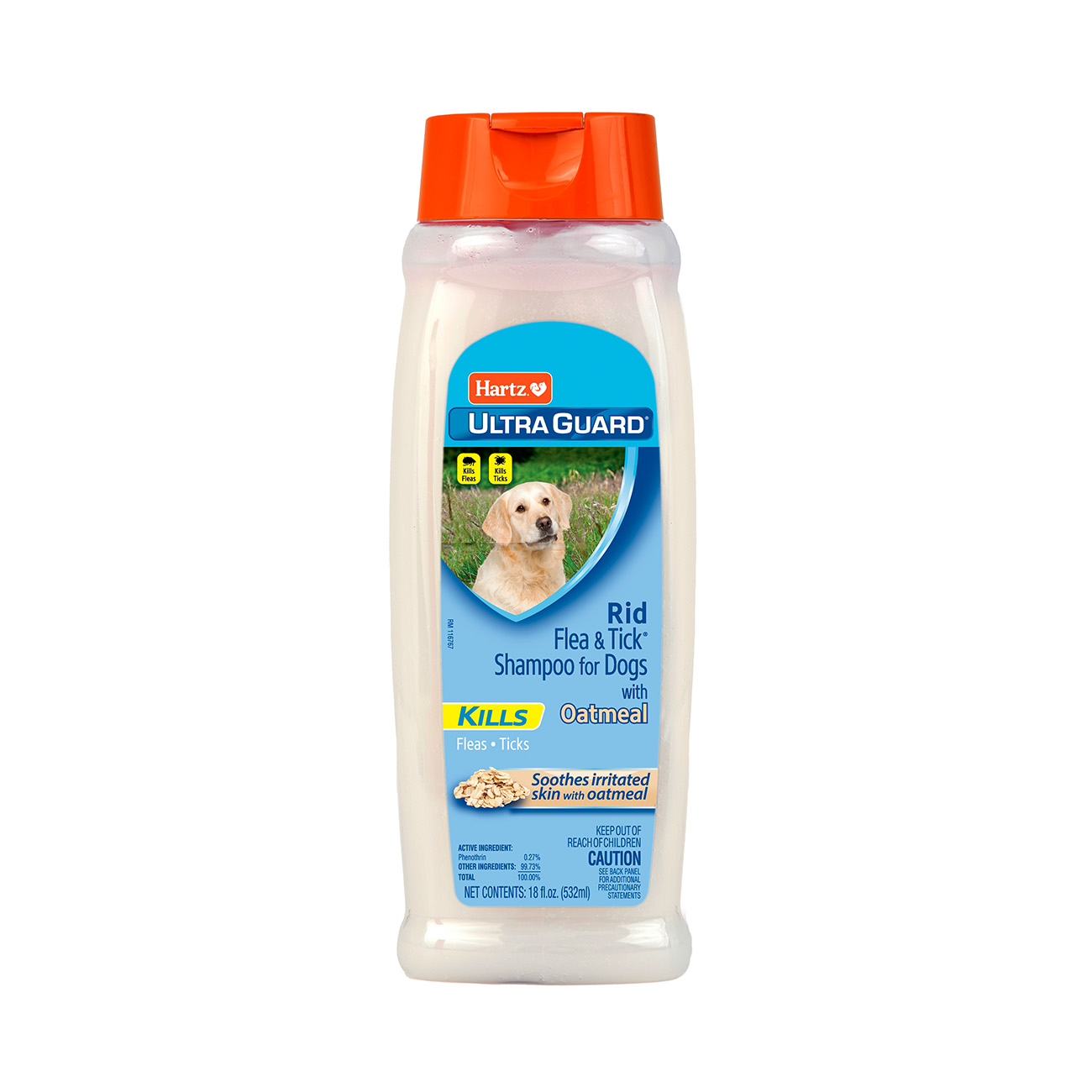
Credit: www.hartz.com
Safety And Side Effects
Flea shampoos can help control fleas on pets. Safety is important when using these products. Some shampoos might cause side effects. Knowing the risks and how to apply the shampoo helps keep pets safe. This section covers key points about safety and side effects.
Skin Irritation Risks
Flea shampoo can cause skin irritation. Pets with sensitive skin may react more. Signs include redness, itching, or dryness. Some shampoos contain strong chemicals. These chemicals may harm pets if used too often. Watch your pet closely after use. Stop use if irritation appears. Consult a vet for severe reactions.
Proper Application Tips
Apply flea shampoo carefully to avoid problems. Wet your pet’s fur completely before shampooing. Massage the shampoo well into the coat. Avoid the eyes, nose, and mouth area. Leave the shampoo on for the recommended time. Rinse thoroughly to remove all shampoo. Dry your pet gently after rinsing. Follow the label instructions exactly. Use the right amount based on your pet’s size. Proper use reduces side effects and improves results.
Alternatives And Complements
Flea shampoos can help reduce fleas on pets but might not solve the problem alone. Fleas often hide in your pet’s environment and can return quickly. Using other products and methods can help control fleas better. Combining treatments works best for lasting flea control.
Flea Collars And Spot Treatments
Flea collars slowly release chemicals that kill or repel fleas. They protect pets for weeks or months. Spot treatments are liquid drops applied to the pet’s skin. They kill fleas and prevent new ones from growing. Both methods are easy to use and work well with flea shampoos. They provide longer protection than shampoo alone.
Environmental Control Methods
Fleas live in carpets, bedding, and furniture. Cleaning these areas helps stop flea infestations. Vacuum floors and furniture regularly. Wash pet bedding often in hot water. Use insect sprays or powders made for home use. These kill fleas and their eggs in the environment. Treating your home helps prevent fleas from returning to pets.
Choosing The Right Flea Shampoo
Choosing the right flea shampoo is important for your pet’s health and comfort. Not all shampoos work the same for every pet. Some ingredients suit certain pets better. Picking the right one helps kill fleas effectively and keeps your pet safe.
Consider your pet’s skin type, age, and any allergies before buying flea shampoo. A gentle formula works best for pets with sensitive skin. For puppies or kittens, choose shampoos made specifically for them. Using the wrong shampoo can cause irritation or harm.
Reading Labels And Ingredients
Always check the shampoo label before buying. Look for active ingredients like pyrethrin or permethrin. These fight fleas quickly but can be harmful to cats. Natural ingredients like neem oil or aloe vera are safer for sensitive pets.
Beware of harsh chemicals that may irritate skin. Avoid shampoos with strong fragrances or dyes. Labels also show directions for use and safety warnings. Follow these instructions carefully for the best results.
Veterinarian Recommendations
Ask your vet for advice on flea shampoos. They know which products work well and are safe. Vets can suggest shampoos based on your pet’s health history. They can also recommend treatments to use with shampoos for better flea control.
Vets may warn against products harmful to certain animals. Their advice helps avoid side effects or allergic reactions. Trusting a veterinarian’s guidance protects your pet and improves flea removal success.
Frequently Asked Questions
Does Flea Shampoo Kill All Fleas Instantly?
Flea shampoo kills most adult fleas on contact but may not eliminate all eggs or larvae. Repeated treatments are often needed. It works best combined with other flea control methods for complete eradication.
How Often Should I Use Flea Shampoo?
Use flea shampoo once a week or as recommended by the product label or your vet. Frequent use can prevent infestations but avoid overuse to protect your pet’s skin.
Can Flea Shampoo Prevent Future Flea Infestations?
Flea shampoo primarily removes existing fleas but does not provide long-term prevention. Use alongside flea preventatives like collars or oral treatments for ongoing protection.
Is Flea Shampoo Safe For All Pets?
Most flea shampoos are safe for dogs and cats but check the label for species-specific warnings. Consult your vet before use, especially for young, old, or sensitive pets.
Conclusion
Flea shampoo can help remove fleas from your pet’s fur. It works best for mild infestations and quick relief. Regular use may be needed to keep fleas away. Always follow the instructions on the shampoo bottle. Some pets might need extra treatment like sprays or collars.
Talk to your vet if fleas keep coming back. Clean your pet’s bedding and home to stop fleas from returning. Flea shampoo is a useful tool but not a full solution alone. Small steps lead to a flea-free pet and home.