
Last Updated on June 11, 2026
If your cat is scratching more than usual, it might be time to take action against fleas. You want a solution that works quickly and keeps your furry friend comfortable.
That’s where a professional flea dip for cats comes in. It’s a powerful way to get rid of fleas and stop them from coming back. You’ll learn everything you need to know about using a flea dip safely and effectively.
Keep reading to discover how you can protect your cat and keep your home flea-free.
Why Choose Professional Flea Dips
Choosing professional flea dips for cats offers clear advantages. These treatments provide stronger, safer, and longer-lasting results. They target fleas more effectively than simple home remedies. Protect your cat and home with proven methods designed by experts.
Benefits Over Home Remedies
Home remedies often use mild ingredients. These may not kill all fleas or their eggs. Professional flea dips contain powerful chemicals. They remove fleas quickly and stop future infestations. These dips also save time and effort.
Effectiveness Against Flea Life Cycle
Fleas have several stages: eggs, larvae, pupae, and adults. Professional dips attack all stages at once. This breaks the flea life cycle. It prevents fleas from returning after the first treatment. Home methods usually miss some flea stages.
Safety For Cats And Humans
Professional flea dips use safe doses for cats. Experts know how to apply them without harm. These products also reduce risk to humans in the home. Proper use ensures safety and comfort for everyone.
Types Of Professional Flea Dips
Professional flea dips come in different types. Each type targets fleas in unique ways. Choosing the right dip helps keep cats safe and flea-free. Understanding these types makes it easier to pick the best solution.
Chemical-based Solutions
Chemical flea dips use synthetic ingredients to kill fleas quickly. They attack the nervous system of fleas, causing fast results. These dips are strong and work well for heavy infestations. Use them carefully, as some chemicals can irritate sensitive cats.
Natural And Organic Options
Natural flea dips use plant oils and extracts to repel fleas. They are gentler on cats and safe for frequent use. These options avoid harsh chemicals and suit cats with sensitive skin. Effectiveness may take longer, but they provide a safe alternative.
Prescription Flea Dips
Prescription flea dips contain powerful ingredients prescribed by vets. They target fleas and other parasites like ticks and mites. These dips offer strong protection but require veterinary guidance. Use only under a vet’s supervision to ensure safety.
How To Use Flea Dips Safely
Using flea dips safely is important for your cat’s health. Flea dips kill fleas quickly but need careful handling. Follow clear steps to protect your cat and yourself. Proper use prevents skin irritation and other problems.
Preparing Your Cat
Brush your cat gently to remove loose fur and dirt. Choose a quiet, warm room for the dip. Wear gloves to protect your skin. Read the flea dip instructions carefully. Check your cat for cuts or wounds before starting.
Step-by-step Application
Fill a basin with the flea dip solution as directed. Wet your cat’s fur with warm water first. Slowly pour the flea dip over your cat’s body. Avoid the eyes, ears, nose, and mouth. Massage the solution into the fur for full coverage. Leave the dip on for the recommended time only. Rinse thoroughly with clean, warm water to remove the dip.
Post-dip Care
Dry your cat with a soft towel in a warm space. Keep your cat indoors until fully dry. Watch for any signs of irritation or sickness. If your cat scratches or seems upset, contact your vet. Dispose of leftover flea dip safely, away from children and pets.
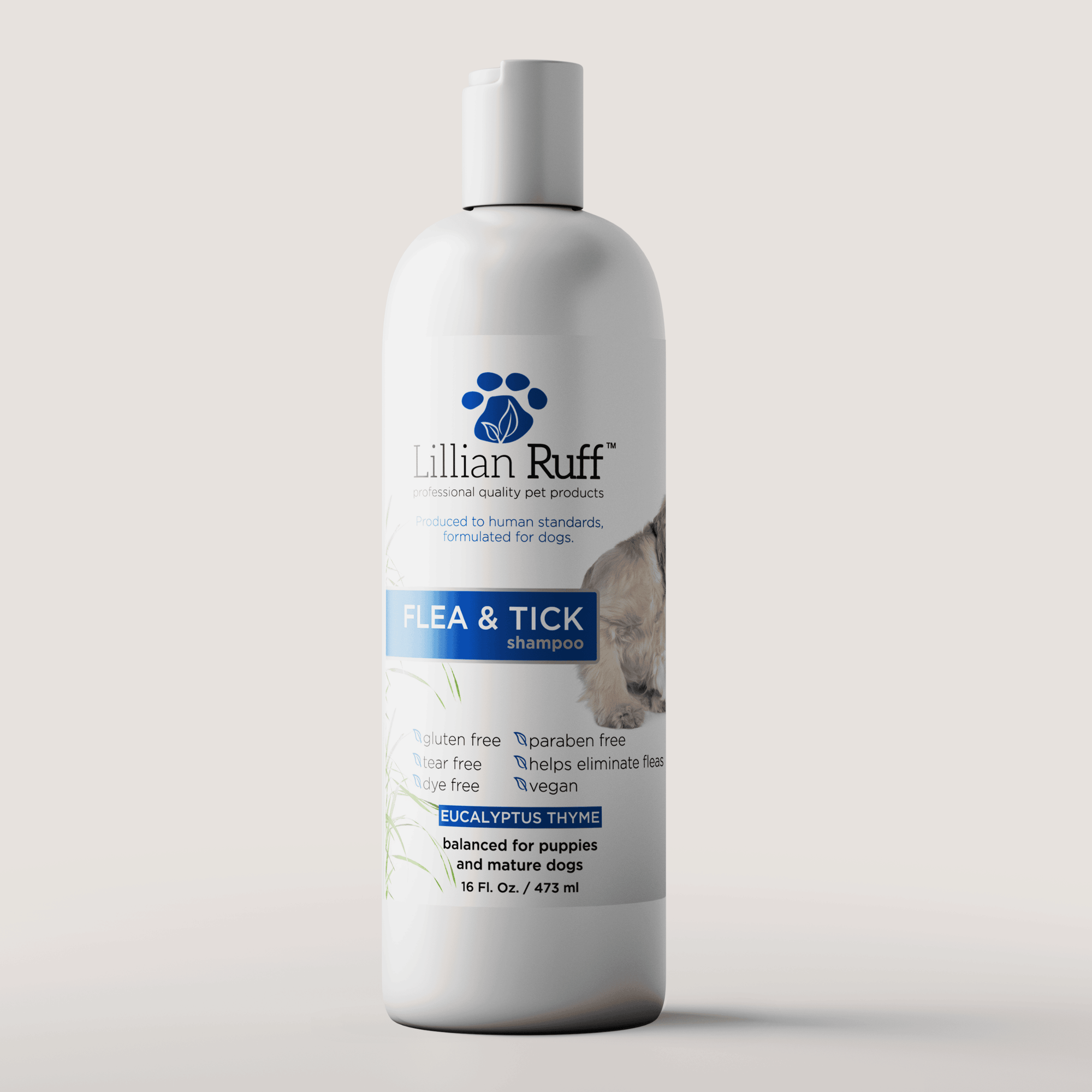
Credit: lillianruff.com
Common Side Effects And Precautions
Using professional flea dip for cats helps control fleas effectively. It is important to know the common side effects and take precautions. This keeps your cat safe and healthy during treatment. Understanding what to watch for can prevent serious issues.
Recognizing Adverse Reactions
Some cats may show mild reactions after flea dip use. Look for redness, itching, or swelling on the skin. Cats might also scratch or lick the treated area more than usual. In rare cases, breathing problems or vomiting can occur. Early spotting of these signs helps act fast.
When To Contact A Veterinarian
Call your veterinarian if your cat shows severe symptoms. These include difficulty breathing, weakness, or constant vomiting. Also seek help if the cat has seizures or loses coordination. Quick veterinary care can stop serious health problems. Do not wait or try to treat these signs at home.
Avoiding Overuse And Toxicity
Use flea dip only as directed on the label. Do not apply more often than recommended. Overuse can cause toxic effects in cats. Avoid using flea dip on sick or very young kittens. Always keep the product away from your cat’s eyes and mouth. Following instructions keeps your cat safe and flea-free.
Complementary Flea Control Methods
Using a professional flea dip for cats is effective, but it works best with other flea control methods. Combining treatments helps to stop fleas at every stage. It also keeps your cat and home safer and cleaner. This section explains extra ways to fight fleas alongside flea dips.
Flea Combs And Grooming
Flea combs remove fleas and eggs from your cat’s fur. They have fine teeth that catch tiny pests easily. Use the comb daily, especially around the neck and tail. Grooming your cat also helps spot fleas early. It keeps your cat’s coat healthy and reduces itching.
Environmental Treatments
Fleas live in carpets, bedding, and furniture. Cleaning these areas lowers flea numbers. Vacuum your home regularly to pick up flea eggs and larvae. Wash pet bedding in hot water each week. Consider using pet-safe sprays or powders in your home. These stop flea eggs from growing into adults.
Regular Preventative Measures
Prevent fleas before they start. Use monthly flea preventatives like collars, topical drops, or oral medicines. Check your cat often, especially after time outside. Keep your yard clean and dry to avoid flea breeding spots. Consistent care keeps your cat free from fleas all year.

Credit: www.walmart.com
Choosing The Right Flea Dip Product
Choosing the right flea dip product for your cat is essential for safe and effective flea control. Not all flea dips work the same way or suit every cat. Selecting the best product requires careful thought and attention to details.
Understanding what makes a flea dip right for your cat helps prevent side effects. It also ensures the flea problem is handled quickly. Focus on key factors like ingredients, veterinary advice, and your cat’s unique needs.
Reading Labels And Ingredients
Check the label carefully before buying any flea dip. Look for active ingredients and their amounts. Some chemicals are strong and not safe for kittens or older cats. Others might irritate sensitive skin.
Choose products with clear instructions. Avoid those with confusing or missing information. Knowing what is inside helps avoid allergic reactions or toxicity. Safe ingredients usually include natural oils or approved insecticides.
Consulting Your Veterinarian
Your vet knows your cat’s health history best. Ask for their advice before using a flea dip. They can recommend products that match your cat’s age, weight, and health condition. This reduces risks and improves treatment success.
Veterinarians can also suggest alternative treatments if flea dips are not suitable. Their guidance helps protect your cat from harmful side effects. Trust their expertise for the safest flea control options.
Matching Product To Cat’s Needs
Each cat has different needs for flea treatment. Consider your cat’s age, weight, and skin type. Some flea dips work better for short-haired cats. Others are made for long-haired breeds or cats with sensitive skin.
Also, think about your cat’s lifestyle. Indoor cats might need different protection than outdoor cats. Choose a product that fits your cat’s specific situation. This ensures the flea dip works well and keeps your cat comfortable.

Credit: www.bomgaars.com
Frequently Asked Questions
What Is A Professional Flea Dip For Cats?
A professional flea dip is a specialized treatment to kill fleas on cats. It uses strong, vet-approved chemicals for fast, effective results. This method is often more potent than over-the-counter options and helps control severe flea infestations quickly and safely.
How Often Should I Use Flea Dip On My Cat?
Flea dips should be used according to the vet’s advice, usually every 4 to 6 weeks. Overuse can harm your cat’s skin and health. Always follow instructions carefully to prevent flea resistance and keep your cat safe.
Is Flea Dip Safe For All Cats?
Flea dips are generally safe for healthy adult cats but may not suit kittens, pregnant, or sick cats. Always consult your veterinarian before use. They will recommend the safest flea control method based on your cat’s age and health.
Can Flea Dips Harm My Cat’s Skin?
If used incorrectly, flea dips may irritate or dry out your cat’s skin. Always use the product as directed and avoid frequent applications. Proper rinsing and aftercare reduce the risk of skin problems.
Conclusion
Using a professional flea dip keeps your cat safe and healthy. It helps remove fleas quickly and stops them from coming back. Always follow the instructions to avoid harming your pet. Regular treatments protect your home and family too. Choose products made for cats to avoid side effects.
Caring for your cat’s skin and fur matters a lot. A clean, flea-free cat feels happy and comfortable. Simple steps can make a big difference in flea control. Stay consistent and watch your cat enjoy life without fleas.