Last Updated on July 10, 2026
Is your cat suddenly acting uncomfortable or showing signs of an upset stomach? When your furry friend feels sick, it can be worrying and confusing for you.
You want to help, but don’t always know what to look for or how to make them feel better. Understanding the causes and symptoms of a cat’s upset stomach can save you stress and ensure your pet gets the care they need quickly.
Keep reading to discover simple ways to spot the signs and find relief for your beloved cat.
Common Causes Of Cat Upset Stomach
Cats can get an upset stomach for many reasons. Understanding these causes helps keep your cat healthy. Some causes are simple and easy to fix. Others may need a vet’s help. Knowing common triggers helps catch problems early.
Dietary Indiscretion
Cats sometimes eat things they should not. Eating spoiled food or trash can upset their stomach. Sudden changes in diet also cause problems. Cats need a consistent and balanced diet. Avoid giving human food or scraps.
Food Allergies And Intolerances
Some cats react to certain foods. Common allergens include dairy, fish, and grains. These cause stomach pain, vomiting, or diarrhea. Food intolerance is different from allergies. It means the cat’s body cannot digest some foods well.
Infections And Parasites
Bacterial, viral, or fungal infections can upset a cat’s stomach. Parasites like worms also cause digestive trouble. These infections make cats sick and weak. Regular vet check-ups help detect infections early.
Stress And Anxiety
Cats are sensitive to changes around them. Moving to a new home or loud noises can stress them. Stress often causes digestive issues like vomiting. Provide a calm and safe environment for your cat.
Toxic Substances
Cats may eat poisonous plants or chemicals by accident. These toxins cause severe stomach upset and illness. Keep dangerous substances out of reach. Immediate vet care is needed if poisoning happens.
Credit: plattar.com
Recognizing Symptoms
Recognizing the symptoms of an upset stomach in cats is important for timely care. Cats cannot tell us when they feel bad. Watching their behavior closely helps identify problems early. Some signs are clear, but others may be subtle. Knowing what to watch for makes a big difference in your cat’s health.
Vomiting And Diarrhea
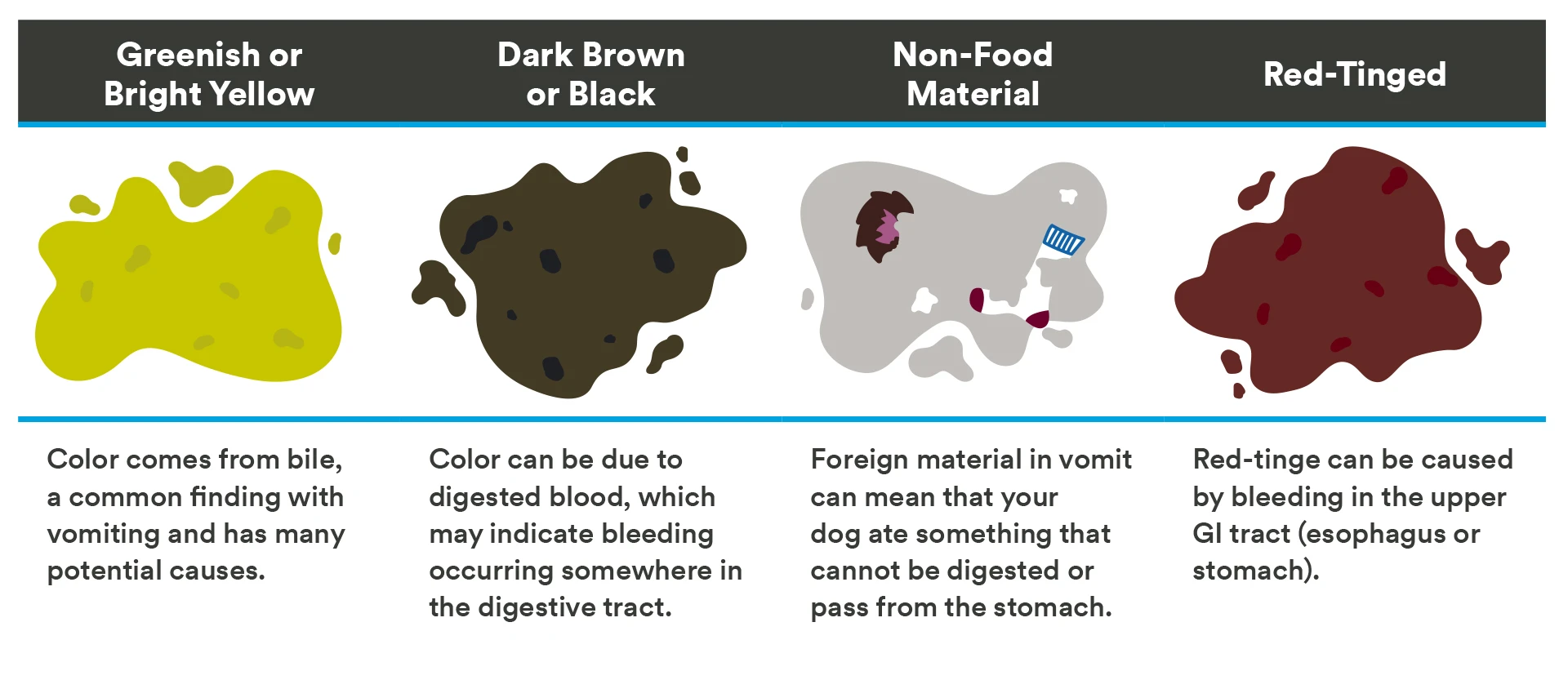
Vomiting is a common sign of stomach upset in cats. It may happen once or repeatedly. Diarrhea shows as loose or watery stools. Both can cause discomfort and weakness. These symptoms often indicate irritation or infection in the digestive system. Monitor the frequency and severity to help your vet diagnose the issue.
Lethargy And Loss Of Appetite
A cat with an upset stomach may become very tired. Lethargy means less energy and less interest in activity. Loss of appetite is another key sign. Cats may refuse food or eat less than usual. These signs show your cat is not feeling well and needs attention.
Changes In Behavior
Behavior changes can signal stomach problems. Your cat may hide or avoid contact. Some cats may become more irritable or restless. Changes in grooming habits can also occur. These subtle signs often point to discomfort or pain. Watch for any unusual actions or moods.
Dehydration Signs
Dehydration is serious and can happen quickly. Look for dry gums and sunken eyes. Your cat may drink more water or not drink at all. Skin that does not snap back quickly when pinched is a warning. Dehydration needs fast treatment to avoid complications.
Immediate Home Remedies
When your cat has an upset stomach, quick care can help ease their discomfort. Immediate home remedies can support your cat’s recovery and prevent the issue from worsening. These simple steps focus on rest, hydration, and gentle feeding.
Fasting Periods
Giving your cat a break from food can calm the stomach. A fasting period of 12 to 24 hours helps clear irritants. Make sure fresh water is always available during this time. Avoid fasting for long periods without advice from a vet.
Hydration Techniques
Water keeps your cat hydrated and flushes out toxins. Offer small amounts of water frequently to encourage drinking. Use a clean bowl and change water often. For cats that refuse water, try ice cubes or wet food to increase moisture intake.
Bland Diet Options
After fasting, start feeding bland foods to soothe the stomach. Boiled chicken or turkey without skin works well. Plain cooked rice is gentle and easy to digest. Feed small portions several times a day. Avoid dairy, fatty, or spicy foods during recovery.
Probiotics And Supplements
Probiotics can restore healthy bacteria in your cat’s gut. Use supplements made specifically for cats. These help improve digestion and reduce diarrhea. Always follow package instructions or your vet’s advice. Supplements support healing but do not replace a vet check if symptoms persist.

Credit: www.youtube.com
When To See A Veterinarian
Knowing when to take your cat to the veterinarian is very important. Some stomach problems can be mild and go away on their own. Others need quick medical care to avoid serious harm.
Watch your cat closely. Look for signs that do not improve or get worse. Your cat’s health depends on your careful attention and timely action.
Persistent Symptoms
Stomach upset lasting more than two days needs vet attention. Vomiting or diarrhea that does not stop can cause serious problems. The vet can find the cause and suggest treatment.
Severe Dehydration
Dehydration is dangerous for cats. Signs include dry gums, sunken eyes, and weakness. If your cat drinks little or not at all, see a vet fast.
Blood Or Mucus In Stool
Blood or mucus in your cat’s stool is a warning sign. It may point to infections or other health issues. A vet can do tests and give the right care.
Underlying Health Conditions
Cats with other health problems need extra care. Stomach issues in sick cats can lead to serious trouble. Always check with a vet if your cat is already ill.
Preventing Future Upset Stomachs
Preventing future upset stomachs in cats helps keep them healthy and happy. Simple habits and routines reduce tummy troubles. Understanding key steps protects your cat from discomfort. Start with small changes and watch your cat feel better.
Gradual Diet Changes
Switch your cat’s food slowly over 7 to 10 days. Mix a little new food with the old food each day. Sudden changes can upset their stomach. This helps their digestive system adjust without stress.
Safe Foods And Treats
Offer only cat-safe foods and treats. Avoid giving human food that can harm your cat. Some foods cause diarrhea or vomiting. Stick to vet-approved treats to keep their tummy calm.
Regular Parasite Control
Parasites often cause stomach problems in cats. Use regular parasite control as recommended by your vet. Keep up with flea and worm treatments. Clean living spaces help reduce parasite risks.
Stress Reduction Strategies
Stress can upset your cat’s stomach. Create a quiet and safe space for your cat. Keep their routine consistent. Play and gentle petting help reduce anxiety and improve digestion.
Credit: vetster.com
Frequently Asked Questions
What Causes A Cat’s Upset Stomach?
A cat’s upset stomach can be caused by dietary changes, food allergies, infections, or ingestion of harmful substances. Stress and parasites are also common causes. Identifying the cause helps in providing the right treatment and preventing future issues.
How To Tell If My Cat Has An Upset Stomach?
Look for vomiting, diarrhea, loss of appetite, or lethargy. Your cat may also show signs of abdominal discomfort or dehydration. Early detection is important to avoid severe health problems and ensure timely veterinary care.
When Should I See A Vet For My Cat’s Upset Stomach?
Visit a vet if symptoms last more than 24-48 hours, include blood, or your cat is very lethargic. Persistent vomiting, diarrhea, or weight loss also require professional evaluation. Prompt care prevents complications and ensures proper diagnosis.
Can I Treat My Cat’s Upset Stomach At Home?
Mild cases may improve with fasting for 12-24 hours and offering bland food afterward. Always provide fresh water to prevent dehydration. Avoid giving human medications and consult a vet if symptoms persist or worsen.
Conclusion
A cat’s upset stomach can cause worry and discomfort. Watch for signs like vomiting or diarrhea. Offer fresh water and a bland diet. Avoid giving human food or medicines without advice. Keep your cat calm and clean. If symptoms last more than two days, see a vet.
Early care helps your cat feel better fast. Stay patient and gentle during recovery. Your attention makes a big difference in their health.